As households across the country continue to navigate fluctuating energy markets and mounting living costs, industry experts are placing renewed focus on practical, long-term home improvements that can deliver substantial savings. Among the most effective yet frequently overlooked measures is cavity wall insulation, a thermal upgrade that promises to slash heating bills, reduce household carbon emissions, and enhance overall indoor comfort.
Unlike traditional insulation methods that target roofspaces or internal surface layers, cavity wall insulation directly addresses the structural makeup of modern properties. By filling the narrow gap—typically measuring between 50mm and 100mm wide—situated between a building’s interior and exterior walls, the installation creates a continuous thermal barrier. This barrier plays a critical role in preventing heat from escaping through the exterior masonry during colder months, while simultaneously helping to maintain a cooler interior environment when summer temperatures rise.
Recent studies and industry data indicate that implementing this thermal barrier can save homeowners up to 25% on their annual heating bills. For the average household, this translates to financial relief that can cushion the blow of rising utility tariffs, positioning the upgrade as a sound fiscal strategy alongside its environmental advantages.
What is Cavity Wall Insulation?
The fundamental concept behind cavity wall insulation centers on the architectural design of many residential buildings constructed over the past several decades. The structural void, known technically as the cavity, separates the inner and outer masonry skins of the building. Left uninsulated, this hollow space allows significant amounts of thermal energy to dissipate outdoors.
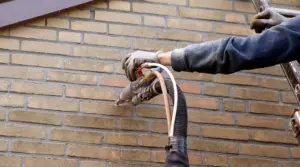
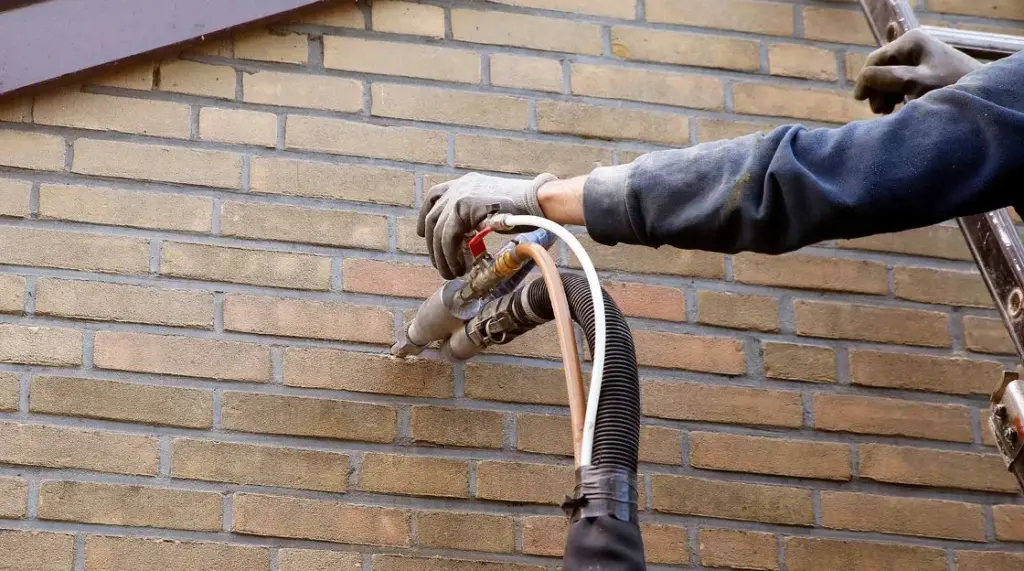
Filling this space requires specialized professional intervention, generally executed through one of two primary techniques: blown insulation or injected insulation. The blown insulation method utilizes specialized pneumatic equipment to propel lightweight materials, such as mineral wool or expanded polystyrene beads, directly into the wall cavity. Alternatively, the injected insulation process involves drilling discrete, strategic holes into the external mortar joints and pumping the insulating agent into the void using a specialized delivery system. Both methods have proven highly effective and can be deployed across a wide variety of standard building types without altering the external aesthetic of the property.
Benefits of Cavity Wall Insulation
The advantages associated with properly insulated cavity walls extend far beyond immediate thermal regulation, offering a comprehensive package of financial, structural, and environmental rewards for property owners.
Reduced Energy Bills
The most immediate and tangible benefit for most homeowners is the substantial decrease in monthly or quarterly utility expenditures. By drastically curtailing the rate at which thermal energy leaks through exterior walls, the property requires significantly less continuous fuel consumption to maintain a comfortable ambient temperature.
According to data compiled by the Energy Saving Trust, installing cavity wall insulation can save typical homeowners anywhere from £180 to £690 per year on their heating bills, depending on the scale and energy profile of the property. Given that a professionally installed insulation system typically boasts a functional lifespan of around 25 years, these annual savings compound into a substantial financial return over the lifetime of the material.
Increased Comfort
Beyond purely financial metrics, insulated walls fundamentally transform the day-to-day living experience inside a home. Uninsulated cavities frequently give rise to interior cold spots, damp patches, and persistent drafts near external walls. By sealing the thermal envelope, insulation eliminates these temperature differentials, keeping living spaces noticeably warmer throughout the winter and more stable during summer heatwaves.
Reduced Carbon Footprint
In addition to private financial gains, cavity wall insulation serves as an accessible mechanism for households aiming to minimize their environmental impact. Because less energy is required to heat an insulated home, the overall demand placed on fossil fuel consumption drops correspondingly. This reduction in energy usage directly translates to a lower carbon footprint, aligning household management with broader national and international sustainability objectives.
Increased Property Value
Energy efficiency has increasingly become a central consideration for prospective homebuyers navigating the real estate market. Properties equipped with verified energy-saving enhancements often command stronger market interest and higher valuations. Consequently, investing in cavity wall insulation can serve as an attractive selling point should the homeowner decide to place the property on the market in the future.
The Cost of Cavity Wall Insulation
While the long-term financial returns are well-documented, homeowners must first weigh the initial capital outlay required for installation. The total cost of the project varies depending on several variables, including the physical dimensions of the property, the specific type of insulating material selected, and the chosen installation methodology.

On average, the installation for a standard semi-detached house ranges between £900 and £1,200. However, detached properties with larger surface areas will naturally incur higher expenses, while smaller terraced homes or apartments may see reduced costs. Financial analysts emphasize that while the upfront investment can appear demanding, it must be evaluated through the lens of long-term utility savings and potential property appreciation.
How to Know if Your Home Needs Cavity Wall Insulation
Property owners must first determine whether their residence is structurally suitable for this type of home improvement. Not all buildings feature hollow wall cavities; many older properties constructed before the widespread adoption of cavity walls rely on solid brick construction, while others may possess a cavity that is simply too narrow to accommodate insulating material safely.
To establish suitability, homeowners are advised to consult a qualified, professional insulation specialist. Certified technicians possess the diagnostic tools required to conduct a thorough property survey, verifying the presence, width, and condition of the wall cavity before recommending a tailored solution. Furthermore, industry observers note that residential properties constructed after the 1990s typically incorporate building regulations that mandate insulation at the point of construction, meaning newer homes are likely to have adequate thermal barriers already in place.
The Installation Process of Cavity Wall Insulation
Because the installation procedure requires specialized technical equipment, precise spatial calculations, and professional handling of materials, it is not generally suited for amateur do-it-yourself projects. Executing the work incorrectly can lead to severe structural issues, including moisture bridging and damp penetration.
Property owners interested in pursuing the upgrade should engage reputable, experienced firms to manage the undertaking. Established organizations—such as Dyson Energy Services, which has provided residential energy-saving solutions across the UK since 1982—employ trained technicians capable of executing the drilling, filling, and remedial sealing processes in strict accordance with industry standards and building regulations.
How to Choose the Right Insulation Material
Selecting the appropriate insulating medium is a critical phase of the process, requiring careful evaluation of several performance factors. Common materials deployed for cavity wall insulation include mineral wool, expanded polystyrene beads, and specialized polyurethane foams. Each material possesses distinct thermal, structural, and moisture-resistant characteristics.
Property location and local environmental conditions can heavily influence material selection. For instance, buildings situated in exposed coastal regions or areas experiencing exceptionally high levels of wind-driven rain may require hydrophobic materials—such as treated polystyrene beads or specific foam formulations—to prevent moisture transfer across the cavity. A professional surveyor will evaluate these environmental factors to recommend the most suitable product for the specific property.
Maintenance and Upkeep of Cavity Wall Insulation
Once successfully installed, cavity wall insulation requires very minimal ongoing maintenance, operating passively behind the interior and exterior masonry. However, property owners should remain vigilant and conduct periodic visual inspections to ensure the structural envelope remains dry and sound.
The appearance of internal dampness, peeling wallpaper, or localized mold growth on exterior-facing walls can sometimes indicate an underlying problem with the insulation or the external brickwork, such as compromised mortar joints or failing damp-proof courses. If such symptoms appear, homeowners should immediately contact a certified insulation specialist to perform a detailed diagnostic inspection and resolve the issue before structural damage occurs.
Potential Savings on Energy Bills with Cavity Wall Insulation
The financial rationale for cavity wall insulation remains anchored in its proven capacity to curb household expenditure. With estimates indicating potential heating bill reductions of up to 25%, the cumulative financial impact over time is substantial.
To put these figures into perspective, a household currently spending £1,000 annually on space heating could save up to £250 each year following the installation of a compliant cavity insulation system. Over a projected 25-year lifespan, these recurring savings can accumulate into thousands of pounds of retained income, underscoring why energy advisors continue to champion the measure as one of the most reliable investments available to modern homeowners seeking to secure their domestic finances against rising energy costs.