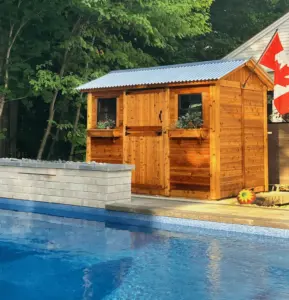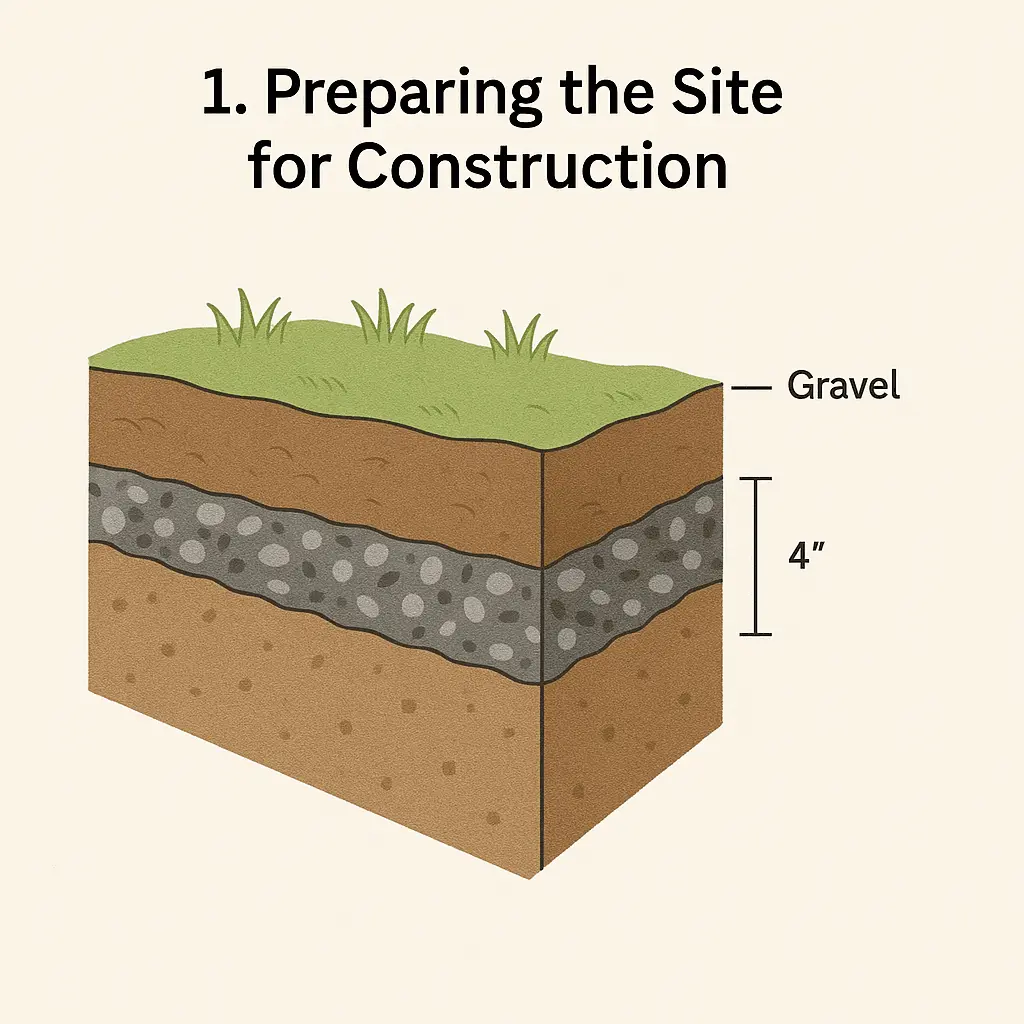
When investing in a backyard shed, the longevity and structural integrity of the structure depend almost entirely on what lies beneath it. Recognizing the common challenges homeowners face when trying to establish a sturdy and level base, Outdoor Living Today has published a comprehensive foundational resource aimed at removing the confusion and guesswork from the preparation process. Designed to assist everyone from seasoned do-it-yourself enthusiasts to first-time builders, the newly highlighted framework outlines essential site preparation alongside three distinct, recommended foundation types tailored to varying yard conditions and project requirements.
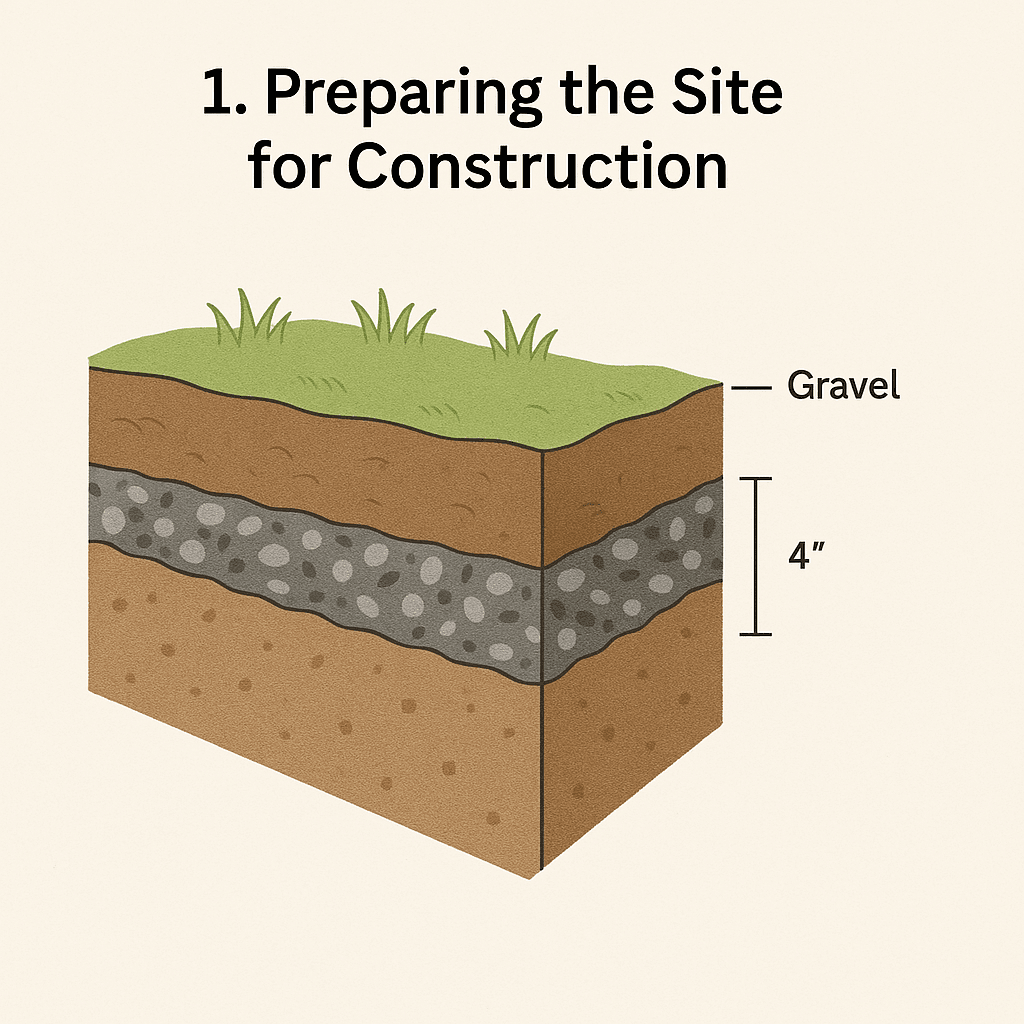
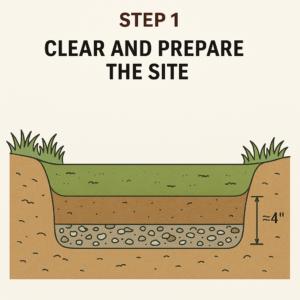
At the core of the newly detailed guidelines is the principle that a solid base prevents shifting, settling, and premature wear over time. Whether a homeowner is preparing for a compact garden tool enclosure or a larger studio kit, the process begins long before the shipping crates arrive at the property. The initial phase emphasizes meticulous site selection and ground preparation, ensuring that the designated area is completely clear of debris, vegetation, and organic matter that could decompose and compromise the ground stability underneath the future structure.
Industry experts emphasize that thorough preparation during the preliminary stages saves significant time and structural headaches later. According to the guidance provided by Outdoor Living Today, utilizing landscape fabric beneath a newly laid gravel bed acts as an effective preventive measure. This material not only suppresses unwanted weed growth from pushing up through the base but also helps stabilize the aggregate material, preventing soil shifting and uneven settling as seasons change and weather patterns fluctuate.
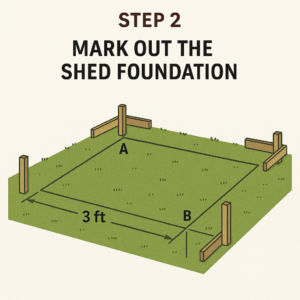
Once the primary site is cleared, the next critical phase involves accurately marking and squaring the perimeter of the planned shed foundation. Getting the corners precisely square is vital for ensuring that the walls of the shed kit fit together smoothly during assembly. For builders concerned about precision, modern technological solutions such as mobile applications and online calculators can assist greatly by computing exact right angles based on the specific dimensions of the chosen shed model. Taking the extra time to measure diagonals and verify that opposite sides are entirely equal ensures that the entire assembly process proceeds without alignment issues.
With the site cleared, leveled, and squared, the decision shifts to selecting the appropriate foundation type for the property and the intended use of the shed. Outdoor Living Today highlights three primary foundation options, each offering distinct advantages depending on budget, skill level, and permanence.
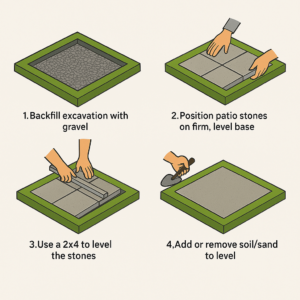
The first option, a patio stone foundation, is widely favored for its accessibility and flexibility. Quick to install and remarkably affordable, a patio stone base provides a stable platform while remaining relatively easy to modify, move, or adjust if ground conditions shift or if the homeowner decides to relocate the structure in the future.
For those seeking an elevated timber approach, the 4-by-4 pressure-treated beam foundation offers a reliable alternative. This method involves constructing a sturdy grid of treated lumber that raises the floor framing slightly off the ground. A key benefit of this configuration is that it leaves open space underneath the structure for natural air circulation, which significantly enhances ventilation and helps prevent moisture retention and wood rot over the lifespan of the shed.
For homeowners prioritizing maximum longevity and resilience against environmental factors, the concrete slab foundation stands out as the most permanent choice. A poured concrete pad offers unbeatable structural durability and exceptional pest resistance, creating an unyielding, completely flat barrier that anchors the building securely against heavy winds and shifting soils.
Choosing the right base is only part of the equation, as individual product designs often feature unique structural requirements. While general best practices apply universally to site preparation and leveling, Outdoor Living Today stresses that builders should always consult the specific product assembly manuals included with their kits. These tailored documents provide model-specific instructions that ensure the foundation aligns perfectly with the engineering specifications of the purchased structure, guaranteeing a secure and enduring addition to any backyard.