NORTH AMERICA — When it comes to erecting a durable, long-lasting outdoor structure, experts agree that everything begins at the ground level. Outdoor Living Today, a prominent provider of backyard shed kits, has emphasized the critical importance of a proper foundation, releasing comprehensive instructions designed to help both seasoned do-it-yourself enthusiasts and first-time builders establish a sturdy, level base without unnecessary confusion or guesswork.
A solid foundation serves as the literal and figurative bedrock of any backyard building project. Without a carefully prepared base, even the highest-quality timber framing can eventually warp, shift, or settle unevenly over time, leading to issues with door alignment, water drainage, and structural integrity. To mitigate these common challenges, the company has outlined a streamlined approach that breaks the preparation process down into manageable phases, ensuring that builders can approach their projects with confidence.
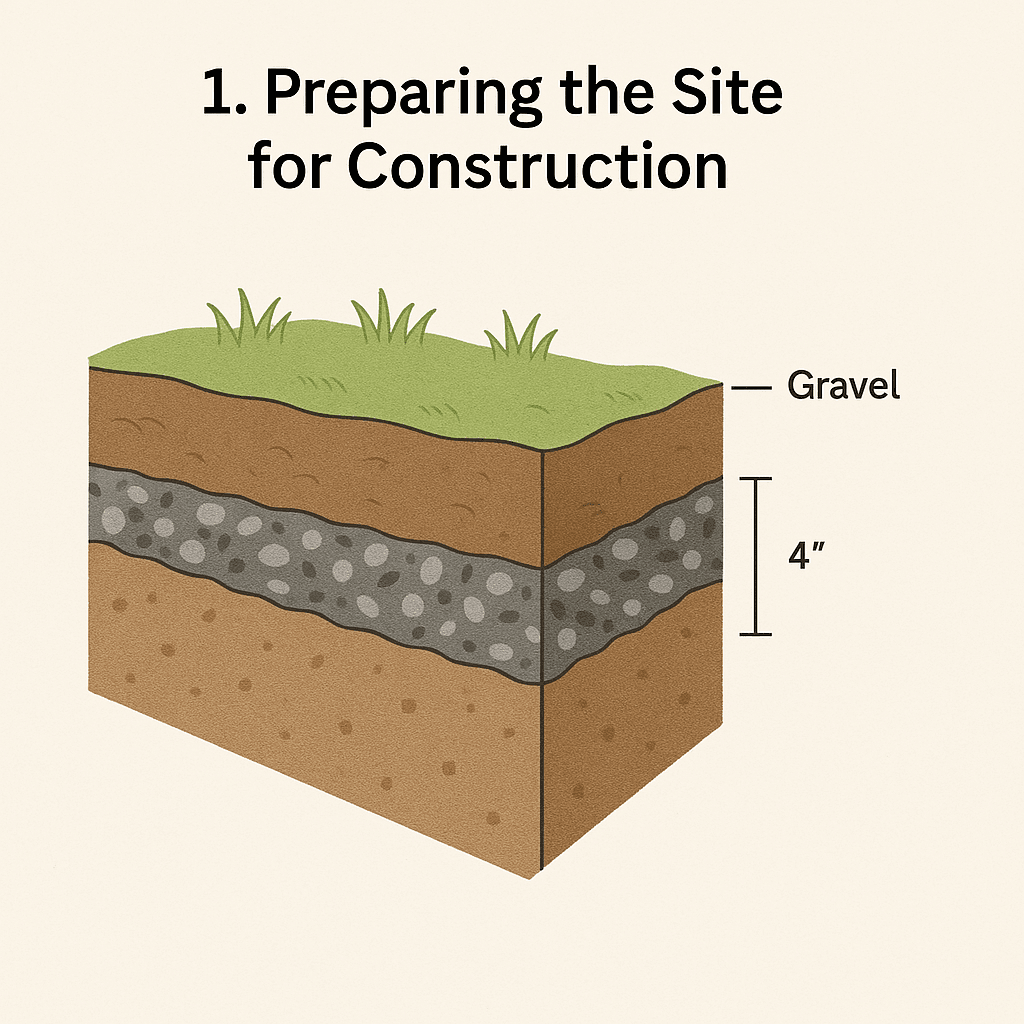
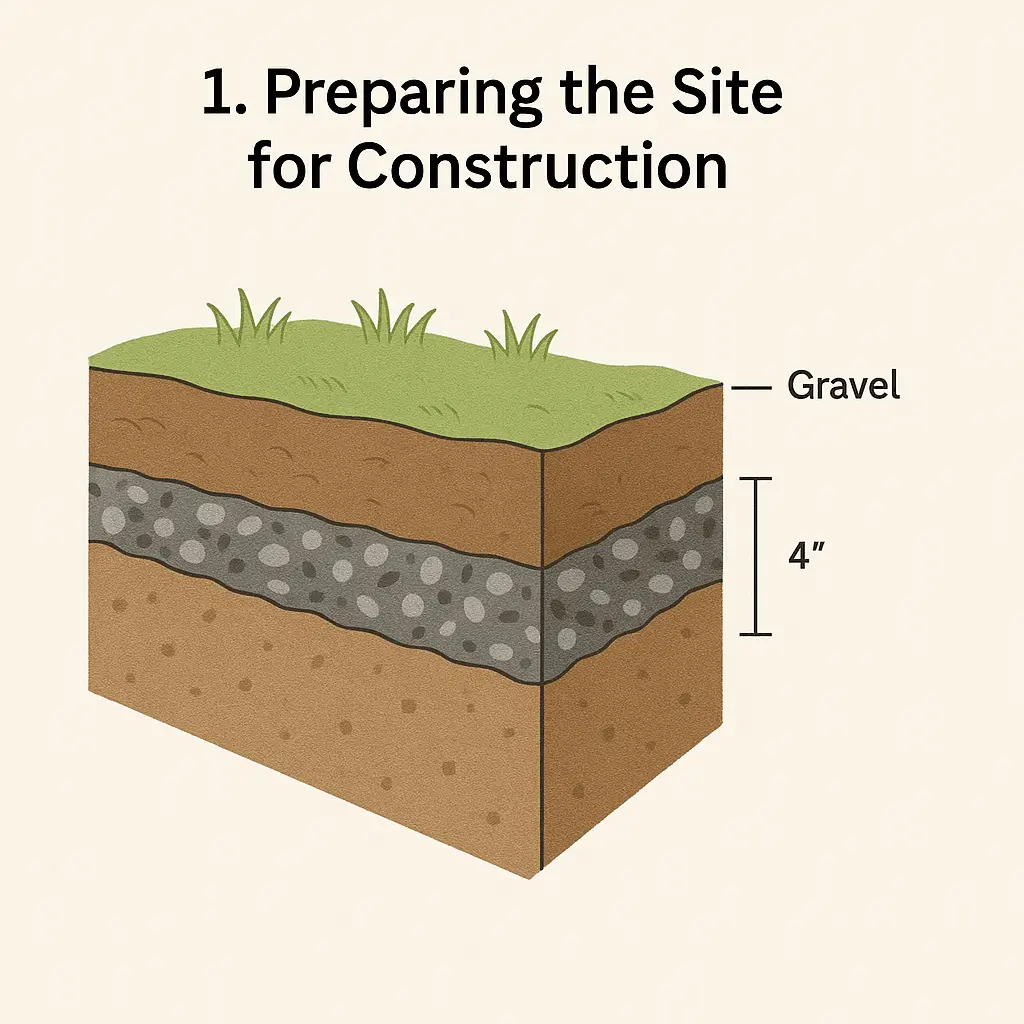
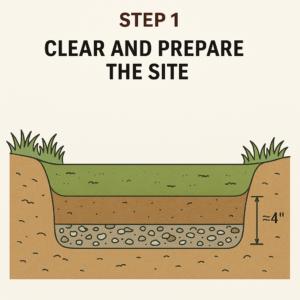
The journey toward a stable outdoor building begins well before the delivery truck arrives with the shed kit. Proper site preparation is universally recognized as the first and most vital operational phase. Builders are advised to thoroughly clear the designated construction area of any debris, rocks, tree roots, and organic topsoil that could decompose and cause the ground to settle later. Once the topsoil is removed, establishing proper drainage is essential. Grading the area so that water naturally flows away from the future structure helps prevent moisture accumulation, wood rot, and soil erosion during heavy rains or snowmelt.
To enhance long-term stability, industry professionals frequently recommend incorporating specialized materials beneath the immediate base. For instance, laying a durable landscape fabric across the excavated earth before adding gravel serves a dual purpose. It acts as an effective barrier against intrusive weed growth while minimizing soil shifting beneath the weight of the structure.
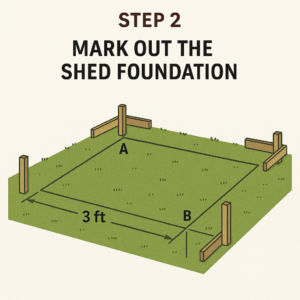
Following site clearance and ground stabilization, the next critical phase involves accurately measuring and marking the precise perimeter of the shed foundation. Ensuring that the layout is perfectly square is paramount; even a minor deviation of a fraction of an inch at the base can become a magnified structural issue by the time the roof is installed. Builders struggling with achieving absolute right angles can take advantage of modern technological aids, as various smartphone applications and online calculators are readily available to assist with squaring based on specific shed dimensions and diagonal measurements.
Once the layout is verified and squared, builders must select the specific type of foundation that best suits their property, budget, and intended use. Outdoor Living Today highlights three primary foundation methodologies commonly utilized for backyard structures: the patio stone foundation, the pressure-treated beam foundation, and the concrete slab foundation.
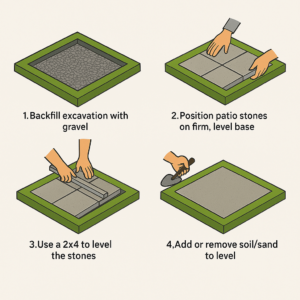
The patio stone foundation is frequently chosen for its simplicity, cost-effectiveness, and adaptability. Consisting of a leveled bed of gravel or crushed stone topped with interlocking patio pavers, this option provides a solid, uniform surface that is relatively quick to install. Furthermore, patio stone bases offer the distinct advantage of being easily modified, moved, or adjusted if ground conditions shift over time.
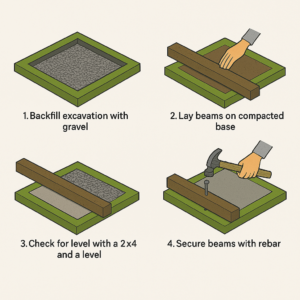
Alternatively, a 4×4 pressure-treated beam foundation offers a classic approach that elevates the structure slightly off the ground. This method involves laying heavy-duty, treated timber skids across a well-drained gravel bed. One of the primary benefits of a beam foundation is the open space it creates underneath the structure, which promotes natural air circulation and ventilation. This continuous airflow is crucial for keeping the underside of the floor joists dry and significantly reducing the risk of premature wood rot.
For property owners seeking the ultimate in permanence and resilience, a concrete slab foundation represents the gold standard. Pouring a reinforced concrete pad delivers unbeatable structural durability, maximum weight capacity, and superior pest resistance, making it an ideal choice for heavier buildings or workshops that will house intensive equipment. While more labor-intensive and permanent than gravel or timber options, a properly poured concrete slab provides a flat, unyielding base that will stand the test of time.
Regardless of the foundation type selected, careful attention must be paid to local climate conditions, soil types, and municipal building codes before breaking ground. While general best practices apply to virtually all outdoor construction projects, individual product designs may feature unique engineering specifications and load distributions.
To ensure optimal results, outdoor building manufacturers continually stress the importance of reviewing specific product literature before initiating construction. Builders are encouraged to consult the detailed product assembly manuals included with their specific kits or available through official manufacturer resources to align their site preparation methods with the exact engineering requirements of their chosen model.