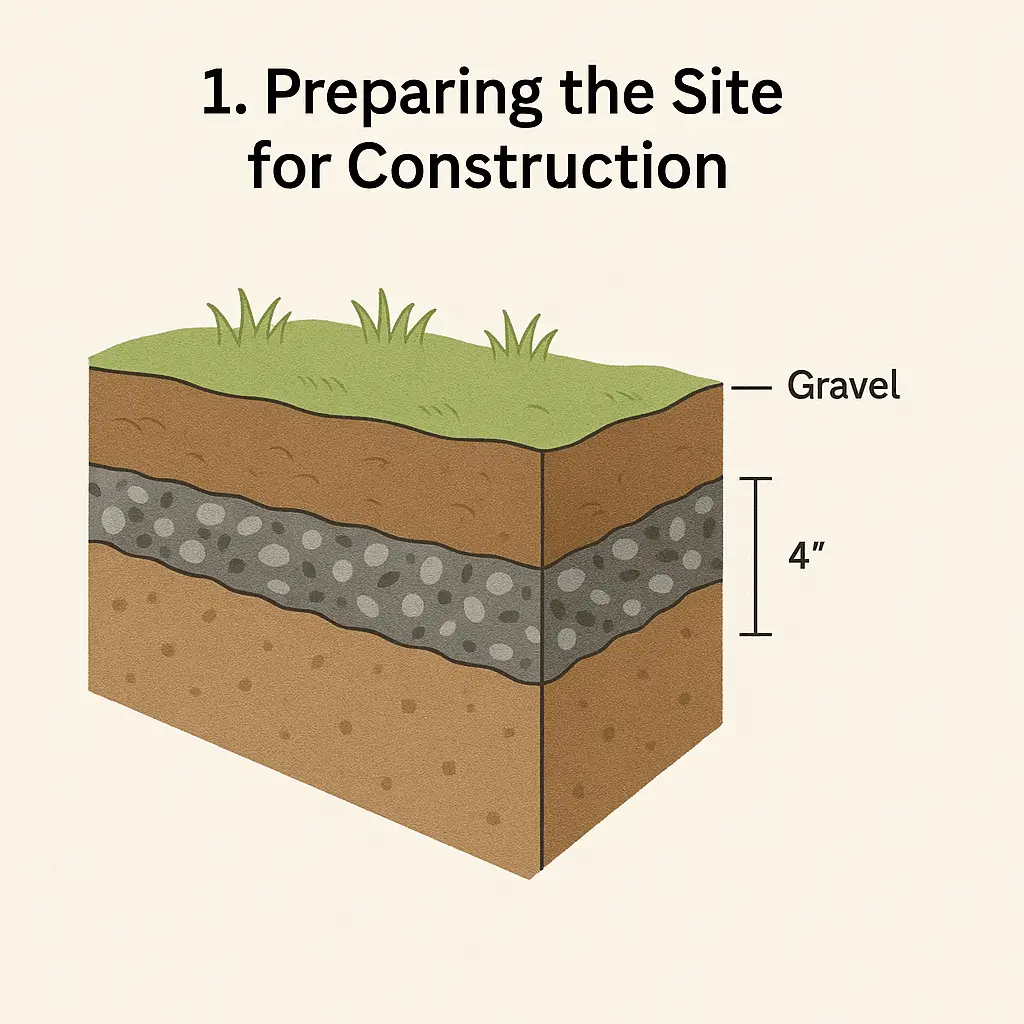
When investing in a backyard shed, the longevity and stability of the structure rely heavily on what lies beneath it. Recognizing the common challenges and confusion homeowners face when preparing a site, Outdoor Living Today has published a comprehensive framework to help both DIY enthusiasts and first-time builders establish a secure, level base without the guesswork.
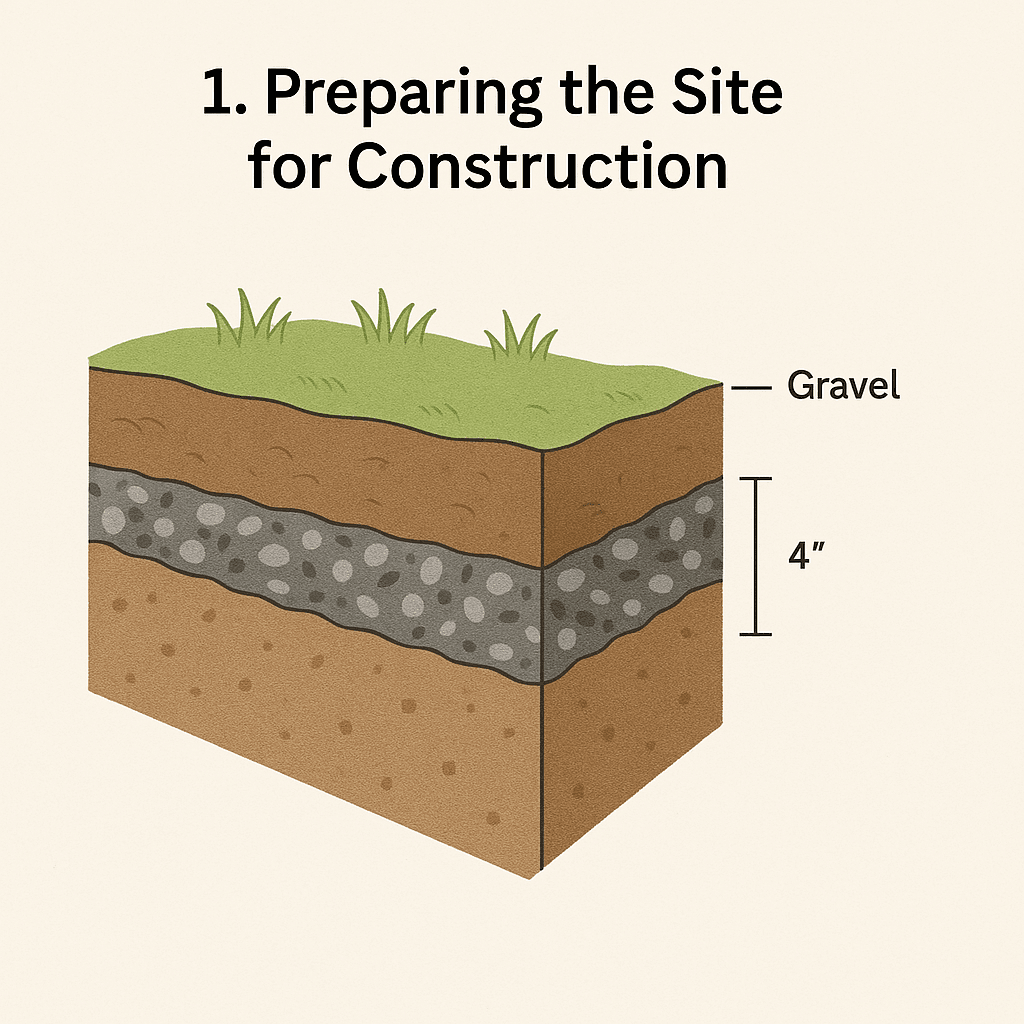
A solid foundation is widely considered by industry professionals to be the single most critical element for ensuring a shed remains durable and weather-resistant over many years. Without a properly prepared base, structures can shift, doors and windows may bind due to settling, and moisture can compromise the framing materials. To mitigate these risks, the outdoor structure provider has detailed a foundational process centered on careful site preparation, precise measurements, and the selection of the most appropriate base material for individual property needs.
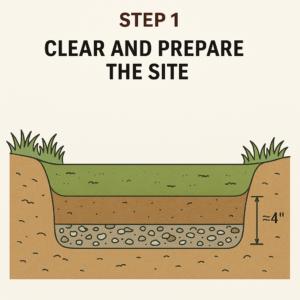
The methodology begins well before any building kit arrives at a property. The initial phase focuses on clearing and preparing the site to create an optimal working environment. Proper preparation involves removing all debris, vegetation, and topsoil from the designated footprint. Professionals emphasize the importance of ensuring the underlying ground is thoroughly compacted and level. As part of industry best practices, builders are advised to lay a sheet of landscape fabric beneath any planned gravel layer. This simple addition serves a dual purpose: it prevents unwanted weed growth from pushing up through the base and minimizes soil shifting over time, preserving the structural integrity of the flat surface above.
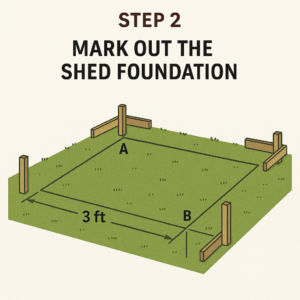
Following site clearance, the next critical phase involves marking out the precise dimensions of the shed foundation. Ensuring that the layout is perfectly square is vital, as any initial angular errors will compound during the subsequent construction of walls and roofs. Builders are encouraged to measure diagonally from corner to corner; when both diagonal measurements are equal, the layout is square. For those seeking additional precision, various digital applications and online calculators are readily available to assist with determining right angles based on specific shed dimensions.
Once the perimeter is accurately marked and squared, builders must determine which foundation type best suits their property, budget, and intended use. Outdoor Living Today highlights three primary foundation options recommended for standard backyard structures.
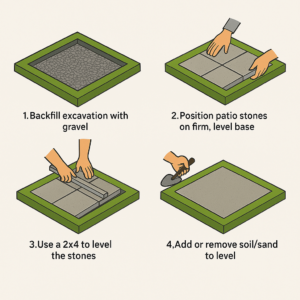
The first option is the patio stone foundation. Known for being relatively quick to install, cost-effective, and flexible, patio stones offer an accessible route for many homeowners. This method involves laying a compacted bed of gravel or sand followed by a flat surface of patio pavers, creating a stable, elevated platform that can also be easily moved or adjusted if necessary.
The second recommended option utilizes four-by-four pressure-treated wooden beams. This approach creates an elevated timber frame that supports the structure while leaving valuable space underneath for natural air circulation. Proper ventilation beneath a shed floor is crucial for preventing trapped moisture and subsequent wood rot, making this a popular choice for yards with moderate drainage challenges or uneven terrain.
The third and most permanent alternative is a concrete slab foundation. Pouring a concrete pad offers unbeatable durability, exceptional weight capacity, and superior resistance to pests and moisture. While more labor-intensive and permanent than gravel or timber skids, a concrete slab provides a completely rigid, flush surface that anchors the building securely against high winds and severe weather events.
Regardless of the foundation type selected, experts stress that individual product designs may carry unique engineering requirements. While general guidelines provide a strong foundation for standard installations, builders are strongly encouraged to consult the specific product assembly manuals included with their kits or provided through official manufacturer documentation to ensure full compatibility with their chosen model.