As winter approaches and households face mounting pressure over household expenses, energy experts and industry organizations are reminding property owners of a proven, highly effective method to curb escalating heating costs: proper loft insulation. With uninsulated or poorly insulated roofs acting as a primary escape route for domestic heat, upgrading an attic space can transform a cold and drafty property into a warm, energy-efficient home while delivering substantial financial relief.
According to data from the Energy Saving Trust, installing the recommended depth of loft insulation can save households up to £590 per year on their energy bills. This significant financial saving is calculated based on the difference in thermal efficiency between a completely uninsulated roof space and one equipped with the modern standard depth of insulation, typically ranging between 250mm and 270mm. For older properties or homes constructed with inadequate thermal barriers, tackling the loft space represents one of the most impactful home improvement projects available ahead of the colder months.
Understanding Loft Insulation and Heat Loss
To understand why loft insulation is so critical, it helps to examine the basic physics of domestic heat loss. Warm air naturally rises, filling living spaces before making its way upward into the highest points of a building. In a poorly insulated home, this warm air easily passes through the ceiling plasterboard and escapes out through the roof structure into the atmosphere. This continuous loss forces heating systems to work harder and run longer, driving up energy consumption and carbon footprints alike.
Installing insulation in the attic creates a thermal blanket that traps rising heat inside the living quarters. While the concept applies to all residential properties, older homes and buildings with aging or degraded materials suffer disproportionately from thermal leakage. By upgrading these spaces, homeowners not only protect their families from chilly nights and uncomfortable draughts but also contribute to broader environmental sustainability goals by reducing overall domestic energy consumption.
Exploring the Different Types of Loft Insulation
Property owners looking to upgrade their roof space will find several distinct material options on the market, each suited to different architectural layouts, personal preferences, and budget constraints. Navigating these choices is an essential first step in planning a successful installation.

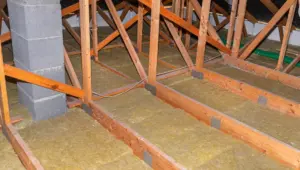
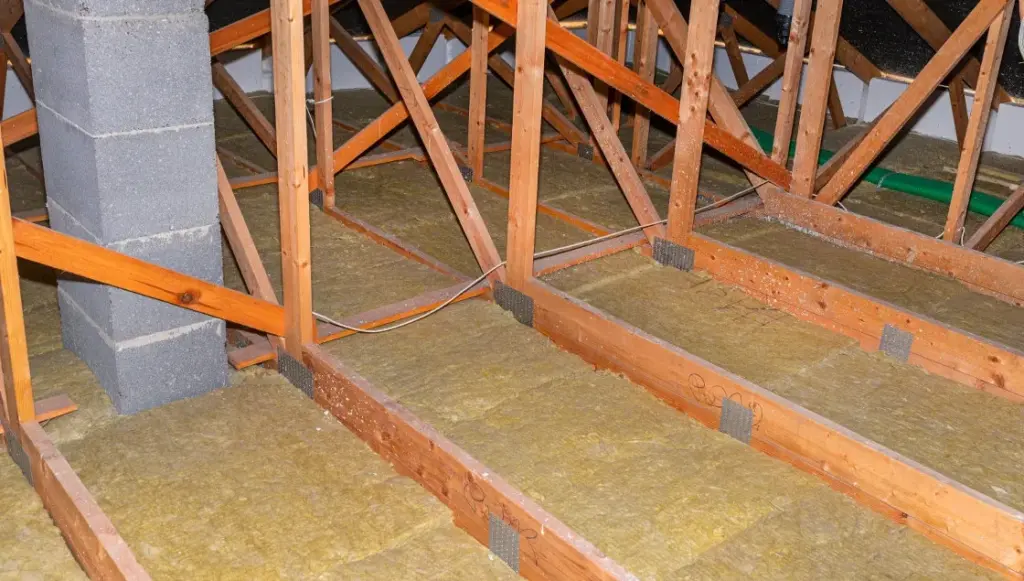
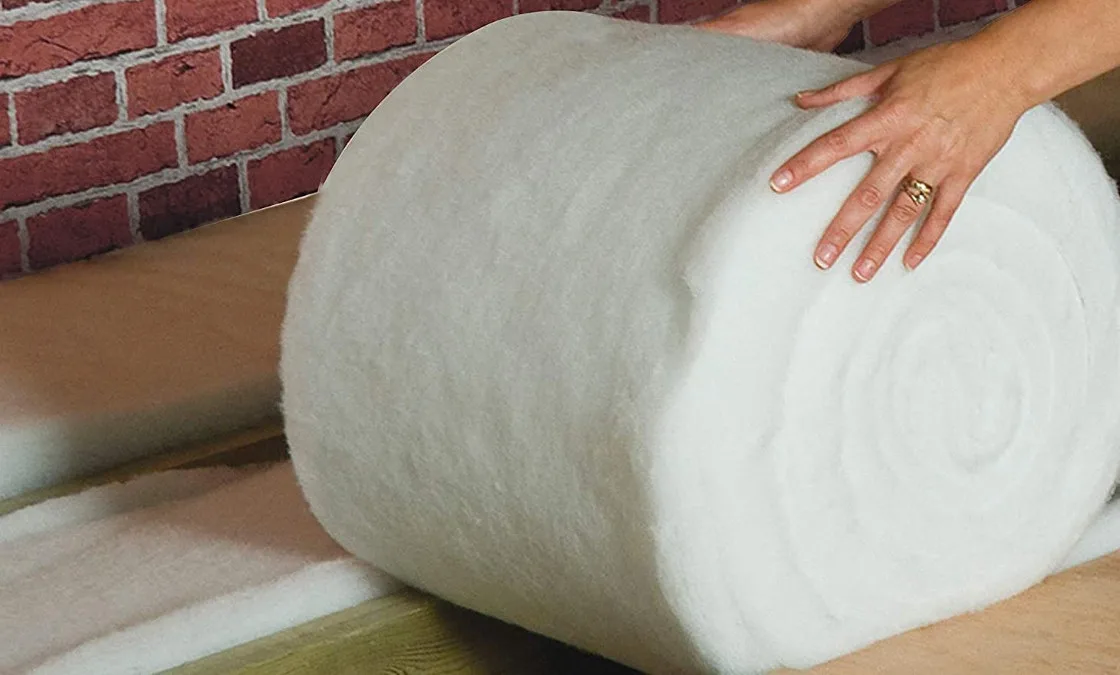
Blanket loft insulation remains the most common and widely utilized solution across the housing sector. Supplied in flexible rolls designed to fit standard joist gaps, blanket material offers an affordable and straightforward installation process. It is manufactured in various widths, thicknesses, and material compositions, including options made from recycled and natural fibers.
For homeowners seeking a more premium approach, recycled or natural blanket insulation provides an appealing alternative. While these specialty products generally carry a higher price tag, they offer superior thermal performance within a thinner profile. Furthermore, they are notably more comfortable to handle during installation, lacking the traditional fibers of standard glass wool that often cause skin irritation and sneezing.
Loose-fill insulation serves as another viable alternative, proving particularly useful for attic spaces characterized by awkward shapes, low headroom, or restricted access points. Because the material is packaged in smaller, easily manageable bags rather than bulky rolls, it is simpler to transport through tight loft hatches. Loose-fill products are available in conventional formulas as well as eco-friendly variants produced from recycled paper.
Finally, slab or rigid-board insulation offers a denser alternative to traditional blanket rolls. Available in large, rigid panels designed to fit securely between joists, these products can be purchased in extra high-density variants that provide secondary benefits in sound insulation. Like other materials, proper protective gear is recommended when cutting and fitting rigid boards.
Assessing and Measuring the Loft Space
Before purchasing materials or commencing any work, careful measurement of the loft space is vital to ensure accurate material estimates. Homeowners must determine the total square footage by measuring the length and width of the attic floor and multiplying the two dimensions together.
Equally important is measuring the depth of any existing insulation currently in place. Because modern guidelines recommend a total depth of 250mm to 270mm, many properties require additional layers to meet contemporary standards. Assessing the condition of the ceiling plasterboard is also critical, as older properties may require the installation of a protective vapour barrier to prevent moisture accumulation before new material is laid.
Addressing Installation Challenges and Common Issues
While upgrading an attic space yields immediate comfort and financial benefits, property owners must remain vigilant against potential complications that can arise from improper installation. Condensation buildup is among the most frequent issues encountered in newly insulated roofs. When warm air from the home meets cold roof timbers, moisture can condense if the loft space lacks adequate ventilation. To counteract this, installers must ensure proper airflow is maintained, either through dedicated roof vents or by leaving a small, unblocked margin between the insulation layer and the eaves.
Draughts represent another common hurdle, typically caused by gaps left between sections of insulation or around awkward fixtures such as recessed lighting and electrical wiring. Sealing gaps with appropriate foam sheeting and carefully routing electrical cables above the insulation blanket rather than compressing them underneath prevents both cold air infiltration and dangerous overheating of electrical components.
Long-Term Maintenance and Financial Returns
Maintaining the effectiveness of loft insulation requires periodic inspection. Homeowners should routinely check their attic spaces for signs of displacement, physical damage, or moisture accumulation, addressing any minor issues promptly to preserve thermal performance. Ensuring that ventilation pathways remain clear of obstructions will safeguard the roof structure against dampness and mold over the long term.
Although the initial investment required for loft insulation varies depending on the chosen material and whether the property owner opts for a professional installation or a DIY approach, the long-term cost benefits make it an exceptionally worthwhile investment. With annual savings reaching up to £590 under optimal conditions, the project pays for itself over a relatively short period, providing enduring comfort, reduced carbon emissions, and vital financial protection against volatile energy markets.