The viability of painting over wallpaper begins with a thorough structural assessment of the walls. Before picking up a roller or a tin of paint, decorators must inspect the integrity of the paper currently adorning the room. Ideally, the surface should be in sound condition, completely free of significant rips, tears, or extensive damage. If the wallpaper is severely compromised, riddled with holes, or showing signs of heavy wear, attempting to paint over it is rarely recommended. In such cases, the underlying issues will inevitably telegraph through the fresh coats of paint, undermining the aesthetic goals of the project and often forcing a complete redo that involves stripping the paper after all.
One of the most critical warning signs to watch for during the initial inspection is widespread peeling. Even if the paper is not physically torn, sections lifting away from the wall suggest that the original adhesive paste is failing. This failure can stem from several factors, ranging from the use of low-quality paste during the initial installation to lingering moisture or dampness within the room’s walls. Painting over lifting wallpaper is strongly discouraged because the moisture and weight of the new paint coats will almost certainly accelerate the deterioration, causing the old paper to bubble and detach entirely from the substrate.
Nevertheless, minor localized imperfections do not necessarily spell doom for the project. If peeling is restricted to a single, isolated area, it is often possible to salvage the situation by carefully re-securing the loose edges with fresh wallpaper paste. When undertaking this minor repair, diligence is required to smooth out any trapped air pockets that could create uneven surfaces later. Furthermore, decorators must exercise patience, allowing the newly pasted sections to dry completely before taking any further steps toward applying primer or paint.
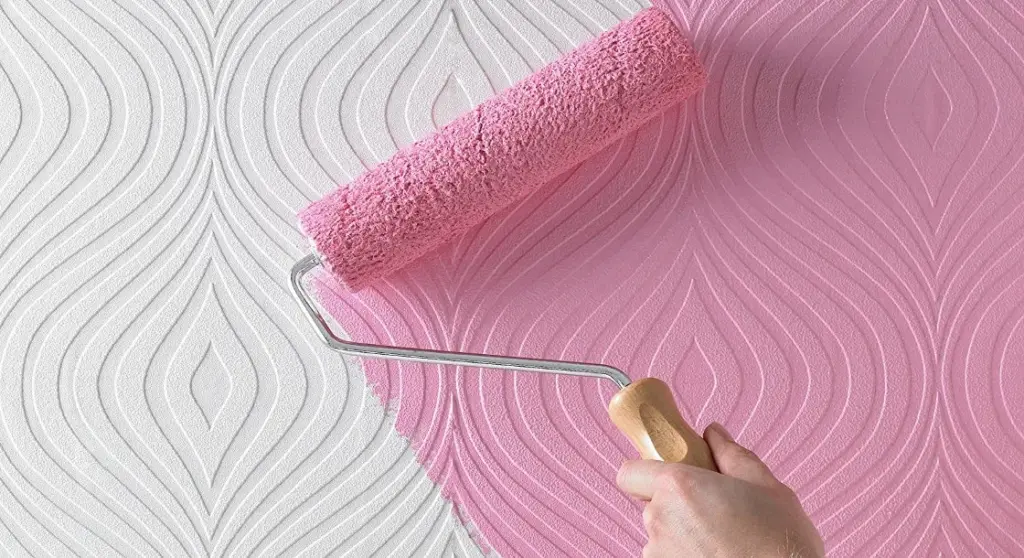
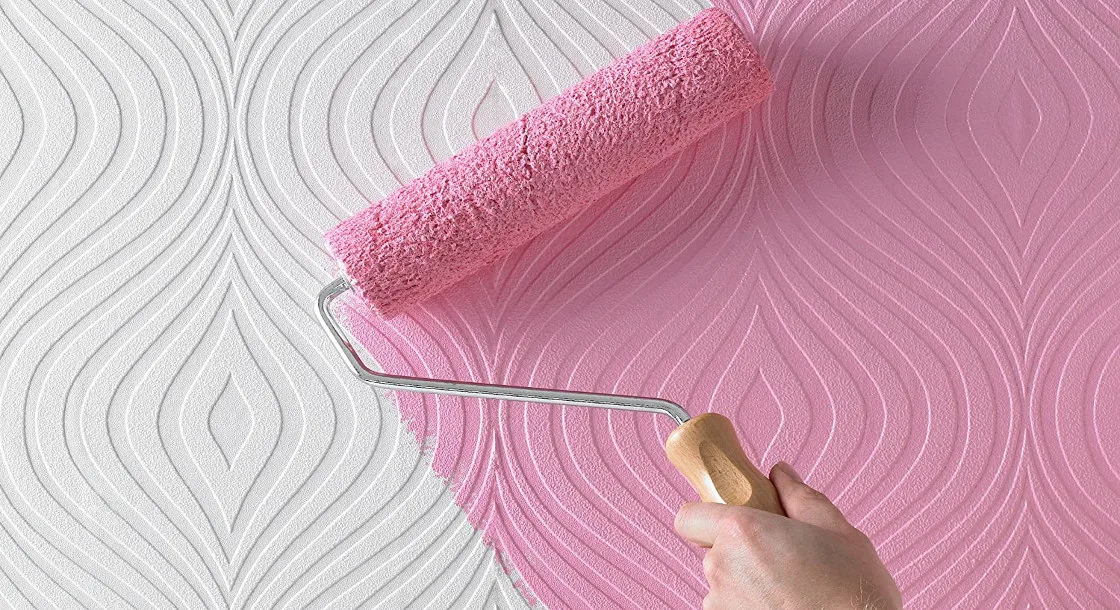
Regarding the type of paper, flat and plain surfaces offer the smoothest canvas and are naturally the most suitable for painting. Textured or heavily patterned wallpapers can still be painted over, but homeowners must accept that the underlying texture, embossing, or pattern relief will remain visible beneath the new color scheme. For those who appreciate a tactile, dimensional wall finish, this can actually add character to the room, provided the chosen paint color complements the existing contours of the paper.
Once the wallpaper has passed the initial inspection and any minor adhesive repairs have fully cured, preparation for painting can begin. Assuming the paper is clean and securely fastened to the walls, the preparatory phase is relatively straightforward compared to traditional wall stripping. Protecting adjacent surfaces, trim, and fixtures with quality decorator’s masking tape ensures clean lines and prevents accidental splatters, setting the stage for a professional-looking finish.

Even when dealing with light-colored or unpatterned wallpaper, skipping the priming stage is a risk that professionals advise against. Applying at least one coat of primer is essential for achieving a clean, uniform finish and ensuring that the topcoat adheres properly while making the underlying pattern easier to mask. However, the choice of primer is of paramount importance. Water-based primers can easily over-saturate the wallpaper, penetrating the paper layers and potentially dissolving or compromising the underlying paste. To prevent this, experts strongly recommend utilizing a dedicated oil-based primer or a specialized sealing formula designed specifically to prepare wallpaper for painting, as these products lock down the surface without introducing excess water into the wall structure. Applying one to two thorough coats of primer, followed by adequate drying time, creates a stable foundation for the final color selection.
With the priming complete and thoroughly dried, the chosen topcoat paint can be applied to transform the room’s aesthetic. Yet, even with meticulous planning and preparation, minor complications can occasionally arise during the painting process. One common issue involves the appearance of thin gaps between individual strips of wallpaper. While these seams are often invisible or tightly fitted initially, wallpaper can sometimes shrink slightly as it ages or reacts to environmental conditions, leaving faint lines where the underlying wall shows through.
Fortunately, these gaps do not mean the project has failed. If the surrounding wallpaper remains firmly affixed and structurally sound, decorators can use a small amount of filler to bridge and conceal the gaps between the sheets. To achieve a seamless result, this corrective step is best performed after the primer coats have been applied. Once the filler has set completely, it must be carefully sanded down until it is perfectly flush with the level of the surrounding paper. Because any raised filler will stand out prominently once the final paint is rolled over it, taking the time to sand the area smooth is a crucial step in achieving a polished, professional outcome.