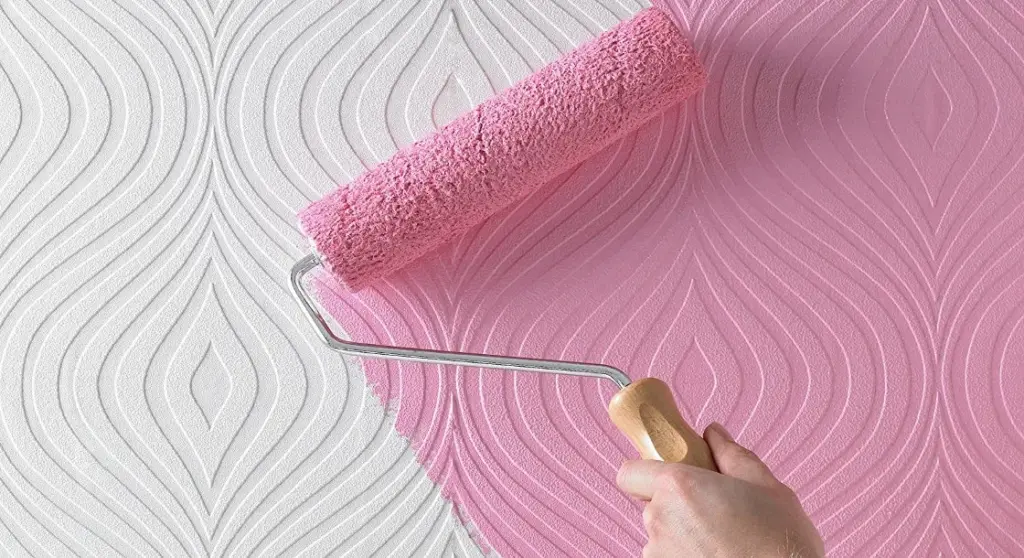
Choosing to paint over wallpaper is a tempting shortcut for many DIY enthusiasts, but experts advise that several critical factors must be checked before a single brushstroke is applied. The primary prerequisite is the overall condition of the underlying paper. If the wallpaper is compromised, torn, or showing significant signs of wear and tear, attempting to paint over it is generally a false economy. In such cases, stripping the paper and painting the bare wall remains the superior and more durable option.
Furthermore, painting over wallpaper that is actively peeling in multiple locations is strongly discouraged, even if the paper itself is not ripped. Widespread peeling indicates that the adhesive strength of the original paste is failing. This failure can stem from the use of low-quality wallpaper paste during the initial installation or from underlying dampness and moisture issues within the room that continue to threaten the integrity of the walls.
However, if peeling is isolated to a small, localized area, homeowners may be able to salvage the situation before moving forward. By carefully re-sticking the loose edge with fresh wallpaper paste, ensuring that no unsightly air bubbles are trapped underneath, and waiting for the patch to dry completely, the surface can often be stabilized for painting. Regarding the type of paper, plain and flat wallpaper provides the most suitable canvas for a smooth coat of paint. Textured and patterned papers can also be painted over successfully, provided the homeowner is comfortable with the underlying texture remaining visible through the new color.
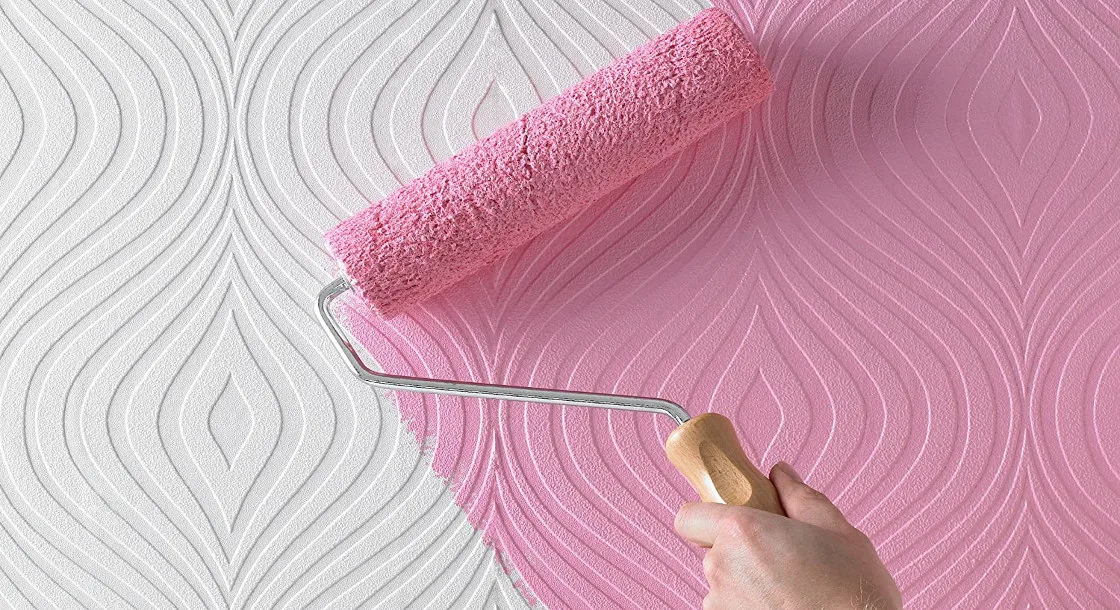
Assuming the wallpaper passes initial inspections and remains in sound condition, the preparatory phase before painting is relatively straightforward. The room must be properly cleared, and sensitive areas should be protected to ensure a clean workflow. Once the surrounding space is organized and ready, attention shifts directly to priming the walls.
Even when dealing with light-coloured or unpatterned wallpaper, applying at least one coat of primer is strongly recommended by professionals. Priming ensures a uniform, clean finish when the topcoat is finally applied and makes the underlying pattern or color much easier to conceal.
A crucial technical consideration during this phase involves the choice of primer. Water-based primers can penetrate too deeply into the wallpaper, potentially rewetting the old adhesive and undermining the bond that holds the paper to the wall. To avoid this risk, professionals consistently recommend using an oil-based primer or a specialized all-in-one primer and sealer when painting over wallpaper. Applying at least one coat—though two coats are ideal—creates a stable barrier and must be allowed to dry completely before any topcoat is introduced.
With the priming stage successfully completed, homeowners can select their desired topcoat paint color and begin transforming the space. When planned and executed with proper preparation, painting over wallpaper is entirely achievable without major complications. Nevertheless, certain issues can occasionally arise during or after the process, though most can be managed or resolved with modest remedial work.

One common issue involves gaps appearing between individual strips of wallpaper. When wallpaper is originally installed, it can sometimes shrink slightly as the paste dries, leaving thin gaps between the seams. While this is not an insurmountable obstacle for a painting project, it must be addressed to ensure a polished final appearance.
Assuming the wallpaper remains firmly affixed to the wall on either side of the gap, a standard wall filler can be used to bridge the opening. The most effective approach is to perform this filling process after the primer coats have been applied. Once the filler has set, it must be carefully and meticulously sanded down until it is completely flush with the surrounding paper surface. Because any raised filler will stand out prominently once painted over, taking the necessary time to sand the area smooth is essential for a professional-looking finish.






