Before committing to a paint-over approach, property owners must thoroughly inspect the condition of the wallpaper currently on the walls. The fundamental rule for this interior design shortcut is that the underlying paper must be structurally sound, firmly adhered, and entirely free from major rips, tears, or extensive damage. If the wallpaper is in poor condition, attempting to paint over it is rarely successful, and stripping the paper to paint the bare wall remains the recommended course of action.
Furthermore, painting over wallpaper that is peeling in multiple locations is strongly discouraged, even if the paper itself is not torn. Widespread peeling typically indicates that the adhesive paste behind the paper is failing. This failure can stem from using low-quality paste during the original installation or from underlying dampness and moisture issues within the room. While localized peeling confined to a single, small area can sometimes be carefully repaired using fresh wallpaper paste—provided the user avoids air bubbles and allows the repair to dry fully before painting—widespread failure means the entire wall covering must be removed.
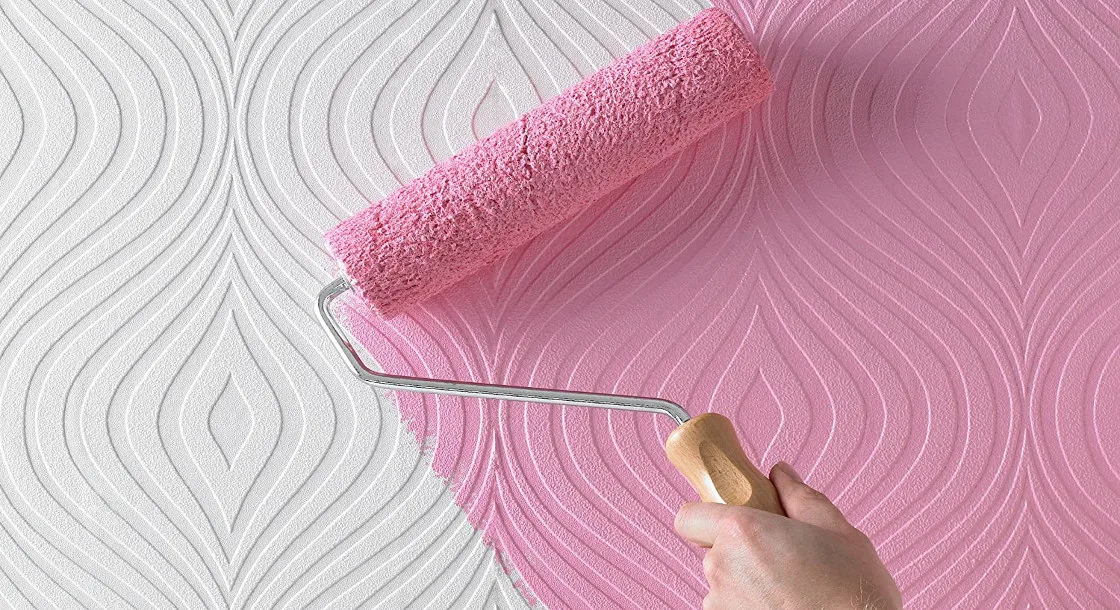
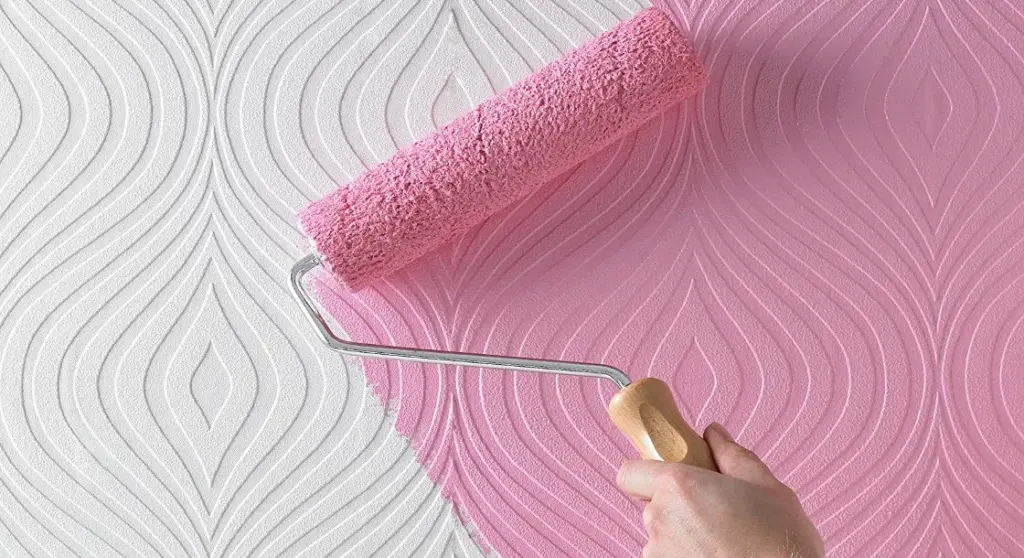
When it comes to the type of paper, plain and flat wallpaper serves as the most suitable canvas for a fresh coat of paint. However, textured and patterned papers can also be painted over, provided the homeowner is comfortable with the underlying texture remaining visible through the new paint layers.
Once the condition of the wallpaper has been verified as sound, the preparation phase for painting can begin. Even when wallpaper appears clean, flat, and light-colored, professionals strongly recommend applying at least one coat of primer before introducing the topcoat color. Primer plays a crucial role in ensuring a clean, uniform finish and makes the underlying patterns and colors much easier to cover completely.
A critical technical consideration during this phase involves the choice of primer. Water-based primers can easily soak too deeply into the wallpaper, reactivating or weakening the underlying paste and causing the paper to bubble or lift from the wall. To prevent this, professionals advise using an oil-based primer or specialized sealing products specifically designed to prepare wallpaper for painting, such as all-in-one primer and sealer formulations that create a stable barrier. Applying at least one, and ideally two, coats of this protective primer—allowing each to dry completely—sets the foundation for a successful topcoat application.

After the primer has fully cured, homeowners can select their preferred topcoat paint color and begin the process of transforming the room. While proper planning and meticulous preparation usually yield smooth results, certain complications can still arise during or after the painting process. Fortunately, most of these issues can be successfully resolved with a little extra attention and corrective work.
One common issue involves the appearance of gaps between individual strips of wallpaper. While correctly installed wallpaper should fit seamlessly together, the paper can occasionally shrink slightly as it dries after being pasted, leaving thin gaps between the sheets. While this is not an insurmountable problem for a painting project, it must be addressed before the final finish is ruined.
Assuming the wallpaper is otherwise secure and firmly affixed to the wall, decorators can use a small amount of wall filler to bridge and hide the gaps between the sheets. This corrective step is best performed after the primer coats have been applied. Once the filler has set, it must be meticulously sanded back until it is perfectly level with the surrounding paper. Because any raised filler will stand out prominently once painted over, taking the time to achieve a smooth, flush surface is essential for a polished end result.