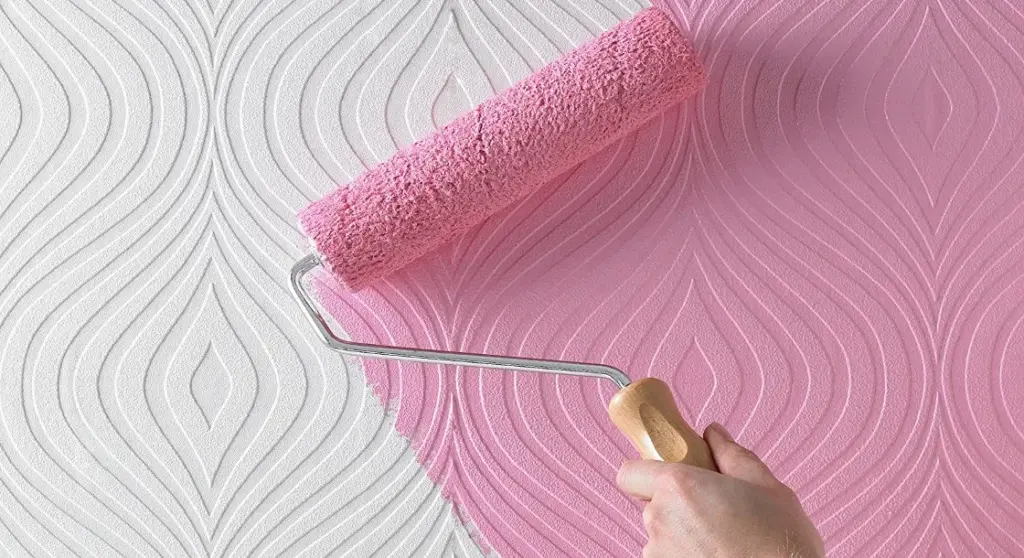
The debate over painting over wallpaper usually centers on convenience. Stripping old wall coverings can uncover damaged plaster, uneven surfaces, and stubborn adhesive residue that demand extensive repair work before a fresh coat of paint can be applied. Opting to paint over the paper bypasses these messy steps, but only if the foundational layer is up to the task. Before committing to the project, property owners must thoroughly inspect the walls to ensure the wallpaper is securely attached and free from structural flaws.
The primary requirement for a successful paint job over wallpaper is the overall condition of the paper itself. If the wallpaper is compromised, torn, or showing widespread damage, attempting to paint over it is rarely a viable option. In cases where the wallpaper is peeling in multiple places, it usually signals that the underlying paste has failed. This failure can stem from using low-quality adhesive during the original installation or from persistent moisture and dampness within the room. Painting over failing wallpaper will only accelerate the detachment process, as the added weight of the wet paint and topcoat will cause the paper to bubble and pull away from the wall entirely.
Minor localized damage, however, does not necessarily mean the entire room must be stripped. If peeling is restricted to a small, isolated area, it is often possible to remedy the issue by re-securing the loose edges with fresh wallpaper paste. When performing this quick fix, care must be taken to smooth out any air bubbles and allow the adhesive to dry completely before any paint touches the surface.
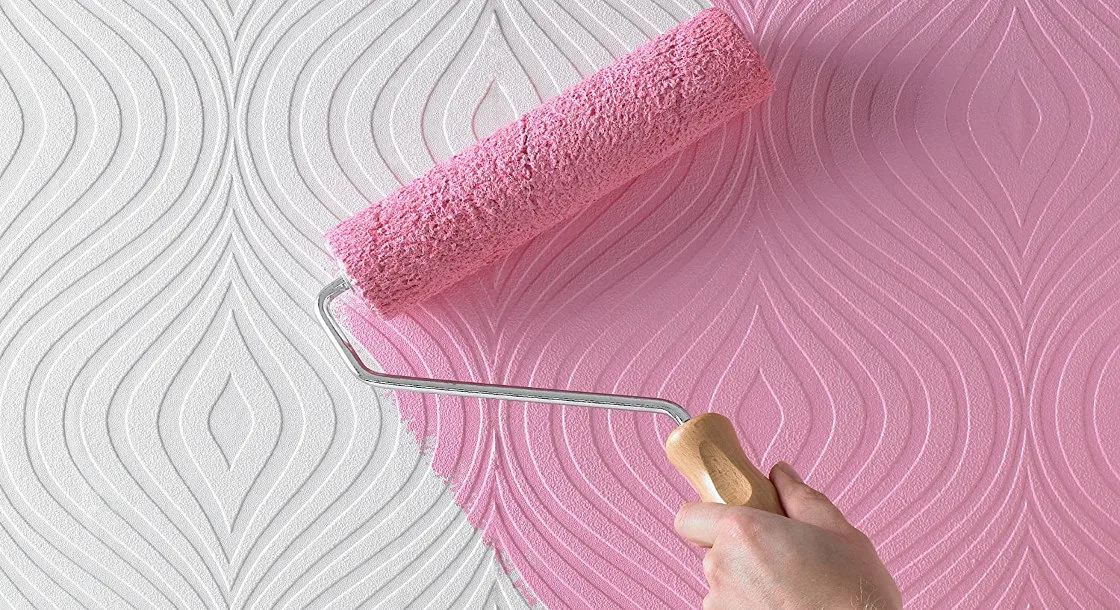
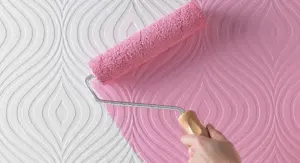
Regarding the style of the wall covering, flat and plain wallpaper offers the smoothest canvas for a new coat of paint. Textured or heavily patterned papers can still be painted over, but homeowners must accept that the underlying texture or embossed design will remain visible beneath the new color. For those who do not mind a textured finish, this approach can add a unique dimension to the room.
Assuming the wallpaper passes the initial inspection and remains in sound condition, the preparation phase is relatively straightforward compared to traditional wall stripping. The room must first be cleared and properly protected using decorator’s masking tape along skirting boards, door frames, and light switches to ensure crisp, clean lines.
Even when dealing with light-coloured or unpatterned wallpaper, applying a dedicated primer before the main color is strongly recommended. Priming seals the surface, ensures a uniform finish, and makes it much easier for the topcoat to cover any lingering patterns or discoloration. However, choosing the right type of primer is critical. Water-based primers can easily soak through the wallpaper and re-activate the old paste beneath, leading to bubbling and lifting. To prevent this, professionals generally advise using an oil-based primer or a specialized sealing primer designed to handle wallpapered surfaces safely. Applying one or two thorough coats of primer, followed by adequate drying time, sets the stage for a lasting finish.
Once the primer has cured completely, homeowners can proceed with applying their chosen topcoat color. While the process is generally straightforward, professionals warn that certain complications can still arise down the line if the wallpaper undergoes environmental changes.

One of the most common issues encountered when painting over wallpaper involves gaps opening up between individual strips. As wallpaper dries and ages after installation, it can occasionally shrink slightly, leaving thin vertical seams exposed. While these small gaps do not ruin the project entirely, they must be addressed for a professional-looking result.
Assuming the surrounding wallpaper remains firmly affixed to the wall, these gaps can be concealed using a small amount of decorator’s filler. The ideal time to tackle this is after the primer has been applied and allowed to set. Once the filler is completely dry, it must be carefully sanded down so that it sits perfectly flush with the adjacent paper. Any raised edges or uneven spots will be heavily emphasized once the final colored paint is rolled over them, making patience and precision during the sanding process essential to achieving a smooth, flawless finish.