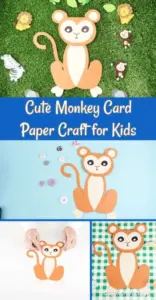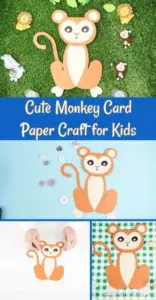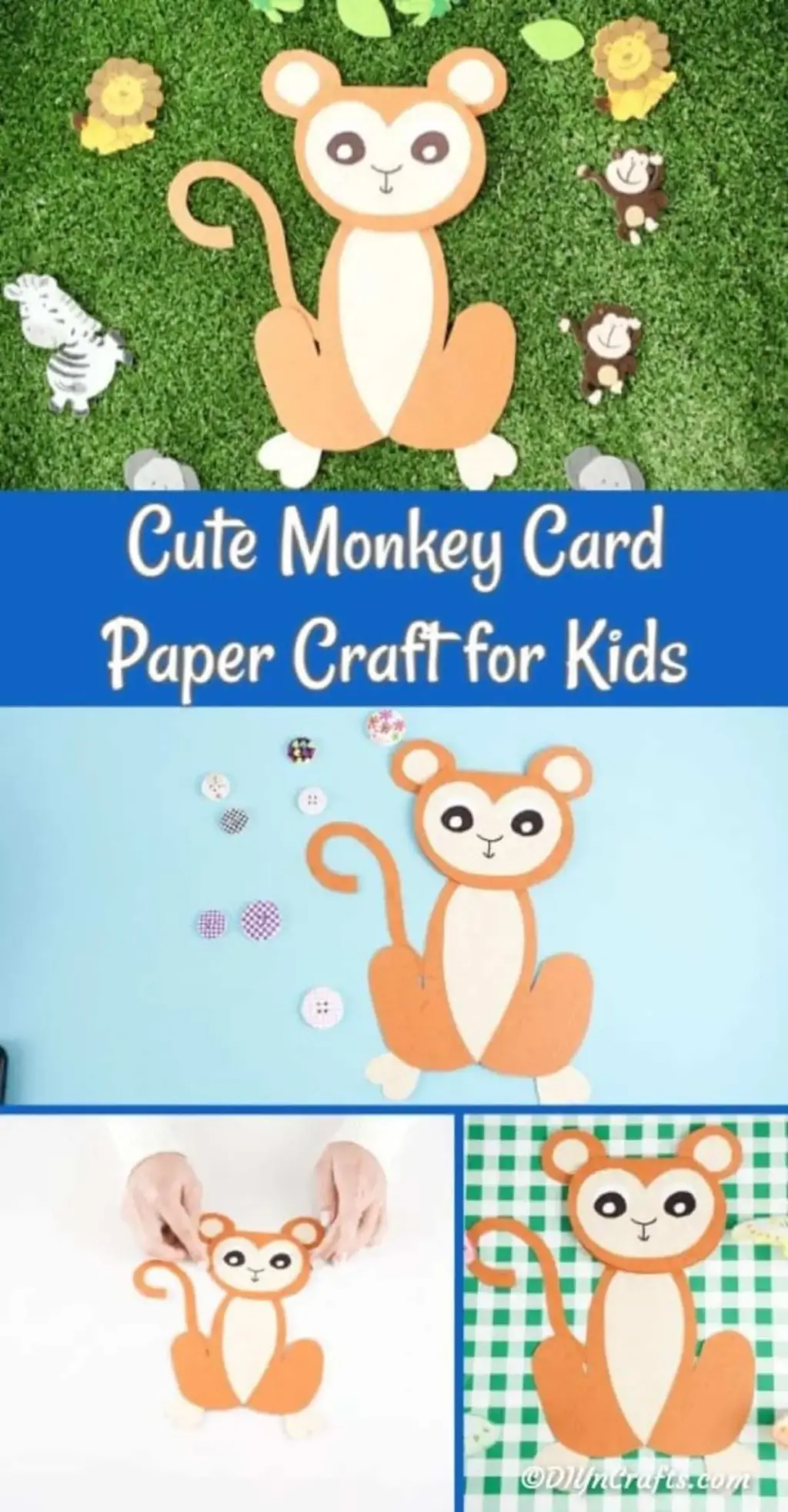
In an era dominated by digital communication, quick text messages, and instant notifications, a growing movement among educators, parents, and craft enthusiasts is placing renewed focus on the timeless art of handmade correspondence. Among the latest initiatives capturing the attention of families is a straightforward paper craft project: a charming, interactive monkey-themed greeting card designed specifically for young children. Requiring little more than basic craft paper, scissors, and glue, the project combines accessible creative play with the lost art of letter-writing, encouraging kids to think thoughtfully about friends and family members.

The monkey card initiative has quickly gained traction as a practical, low-cost activity ideal for birthday celebrations, holidays, or everyday notes of gratitude. For generations, monkeys have remained a perennial favorite among young children, frequently serving as the centerpiece of zoo excursions, bedtime stories, and plush toy collections. Integrating this beloved animal into a hands-on crafting experience provides an engaging avenue for children to express creativity while developing essential social habits. Proponents of the project emphasize that teaching children to craft and send personalized cards for birthdays, seasonal holidays, or as tokens of appreciation following a gift fosters empathy, consideration for others, and a sense of personal connection that electronic messages often fail to deliver.

Choosing the Right Materials for Longevity and Quality
The success of a handmade paper card largely depends on the materials selected during the initial planning stages. Craft experts and experienced parents recommend utilizing heavier substrates such as thick cardstock or durable construction paper rather than standard printer paper. Because the design requires folding, cutting, and structural integrity, sturdier paper ensures the finished creation maintains its shape during handling and transit.

For educators and parents seeking even greater durability, alternative materials offer intriguing possibilities. Utilizing foam paper, for instance, provides enhanced structural strength and longevity, ensuring the keepsake withstands years of handling by proud recipients. Another viable alternative involves using standard copy or construction paper for the initial artwork, followed by lamination using a simple home page laminator. Trimming the edges after lamination creates a moisture-resistant, highly durable card that can be preserved as a lasting keepsake for years to come.

When surplus materials remain from the crafting session, participants are encouraged to explore complementary paper projects. Similar kid-friendly activities, such as upcycled paper roll flowers, charming paper birds, decorative spring paper tulips, or classic paper plate animal crafts, provide seamless extensions for afternoon crafting sessions, maximizing resource efficiency while keeping young minds engaged.

Mailing Handmade Creations Through the Postal Service
A common question among creators embarking on handmade card projects involves the feasibility of traditional mailing through postal services such as the United States Postal Service. Industry standards confirm that custom paper cards can indeed be mailed similarly to commercial greeting cards, provided certain logistical factors are taken into account.

The primary considerations for mailing homemade paper crafts involve overall weight and dimensions. Because embellished cards often incorporate multiple layers of cardstock, decorative cutouts, or laminated surfaces, they may exceed standard letter weight limits or feature non-standard dimensions. To ensure safe delivery without damage, experienced crafters frequently recommend utilizing oversized manila envelopes and affixing appropriate additional postage. Alternatively, those with advanced papercraft skills can construct custom handmade envelopes using decorative scrapbook paper tailored specifically to the dimensions of the finished card.

Essential Supplies and Crafting Methodology
Executing the paper monkey card project requires only a modest collection of standard crafting supplies typically found in classrooms or home art stations. Essential items include colored craft paper in shades like orange and cream, a pair of safety scissors, reliable craft glue or adhesive sticks, and a black marker for detailing facial features.

The creation process begins with a simple paper-folding technique designed to form the base of the card. By folding a piece of orange craft paper approximately one-quarter of the way down before cutting a circular shape through the folded section, crafters produce a double-sided, connected circle that easily opens and closes to reveal the interior message space.

Subsequent steps involve tracing and cutting out matching components to assemble the monkey’s features. Two small, rounded ears are cut from orange paper, accompanied by slightly smaller cream-colored inserts that are glued to the center of each ear. These assembled ears are then attached to the top of the folded circular head structure. A distinct facial shape cut from cream-colored paper is affixed to the front, providing a canvas for hand-drawn eyes, a nose, and a smiling mouth created with a black marker.

To complete the figure, crafters draw and cut out an elongated oval body featuring rounded leg shapes on either side from additional orange paper, accenting the torso with a central cream-colored belly oval. After adhering the body directly beneath the head assembly, a hand-cut tail is attached to the reverse side to finalize the design. The interior of the folding head structure provides ample space for a personalized handwritten message, allowing children to pen their thoughts before sharing the finished piece with friends, family members, or classmates.

Helpful Tips for Precision and Customization
While freehand drawing and cutting offer excellent opportunities for children to practice fine motor skills, crafters seeking precise uniformity or working with very young participants can utilize alternative methods. Utilizing stencils or paper templates simplifies the tracing process for intricate shapes.

For advanced crafters or those looking to streamline production, digital cutting machines such as a Cricut can be integrated using downloadable SVG file templates. These digital tools not only provide precise shape outlines but can also automate the cutting process entirely. Another practical approach involves sourcing simple monkey silhouettes from children’s coloring books, which can be easily cut out and utilized as durable tracing templates on colored paper.

With an active completion time of approximately fifteen minutes per card and an estimated material cost of roughly one dollar, the paper monkey card project offers an accessible, engaging, and meaningful activity that bridges creative play with traditional social etiquette. Whether utilized in a structured classroom setting or during a quiet afternoon at home, the project continues to prove that the most memorable communications often come straight from a child’s hands and heart.