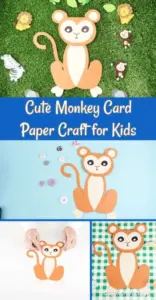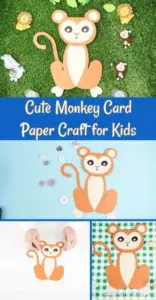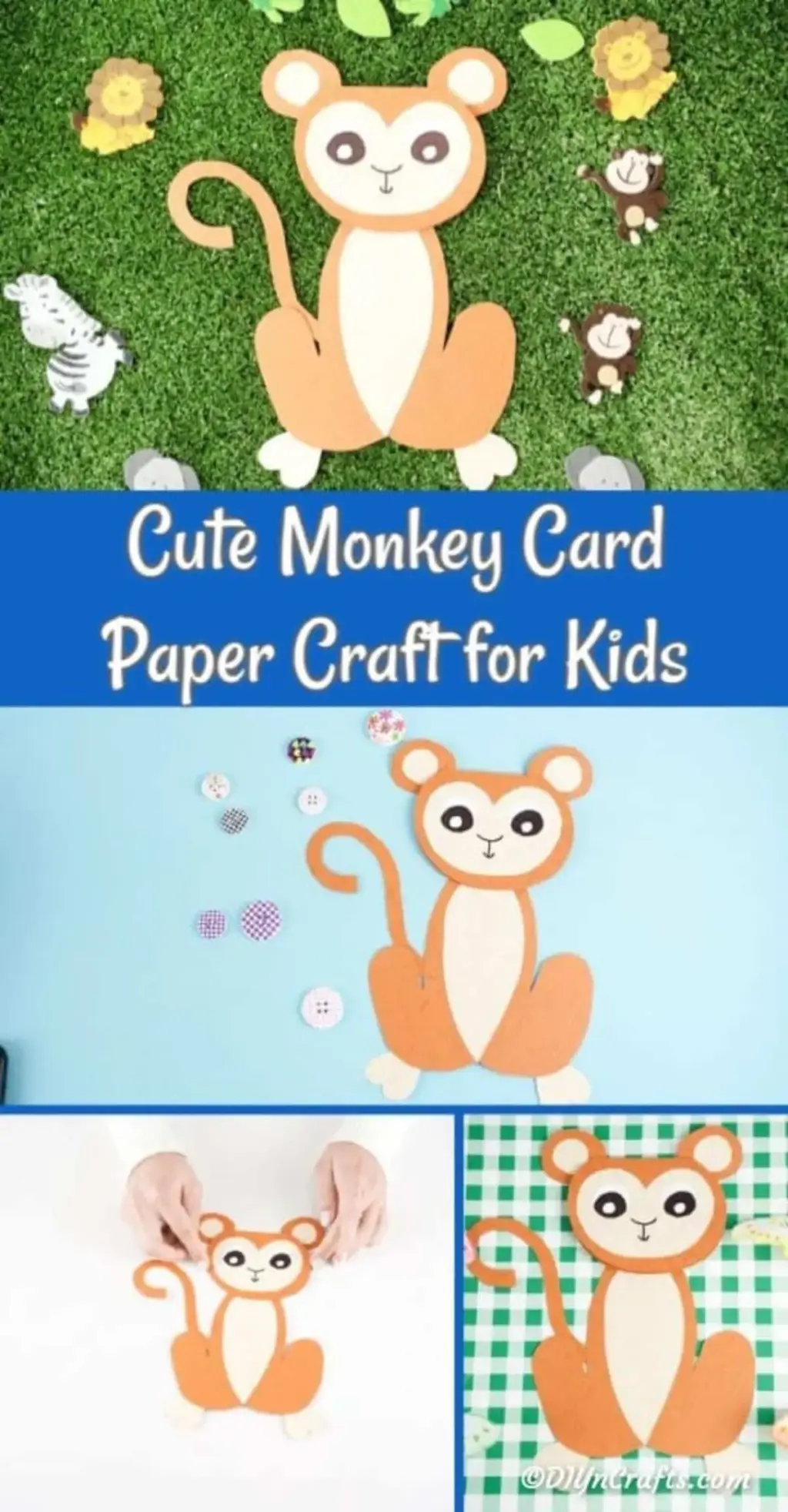
In an era increasingly dominated by digital communication and instant messaging, educators, parents, and craft enthusiasts are championing a return to tangible, handmade correspondence. A new paper craft project making waves in communities focuses on teaching children the art of creating personalized greeting cards, highlighted by a charming, interactive monkey design that combines simple paper-cutting techniques with foundational lessons in thoughtfulness and personal connection.

The initiative emphasizes the timeless value of teaching children to send physical cards for birthdays, major holidays, and as tokens of appreciation when receiving gifts. Advocates for traditional correspondence argue that the process of crafting a card by hand encourages young people to pause, consider the feelings of others, and invest personal effort into their relationships. By utilizing basic crafting materials—namely colored cardstock, scissors, and glue—children can transform flat sheets of paper into expressive, three-dimensional animals that double as functional greeting cards.

Monkeys have long held a universal appeal for young children, frequently serving as a favorite subject during family trips to the local zoo or as beloved companions in the form of stuffed animals. Capitalizing on this widespread fascination, the paper monkey card project integrates familiar themes into an accessible educational and artistic activity. The design features a clever folding technique that creates a double-sided circular head, which opens up to reveal a dedicated space for a handwritten message. Surrounding elements, including meticulously cut ears, a contrasting cream-colored face, an oval body, and a playful tail, allow children to practice essential fine motor skills such as tracing, cutting, and assembling geometric shapes.

Beyond the immediate creative enjoyment, proponents of youth crafting initiatives note that hands-on art projects foster patience, concentration, and a sense of accomplishment. The project requires minimal investment, making it accessible to families, classrooms, and community centers operating on modest budgets. With an estimated material cost of roughly one dollar per project and a completion time of approximately fifteen minutes, the craft offers a practical solution for group activities, rainy-day entertainment, and structured art classes.

What is the Best Paper for Homemade Cards?
Selecting the appropriate medium is a critical consideration for ensuring the longevity and structural integrity of handmade cards. While standard copy paper is suitable for temporary drawings, crafters and educators recommend utilizing thicker materials such as heavy-duty cardstock or construction paper for greeting card projects. Because these items are frequently handled, mailed, or displayed, thicker paper provides the necessary rigidity to withstand wear and tear.

Advanced preservation options have also been explored by community crafters looking to protect children’s artwork for years to come. Utilizing durable foam paper serves as a sturdy alternative that extends the lifespan of the card. Alternatively, standard paper creations can be processed through a personal page laminator and trimmed along the edges, effectively sealing the artwork against moisture, bending, and everyday deterioration. These methods ensure that sentimental items crafted by young children remain intact as cherished keepsakes for family members and recipients.

Can I Mail This Via USPS?
A common practical question among participants involves the logistics of distributing these handmade creations through standard postal services. Postal experts and experienced crafters confirm that unconventional or three-dimensional handmade cards can indeed be mailed through the United States Postal Service, provided certain guidelines are observed.

The primary considerations for mailing paper crafts of this nature involve the overall weight of the finished product and the dimensions of the envelope. Because embellished cards often feature layered paper, adhesive thickness, or added elements like tails and ears, they may require specialized handling or additional postage compared to standard flat letters. To accommodate the unique shapes and prevent damage during transit, many creators opt for oversized manila envelopes or construct custom, reinforced envelopes using decorative scrapbook paper. This approach protects the intricate features of the monkey card while ensuring it arrives safely in the recipient’s mailbox.

As communities continue to seek meaningful ways to bridge generational divides and encourage offline creativity, simple yet engaging projects like the paper monkey card demonstrate the enduring appeal of handmade art. By combining accessible materials with lessons in gratitude and personal expression, parents and educators are helping the next generation discover the unique joy of giving something created entirely by hand.