When clients approach landscape designer Susan Calhoun with requests for a new garden plan, the conversation rarely starts with aesthetic preferences or favorite color palettes. Instead, it begins with a fundamental inquiry that underpins her entire professional practice: what problem needs to be solved?
While every residential property and client presents a unique set of circumstances, Calhoun—the owner and principal designer of Plantswoman Design in Bainbridge Island, Washington—typically initiates the design process by examining the core purpose of the space. Whether a homeowner is managing a blank slate on a newly constructed property, attempting to repair a landscape disrupted by major utility installations like a septic system, or trying to block out the architectural intrusion of a neighbor’s newly built house, garden design is, at its heart, an exercise in problem-solving.

This philosophy of purpose-driven design relies on bridging the gap between human needs and the natural environment. To bring unspoken requirements to light, Calhoun often utilizes a detailed client questionnaire. This preliminary step encourages homeowners to consider logistical, functional, and emotional aspects of their outdoor space that they might not normally evaluate on their own. By prompting clients to think deeply about how they intend to use the property, these conversations help define essential needs and desires, allowing the designer to weave disparate elements into a cohesive, functional master plan.
The ultimate objective of any skilled landscape designer, according to Calhoun, is to identify the right outdoor elements that naturally pull people out of their houses and foster a genuine connection with the natural world. These features vary widely depending on the individual, ranging from functional living spaces like outdoor dining areas, kitchens, hot tubs, and play zones to restorative landscape features such as ponds, fountains, and hidden seating alcoves. Alternatively, a design might be entirely plant-driven, focusing on productive vegetable plots, dedicated cutting gardens, or specialized conifer collections. When these individual features are thoughtfully integrated with immersive, naturalistic plantings, the resulting outdoor space invites year-round engagement.
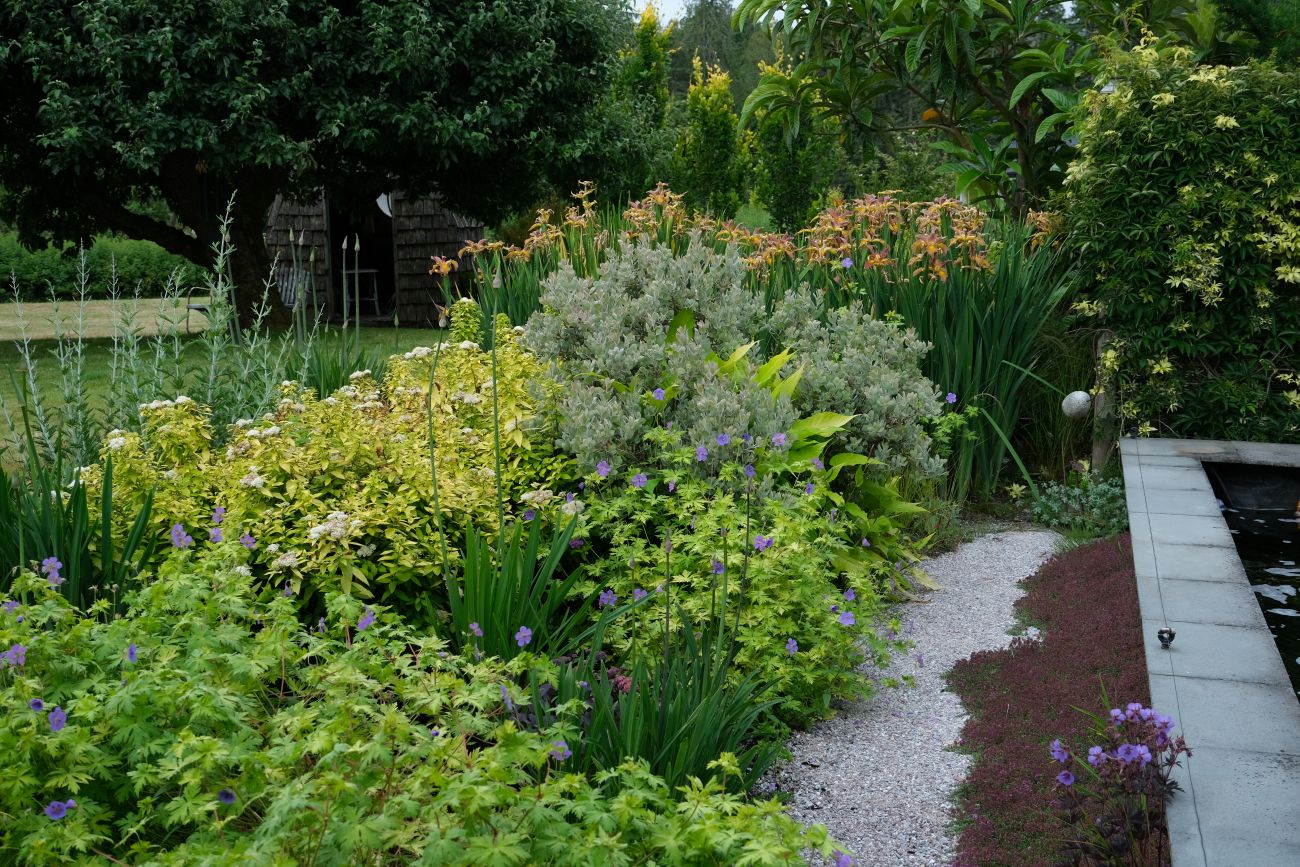
This thoughtful approach to identifying and addressing specific environmental and spatial challenges is just as critical when designers turn their attention to their own properties. Calhoun applies the exact same analytical framework to her personal gardens, bypassing a formal written questionnaire in favor of a rigorous self-assessment. This internal review begins with evaluating existing site challenges, the specific location of the plot in relation to the rest of the property, and the microclimatic conditions that will ultimately dictate which plant species can survive and flourish.
Identifying Garden Challenges and Creating Natural Screens
In newly established landscapes, one of the most common and pressing demands from homeowners is adequate screening. Most people desire a sufficient degree of privacy so they can enjoy their outdoor living spaces without feeling exposed to neighboring properties, busy roads, commercial developments, or vacant lots.
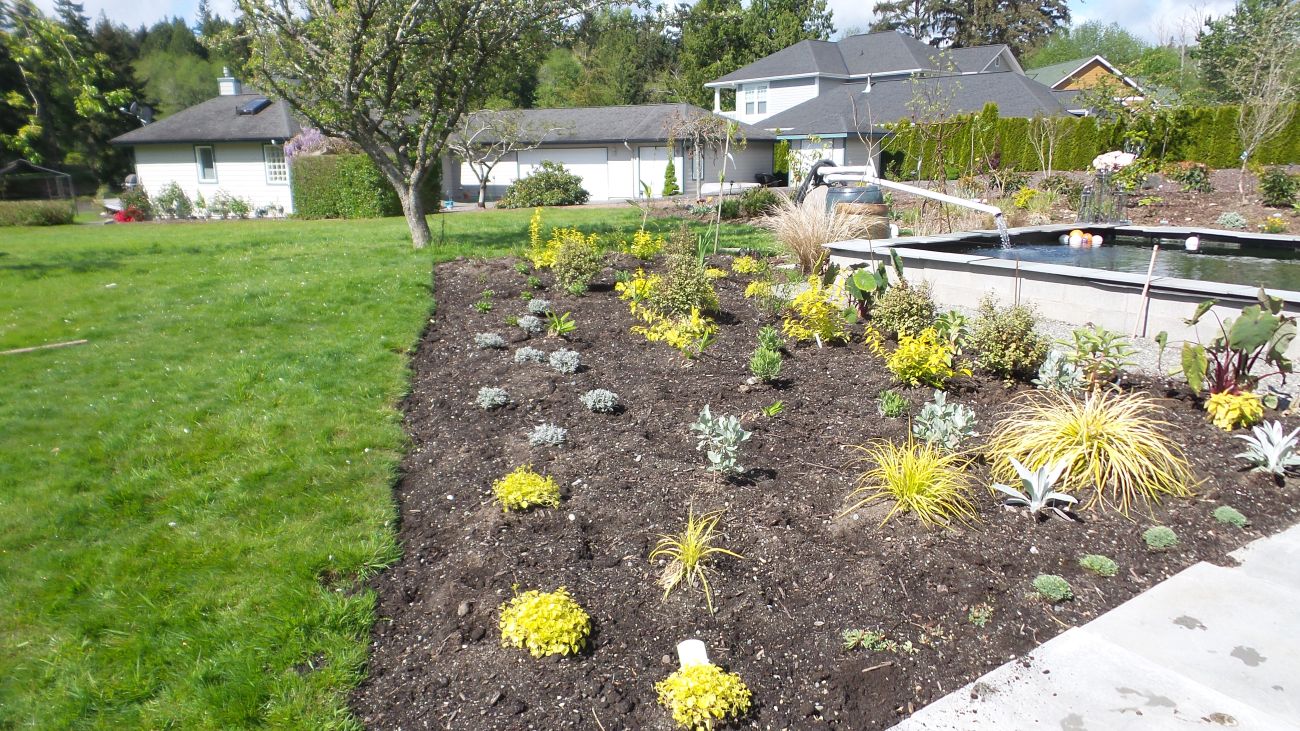
This exact privacy dilemma served as a primary catalyst when Calhoun began planning her own ornamental grass garden on Bainbridge Island. Initially, there was virtually no physical separation or visual screening between her property and the adjacent lot. The proximity was close enough that Calhoun found herself regularly witnessing the intimate daily routines of her neighbors—watching them eat dinner, play with their grandchildren, or engage in domestic arguments. Compounding the issue, the neighboring house was built uncomfortably close to the property line, with a concrete sidewalk that actually encroached onto Calhoun’s land.
Confronted with a pre-existing structural boundary issue that could not simply be wished away, Calhoun had to incorporate the misplaced sidewalk directly into her landscape design while simultaneously employing visual techniques to make it disappear.
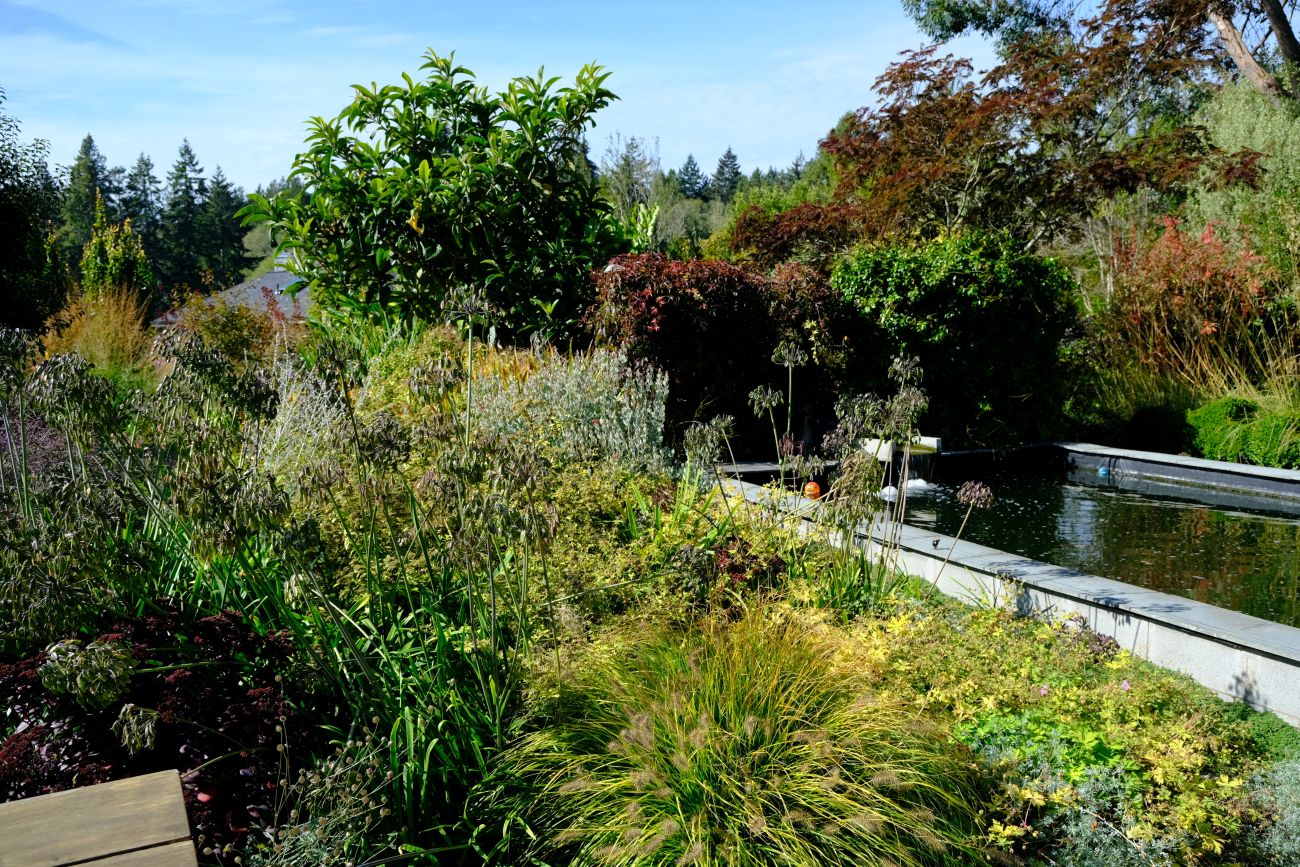
The strategy began with the strategic placement of tall structural elements along the rear boundary of the planting bed to initiate the screening process. Calhoun carefully positioned these large plants to ensure they could be easily maintained entirely from her own property, avoiding any potential neighborly disputes over branches extending across the legal property line. Factoring in the mature size of the trees and shrubs from the outset prevented future conflicts and allowed the vegetation to mature gracefully. Rather than constructing a harsh, artificial boundary line like a rigid wooden fence or a tightly clipped, formal hedge, Calhoun opted for soft screens composed of a mixture of evergreen and deciduous trees and tall shrubs. This layered approach provided the necessary visual privacy while maintaining a fluid, organic transition between the properties.
Working with the Site, Not Against It
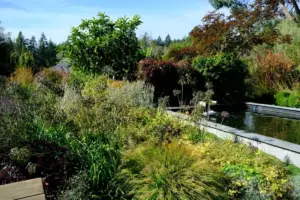
As the planning phase progressed, Calhoun analyzed the broader spatial dynamics of the landscape. Evaluating the layout revealed a distinct natural focal point within the property. Because the neighboring house sat directly behind the lot, the natural lines of sight drew the eye toward a water feature, dictating the overall orientation of the planting beds.
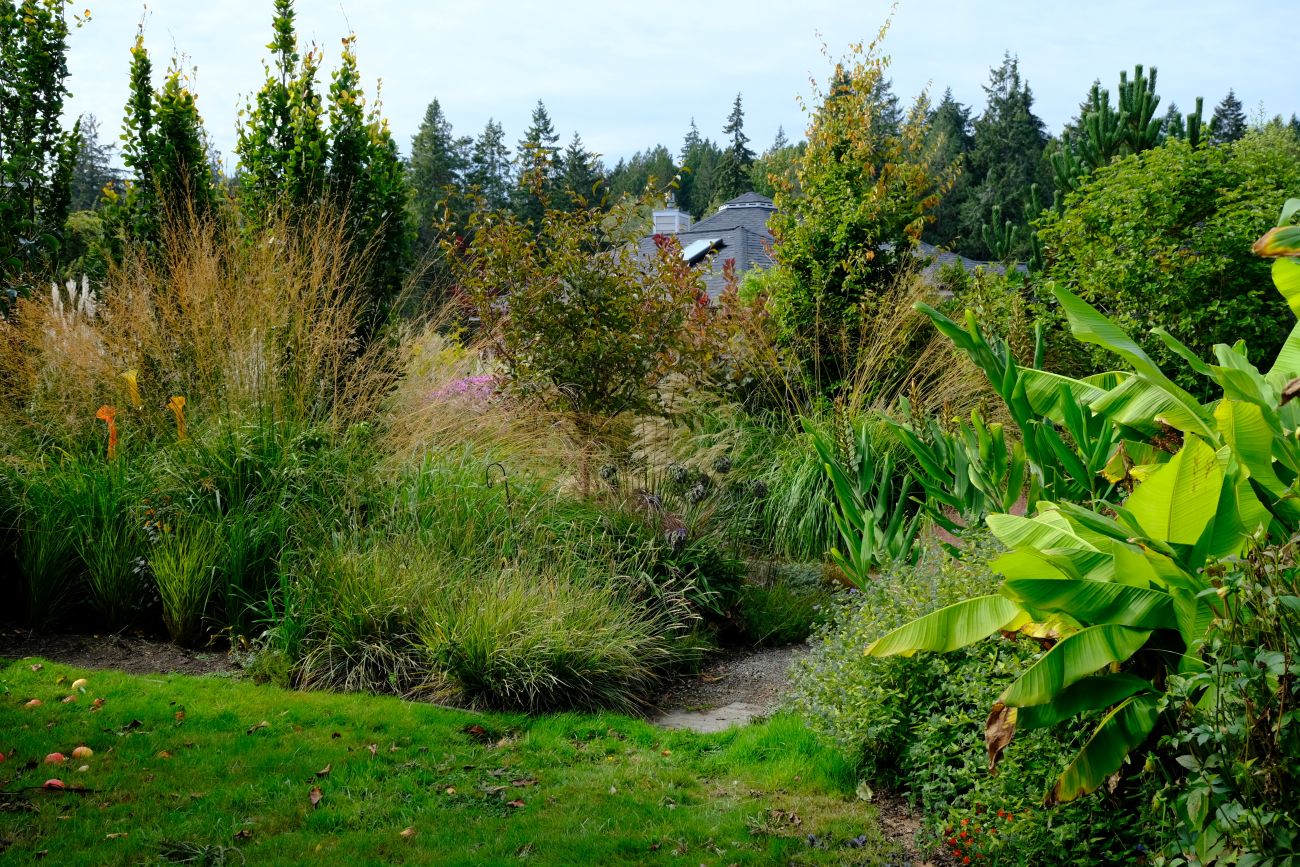
Rather than designing a traditional island bed intended to be viewed from multiple 360-degree angles, Calhoun engineered a deep, one-sided border. By expanding the depth of the border up to 20 feet in certain sections, she created a substantial spatial buffer that successfully continued the work of screening the neighboring property while simultaneously dampening ambient noise.
Understanding the environmental realities of the site represented the next crucial phase of development. Analysis of the northern boundary revealed that the massive shade trees and tall shrubs positioned at the back edge of the property would not cast shadows over the rest of the planting bed. Consequently, the entire bed would remain exposed to full, unremitting sun throughout the day and across every growing season.
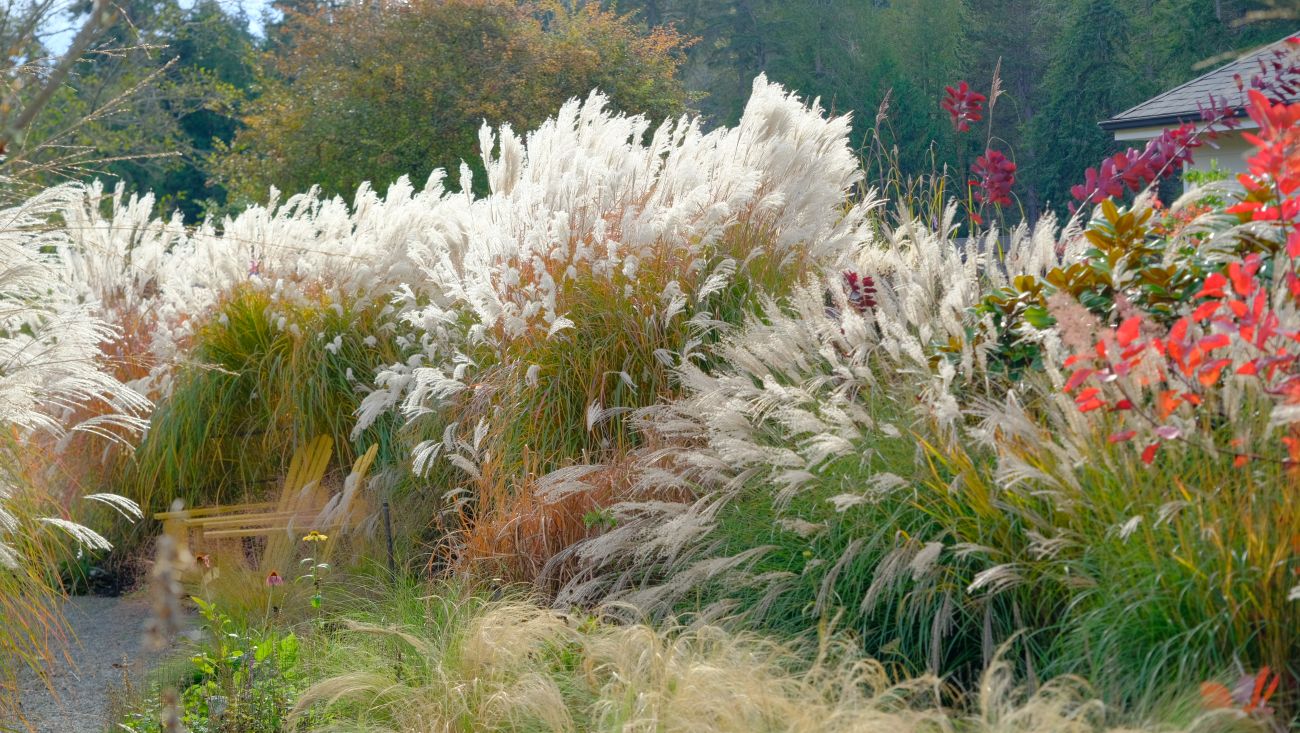
For a Pacific Northwest native who spent her formative years surrounded by the deep, damp shade of dense forests, this harsh exposure presented a profound horticultural challenge. Growing up accustomed to woodland environments dominated by towering cedar trees, thick carpets of moss, and delicate ferns, Calhoun had to pivot rapidly. She needed to educate herself on a completely different palette of flora—specifically species capable of thriving under intense full sun, drying seasonal winds, and well-drained, dry soil. Instead of trying to force a shaded woodland ecosystem onto a site that offered entirely different parameters, she committed to working with the natural conditions of the land.
Designing an Immersive Landscape
Despite her woodland upbringing, which fostered a deep appreciation for shadowed canopies, Calhoun harbored a counterbalancing desire for wide-open skies and expansive vistas. More than anything, she wanted a landscape that could be physically experienced from within, rather than merely observed from a distance. A uniform row of traditional hedging plants that offered nothing more than a static wall of green failed to satisfy her vision.

Instead, she wanted to immerse herself directly in the kinetic energy of blowing, rustling ornamental grasses. She wanted to feel the movement of the wind, smell the fragrance of sun-warmed earth and flowers, and invite an active ecosystem of insects, pollinators, birds, frogs, and the occasional visiting wildlife into her daily life.
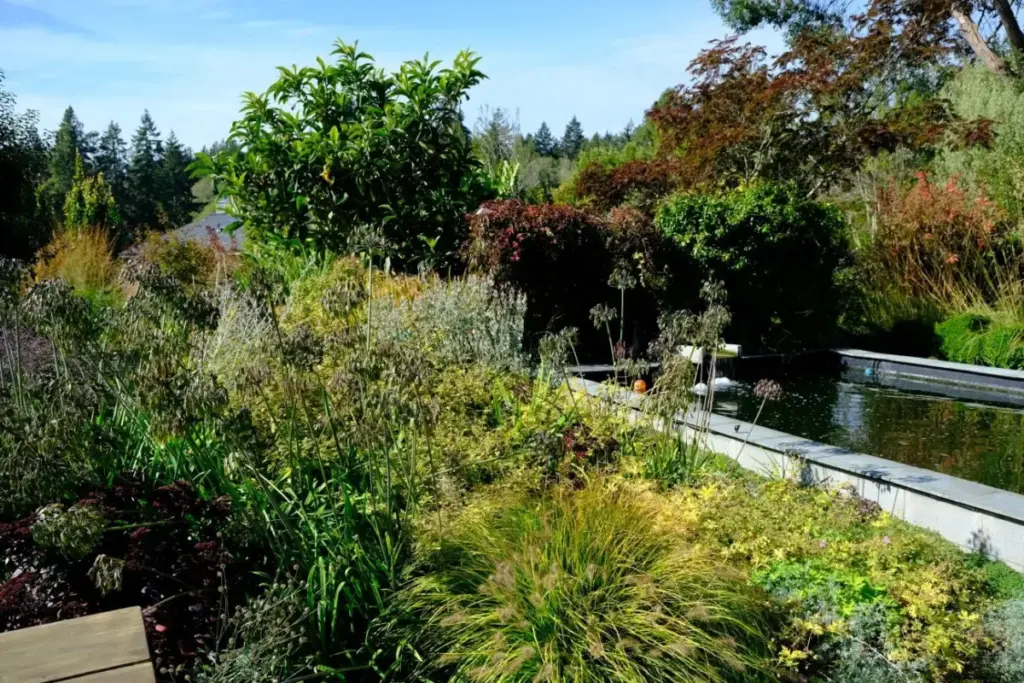
Years later, looking out over the mature landscape, Calhoun considers those initial design challenges thoroughly met. The sheer volume of wildlife activity swarming through the grass garden continues to exceed her expectations. Surrounded by the constant motion and whisper of grasses and sun-loving perennials, she feels transported to an entirely different world, far removed from the damp moss and ferns of the regional forests. Sun, wind, and fragrant blooms combine to create an immersive sensory environment.

Even during the bleak depths of winter, the garden successfully coaxes her outdoors. Armed with a hot cup of coffee and heavy winter layers, she frequently ventures out to monitor the seasonal cycle—watching early spring bulbs spear through the frozen soil, observing small mice finding shelter underneath evergreen sedges, and listening to birds forage for fallen grass seeds or gather natural materials to construct new nests.
As Calhoun’s work demonstrates, the overarching mission of thoughtful landscape architecture is bridging the divide between human habitation and the natural world, utilizing customized outdoor spaces to inspire lifelong engagement with the environment.