“O Romeo, Romeo, wherefore art thou Romeo?” Perhaps he was hiding somewhere in the cool, leafy shade on that hot June day, blending into the mature tree canopy that arches gracefully over one of the Midwest’s most enchanting historical horticultural gems.
Tucked away quietly on the campus of Northwestern University in Evanston, Illinois, the Shakespeare Garden has stood as a living monument to literature, landscape architecture, and transatlantic solidarity for more than a century. The story of this remarkable public sanctuary began in 1915, when the Garden Club of Evanston resolved to create a commemorative space honoring the 300th anniversary of William Shakespeare’s death. At the same time, the project was envisioned as a living celebration of the enduring cultural and political ties between England and the United States during the tumultuous era of the First World War.
To bring this ambitious vision to life, the club turned to renowned Danish-American landscape architect Jens Jensen, a visionary figure known for his deep appreciation of native Midwestern landscapes and his ability to blend formal design principles with naturalistic settings. By 1920, the dedicated members of the Garden Club of Evanston had successfully completed planting an intricate horticultural collection inspired directly by the flora mentioned across Shakespeare’s timeless plays and sonnets. The garden was officially dedicated a decade later in 1930, and its unique cultural and historical significance was further cemented in 1988 when it was officially added to the National Register of Historic Places.
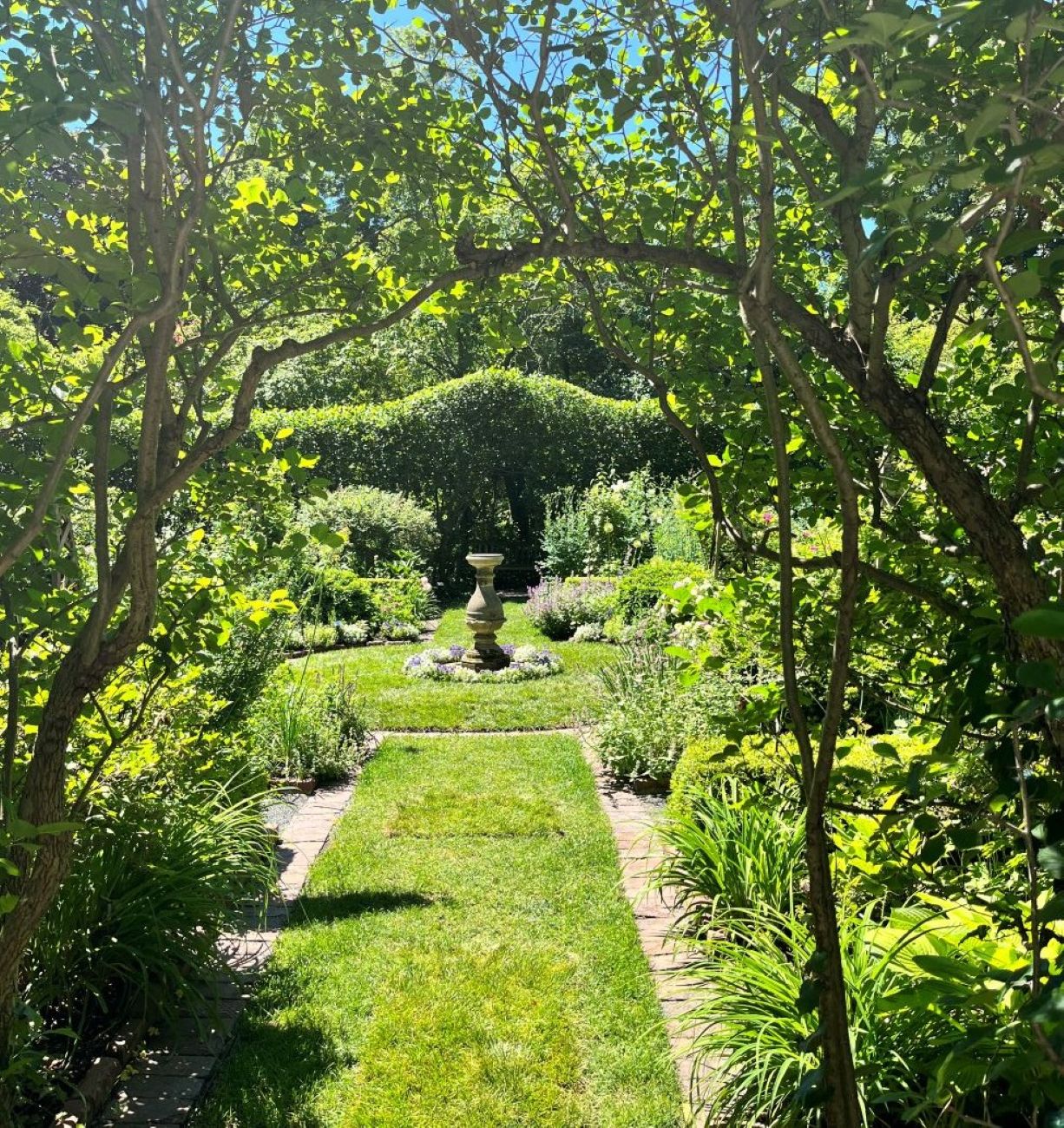
Today, the historic grounds continue to be meticulously cared for by the Garden Club of Evanston, remaining open to the public as a peaceful haven for students, faculty, and visiting plant enthusiasts alike. While wandering the shady, secluded paths at the back of the garden, visitors frequently stumble upon natural, living doorways formed by the overhead branches of mature trees. These leafy archways frame stunning, picturesque vistas looking inward toward the central lawn and the classic sundial. Jensen famously intended for the formal garden to feel remarkably like a secluded clearing hidden deep within the woods, and a stroll through the grounds reveals just how masterfully he achieved that atmospheric effect.
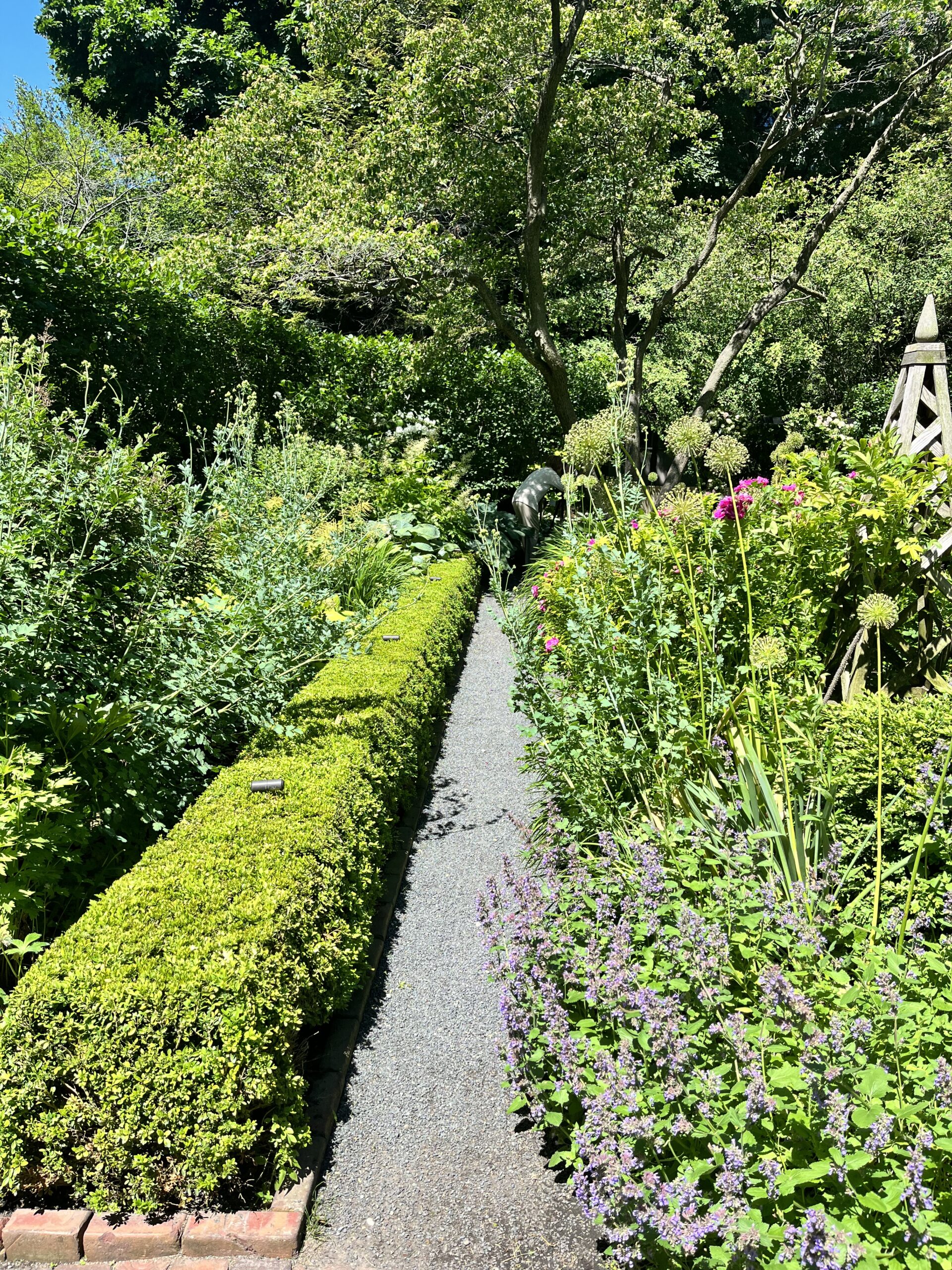
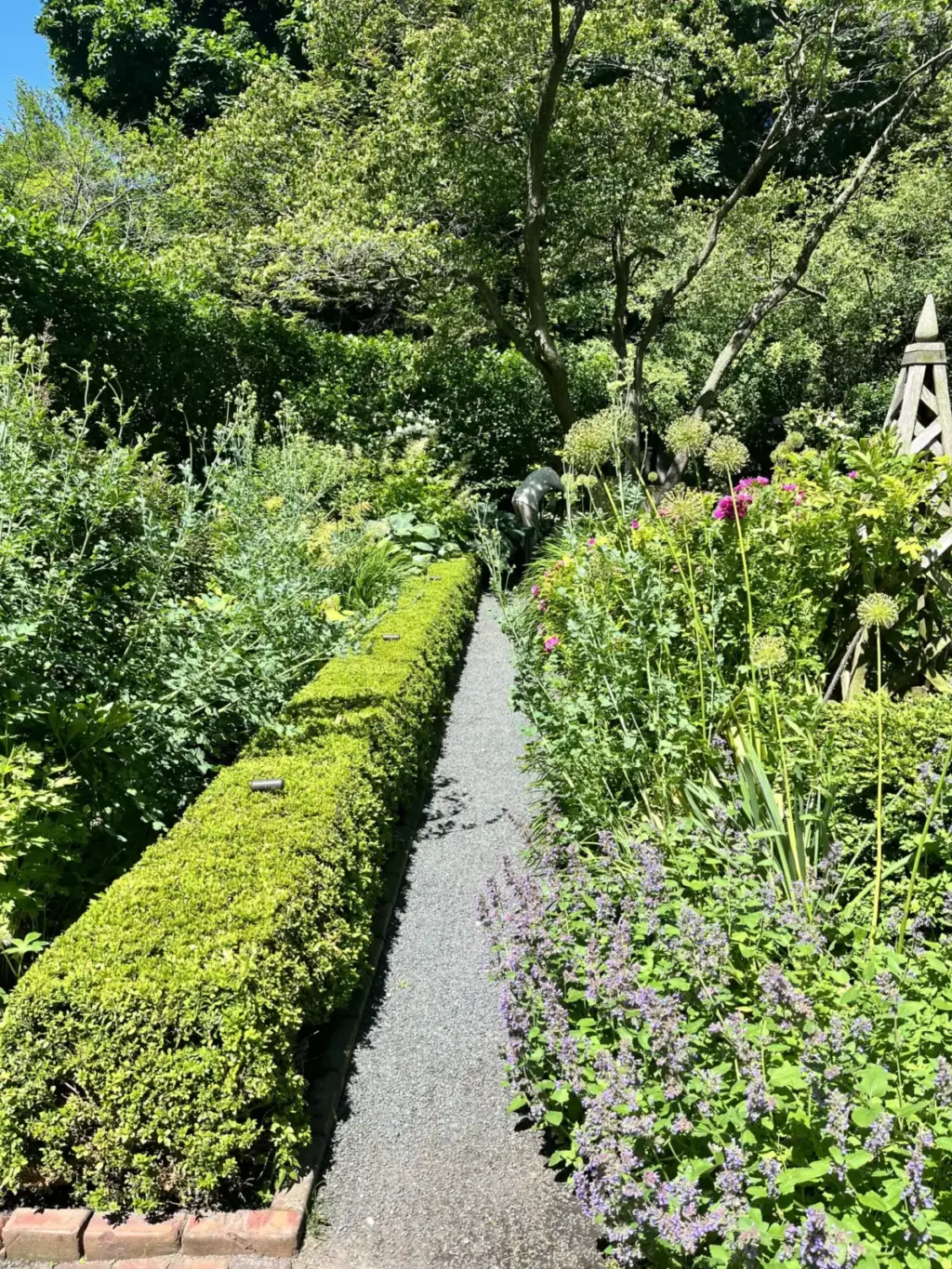
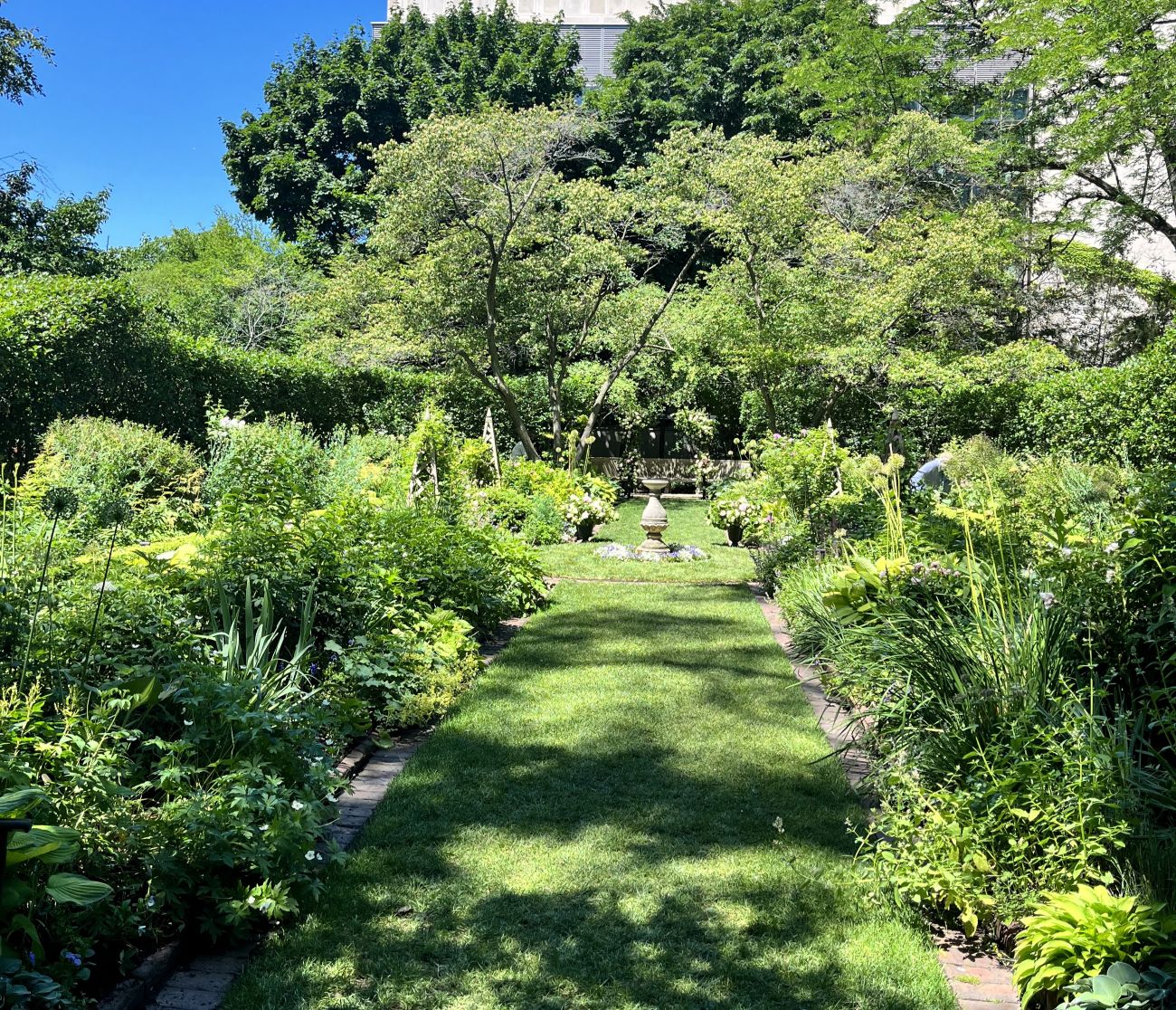
Measuring a modest 70 by 100 feet, the compact rectangular space is historically structured around eight distinct planting beds that were originally arranged according to a classic, highly structured formal knot-garden design. Over the decades, however, the site has gently evolved through thoughtful professional interventions. In 1990, celebrated English garden designer John Brookes evaluated the space and recommended removing a portion of the boxwood hedges to accommodate a richer abundance of mixed perennials and to foster a slightly more relaxed, fluid planting style. Brookes also oversaw the relocation of the garden’s sundial to the absolute center of the layout, establishing a much stronger and more cohesive visual focal point for the entire enclosure.
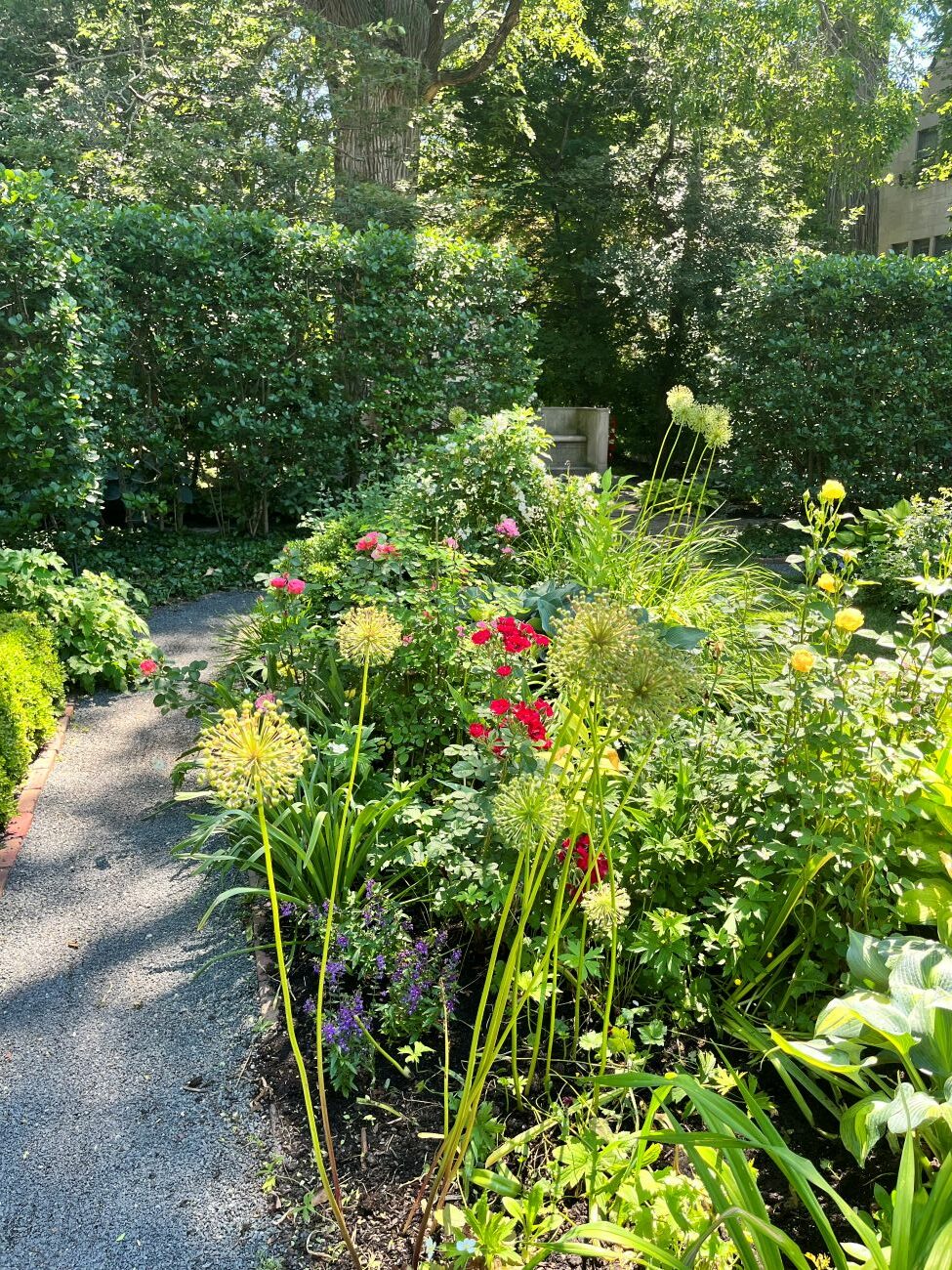
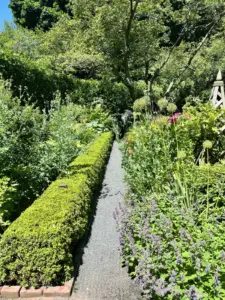
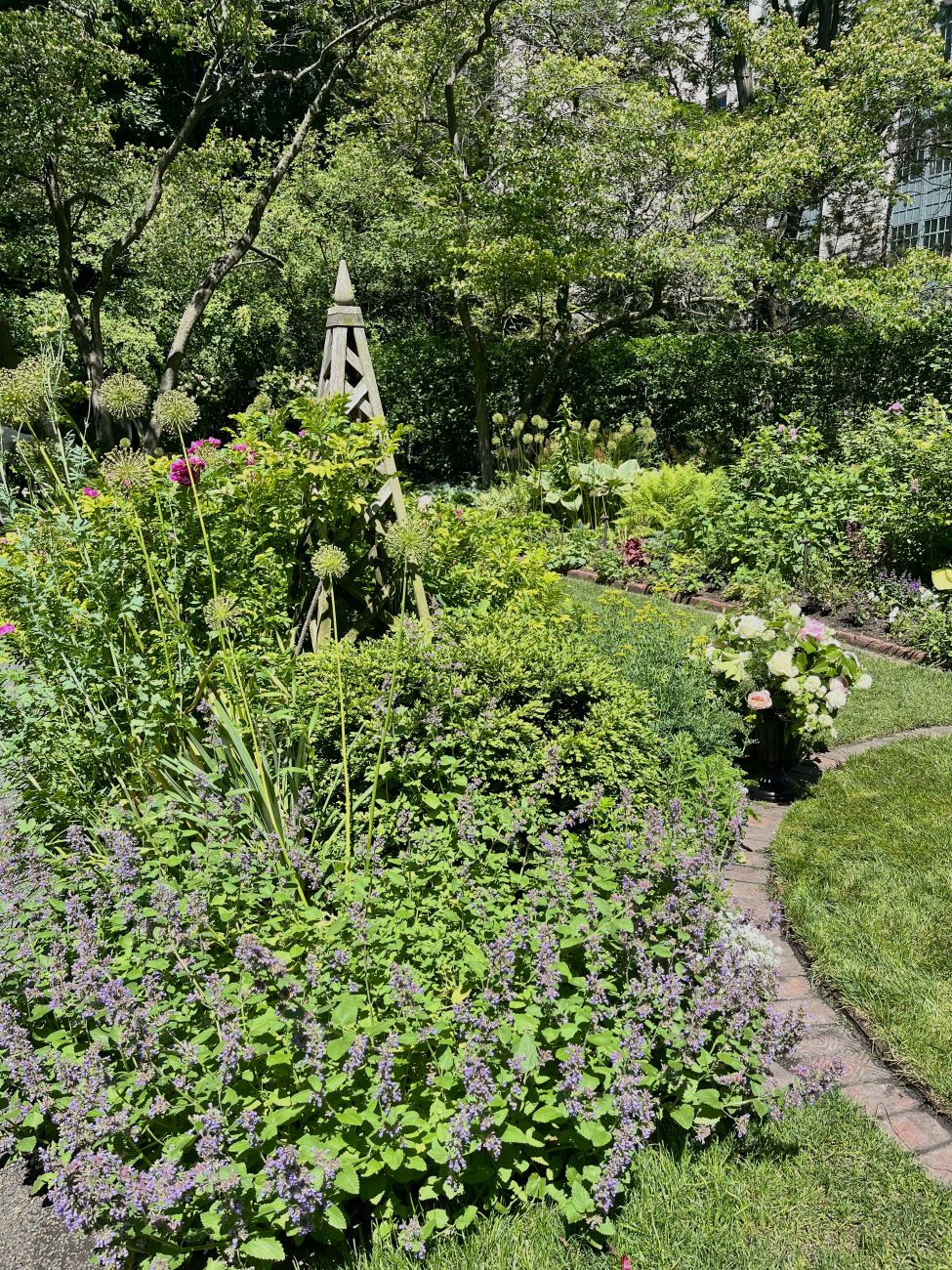
Further restoration efforts followed in 2016, when the garden underwent a comprehensive overhaul designed to safeguard and restore several of its vital historic features. This meticulous project successfully revived the traditional wooden obelisks, weathered stone benches, and winding gravel pathways that give the space its distinct old-world character. At the same time, aging and declining specimens were carefully replaced with fresh plantings to ensure the long-term preservation of Jensen’s original design intent, striking a delicate balance between rigorous historical preservation and vibrant, living horticulture.
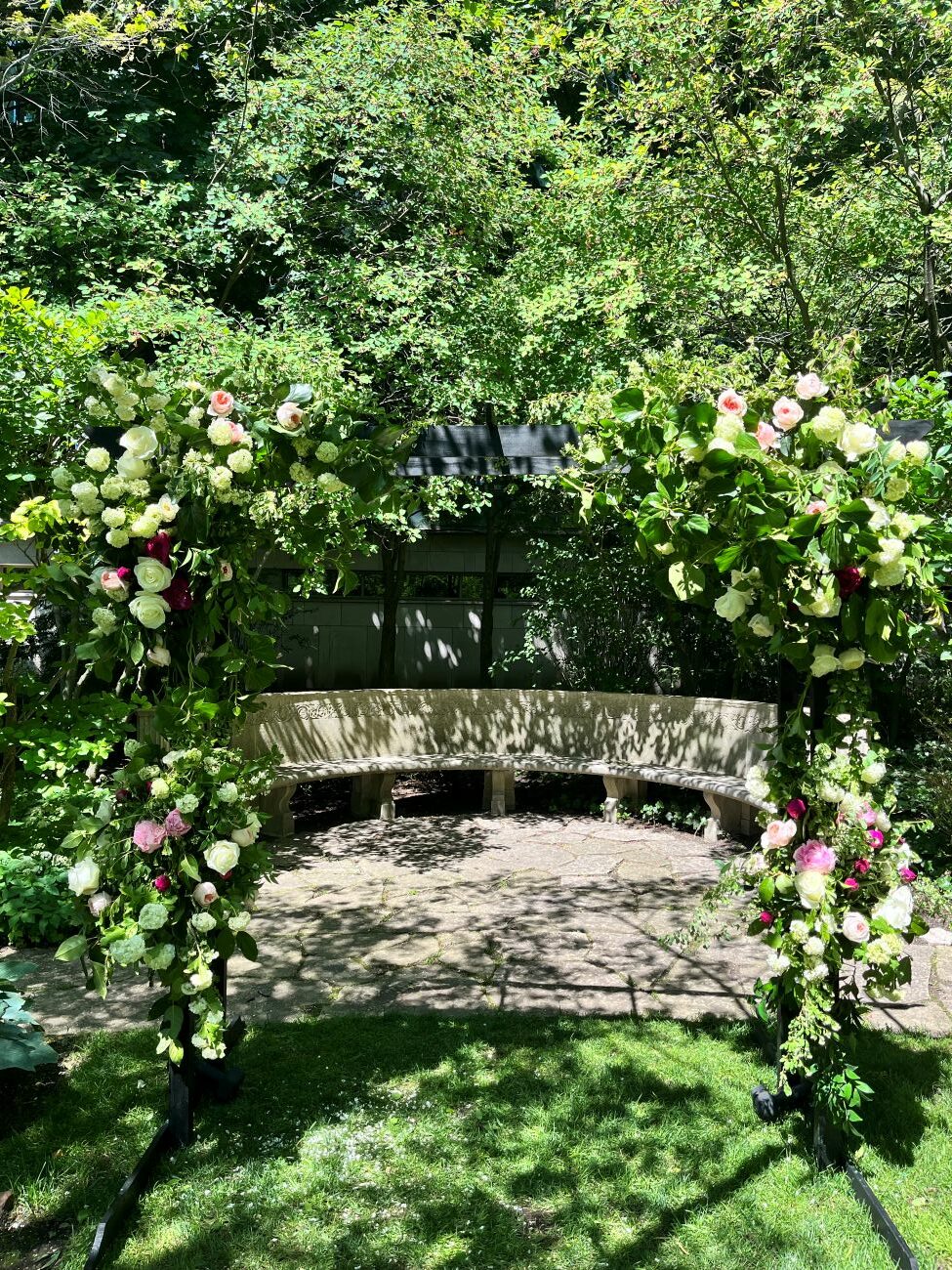
The plant selection itself remains deeply anchored in the literary heritage that inspired the site’s creation more than a century ago. Jensen’s foundational planting list was an expansive tribute to Elizabethan botany, featuring everything from delicate columbines and fragile woodland violets to dramatic poppies, heavy-headed peonies, and fragrant lavender—every single variety explicitly referenced in the dramatic and poetic writings of Shakespeare. While the specific cultivars and exact arrangements have naturally shifted over the years to adapt to changing climate conditions and maintenance practices, the garden steadfastly honors its poetic roots.

Among the enduring fixtures of the landscape is an Elizabethan-style stone bench that was originally installed in 1929, constructed alongside a complementary memorial fountain. Nearly a century after its placement, the weathered stone seating area remains a favorite destination for visitors seeking a quiet moment of contemplation beneath the dappled sunlight. Surrounded by classic perennial borders, climbing roses, and ornamental allium seedheads that provide architectural contrast throughout the growing season, the bench offers an ideal vantage point for absorbing the unique atmosphere where formal architectural structure and wild natural beauty seamlessly intersect.