Across Europe, cities are urgently confronting the compounded pressures of a changing climate, warming summers, and the vital necessity to improve public access to nature, quality public spaces, and the everyday resources that sustain urban life. As municipalities search for scalable solutions to combat urban heat islands and foster social equity, innovative approaches are taking root at the neighborhood scale. Among these efforts is ReGreeneration, a Horizon Europe initiative operating across nine European cities, which approaches urban challenges through targeted neighborhood-level renaturing.
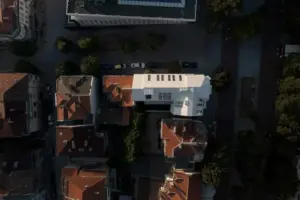
By combining strategies for complete neighborhoods, communal spaces, and nature-based solutions, the project examines how climate adaptation can be seamlessly embedded within the residual, peripheral spaces of daily routines. As part of a broader series following ReGreeneration across its participating cities, attention turns to Barcelona, where the initiative is actively working in the Trinitat Nova neighborhood. Here, urban planners and designers are exploring how small, frequently overlooked urban spaces can contribute meaningfully to broader, systemic models of urban regeneration.
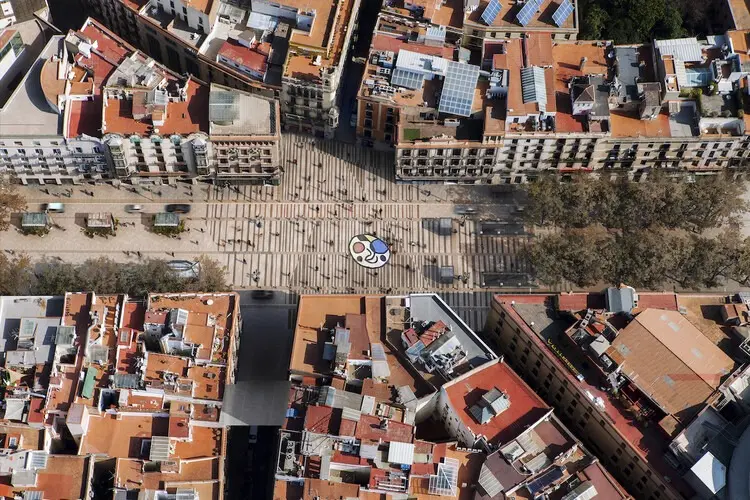
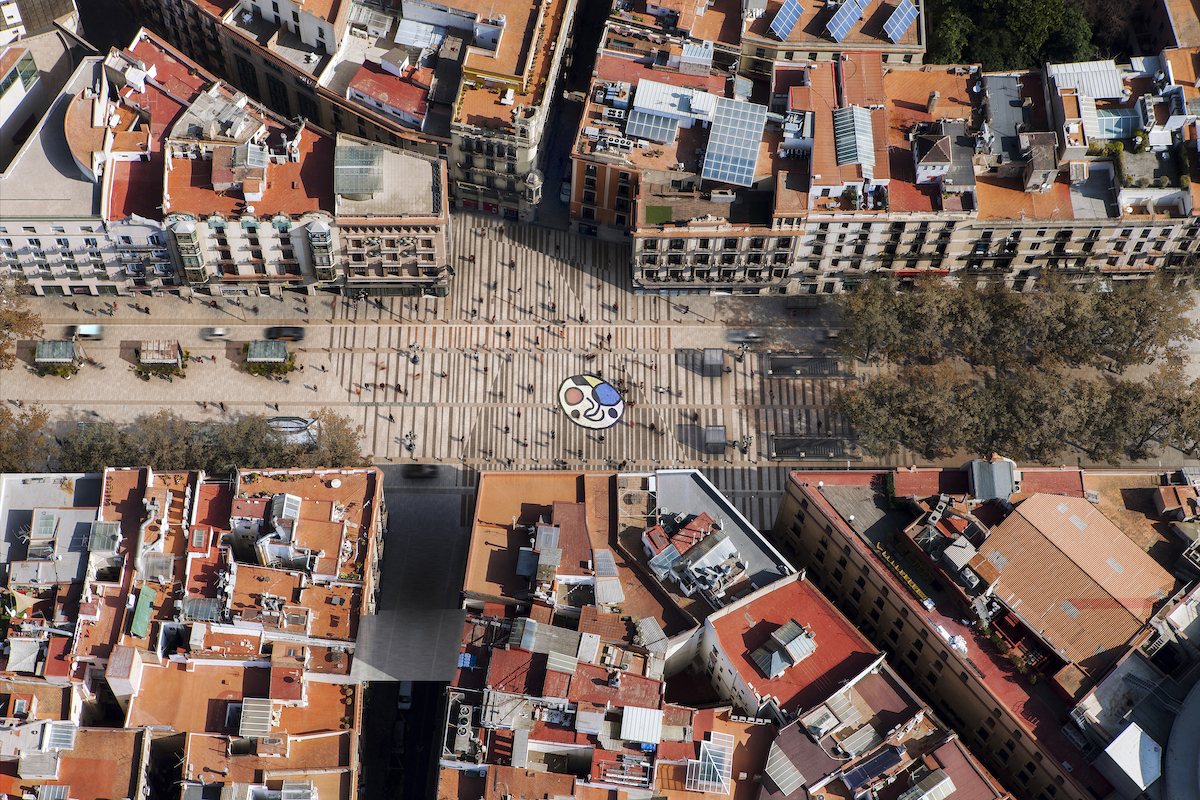
Barcelona offers a unique and particularly significant context for this ambition, largely due to its celebrated urban and architectural legacy. Over the decades, the Catalan capital has become internationally recognized for its pioneering efforts in reclaiming streets and public spaces for its residents. From the sweeping transformations of its public realm following Spain’s democratic transition to the widely discussed Superblocks project and ongoing citywide traffic reduction measures, Barcelona possesses a storied, layered history of tactical urbanism and temporary urban changes. Across various scales, the city consistently demonstrates how streets and undervalued spaces can be redesigned as vibrant places for walking, active living, community gathering, playfulness, and the reintegration of urban nature.
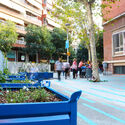
Tactical urbanism has served as an essential component of this evolutionary process, granting urban planners the agility to introduce and test new programs at speeds that traditional, heavy-handed urban development simply cannot accommodate. The celebration of tactical urbanism in cities around the world continues to energize designers, policymakers, and communities alike. Yet, this current wave of intervention dives into a deeper, more challenging question regarding the entire process: How can the inherent flexibility and responsiveness of temporary urban interventions successfully translate into long-term planning and permanent municipal policy?

The exploration in Barcelona’s Trinitat Nova neighborhood under the banner of ReGreeneration directly addresses this transition from the temporary to the permanent. In many dense urban environments, the spaces that hold the greatest potential for climate resilience and community cohesion are the "in-between" zones—the leftover corners, peripheral patches, school perimeters, and residual voids that exist between major architectural volumes and transit corridors. By deploying reversible urbanization strategies and tactical interventions in these micro-locations, designers can test environmental performance, public engagement, and microclimate mitigation before committing significant public funds to permanent concrete-and-steel construction.

However, the true test of tactical urbanism has always been its longevity. Too often, temporary installations remain isolated pockets of innovation that disappear as soon as funding cycles end or political priorities shift. The initiative in Barcelona seeks to bridge this persistent gap by establishing formal feedback loops between grassroots tactical testing and municipal urban policy. By documenting how small-scale shading devices, permeable paving experiments, pocket greenery, and temporary pedestrianization schemes impact local temperatures, air quality, and pedestrian foot traffic, urban researchers can provide policymakers with empirical data. This data forms the foundational framework necessary to update building codes, zoning regulations, and street-design manuals, ensuring that successful bottom-up experiments are institutionalized into top-down city policy.
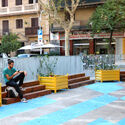
As European cities look toward a warming future, the work unfolding in Barcelona illustrates that large-scale climate adaptation does not always require monumental civil engineering projects. Instead, it can begin in the margins of everyday life—in the small courtyards, schoolyards, and residual street corners that make up the fabric of the neighborhood. By learning how to design the in-between spaces through flexible, tactical measures that ultimately inform enduring public policy, Barcelona continues to redefine the relationship between urban design, environmental resilience, and the everyday human experience.