For homeowners seeking a faster route to refreshing a room, painting directly over existing wallpaper has long presented an appealing alternative to the labor-intensive process of stripping old paper, preparing bare walls, and applying a fresh coat. However, home improvement specialists emphasize that this shortcut requires careful evaluation, as several critical factors and potential pitfalls must be addressed to ensure a lasting and professional finish.
The debate over whether to paint over wallpaper often hinges on the current condition of the walls. Before committing to the project, experts advise conducting a thorough inspection of the wallpaper’s structural integrity. The surface must be in good condition, completely free from rips, tears, or extensive damage. If the paper is severely compromised, attempting to paint over it is rarely recommended; stripping the material and working directly on the bare wall is almost always the more prudent choice.
Specialists also caution against painting over wallpaper that is peeling in multiple areas, even if the paper itself is not physically torn. Widespread lifting typically indicates that the underlying adhesive is failing, a problem that can stem from poor-quality paste during the original installation or ongoing issues with dampness in the room. While localized peeling—such as a single loose corner—can often be resolved by re-securing the material with wallpaper paste, care must be taken to smooth out air bubbles and allow the adhesive to dry completely before any painting begins.
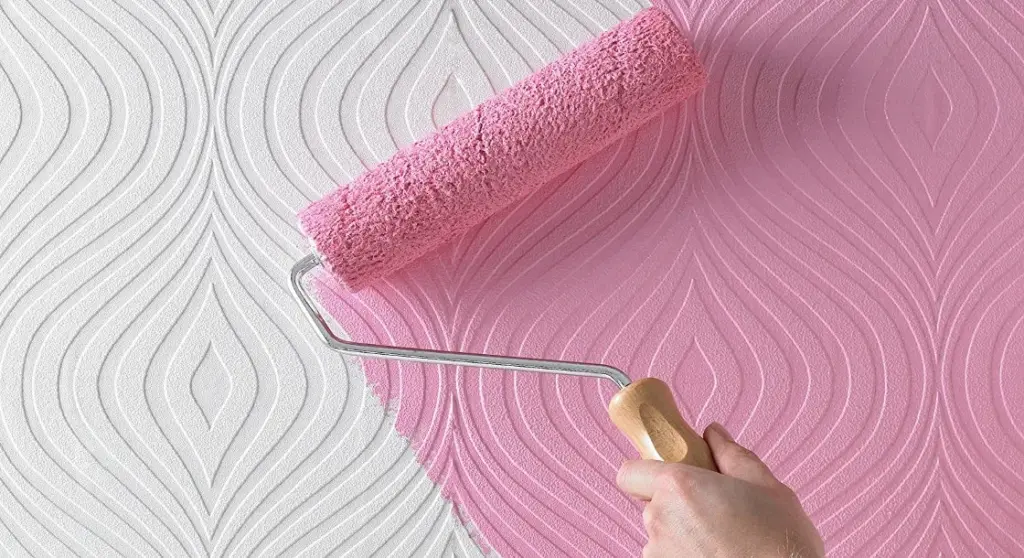
When it comes to the style of the paper, plain and flat surfaces are inherently the most suitable for painting. Nevertheless, textured and patterned papers can also be painted over, provided the homeowner is comfortable with the underlying texture remaining visible through the new finish.
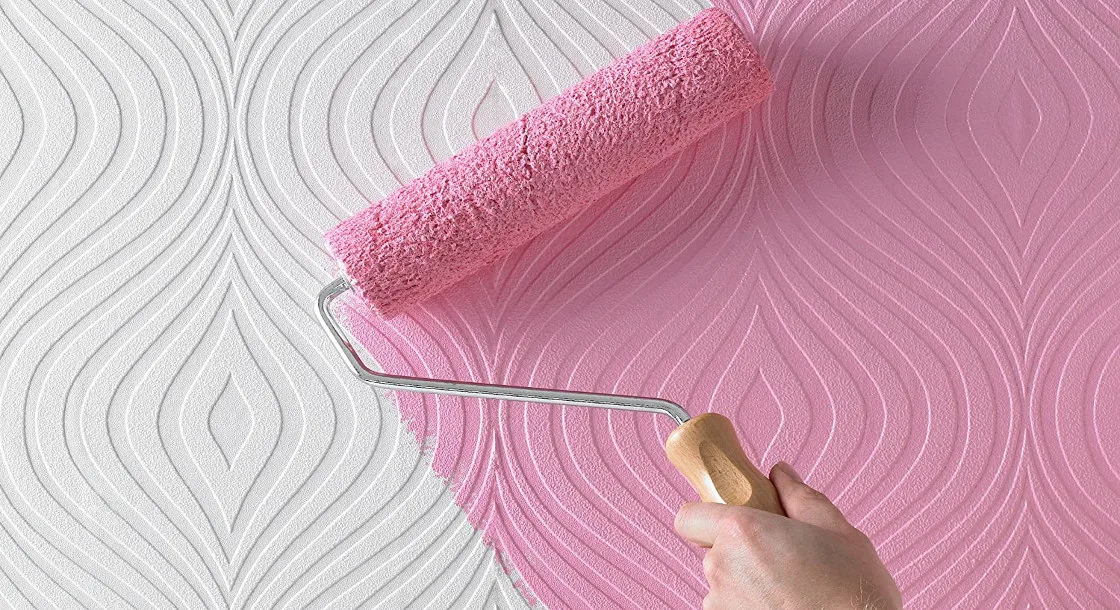
Preparing Wallpaper for Painting
Once an inspection confirms that the wallpaper is structurally sound, the preparatory phase for painting is relatively straightforward, though skipping steps can compromise the final appearance. Establishing a clean, stable surface is paramount before introducing any liquid coatings. Proper room preparation involves clearing the space, protecting floors and furniture, and applying decorator’s masking tape to trim, baseboards, and fixtures to secure crisp, clean lines.
With the workspace secured and the wallpaper validated as a suitable candidate, attention shifts toward the priming stage, which remains a critical component of the process regardless of the wallpaper’s original color or pattern.
Priming Wallpaper for Painting
Industry standards strongly recommend applying at least one coat of primer to wallpaper before introducing a topcoat. Primer ensures a more uniform surface, helps achieve a clean and polished finish, and simplifies the process of covering the underlying pattern.
A primary technical hazard in this process involves the choice of primer. Water-based primers carry the risk of soaking too deeply into the wallpaper, which can rehydrate the underlying paste and severely compromise its adhesion to the wall. To mitigate this risk, professionals consistently recommend utilizing an oil-based primer when painting over wallpaper, with specialized products like all-in-one primer and sealers offering reliable preparation for the topcoat. Applying one to two coats of an appropriate primer, followed by complete and thorough drying time, lays the foundation for a successful paint application.

How to Paint Over Wallpaper
Following the successful application and drying of the primer, homeowners can select their desired topcoat paint color and begin transforming the room. The actual painting process mirrors standard interior wall painting, utilizing rollers and brushes to achieve an even coat across the primed wallpaper surface. While the execution is straightforward, maintaining vigilance during the process helps prevent common aesthetic and structural issues.
Problems With Painting on Top of Wallpaper
Even with careful planning and meticulous preparation, painting directly over wallpaper can occasionally present unexpected challenges. Fortunately, most of these issues can be successfully managed or avoided with minor corrective work.
One of the more frequent hurdles involves the appearance of gaps between wallpaper strips. As wallpaper dries following its initial installation, natural shrinkage can occur, leaving thin separations between the sheets. While these gaps do not automatically derail a painting project, they require proper intervention before the final finish is applied.
Assuming the surrounding wallpaper remains firmly affixed and structurally sound, standard wall filler can be employed to bridge the gaps between sheets. To achieve the best results, this remedial work should take place after the primer has been applied and allowed to set. Once the filler is dry, it must be carefully sanded back until it is completely flush with the level of the surrounding paper. Because any raised filler will show prominently through subsequent coats of paint, dedicating sufficient time to meticulous sanding is essential for maintaining a smooth, uniform wall surface.