As an artist who lived through the intense ideological battlegrounds of the Reagan-era Culture Wars, I view the release of critic and theater director Isaac Butler’s new book not merely as a retrospective history, but as an urgent manual for the present. Butler is younger than I am, meaning he did not live through the front-line skirmishes of the 1980s when the federal funding of art, the definition of obscenity, and the boundaries of creative expression were violently contested in the public square. Yet, as an astute observer of contemporary culture, he recognized an alarming echo of that era in 2020.
That year, major cultural institutions—including the Tate Modern, the Museum of Fine Arts in Boston, the Museum of Fine Arts in Houston, and the National Gallery of Art—abruptly postponed a major exhibition of Philip Guston’s work. The shared anxiety driving these decisions was the fear that the public might misinterpret Guston’s haunting paintings referencing the Ku Klux Klan. For anyone who witnessed the censorship battles of the late 20th century, the institutional self-censorship of 2020 felt eerily familiar. With the ongoing resurgence of right-wing politicians, lawmakers, and organized activist groups targeting arts, culture, and educational curricula in the United States today, Butler’s examination of the conservative playbooks of the 1980s and 1990s arrives with vital resonance.
Released in 2026 by Bloomsbury, Butler’s book, The Perfect Moment: God, Sex, Art, and the Birth of America’s Culture Wars, meticulously unpacks the flashpoints that defined a deeply polarized era. The volume navigates the complex machinery of moral outrage, tracing how political figures, religious organizations, and media strategies converged to put creative expression on trial. Among the pivotal moments examined is the fierce resistance faced by director Martin Scorsese during the production of his 1988 film The Last Temptation of Christ. The immense pressure surrounding the film was catalyzed largely by Reverend Donald Wildmon, an innovator of targeted mass-mailing campaigns who mobilized Christian communities nationwide on behalf of his National Federation for Decency.
Wildmon’s influence emerges once again in Butler’s analysis of another monumental controversy: Andres Serrano’s 1987 photograph “Piss Christ,” which depicted a plastic crucifix submerged in a beaker of the artist’s own urine. The artwork ignited a firestorm of religious and political fury, culminating in a dramatic and theatrical moment in 1989 when then-Senator Alfonse D’Amato tore a reproduction of the catalog image in half on the floor of the United States Senate, transforming aesthetic disagreement into a populist political weapon.
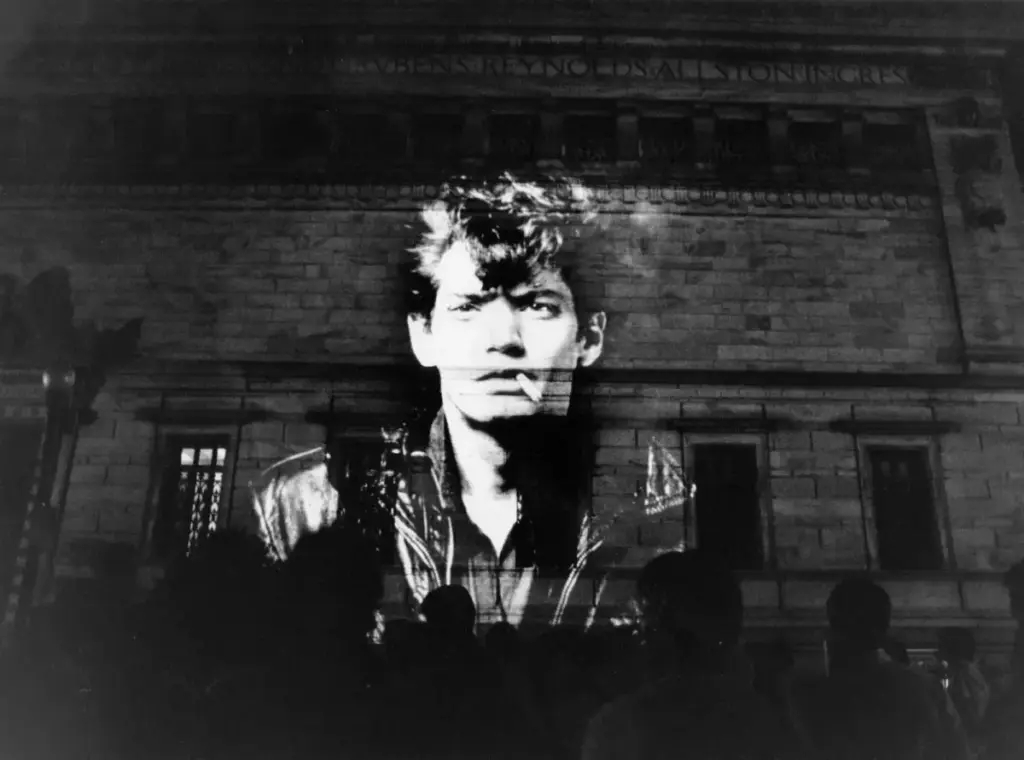
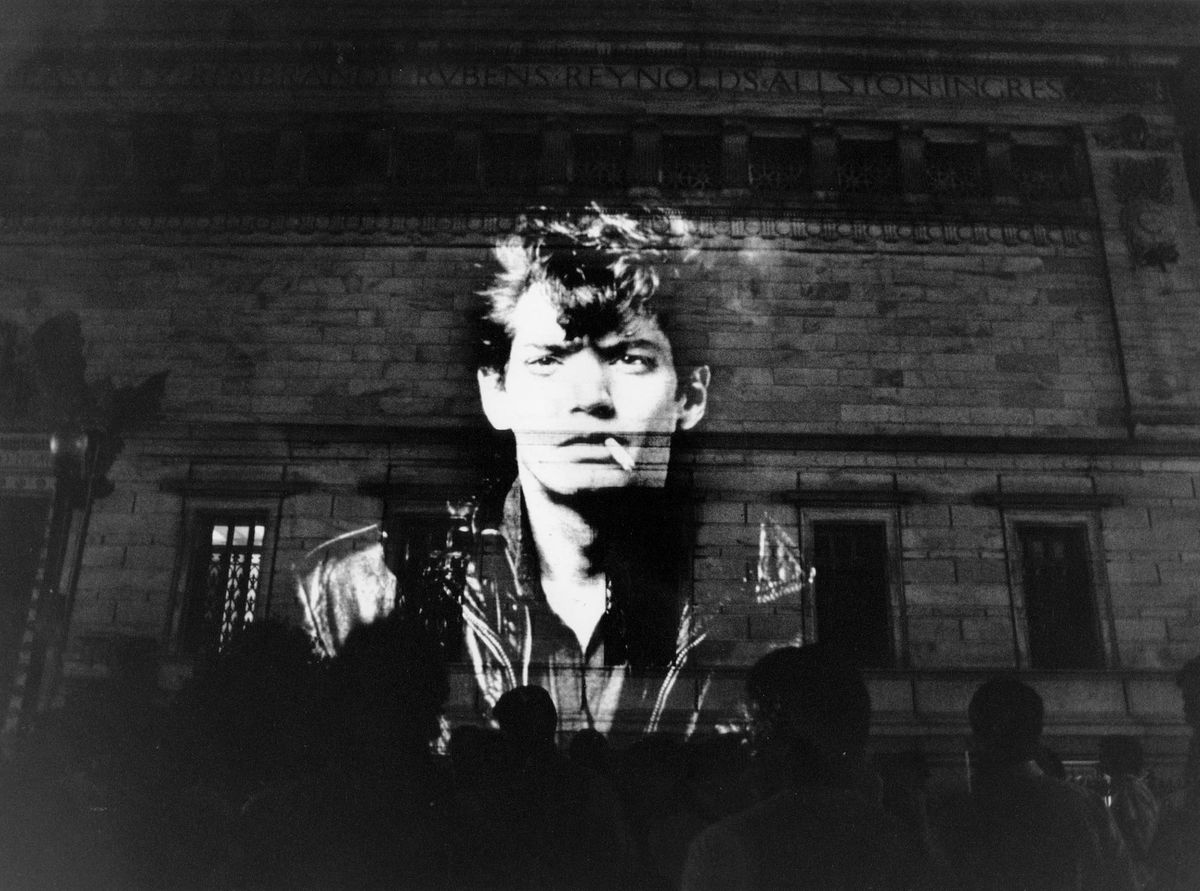
The book derives its title and thematic core from the infamous cancellation of The Perfect Moment, a retrospective of work by photographer Robert Mapplethorpe, by the Corcoran Gallery of Art in Washington, DC. By the mid-1980s, Mapplethorpe’s diagnosis with AIDS had become widely known within artistic and social circles, casting his visionary lens through the prism of mortality and marginalized identities. Although The Perfect Moment had successfully traveled to other cultural venues across the country without incident, its candid and unflinching depictions of sadomasochism, Black nude models, and naked children posed a high-stakes political risk in the nation’s capital, where federal funding and moral posturing routinely intersected.

On June 12, 1989, buckling under political pressure and preemptive anxiety, the leadership of the Corcoran Gallery of Art made the fateful decision to cancel the exhibition before it ever opened to the public. That act of institutional retreat did not quell the controversy; instead, it opened the floodgates. The cancellation triggered an intense legislative and cultural war, most notably pitting conservative Senator Jesse Helms against Representative Sidney Yates, a Democratic Congressman from Illinois, in a bitter battle over the future and funding of the National Endowment for the Arts (NEA).
Throughout his account, Butler resists the temptation to reduce these historical conflicts to simple binaries. Instead, he provides a balanced and rigorous examination of how both sides strategized, mobilized their constituencies, and implemented their political ambitions. By laying bare the mechanics of how moral panics are manufactured and weaponized, The Perfect Moment offers contemporary readers a sobering look at how past anxieties continue to shape the ongoing struggle to defend creative freedom in America.