As the autumn season settles across the Mid-Atlantic region, gardens typically transition into a dramatic palette of fiery oranges, deep russets, and brilliant yellows. However, for gardener Rhonda in West Grove, Pennsylvania, located in USDA Hardiness Zone 7a, the waning days of the growing season offer an entirely different, softer aesthetic. Rather than relying on the traditional warmth of typical fall foliage, Rhonda’s landscape embraces a sophisticated array of delicate pinks, lavenders, and magentas as her vibrant shade garden slowly begins to wind down for the year.
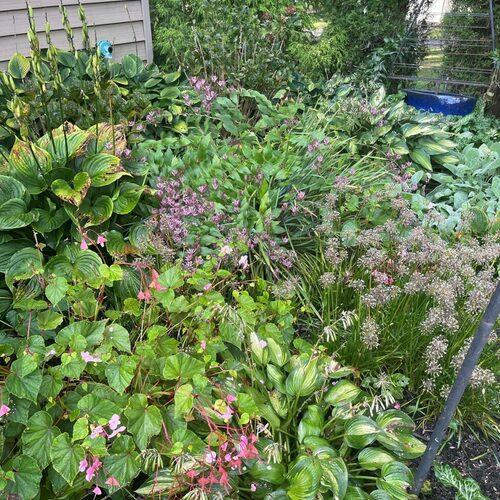
The transition from late summer into autumn is often viewed by horticulturists as a time of closure, but for keen observers like Rhonda, it represents a final, lingering performance by perennials and specialized bulbs that wait until the cooler weather arrives to showcase their blooms. In her Zone 7a garden, a diverse collection of shade-loving plants is currently staging its final act. Among the botanical stars on their last legs this season are graceful Japanese anemones, resilient hardy begonias, charming colchicums, delicate tradescantias, unique toad lilies, and lush hostas whose broad foliage is beginning to fade after a long spring and summer of growth.
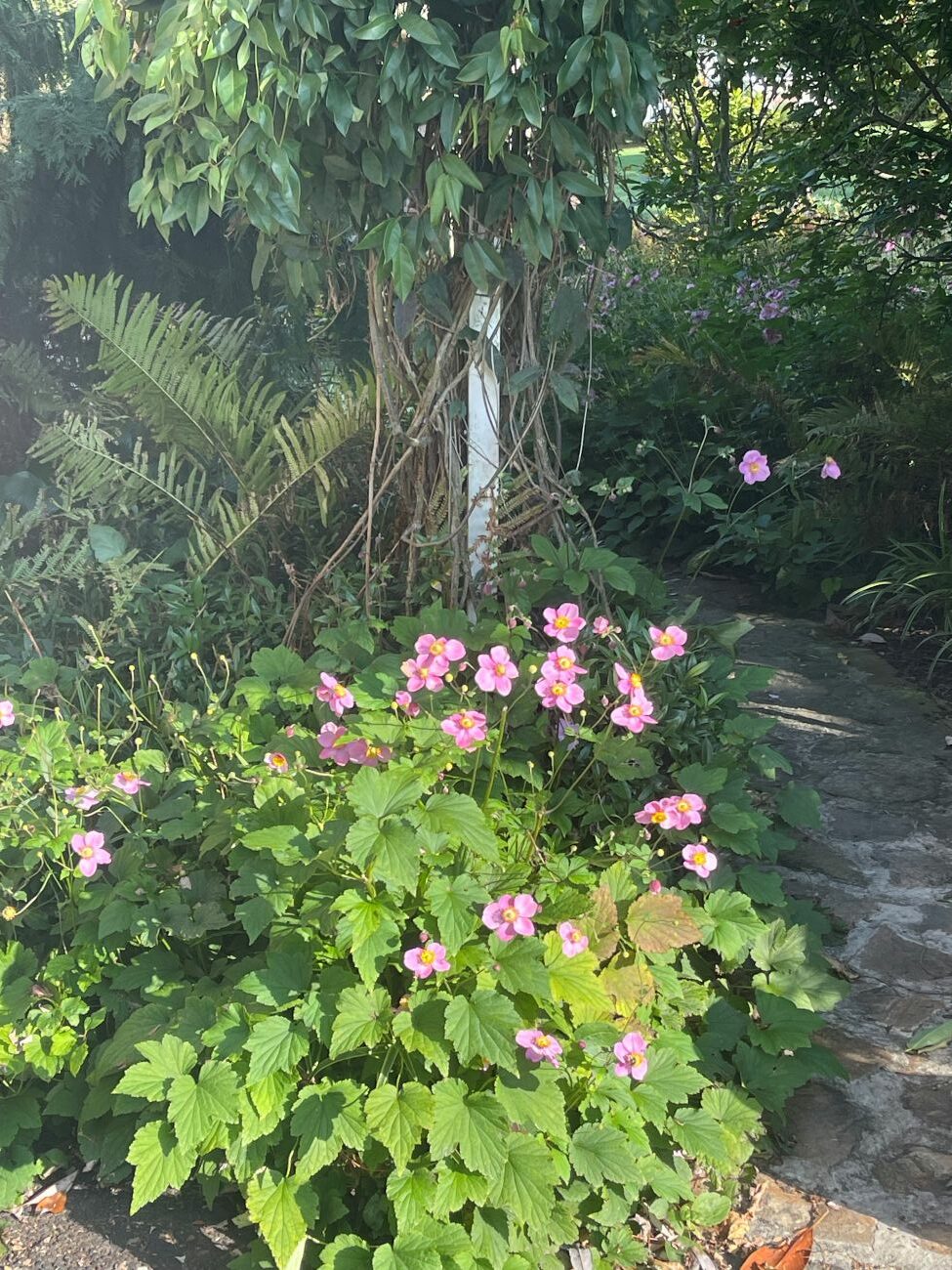
One of the most striking design strategies employed in Rhonda’s West Grove landscape is the deliberate cultivation of dense, self-sustaining plant communities to minimize maintenance and manage weed pressure. By allowing robust shade-loving perennials to naturally take over specific beds, she has created a living mulch effect that leaves virtually no bare soil exposed. This naturalistic approach to garden management is particularly evident in the garden beds populated by anemones and hardy begonias. Because these plants have filled their designated spaces so completely, weeds are virtually non-existent simply because there is no vacant room left for them to establish.
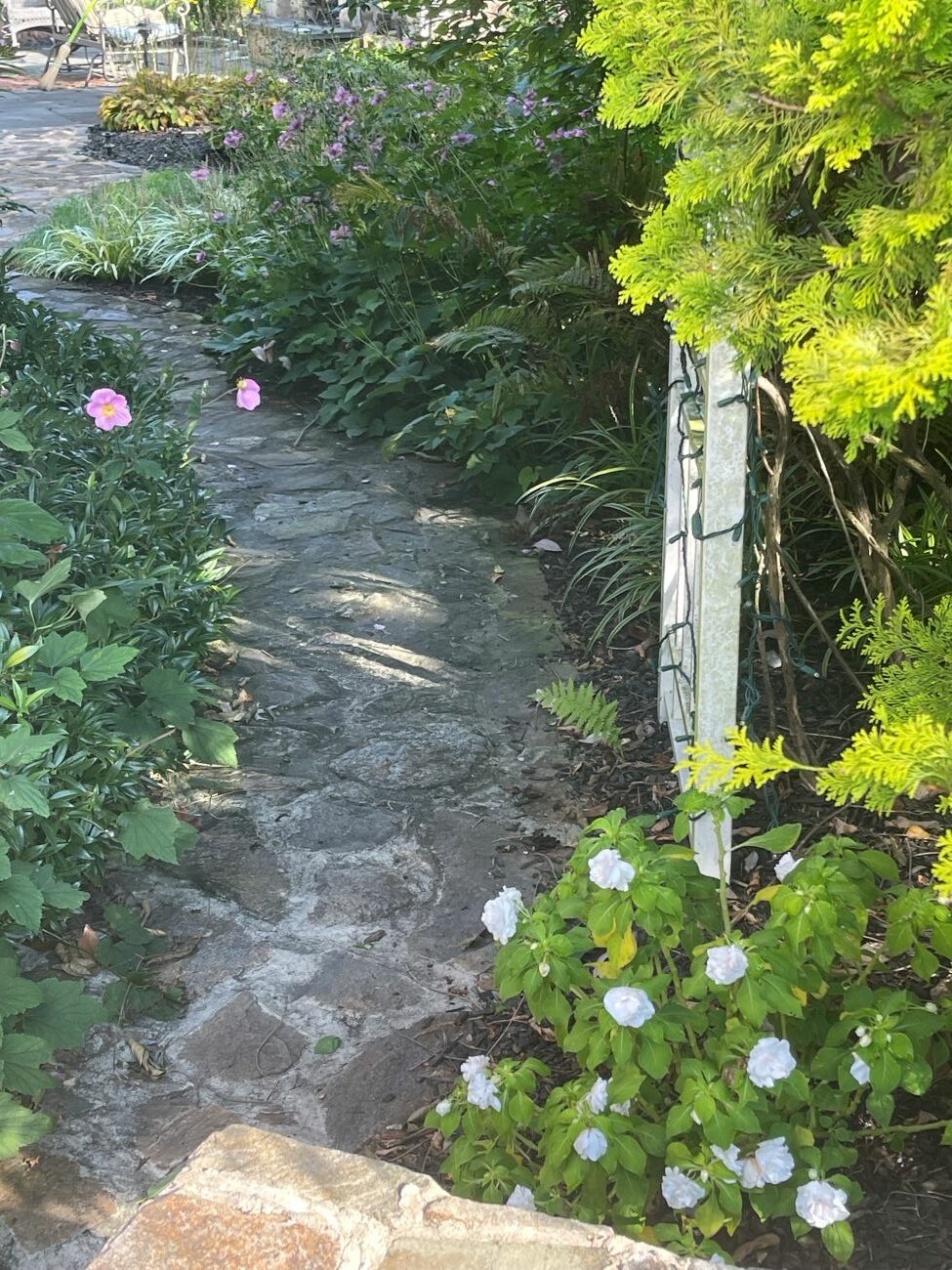
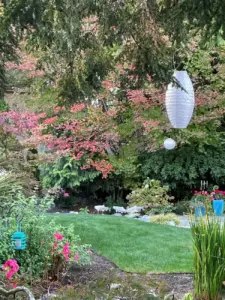
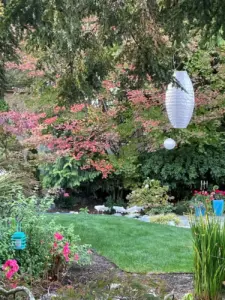
Wandering through the landscape reveals a thoughtfully designed environment where nature dictates much of the spatial arrangement. A winding natural stone pathway guides visitors past drifts of pink Japanese anemones, whose delicate blossoms sway gently against a backdrop of fine fern foliage and dense shade plantings. The soft pink petals of the anemones catch the autumn light, providing a luminous contrast to the deeper, shaded recesses of the surrounding perennial borders and evergreen shrubs.
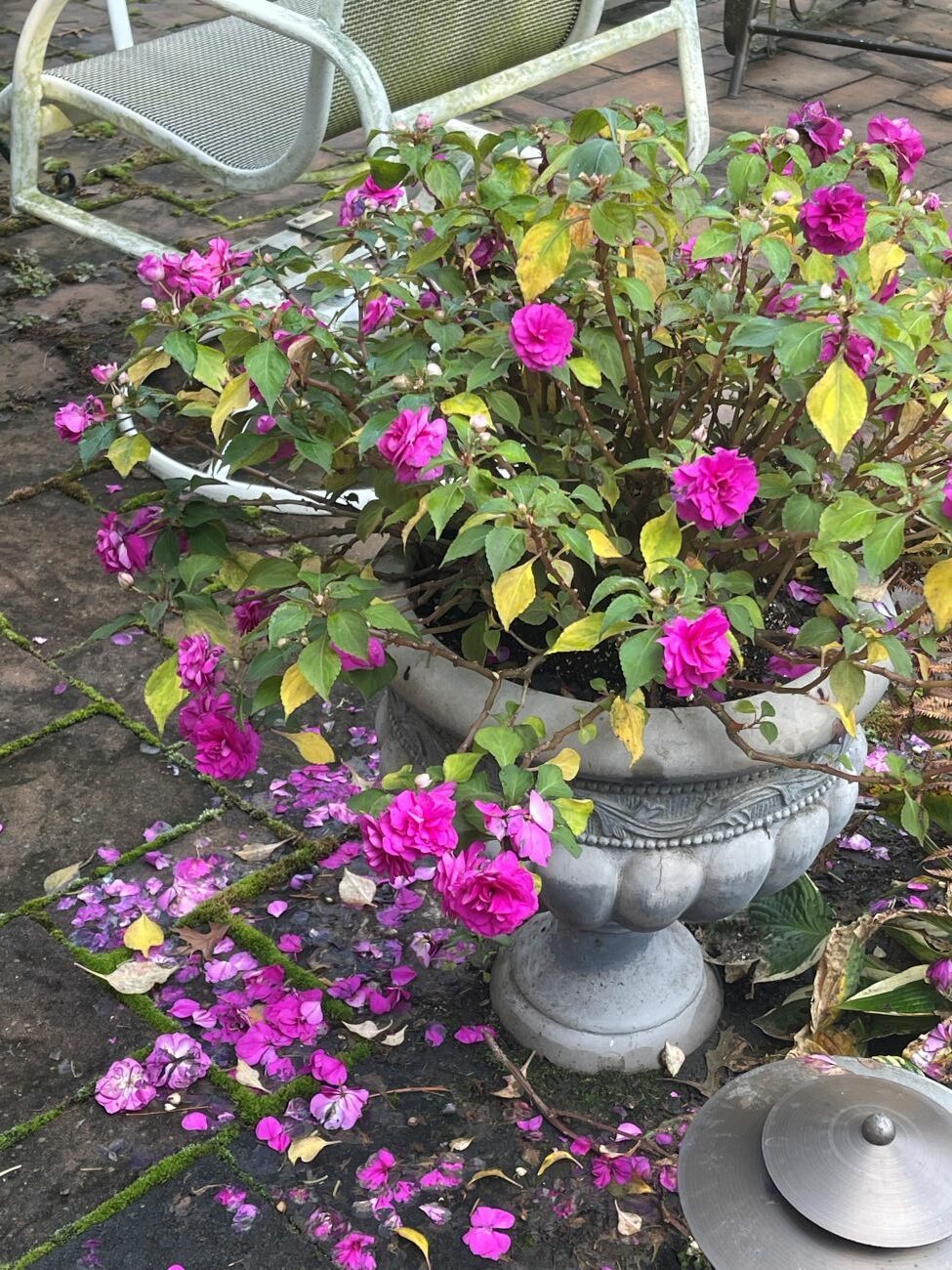
Nearby, a weathered brick patio serves as a stage for container plantings that continue to punch above their weight late into the season. An ornamental stone urn planter overflows with bright magenta double begonias, an annual variety that refuses to fade quietly into the background. Even as the flowers age, the scattered petals fall across the weathered brick surface, creating a transient, colorful carpet that enhances the rustic charm of the patio space.
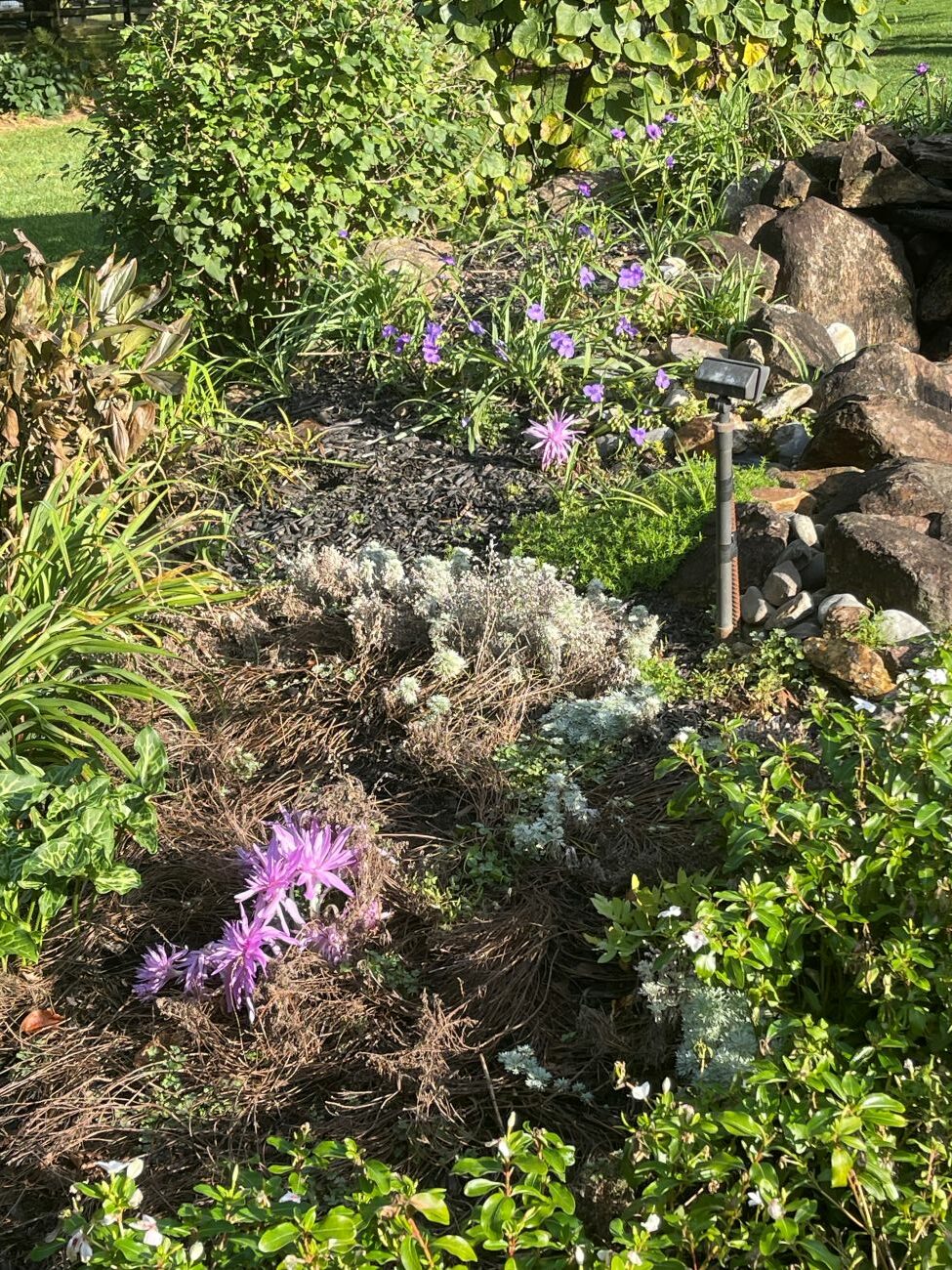
Further enriching the late-season landscape are the surprising blossoms of colchicums, often colloquially known as autumn crocuses. These remarkable bulbs provide a welcome seasonal twist by emerging long after their spring foliage has completely died back and disappeared. Their lavender-pink flowers pop up unexpectedly through the natural rock garden borders and mixed perennial plantings, offering a delightful visual surprise just as many other garden residents are going dormant for the winter.
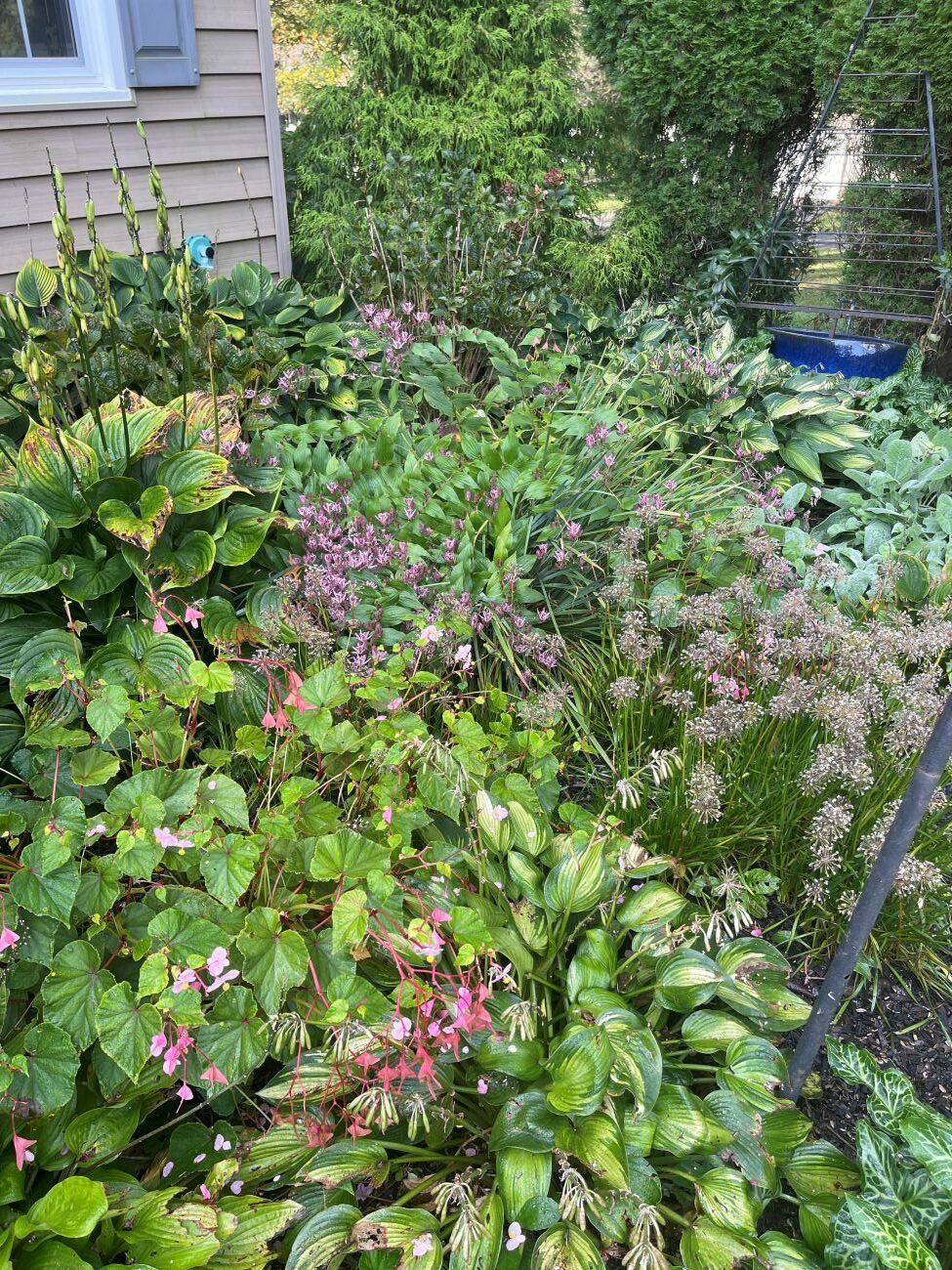
For Rhonda, the crown jewel of this transitional period is her collection of hardy begonias, specifically Begonia grandis, which thrive across Zones 6 through 9. Up close, the delicate pink flowers of these dependable shade perennials mingle effortlessly with the broad, textured leaves of nearby hostas and other moisture-loving shade species. The juxtaposition of fine begonia blooms against the bold architecture of hosta foliage creates a textural richness that defines the late-season character of the West Grove garden.
While traditional landscape design often steers gardeners toward the blazing warmth of autumn mums and ornamental grasses, Rhonda’s garden serves as a refreshing reminder that shade gardens possess their own distinct, quiet elegance as the weather cools. The dominance of pinks and lavenders provides a sophisticated alternative to the conventional seasonal palette, proving that a garden can remain engaging, beautiful, and deeply personal right up until the first hard frost of winter.

For those inspired by Rhonda’s late-season sanctuary, opportunities to share similar horticultural journeys remain open through ongoing community features and garden showcases. Gardeners everywhere continue to document their seasonal successes, favorite plant collections, and unique landscape designs, contributing to a broader conversation about the joys and challenges of cultivating living spaces across diverse growing zones.