New European regulations are directly challenging the fashion industry’s deeply entrenched take-make-waste model. However, crucial product exclusions and a failure to curb raw manufacturing volumes leave lingering questions about just how far the sector is willing to transform.
The European Union is officially banning fashion companies from destroying unsold clothing, accessories, and footwear. Enforced under the sweeping Ecodesign for Sustainable Products Regulation (ESPR), the new directives require large businesses to actively explore alternative solutions—such as secondary market resale, charitable donations, professional repair, and systemic reuse—rather than discarding surplus stock.
This policy targets a long-standing, often opaque practice within the global apparel industry, where perfectly functional merchandise has routinely been destroyed to manage inventory imbalances and strictly preserve brand exclusivity. While the ban marks a monumental regulatory stride toward mitigating mounting textile waste, notable exclusions for specific luxury goods highlight an ongoing tension: how much can legislation genuinely reform an industry whose core commercial framework depends on producing more than the market demands?
The Staggering Environmental Cost of Manufactured Waste
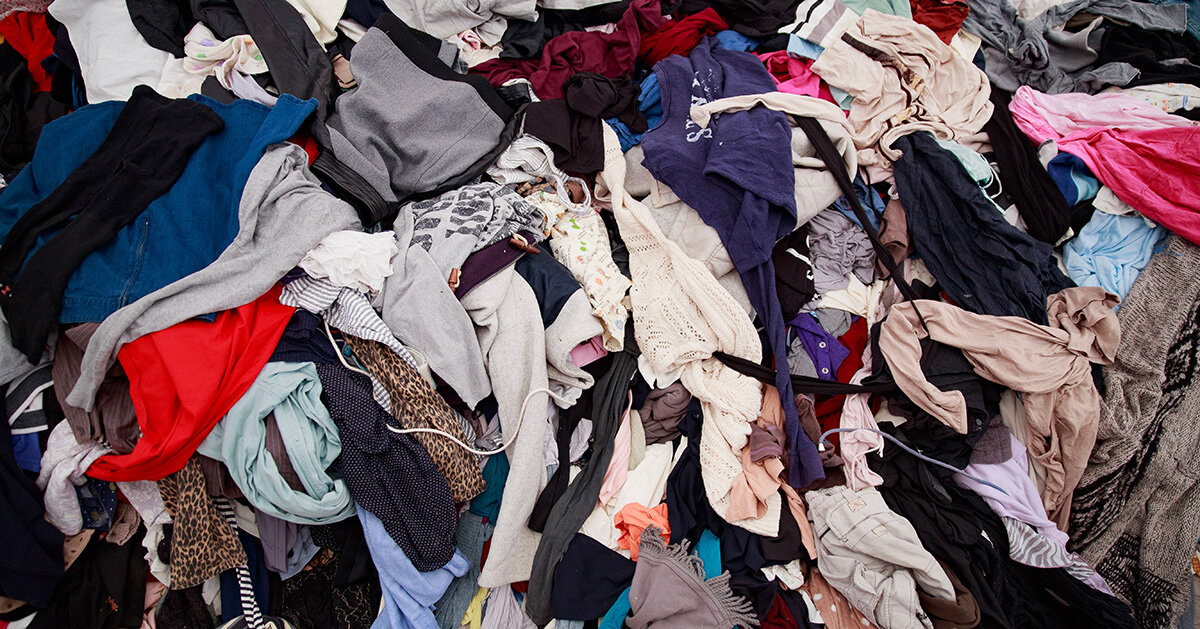
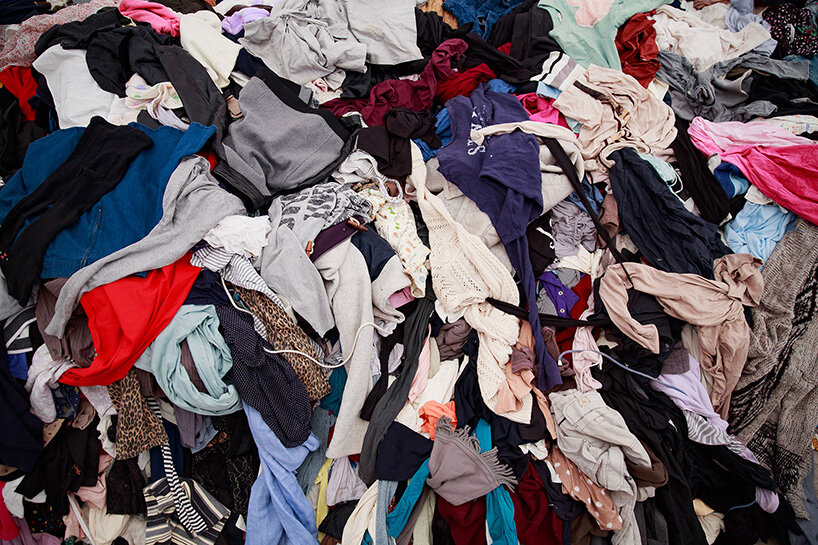
According to data compiled by the European Environment Agency (EEA), an estimated 4 to 9 percent of all textile products placed on the European market are destroyed before they ever reach a consumer’s hands. This translates to an astonishing 264,000 to 594,000 tons of textiles discarded annually.
These figures encompass both returned merchandise and unsold inventory, vividly illustrating the sheer scale of natural and human resources poured into manufacturing objects that never fulfill their intended purpose. Every single garment carries a heavy ecological footprint, beginning with raw material extraction and agricultural processing, moving through energy-intensive dyeing and manufacturing stages, and finishing with packaging and international shipping. When a pristine, fully functional item is destroyed, the entire network of resources invested in its creation is fundamentally squandered.
Crucially, this systemic issue is not isolated to the fast-fashion segment. Luxury brands have frequently come under intense public scrutiny for destroying unsold inventory to protect their market exclusivity and control distribution channels. This practice presents a profound paradox for an industry that markets its high valuation around meticulous craftsmanship, superior quality, and durable design. EEA analyses emphasize that overproduction remains a systemic crisis within the wider textile economy. Brands routinely manufacture safety buffers—producing units far exceeding projected consumer demand—to ensure shelves remain stocked. Yet, when those surplus products fail to sell, the environmental toll of their production does not simply vanish.
What the EU’s New Regulatory Framework Prohibits
The ban represents a cornerstone of the Ecodesign for Sustainable Products Regulation (ESPR), which first came into force in 2024 as part of the European Union’s broader strategy to mandate greater product durability, repairability, recyclability, and resource efficiency.
Implementation is being rolled out in phases. Large companies operating within the EU market became subject to the prohibition on destroying unsold apparel, clothing accessories, and footwear starting July 19, 2026. Medium-sized enterprises will face the exact same legal restrictions beginning in July 2030, while micro and small businesses remain exempt from these immediate mandates.
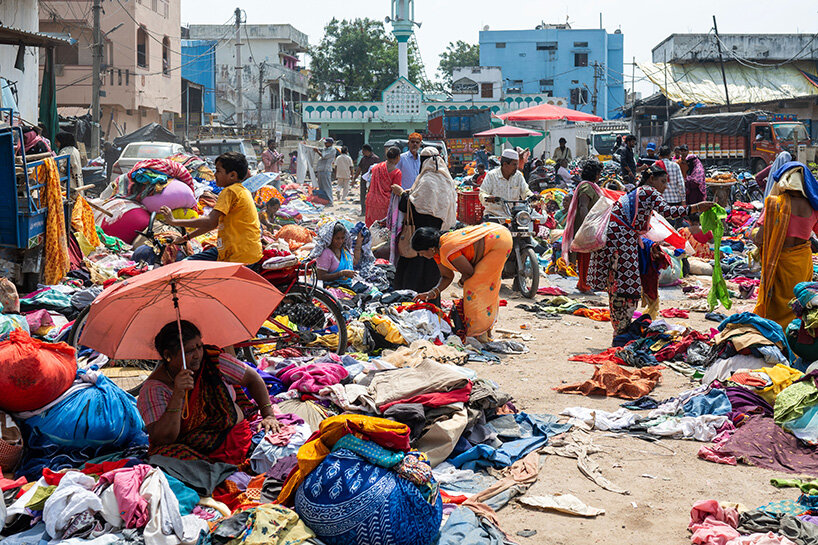
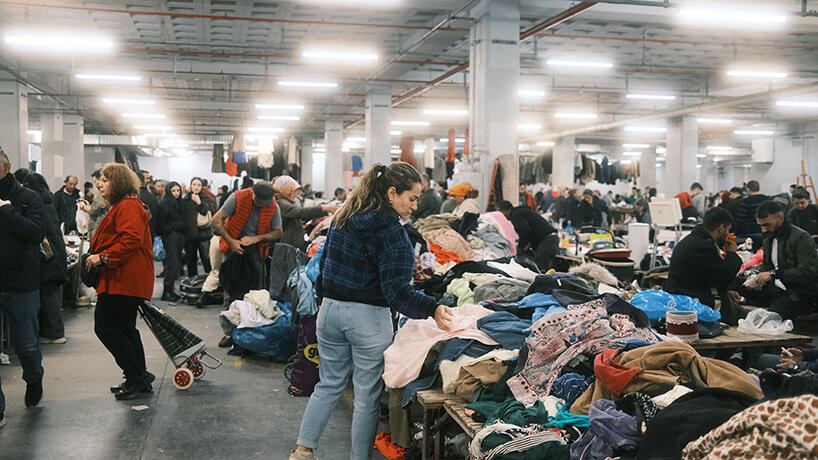
To comply, businesses must engineer viable alternatives that keep surplus commodities circulating within the economy. Permitted pathways include selling excess inventory through discounted outlets, donating items to accredited charities and social enterprises, and preparing items for prolonged reuse through structural repair, refurbishment, or complete remanufacturing.
Furthermore, the legislation introduces unprecedented corporate accountability and transparency measures. Companies are legally obligated to publicly disclose detailed data concerning discarded unsold products, provide robust supporting documentation whenever they rely on permitted regulatory exceptions, and maintain comprehensive compliance records for a period of five years so national authorities can audit operations. While destruction is not outlawed under every conceivable scenario, it must fall strictly within narrow derogations and adhere to the established waste management hierarchy, which prioritizes recycling above all. The overarching objective is to pivot away from a linear economic model—where goods are manufactured, temporarily displayed, and summarily discarded—toward a circular system that preserves material and functional value.
The Exceptions That Leave Luxury Fashion in a Gray Area
Despite its ambitious scope, the regulation does not encompass every commercial product category, exposing certain limitations that directly affect the luxury fashion sector.
One prominent exclusion involves leather handbags and similar high-end containers. Although leather clothing and apparel accessories fall squarely under the destruction ban, leather handbags are categorized separately and are omitted from the list of restricted items. Consequently, an unsold leather jacket is protected by the prohibition, while an unsold leather handbag is not. Legal analysts point out that this is not a deliberate loophole carved out exclusively for luxury powerhouses, but rather a structural artifact of how the legislation defines its product categories. Nonetheless, it leaves a massive segment of high-value fashion goods entirely outside this specific regulatory fence.

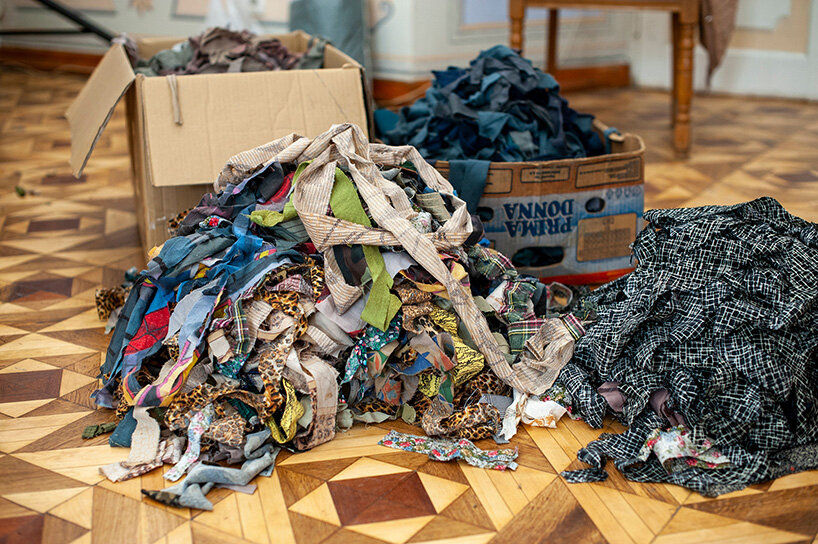
The regulation also outlines specific exemptions where destruction remains permissible. These include dangerous products, items that fail to comply with existing product safety legislation, or goods proven to infringe upon intellectual property rights. Furthermore, products that have suffered physical damage, structural deterioration, or severe contamination rendering them unsuitable for human use may qualify for destruction, provided that technical repair or refurbishment is demonstrated to be unfeasible or economically unjustifiable.
Another notable provision addresses items that cannot be prepared for reuse or remanufacturing because removing or permanently concealing protected brand labels, signature logos, or recognizable design traits is technically impossible. For luxury houses whose commercial equity relies heavily on iconic branding and protected signatures, this provision requires careful navigation. However, it does not function as a blank check allowing companies to incinerate unwanted inventory purely to safeguard aesthetic prestige.
Additional provisions permit destruction only after a brand has formally offered the surplus stock for donation to at least three suitable social economy organizations within the EU, or listed the items on an accessible company website for a minimum of eight weeks without receiving acceptance. Even items that have already been donated may eventually be destroyed if no recipient organization ultimately claims them.
Banning Destruction Is Not the Same as Stopping Overproduction
Perhaps the most significant critique of the legislation is that it regulates the symptoms of the crisis—what happens to unsold inventory—rather than the root cause: why so much excess is produced in the first place.

A fashion brand can technically comply with the new ban while continuing to manufacture vastly more garments than the consumer market can absorb. Corporations can simply discount, redistribute, donate, or redirect excess stock toward secondary markets without fundamentally altering their primary production targets.
Moreover, questions remain regarding the long-term efficacy of donation and reuse schemes as global solutions. Merely shifting products across borders does not guarantee they will be worn, repaired, or integrated meaningfully into alternative consumer economies. Without rigorous supply chain management, surplus garments often cascade through complex international trade networks before eventually terminating as waste in regions with inadequate municipal waste management infrastructure.
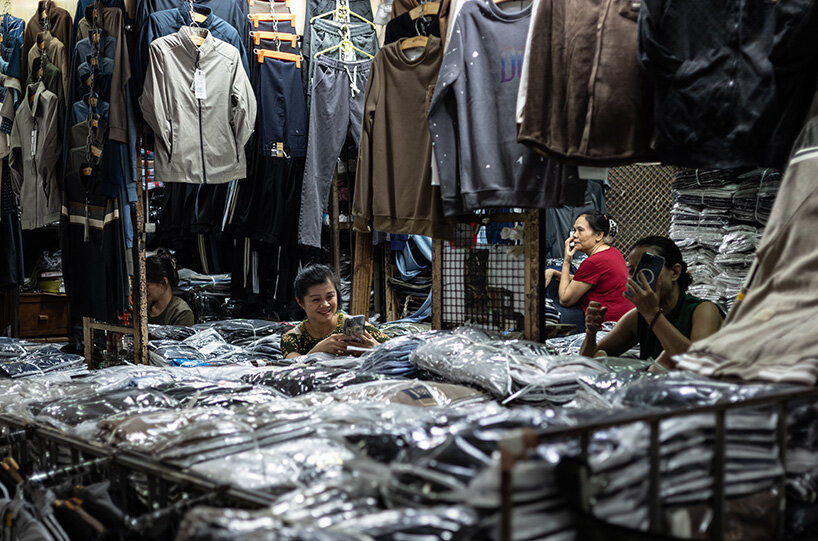
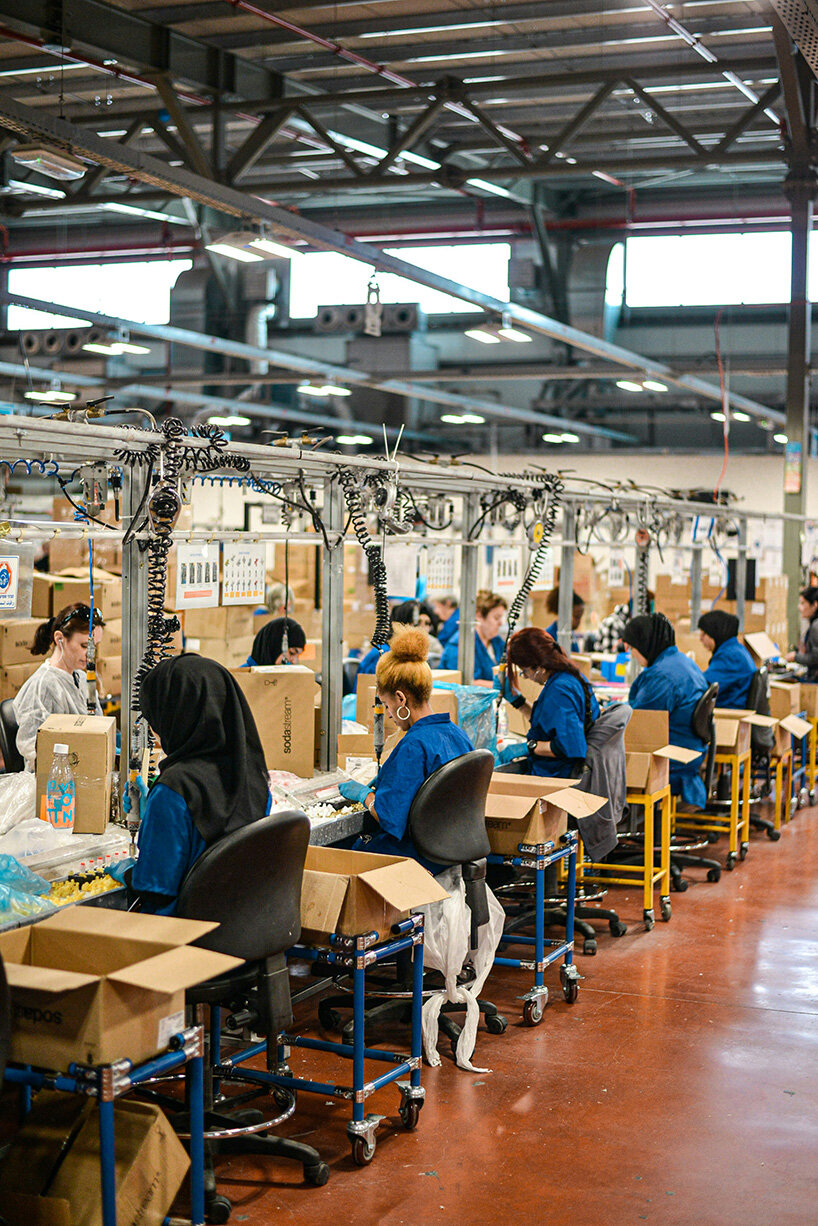
Shifting excess inventory out of domestic sight does not erase its environmental impact. A truly circular approach demands systemic changes that go far beyond finding alternative destinations for unwanted goods. It requires recalibrating production volumes, sharpening demand forecasting models, engineering garments for longevity, investing heavily in local repair infrastructure, and injecting complete transparency into every stage of a product’s lifecycle.
Reimagining Material Value in a Post-Waste Economy
The European Union’s sweeping ban is widely regarded as a vital step forward, yet it exposes deep-seated contradictions within the luxury fashion business model. Historically, select brands have chosen to destroy unsold inventories rather than release them onto discount markets, driven by the fear that lower price points would dilute the meticulously crafted aura of exclusivity surrounding their labels.
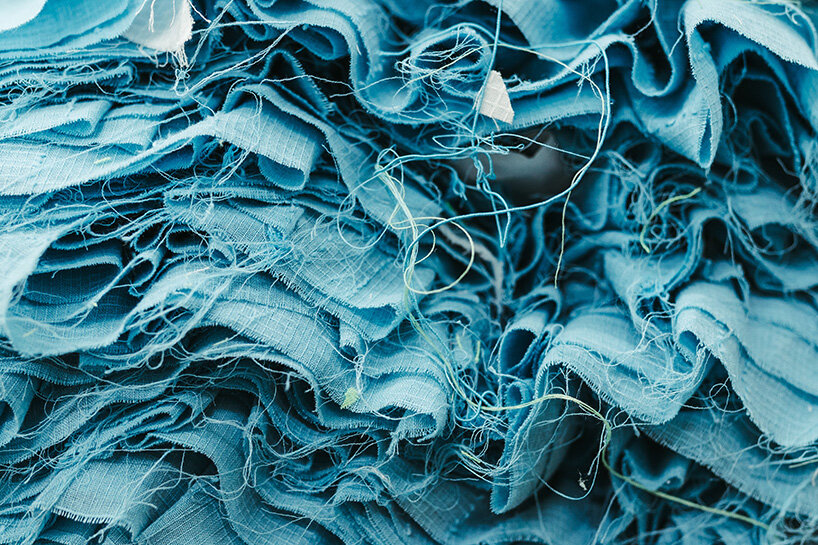
Ultimately, the core dilemma extends beyond the physical fate of unsold clothes to the sheer volume of goods brought into existence. While the new regulatory framework effectively prevents corporations from destroying portions of their surplus stock, it exerts no direct pressure on the industry’s relentless drive to manufacture more. Until that underlying imperative shifts, the fashion industry will continually find itself grappling with mountains of surplus it cannot sell.