The intersection of architecture, interior design, and contemporary culture continues to produce innovative spaces and objects that redefine how we experience our physical environment. Recent developments in the design world highlight a growing interest in materiality, acoustic excellence, spatial storytelling, and imaginative adaptations of popular culture. From listening restaurants in Paris to monumental art translating into wearable accessories, and architectural experiments inspired by gaming icons, contemporary creators are actively reshaping the built and functional environment.
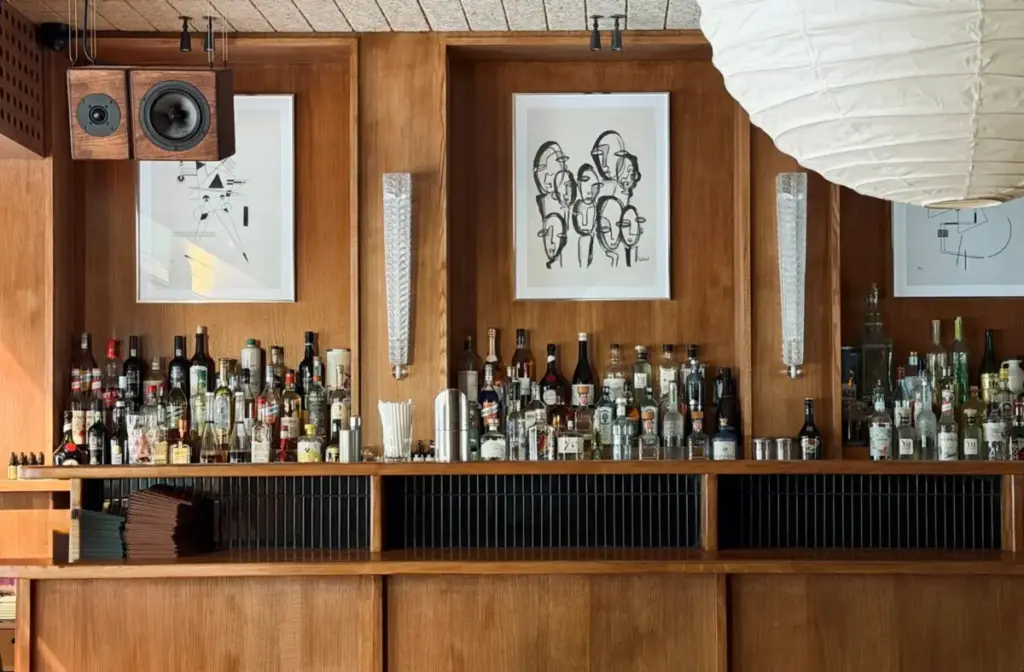
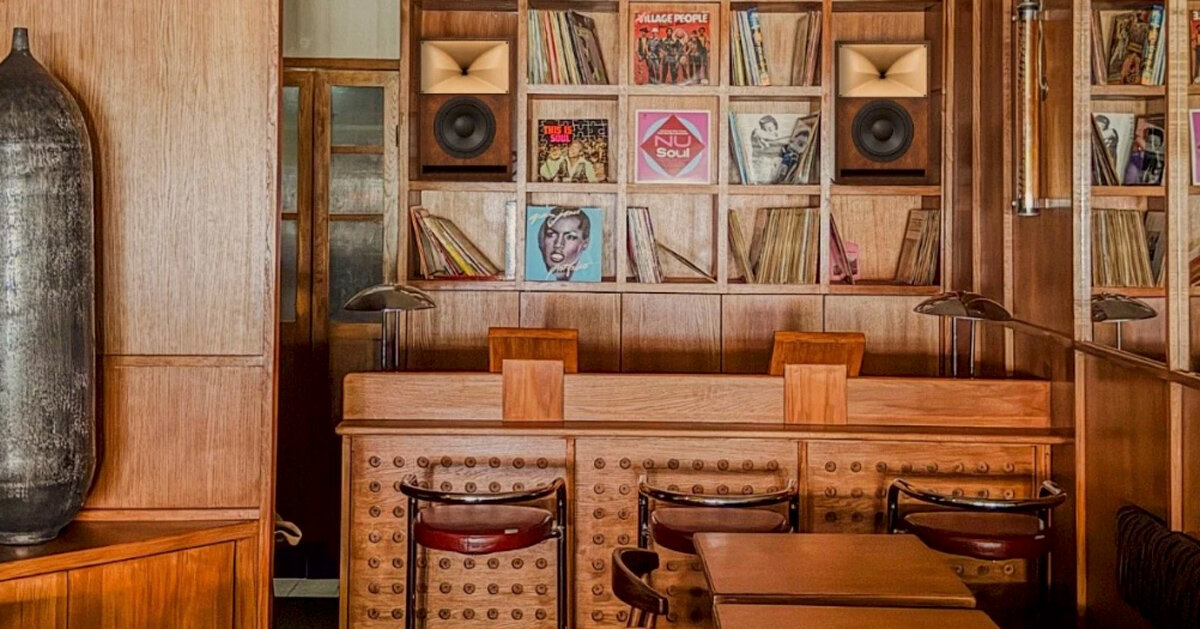
Central to these current conversations is the newly unveiled Sobo listening restaurant in Paris, a space where interior architecture and auditory experience converge. The material palette deployed within the venue combines warm tones with a contemporary spatial language, creating an environment that is both visually inviting and acoustically optimized. Listening bars and restaurants—spaces dedicated to high-fidelity sound reproduction paired with dining and social gathering—have seen a resurgence in urban centers globally, demanding specialized architectural interventions. At Sobo, elements such as acoustic panels are seamlessly integrated alongside warm oak finishes and vintage furniture, demonstrating a thoughtful approach to interior curation where form and function work in tandem to support the sensory experience of patrons.
This emphasis on spatial experience and materiality extends beyond hospitality design into the realms of luxury goods and experimental habitation. In the realm of product design, iconic sculptures frequently find new life in scaled-down functional formats. A prominent recent example involves artist Jeff Koons translating his monumental balloon dog sculptures into a wearable 42-millimeter timepiece in collaboration with watchmaker Hublot. By shrinking the playful, reflective silhouette of the famous balloon animal into a watch design, the collaboration bridges the gap between contemporary fine art and luxury horology, allowing a piece of high-profile sculpture to move from public galleries and collections onto the human wrist.
Meanwhile, in Japan, the boundaries of architecture and pop culture are being pushed even further through imaginative residential and hospitality concepts. A striking project by NOT A HOTEL reimagines the universally recognized Pokémon ball, scaling up the iconic sphere into a fully inhabitable hotel in Japan. This venture brings the fantastical world of Pokémon directly into the physical built environment, offering visitors a compact retreat shaped entirely around sleep and relaxation. By transforming a digital and toy-culture motif into a human-sized sleeping pod and architectural dwelling, the project explores novel modes of habitation that challenge traditional architectural typologies and cater to niche cultural experiences.
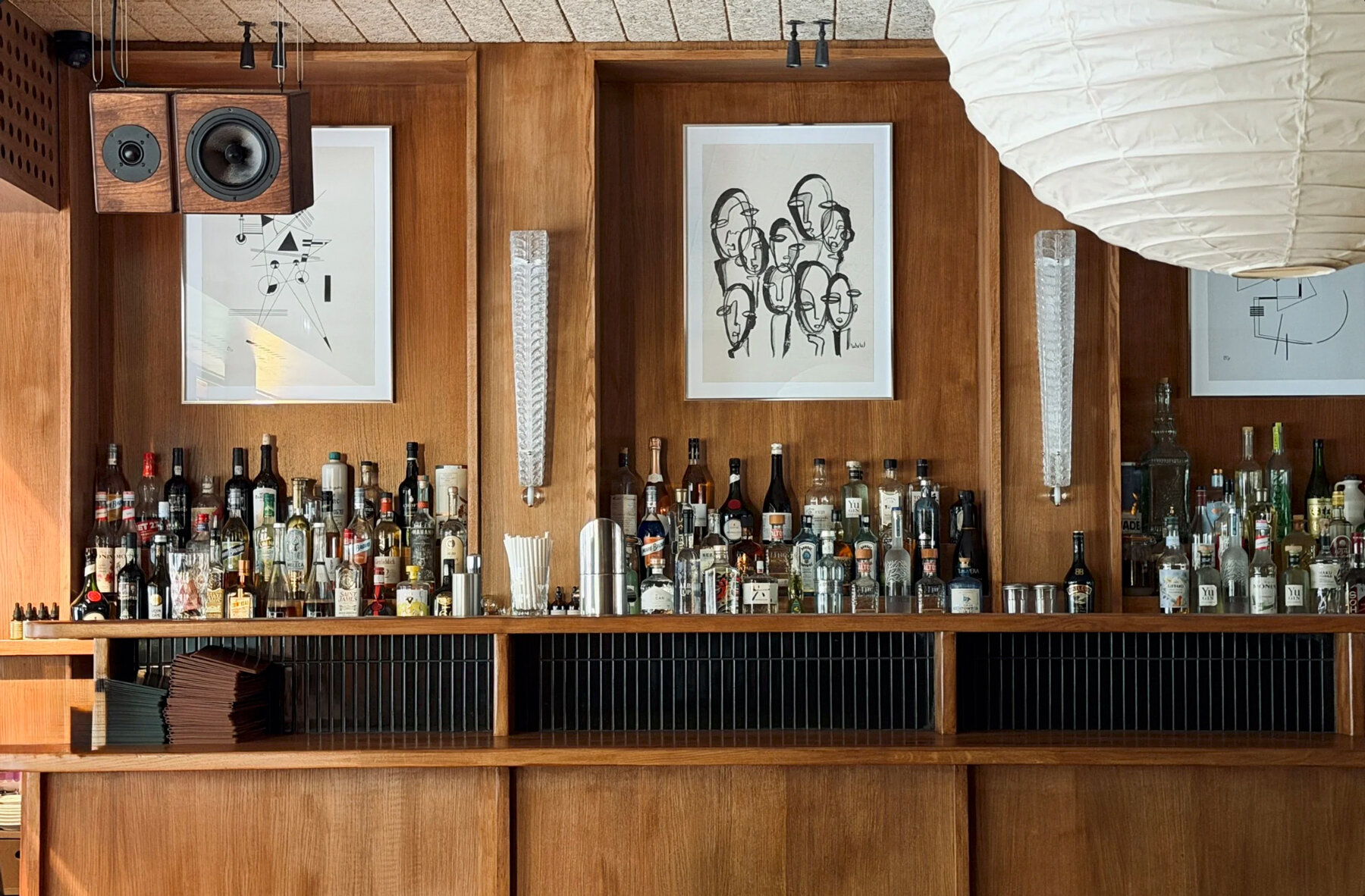
Such experimental living arrangements and spatial designs frequently take center stage at major cultural events, such as the recent gatherings held during Paris Design Week. The inaugural events of the designboom.paris travelling series brought together a dynamic community of international designers, architects, industry collaborators, and creative enthusiasts for a week characterized by lively conversations, exhibitions, and hands-on making activities centered in the historic Marais district. These gatherings provided a vital platform for discussing broader shifts in how humans occupy space, prompting critical examinations of everyday design.
Discussions around modes of habitation continually reveal that the spaces we inhabit are far from passive backdrops; rather, they act as active participants in everyday life. The architectural layouts, furniture choices, and material selections of our environments fundamentally shape how we move through our days, how we work, how we rest, and how we encounter and interact with others. Whether through the acoustic attentiveness of a Parisian dining venue, the playful scale manipulation of luxury timepieces, or the whimsical architectural translation of gaming culture into habitable pods, contemporary designers are actively interrogating the relationship between humans and their surroundings.