As the sweltering heat of summer begins to fade into the crisp, refreshing air of September and October, a common misconception often takes hold among backyard enthusiasts: the gardening season is officially over. For generations, traditional gardening calendars have dictated that autumn marks the winding down of outdoor labor, the clearing of spent annuals, and the final putting-to-bed of soil beds until the distant thaw of spring.
However, a growing movement of horticulturists and home gardeners is challenging this conventional wisdom, recognizing that autumn can actually be one of the most productive, peaceful, and rewarding periods of the entire agricultural year. With the arrival of cooler days, softer and more forgiving sunlight, and a dramatic reduction in the population of troublesome garden pests, conditions often align to favor a completely new wave of cultivation.
By applying a modest amount of advanced planning and utilizing the right protective equipment—most notably, effective greenhouse covers—gardeners across various regions are discovering that they can keep their raised beds, garden plots, and container setups thriving deep into the colder months. Rather than signaling a complete halt to cultivation, autumn is increasingly being viewed as a vital second act for the backyard landscape.
Fall as a Season of Renewed Growth and Soil Reset
To understand the full potential of autumn gardening, experts suggest shifting the fundamental perspective of what the season represents. Fall is rarely just an ending; instead, it functions as a biological reset button for the backyard ecosystem. As ambient temperatures drop and the intense solar radiation of midsummer subsides, many cool-season plants undergo a fascinating physiological shift. Rather than pouring their energy into rapid leaf and stem development, they redirect their resources downward, focusing heavily on root establishment and structural fortification.
This subterranean growth builds a remarkably resilient foundation. Plants that establish their root systems during the gentle, moisture-rich weeks of autumn are exceptionally well-equipped to endure the harsh freeze of midwinter and emerge with explosive vigor when spring returns. Consequently, preparing and planting beds in the autumn months does not merely yield immediate harvests; it provides a profound head start for the entire agricultural cycle of the subsequent year.
When viewed through this strategic lens, autumn garden maintenance transforms from a chore of dismantling summer crops into an active investment in year-round productivity. With the right structural frameworks in place, garden beds can simultaneously supply fresh greens for the kitchen table while safeguarding the long-term health of the soil and root networks below.
Selecting the Ideal Crops for Chilly Weather
Achieving success with an autumn garden begins with selecting the appropriate plant varieties. Warm-weather staples like tomatoes, peppers, and cucumbers inevitably succumb to the first serious chill, but a vast array of cool-season crops actually prefer the crisp environment of autumn. In fact, many leafy greens and root vegetables undergo chemical changes when exposed to light frosts, converting starches into natural sugars that dramatically enhance their flavor and texture.
Among the most reliable performers for autumn cultivation are hardy greens such as kale, Swiss chard, spinach, and various types of mustard greens. Root crops like carrots, radishes, beets, and turnips also thrive as soil temperatures moderate, developing deep flavors and crisp textures that summer heat often prevents. Brassicas, including broccoli, cabbage, and Brussels sprouts, find their stride during this transitional window, maturing slowly and steadily in the cooler air.
To maximize the output of limited garden space—particularly in raised beds constructed from durable materials like Western red cedar—gardeners often employ succession planting techniques. By checking local frost dates and planting seeds or seedlings in small, staggered waves rather than all at once, cultivators can ensure a continuous, manageable harvest rather than an overwhelming glut of produce all at once. Furthermore, pairing upright, leafy greens with deep-growing root crops allows for efficient utilization of vertical and subterranean space, ensuring that every square inch of soil remains actively productive.
The Definitive Advantage of Greenhouse Covers
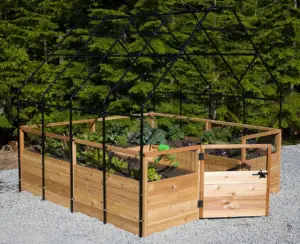
Even the hardiest autumn crops have their limits, and sudden, unseasonable drops in temperature can abruptly end a promising harvest. This is where modern protective infrastructure, particularly greenhouse covers, becomes indispensable. Whether deployed as a simple floating row cover draped directly over crops, a hoop-style mini greenhouse arching across a bed, or a robust, custom-fit enclosure designed for tiered raised beds, these structures alter the immediate environment to create a stable, nurturing microclimate.
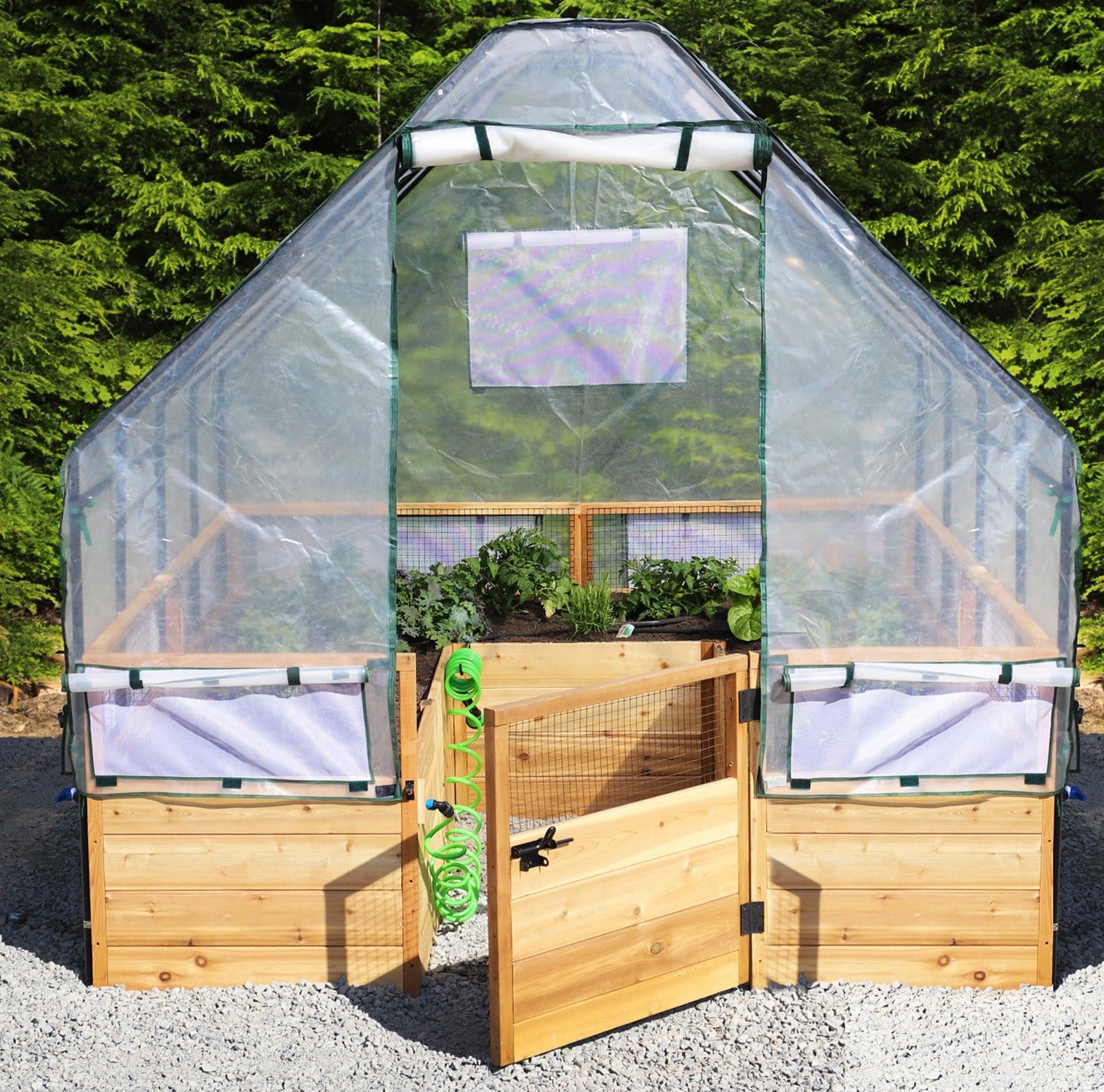
The implementation of a greenhouse cover offers several distinct physiological and environmental benefits for plants struggling against the elements. First and foremost is frost protection. By intercepting the downward radiation of heat from the soil and plants into the night sky, a quality cover shields tender foliage from the biting damage of early frosts and unexpected autumn cold snaps.
Temperature stability is another critical advantage. Unprotected autumn gardens often suffer from dramatic fluctuations between warm afternoon sun and freezing nighttime air, a cycle that can shock plant tissue and stunt growth. Enclosures act as a thermal buffer, smoothing out these extremes and encouraging steady, uninterrupted development.
Additionally, greenhouse covers serve as an effective physical barrier against autumn pests. While many summer insects die off as weather cools, others seek out remaining food sources; a secure cover keeps caterpillars, aphids, and flying insects at bay without requiring the application of chemical sprays or deterrents.
Moisture retention is similarly improved beneath a cover. By minimizing the drying effects of crisp autumn winds and reducing surface evaporation, these structures help maintain an evenly moist soil profile, reducing the frequency with which gardeners need to water while protecting delicate root zones from water stress.
Ultimately, these combined factors culminate in the most sought-after benefit of all: a significantly extended growing season. With proper protection, many cool-season crops can survive and continue to produce for weeks—and in some regions, months—far beyond the traditional agricultural timeline.
Practical Approaches to Setting Up Protective Enclosures
Maximizing the effectiveness of a greenhouse cover requires careful installation and ongoing management. The process begins with choosing a quality product tailored to the specific dimensions and layout of the garden space. The ideal cover must possess high light-transmittance properties to ensure plants receive adequate illumination during shorter autumn days, while simultaneously offering sufficient thermal retention capabilities to trap residual warmth through chilly nights.
Once selected, the physical installation must prioritize structural integrity. Frames, hoops, and anchoring points need to be secured firmly into the soil or attached securely to raised bed structures to withstand the increasingly gusty winds and heavy rains that frequently characterize autumn weather. It is equally important to ensure that the height and span of the enclosure provide ample vertical clearance, allowing plants room to reach maturity without pressing against the cold barrier of the material.
Management does not end with installation. Active monitoring of internal conditions is essential, particularly on unexpectedly mild, sunny autumn days. Because greenhouse covers efficiently trap heat, interior temperatures can rise rapidly even when the ambient outdoor air feels crisp. Gardeners must remain vigilant, opening designated vents, rolling up side panels, or partially lifting covers during the warmest hours of the day to prevent overheating and excessive humidity buildup. As evening approaches and temperatures begin to plummet once more, these access points must be securely sealed to lock in the day’s accumulated warmth.
Blending Agricultural Productivity with Seasonal Aesthetics
Beyond the practical advantages of fresh food production and extended timelines, utilizing covered raised beds in the autumn offers a unique opportunity to enhance the visual appeal of the entire outdoor living space. A well-tended garden during the transitional months does not need to look neglected or utilitarian.
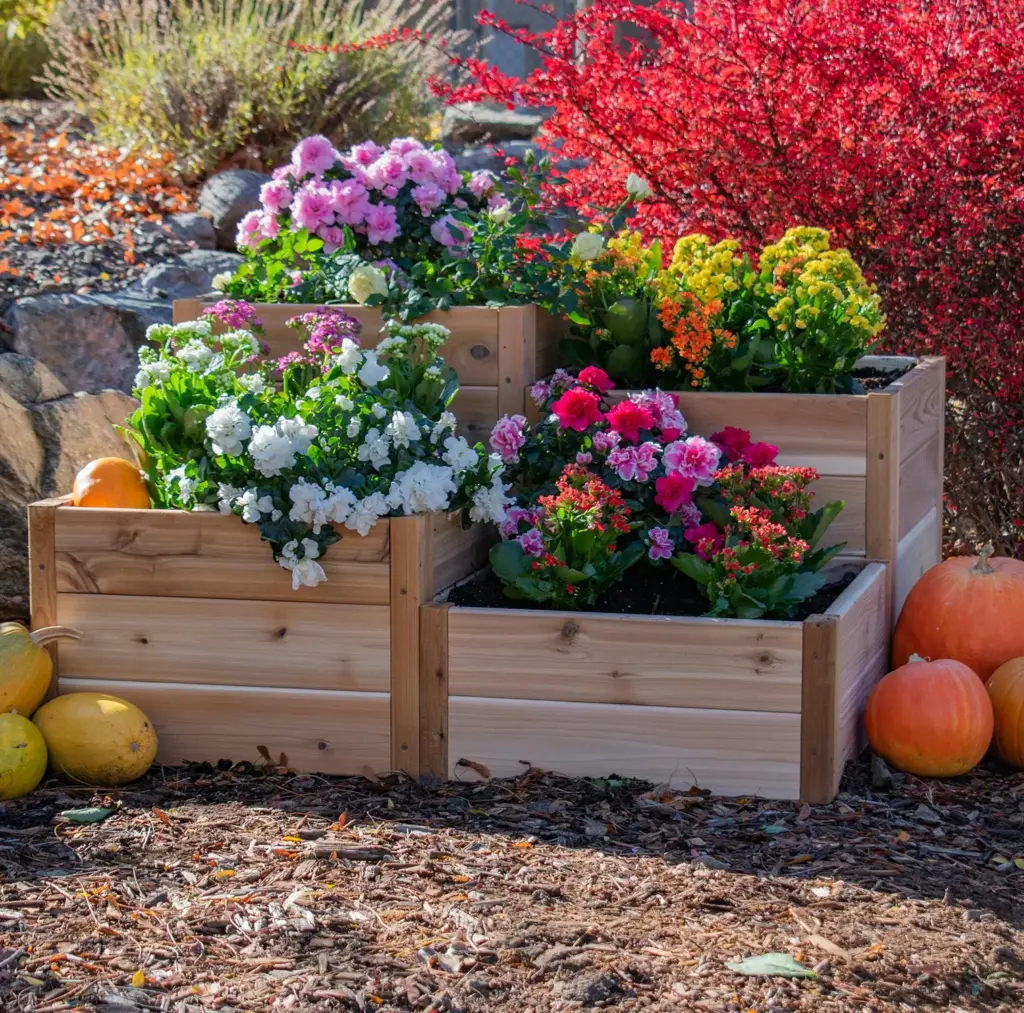
By integrating vibrant, cold-hardy greens alongside traditional autumn ornamentation—such as decorative pumpkins, gourds, and seasonal foliage arranged thoughtfully around the perimeter of structured cedar raised beds—gardeners can create a warm, inviting atmosphere. This thoughtful pairing transforms the backyard into a cohesive, aesthetically pleasing environment that celebrates the changing season while quietly continuing to cultivate life right up until the threshold of winter.