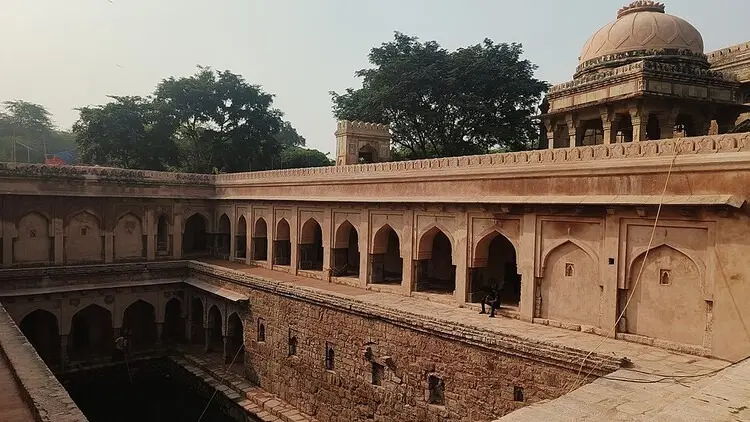
India’s stepwells and ancient water reservoirs are most frequently encountered after their active, functional lives have long since concluded. Today, tourists and photographers capture them as picturesque monuments, while historians and conservationists interpret them as tangible evidence of a sophisticated water culture that once thrived across the subcontinent. Yet, deep beneath the intricately carved stone walls and the long, descending flights of geometric stairs lies a pressing, practical question: what happens when a monumental structure built specifically to manage, harvest, and preserve water is put back to work?
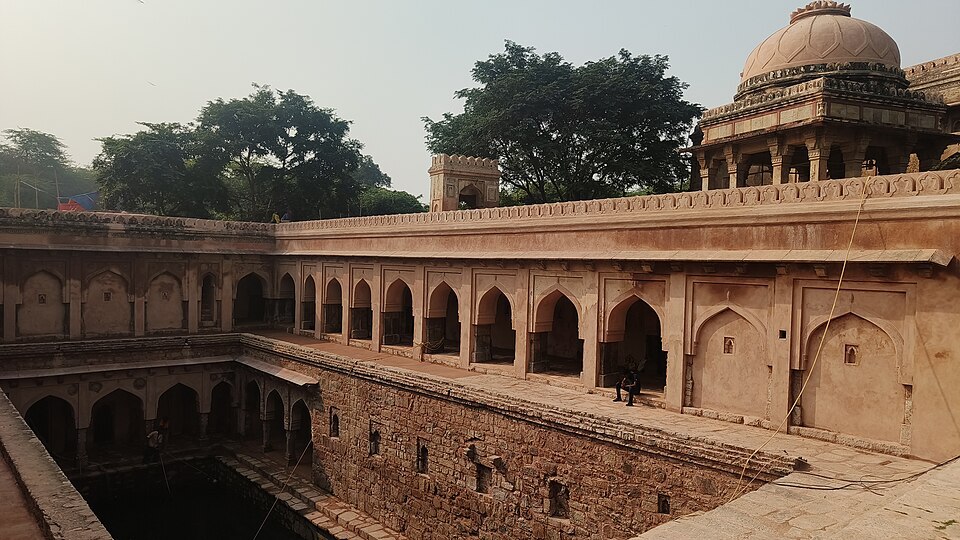
As modern Indian cities grapple with escalating water stress, unpredictable seasonal monsoons, and mounting pressure on overburdened municipal utility systems, urban researchers, hydrologists, and restoration experts are examining whether these traditional water structures can once again function as active pieces of civic infrastructure. Rather than treating these sites purely as static heritage assets, contemporary studies are investigating how ancient indigenous technologies might be revived to supplement twenty-first-century urban water management.
Traditional water architecture in India was rarely designed as an isolated, decorative object. Instead, it was deeply embedded in the physical layout, social organization, and daily rituals of the city. In Ahmedabad, for instance, water management was woven directly into the fabric of the historic residential neighborhoods known as pols. Within these dense urban clusters, a distributed system of community wells, shared courtyards, and underground storage reservoirs—locally referred to as Tankas—formed a comprehensive network for both domestic and communal water storage. A recent 2026 study published in the academic journal Built Heritage estimates that nearly 10,000 such historical Tankas may still exist across Ahmedabad, with a vast majority situated quietly beneath domestic courtyards and private homes.
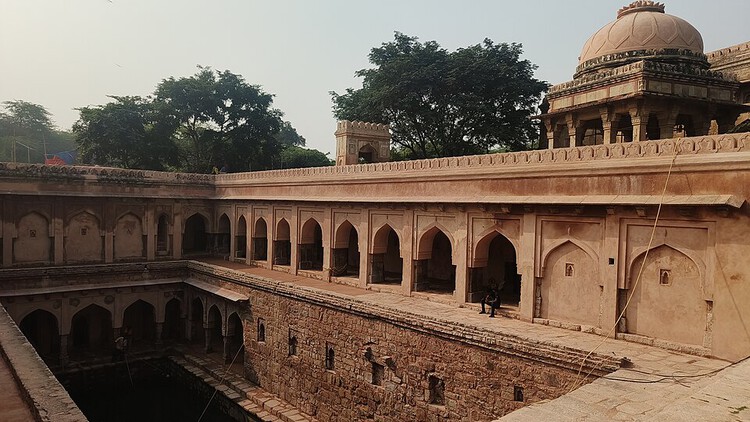
The construction of the Tanka was deceptively simple in its engineering, but its successful operation depended on several components of a building working together seamlessly. Rainwater was carefully collected from rooftops and paved courtyards, directed downward through specialized drainage channels, and safely stored within lime-lined underground chambers. These structures were typically built several meters below ground level using durable local materials, including stone, brick, and traditional lime mortar. Their interior bases were often built with a slight slope to allow accumulated sediment to be easily swept away during seasonal cleaning routines.
Through this integrated design, water storage was not separated from domestic life; rather, the building itself became an active part of the urban catchment and storage infrastructure. By the late nineteenth century, more than 200 community wells had been constructed within Ahmedabad’s historic pols, while records show that only 14 of the 94 documented monumental stepwells in greater Ahmedabad lie within the bounds of the historic Walled City.
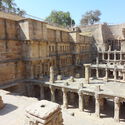
While the monumental stepwell—with its dramatic descending tiers and ornate architectural detailing—remains the most globally recognizable image of India’s water heritage, smaller neighborhood wells and domestic Tankas often proved far more practical for dense urban neighborhoods where space was at a premium. However, as the nineteenth century progressed, the rapid expansion of piped municipal infrastructure and centralized stormwater drainage systems gradually rendered these household and neighborhood rainwater harvesting systems less necessary in the eyes of city planners.
The establishment of major centralized municipal projects, such as the Dudheshwar Water Works in 1892, marked a significant turning point in this wider infrastructural shift toward centralized water supply. Over time, the physical presence of the Tanka remained intact while its original operational role quietly disappeared. For generations, a Tanka might sit undisturbed beneath a family home, even as the water consumed inside the building arrived continuously through a municipal metal pipe rather than being harvested from a monsoon-drenched roof.
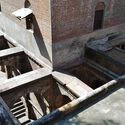
Ahmedabad’s distinct geology offers one key explanation for the historical proliferation of the underground Tanka. The historic Walled City sits atop dense, impermeable clay strata, where the natural water table is often located deeper than forty meters below the surface. Under such challenging hydrogeological conditions, digging, deepening, and maintaining traditional groundwater wells could prove exceptionally difficult and labor-intensive.
Collecting rainwater close to where it actually fell provided a reliable alternative, particularly within a dense urban fabric where large-scale surface water structures were nearly impossible to accommodate. The courtyard effectively became a catchment area, the floor served as a structural threshold leading directly to an underground reservoir, and the private home became an indispensable node in a decentralized water network. Furthermore, the 2026 Built Heritage study revealed through resident surveys that 90 percent of local participants expressed a strong willingness to reintegrate Tanka water back into the contemporary urban system. At the same time, the study highlighted significant practical hurdles, pointing to complex challenges surrounding local governance, property ownership, financial incentives, and strict modern water quality standards.
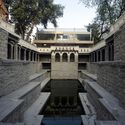
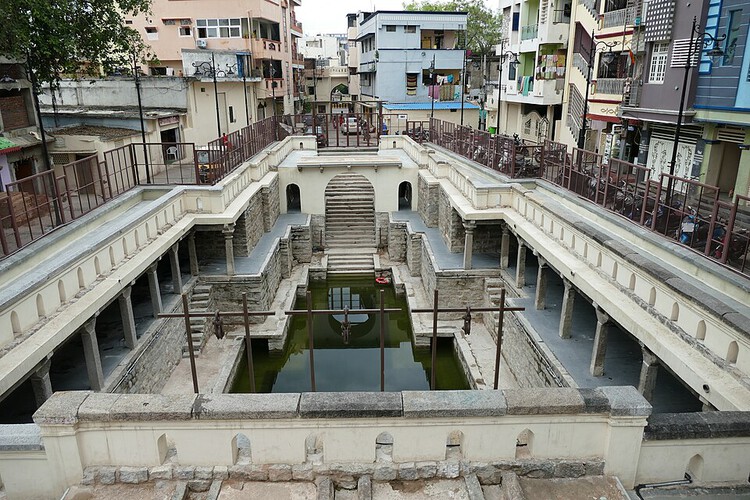
A distinctly different case study in urban water revival can be found in Hyderabad, where the seventeenth-century Bansilalpet Stepwell underwent a remarkable transformation. For decades, the historic stepwell had effectively vanished from public view, buried entirely beneath thousands of tonnes of accumulated garbage and urban debris. Its eventual restoration required the painstaking removal of approximately 2,000 tonnes of waste. Once the original stone structure was cleared, a natural freshwater source was identified bubbling up roughly seven meters below ground. Following its comprehensive restoration, the historic well was reported to boast a massive water-carrying capacity of approximately 2.2 million liters.
The restoration project in Hyderabad did not stop at clearing the well basin; it also addressed the surrounding urban precinct through targeted rainwater-harvesting measures and infrastructural upgrades in the immediate neighborhood. Local documentation records note the stepwell’s historical and functional association with the water supply of the nearby Gandhi Hospital.
While Bansilalpet does not yet prove that restored stepwells can independently supply entire modern cities at scale, the available evidence clearly demonstrates successful water recovery, substantial local storage capacity, and a deliberate, conscious attempt to reconnect modern urban sites with ancient water management traditions. It has not yet established a quantifiable, long-term contribution to Hyderabad’s overall municipal water balance, but it points to the potential of localized interventions.
The most challenging phase of these revivals invariably begins the moment the water actually starts flowing again. A traditional Tanka depended on far more than just its physical masonry chamber to operate safely. Its daily function relied heavily on strict routines of seasonal cleaning, careful preparation of roofs and conveyance pipes, timely decisions regarding when to open systems for rainwater collection, and deep community knowledge of how the infrastructure should be maintained year-round.
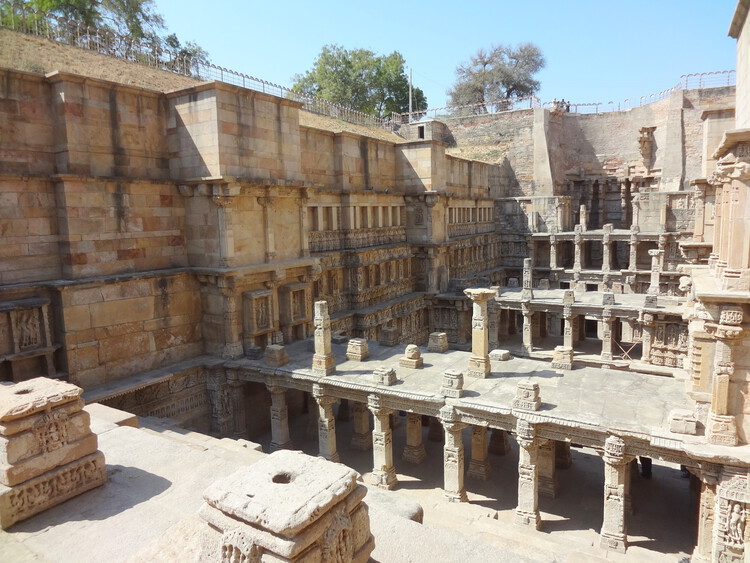
Recent research indicates that while a handful of surviving Tankas remain actively used, many others have fallen into severe structural disrepair or been repurposed for entirely unrelated uses. Water quality also varies widely across surviving examples, with many existing underground systems requiring advanced filtration and chemical treatment before the stored water can be safely consumed by humans.
This reality raises complex administrative and social questions. Who maintains a privately owned Tanka if it contributes to a wider neighborhood water system? Who is responsible for routinely testing the water quality? Who covers the financial costs of structural repairs? And how can a municipal authority effectively regulate and monitor infrastructure located entirely beneath private residential homes?
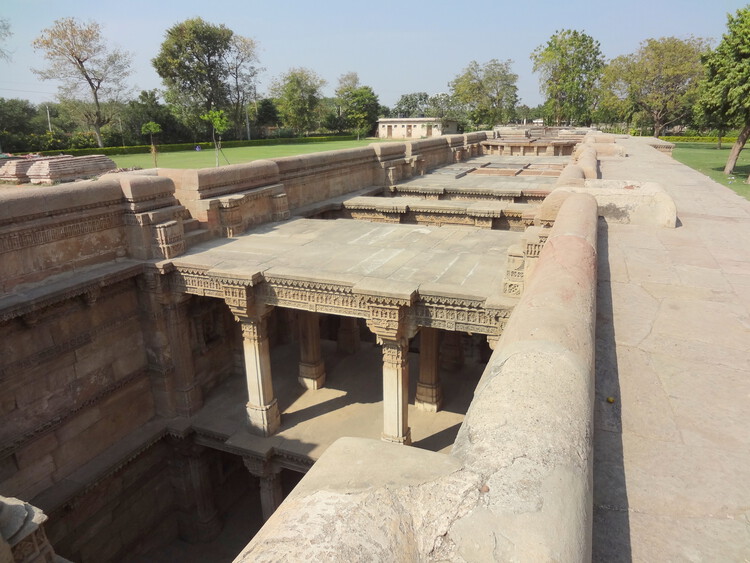
Researchers argue that existing municipal governance frameworks largely lack the necessary mechanisms to incentivize active citizen participation and heritage-based water reuse. To bridge this gap, experts propose a hybrid operational model that successfully combines centralized municipal technical capacity with grassroots community involvement. Ultimately, the success of such a system depends upon regular routines of cleaning, quality testing, routine maintenance, and shared civic responsibility. Without those established routines and clear institutional responsibilities, simply restoring the historical masonry does not automatically restore a functioning water system.
Amritvarshini Vav in Ahmedabad offers another distinct architectural and functional case study. Built around 1723 within the dense confines of the Walled City, this unique stepwell features an unusual L-shaped plan and plunges more than 15 meters below the ground surface. Municipal records from the Ahmedabad Municipal Corporation document that the structure was successfully artificially recharged in 2004, effectively bringing one of its original hydrological functions back to active life.
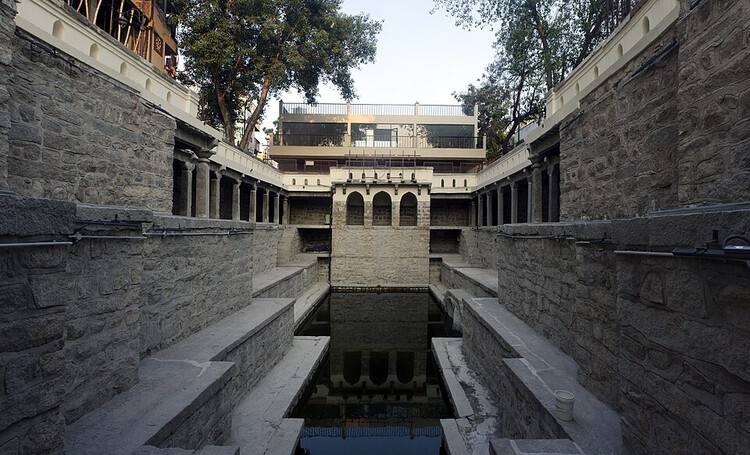
However, reusing a historic water structure inherently introduces change and compromise. Contemporary safety regulations, rigorous water-quality standards, public access requirements, and modern underground urban infrastructure rarely correspond precisely with historic conditions. Consequently, a restored heritage water structure frequently needs to accommodate modern engineering systems that did not exist when the monument was originally constructed.
At the same time, continued active use can become a vital mechanism for the physical survival of these structures. New interventions inevitably alter how a historic water site is experienced by the public. A stepwell restored for active use may simultaneously function as a vital civic gathering space, a tourist destination, or a functional water reservoir, depending entirely on how the surrounding urban program is designed and managed.
Ultimately, these historic systems hold the potential to supplement existing municipal infrastructure in meaningful ways. Heritage buildings could actively contribute to decentralized rainwater management, domestic courtyards could be reactivated as neighborhood storage systems, and existing historic structures could be successfully adapted for continued utility. Such a transformative shift, however, requires unprecedented coordination across architecture, public water policy, municipal governance, and the local communities entrusted with maintaining these invaluable systems. The historical Tanka worked because the roof, the courtyard, the underground reservoir, and the daily routines of maintenance functioned as a single, unified system. Bringing them back into active use depends entirely on whether the buildings, institutions, and communities surrounding them can successfully support that interconnected system once again.