The international art world is currently navigating a period of significant transition, marked by major personal divestments from blue-chip artists, high-profile thefts of cultural treasures, and a shifting landscape in museum leadership and exhibition programming. As autumn auctions approach and new cultural spaces open their doors, the industry continues to reflect both the volatility and the enduring appeal of the fine art market.
In the Spotlight: Major Collections and Audacious Thefts
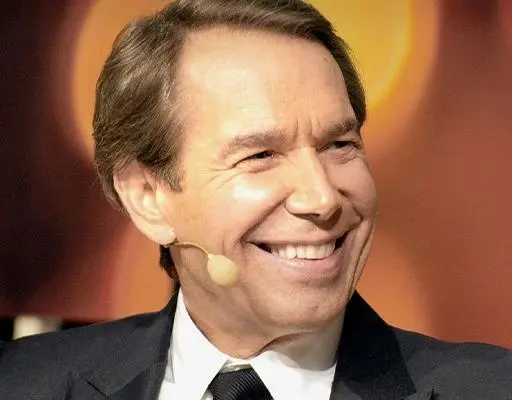
In a move that has captured the attention of collectors and market analysts alike, contemporary art icon Jeff Koons has announced he is selling a substantial portion of his personal art collection. Valued at approximately $100 million, the trove is slated to hit the block at Christie’s this fall. The collection is the result of a deliberate, long-term buying spree that Koons undertook during the late 2000s. It reflects a diverse aesthetic range, moving beyond the pop-culture-infused themes of his own work to embrace more classical and modernist pursuits. Among the notable pieces reportedly included in the sale are examples of Dutch Golden Age art, as well as significant paintings by Pablo Picasso and Édouard Manet. For observers, this sale represents a rare opportunity to acquire works that have been vetted by the discerning eye of one of the world’s most successful living artists.
While the market celebrates the circulation of these masterworks, the art world has been simultaneously shaken by a dramatic theft in France. Authorities are currently investigating a high-stakes heist involving a 330-pound bronze book cover designed by the surrealist master Salvador Dalí. The piece, titled Livre de l’Apocalypse, is no mere artifact; it is a monumental collaborative masterpiece involving the work of 14 prominent artists and writers. Due to its immense weight and the complexity of its design, it is recognized as one of the heaviest and most expensive books ever created. The audacity of the theft has highlighted ongoing concerns regarding the security of high-value artistic treasures, particularly those that are not housed within the high-security perimeters of major national museums.
In a brighter turn of events for the art world, the intersection of pop culture and high art continues to yield impressive results. K-pop icon RM, a member of the global sensation BTS, has made his curatorial debut at the San Francisco Museum of Modern Art (SFMoMA). The exhibition, which focuses on Korean art, has already sparked a frenzy of interest, with 50,000 tickets reserved ahead of the opening. The sheer volume of interest suggests that the museum has secured a genuine blockbuster, demonstrating the power of celebrity influence in expanding the demographic reach of traditional fine art institutions.
Museums and Galleries: Institutional Evolution and Expansion
Museums across the globe are currently engaged in a period of structural and mission-based evolution. A notable development in Europe sees the Rijksmuseum in Amsterdam and the Museo Nacional del Prado in Madrid joining forces to re-examine the role of women in art history. This new research partnership is designed to foster deeper scholarship through a shared fellowship program, with a major collaborative exhibition currently slated for 2029. By pooling their resources, these two titans of the European museum scene aim to fill long-standing gaps in the historical record, ensuring that the contributions of women artists are properly recognized and contextualized within the broader canon.
In London, the Zaha Hadid Foundation (ZHF) is preparing to open its doors to the public. Located in the former headquarters of the late, visionary architect Zaha Hadid, the new cultural space is set to welcome visitors on October 29. The facility aims to serve as a hub for architectural discourse, preserving the legacy of one of the 21st century’s most influential designers while providing a platform for ongoing research and public engagement.
Philanthropic support also continues to drive institutional growth in North America. The Phoenix Art Museum in Arizona recently announced that it has received a $5 million donation from philanthropist Sukumar Nagendran. The generous gift is earmarked for the expansion of the museum’s galleries dedicated to Sri Lankan and South Asian art. This investment will not only enhance the physical space of the museum but also allow for a more comprehensive presentation of a vital, yet often underrepresented, global artistic heritage.
Leadership changes are also reshaping the institutional landscape. The Louvre Abu Dhabi has appointed Souraya Noujaim as its new director. Noujaim is a familiar face within the organization, having previously served as the museum’s director of scientific, curatorial, and collections management. Her promotion is viewed as a strategic move to maintain continuity while navigating the museum’s ambitious future. Similarly, in Hong Kong, Philip Tinari has been named the director of Tai Kwun Arts. Having served as the institution’s "head of art" since January, Tinari’s elevation to the directorship signals a commitment to the growth and refinement of the vibrant arts center.
Auctions and the Unexpected Discovery
The unpredictable nature of the art market was perfectly illustrated this month by a remarkable story emerging from Kalamazoo, Michigan. An unassuming painting by the artist Gertrude Abercrombie, which had been purchased for a mere $30 just months earlier, became the center of a fierce bidding war. The work ultimately sold for an astonishing $1.35 million. Auction house representatives noted that the individual who discovered the piece at an estate sale effectively "saved it from forever being lost," underscoring the enduring appeal of "treasure hunting" in the secondary market. The sale serves as a potent reminder that, despite the astronomical prices commanded by the blue-chip works of figures like Jeff Koons, the art market remains a space where historical significance can be uncovered in the most modest of circumstances.
The Future of Global Biennials
Looking toward the horizon of the exhibition circuit, the New Museum has announced the roster of artists for its 2027 Triennial. The upcoming exhibition will feature 36 artists and collectives representing 34 different nations. This edition promises to be the most internationally focused in the history of the event, reflecting a broader effort within the institutional art world to move away from Western-centric narratives and toward a truly globalized perspective. As the industry looks toward the next calendar year, the New Museum’s lineup suggests that the coming era of contemporary art will be defined by diversity, cross-cultural dialogue, and an increasing emphasis on the global reach of the creative spirit.
These developments—from the multimillion-dollar sales of private collections to the grassroots discovery of forgotten paintings—paint a picture of an art world that is as dynamic as it is complex. Whether through the preservation of historic legacies in Madrid and Amsterdam or the embrace of new voices at the New Museum, the sector remains deeply invested in the dual mission of protecting the past while championing the voices of the future. As these various initiatives and events unfold, the global art community continues to demonstrate its resilience and its central role in defining the cultural pulse of the 21st century.