Choosing to paint directly over existing wallpaper has long been debated among interior designers and property owners alike. As homeowners constantly look for efficient ways to revamp living spaces without undertaking the labor-intensive and messy process of stripping paper, preparing bare walls, and starting from scratch, painting over wallpaper presents an appealing shortcut. However, industry specialists emphasize that while this method can save considerable time and effort, it requires careful evaluation, meticulous surface preparation, and an understanding of potential structural pitfalls to avoid costly mistakes down the line.
Before deciding to pick up a roller and commit to a fresh coat of paint, property owners must thoroughly inspect the current condition of the wallpaper. The primary requirement for a successful project is that the paper must be in sound condition, entirely free from major rips, tears, or structural degradation. If the underlying material is heavily damaged or deteriorated, professionals generally advise stripping the old layers completely and painting the bare plaster instead. Attempting to paint over wallpaper that is already peeling in multiple locations is strongly discouraged. Even if individual sections are not actively torn, widespread peeling indicates that the underlying adhesive paste is failing. This failure can stem from a variety of factors, ranging from the use of inferior-quality paste during the original installation to moisture ingress and dampness compromising the wall over time.
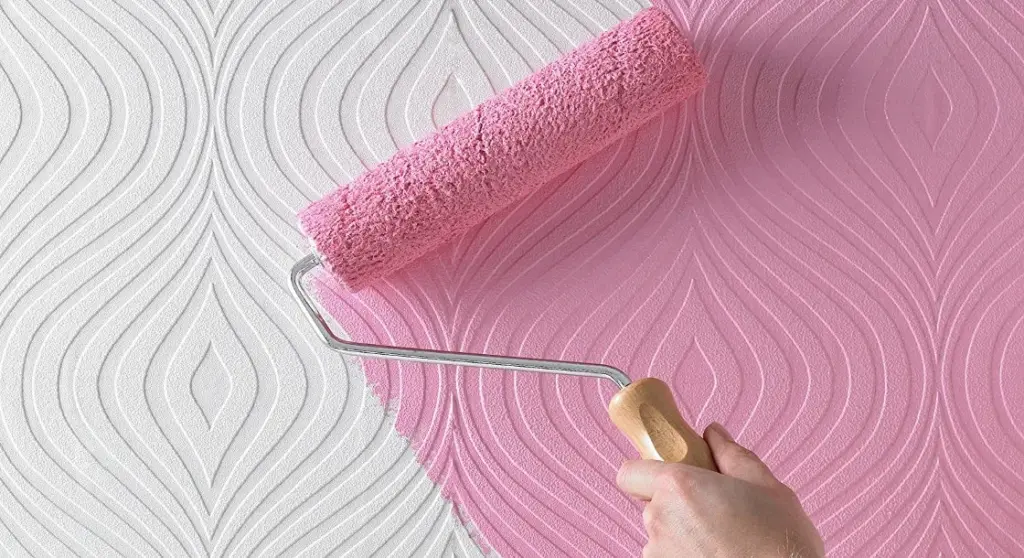
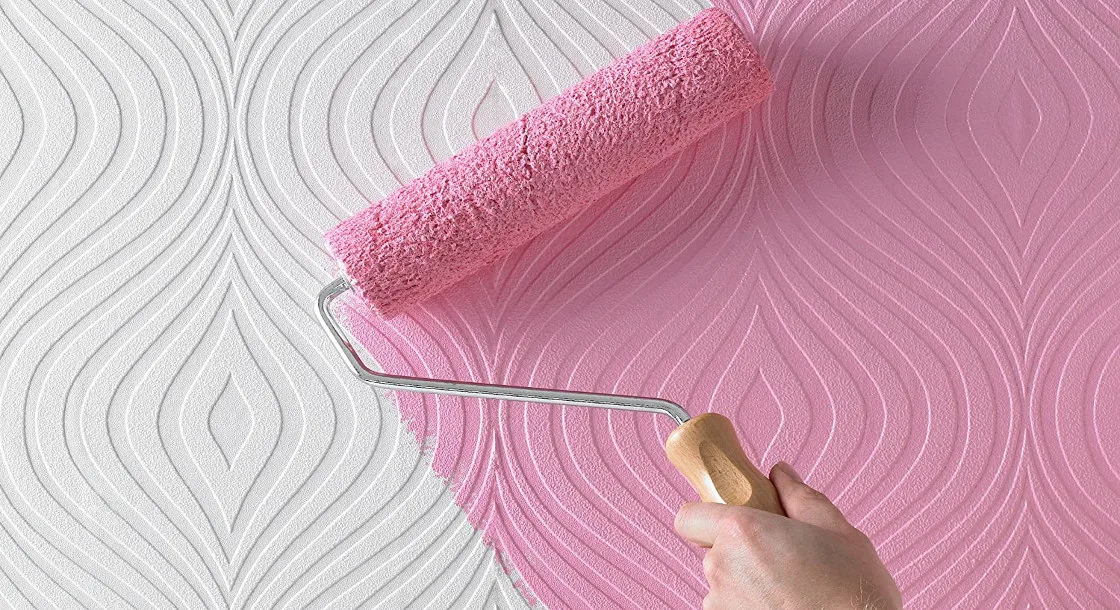
Nevertheless, not all imperfections spell doom for a painting project. If peeling is strictly localized to a single, isolated area, it is often possible to remedy the issue by carefully re-sticking the loose edge with fresh wallpaper paste before proceeding. Homeowners must execute this step with precision, smoothing out any trapped air bubbles and allowing the adhesive to cure fully before introducing any primer or paint layers. Regarding paper types, plain and flat wallpapers serve as the most suitable canvases for direct painting. Textured and heavily patterned varieties can also be painted over, provided the property owner is comfortable with the underlying relief textures remaining visible through the new color coat.
Preparing Wallpaper for Painting
Assuming a thorough inspection confirms that the existing wallpaper is stable and in good condition, the preliminary preparation phase is relatively straightforward compared to traditional wall stripping. The surrounding environment must be adequately prepared to protect floors, woodwork, and fixtures. Once the room is cleared, protected, and properly masked off with decorator’s tape, the transition from prep work to actual application can begin, though skipping critical foundational steps can severely impact the longevity of the final finish.
Priming Wallpaper for Painting
Even when dealing with light-colored or unpatterned wallpaper, applying at least one coat of primer is strongly recommended by painting professionals. A quality primer helps achieve a uniform, clean finish once the topcoat is applied and significantly improves the coverage of the wallpaper design, preventing underlying patterns from bleeding through.
A critical technical consideration during this phase involves the choice of primer. Water-based primers can easily soak too deeply into the porous wallpaper substrate, reactivating the old water-soluble paste and compromising the adhesion of the paper to the wall. For this reason, experts recommend utilizing an oil-based primer or a specialized sealing formula designed specifically to prepare wallpaper for painting. Products such as all-in-one oil-based primer and sealer formulations provide a reliable moisture barrier that locks down the paper and creates a stable foundation for subsequent layers. Applying at least one—and ideally two—thorough coats of primer, while allowing adequate drying time between applications, is essential before moving forward with the topcoat.
How to Paint Over Wallpaper
Once the primer has cured completely, homeowners can select their desired topcoat paint color and finish to begin transforming the space. The application process mirrors standard wall painting, requiring careful cutting-in around edges and smooth, even rolling across the main wall surfaces. However, maintaining a watchful eye on the interaction between the wet paint and the wall is crucial during this stage to catch any signs of bubbling or adhesive lifting early.
Problems With Painting on Top of Wallpaper
When planned and executed with proper technique, painting directly over wallpaper is entirely viable and yields durable results. Yet, various challenges can still emerge during or after the process. Fortunately, most of these issues can be successfully resolved or mitigated with minor corrective work.

Gaps Between Wallpaper Strips
If wallpaper was installed with precision, gaps between individual strips should not pose a major obstacle. However, as wallpaper naturally ages and dries out after being pasted, it can occasionally shrink by minute fractions, leaving thin vertical gaps between the seams. While this is not an insurmountable disaster for a painting project, it requires careful intervention to ensure a seamless final appearance.
Assuming the surrounding wallpaper remains firmly affixed and structurally sound, standard wall filler can be utilized to conceal these narrow gaps between sheets. Industry best practices dictate that this remedial filling should be performed after the primer coats have been applied. Once the filler has set completely, it must be meticulously sanded back until it is perfectly flush with the level of the surrounding paper. Because any raised filler will stand out prominently once painted over, taking the necessary time to sand the surface smooth is vital to achieving a professional, uniform finish across the entire wall.