The international art landscape finds itself at a complex crossroads this October 2026. As major fairs continue to draw elite crowds, the intersection of political unrest, institutional evolution, and the celebration of emerging talent paints a vivid, if sometimes turbulent, picture of the creative sector. From the streets of Paris to the galleries of New York and the museums of Bogota, the art world is proving that it is neither insulated from global events nor stagnant in its pursuit of cultural legacy.
In the Spotlight: High-Stakes Art and Global Tensions
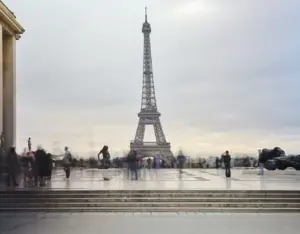
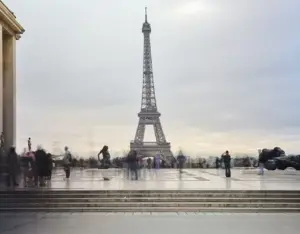
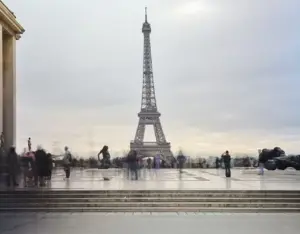
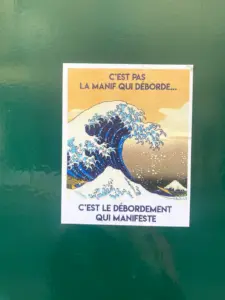
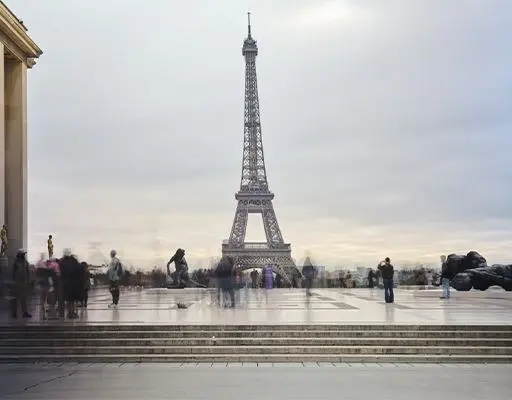
The opening of the Avant-Première preview at Art Basel Paris has served as a striking testament to the resilience of the high-end art market. Despite the city being gripped by an escalation of anti-government protests, riots, and widespread looting, the fair’s hallowed halls remained a sanctuary for the world’s most prominent collectors. The stark contrast between the serene, white-walled booths of the Grand Palais and the volatile atmosphere of the surrounding French streets highlights a persistent paradox in the art world: the market’s ability to function as a self-contained ecosystem, even when the world outside feels as though it is tipping into chaos. The commitment of global collectors to attend such a prestigious event under these conditions underscores the deep-seated priorities of the ultra-high-net-worth demographic.
While Paris grapples with civil instability, significant shifts are occurring in the institutional landscape of Venice. Billionaire collector François Pinault has made a definitive move regarding his long-term strategy for the Palazzo Grassi. The announcement that the palazzo will transition into a permanent display space for his private collection marks the end of an era for the site’s highly regarded temporary exhibition program. For years, the Palazzo Grassi served as a rotating stage for cutting-edge contemporary art; now, it will function more as a static monument to the Pinault Collection’s vast and evolving holdings. This pivot signals a broader trend among major private collectors who are increasingly looking to cement their legacy through permanent, branded institutional homes rather than ephemeral, transient displays.
Meanwhile, the intersection of art and political activism has ignited a fierce debate in South America. Over the weekend, the National Museum of Colombia in Bogota became the site of intense protests following the sudden removal of more than 30 objects from its galleries. According to reports from Colombia One, these items were specifically curated to reflect the histories and struggles of the LGBTQ+ community, feminist movements, and the political left. The removal of these artifacts has been interpreted by many activists as a form of cultural erasure or censorship, leading to a public outcry that highlights the museum’s role as a battleground for identity and historical narrative. The demonstrations reflect a growing global pushback against the perceived sanitization of institutional collections, as communities increasingly demand that museums remain true to the diverse and often uncomfortable realities of their social history.
Museums & Galleries: Institutional Evolution and Expansion
The institutional sector remains a primary engine for legitimizing artists and fostering public discourse. This week, the Tate announced the latest additions to its national collection, acquired through the Frieze Tate Fund 2026. The fund, which facilitates the acquisition of works directly from the Frieze London and Frieze Masters fairs, has secured pieces by Michaela Yearwood-Dan and Luis Fernando Zapata. This acquisition marks a significant milestone for both artists, granting them a place in one of the most prestigious institutional collections in the world. By integrating their practices into the national collection, the Tate continues its mission of broadening the scope of British art history to reflect more diverse, contemporary voices.
Across the Atlantic, New York is preparing for a massive celebration of its own creative infrastructure. Next month marks the launch of the first-ever Art Week NYC, a four-day festival designed to unify the city’s fragmented art scene. With over 80 museums and galleries participating, the event aims to foster a city-wide dialogue about the state of contemporary art. By consolidating gallery openings, special museum exhibitions, and panel discussions into a single, high-profile week, organizers hope to engage both the seasoned collector and the casual enthusiast, effectively turning the metropolis into an open-air classroom and cultural hub.
In the United Kingdom, institutional leadership is also seeing a shift. The Bluecoat, recognized as England’s oldest art centre, has appointed Emer Grant as its first-ever creative director. This strategic hire arrives at a critical moment for the Liverpool-based institution, as it prepares for its upcoming centenary in 2027. Grant’s appointment is widely viewed as a signal that the Bluecoat is looking to modernize its programming and solidify its relevance for its second century of operation, ensuring that the historic venue remains at the forefront of the contemporary arts conversation.
Auctions & Market: Rare Finds and Emerging Records
The auction market continues to demonstrate the enduring value of historical avant-garde artists. Next month, all eyes will turn to Stockholm, where Bukowskis is set to auction Ser III No.5, a significant 1920 painting by the pioneering Swedish artist Hilma af Klint. Given the extreme rarity of af Klint’s abstract works on the secondary market, the sale is being closely monitored by experts who suggest it could break the artist’s current auction record. With an estimate between $600,000 and $800,000, the sale represents more than just a financial transaction; it is a moment of cultural appreciation for a woman who was long overlooked by art history but has since been reclaimed as a foundational figure in the development of abstraction.
Fairs & Biennales: Strategic Leadership and New Perspectives
The administrative landscape of the international biennale circuit is also undergoing a renewal. The Biennale de Lyon has announced that Hélia Paukner will step into the role of artistic director, effective February 1, 2027. Her appointment comes as the biennale seeks to refine its vision and maintain its status as a vital touchstone for international contemporary art. Paukner’s leadership will be closely watched, as the role of the biennale artistic director has become increasingly pivotal in navigating the complex geopolitical and aesthetic demands of the modern art world.
In Paris, the boutique contemporary art fair Asia NOW is pushing boundaries through its "New Voices" initiative. By specifically spotlighting emerging curators and South Asian artistic practices, the fair is positioning itself as a vital connector between Asia and its global diasporas. In an era where the "global" art market is often criticized for being overly centered on Western hubs, the focus on specific regional practices and the curators who facilitate their visibility serves as a necessary corrective, ensuring that the dialogue around contemporary art remains truly representative of its global origins.
Awards: Recognizing Irish Excellence
The final note of the week is one of recognition, as the Dublin Gallery Weekend celebrated the inaugural Francis Bacon Awards for Irish Visual Arts. The honors were bestowed upon Irish artist Patrick Graham and Northern Irish artist Cathy Wilkes. These awards represent a significant effort to elevate the profile of artists working within the Irish visual arts scene, providing both prestige and a platform for their continued development. By naming the awards after one of the most influential painters of the 20th century, the organizers have established a standard of excellence that ties the current generation of Irish artists to a storied tradition of profound, emotive, and challenging work.
As these events unfold, they illustrate a global art ecosystem that is simultaneously grappling with its own internal structures and the external pressures of a changing world. Whether through the bold acquisitions of national museums, the political debates occurring in civic spaces, or the records being chased in auction houses, the art world remains an essential—and often contentious—reflection of our times.