The international art world finds itself at a complex juncture this October, balancing the high-stakes glamour of major commercial fairs against a backdrop of civil unrest, institutional restructuring, and shifting cultural priorities. As collectors, curators, and institutions navigate these turbulent times, the events of the past week underscore a growing intersection between the art market and the broader socio-political landscape.
In the Spotlight: High-Stakes Art Amidst Social Unrest
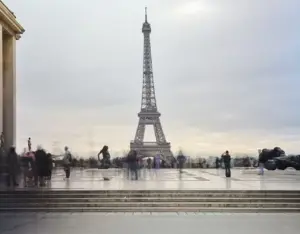
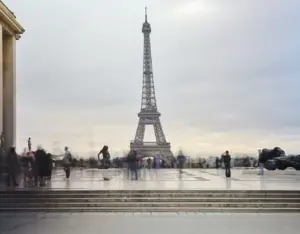
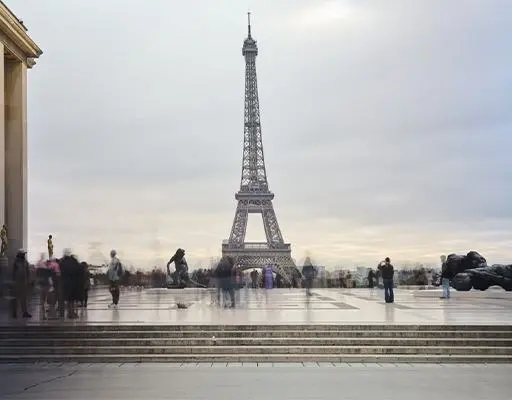
The highly anticipated Avant-Première of Art Basel Paris has proceeded with a sense of guarded determination. Despite the fair’s reputation as a cornerstone of the global art calendar, this year’s iteration is being held under the long shadow of widespread anti-government protests, riots, and episodes of looting across various French cities. The juxtaposition of high-value commerce and intense public dissent has created a strained atmosphere, yet the appetite among major collectors remains remarkably resilient.
The resilience of the market at Art Basel Paris reflects a long-standing trend where blue-chip art remains a preferred asset class, even during periods of domestic volatility. However, the contrast between the exclusive, rarefied environment of the fair and the instability unfolding just beyond the venue walls has sparked quiet debate among attendees regarding the role of luxury cultural events in times of national crisis.
Simultaneously, the landscape of Italian institutional collecting is undergoing a significant transformation. Billionaire collector François Pinault has announced a definitive pivot for his operations at Venice’s iconic Palazzo Grassi. By transitioning the space into a permanent home for his personal collection, Pinault is effectively ending the palazzo’s long-standing tradition of hosting prestigious, rotating temporary exhibitions. This shift marks a strategic consolidation of his legacy in Venice, moving away from a program of external guest curation and toward a permanent, curated display of his own acquisitions. For the Venetian art community, this represents the conclusion of an era, as the palazzo has historically served as a critical platform for international contemporary artists.
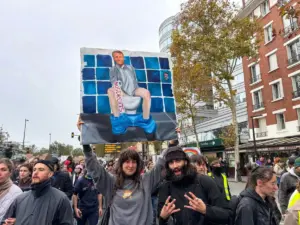
Meanwhile, tensions have flared in South America, where the National Museum of Colombia has become a flashpoint for cultural contention. Over the weekend, demonstrators gathered at the Bogotá institution following the controversial removal of more than 30 objects. These items, described by reports as being directly related to the struggles of the LGBTQ+ movement, feminism, and the political left, were reportedly pulled from public view, triggering immediate protests. The situation highlights an intensifying global debate over who controls the narrative within national museums and how institutions choose to represent or marginalize specific social and political histories.
Museums and Galleries: Acquisitions and Institutional Leadership
The institutional sector continues to evolve, with London’s Tate museum providing a clear signal of its collecting priorities through the Frieze Tate Fund 2026. The acquisition of works by Michaela Yearwood-Dan and Luis Fernando Zapata marks a significant milestone, as both artists enter the national collection for the first time. This initiative, supported by the fund during the Frieze London and Frieze Masters fairs, underscores the museum’s commitment to diversifying the British national holdings with contemporary voices that reflect a broader spectrum of global and diasporic experiences.
Across the Atlantic, New York City is preparing for a new landmark event. The city’s cultural sector is gearing up for the inaugural “Art Week NYC,” scheduled to launch next month. With more than 80 museums and galleries confirmed to participate, the four-day event aims to foster a city-wide dialogue on contemporary art. The initiative represents a concerted effort to unify the fragmented gallery scene and engage the public through a packed itinerary of exhibitions, studio visits, and critical discourse.
In the United Kingdom, institutional leadership is also seeing fresh faces. The Bluecoat in Liverpool, recognized as the oldest art center in England, has appointed Emer Grant as its first-ever creative director. The appointment comes at a pivotal time for the organization as it approaches its centenary in 2027. Grant is expected to shape the institution’s artistic vision as it prepares to celebrate a century of cultural contribution, marking a strategic move to modernize and solidify the center’s role in the regional art landscape.
Auctions and Market Trends
The secondary market continues to track rare and significant works, with an upcoming auction at Bukowskis in Stockholm drawing considerable attention. A 1920 abstract painting by the visionary Swedish artist Hilma af Klint, Ser III No.5, is set to cross the block. While the artist’s record remains a point of interest for market observers, the relative scarcity of her works at auction makes this sale a notable event. With estimates placed between $600,000 and $800,000, the auction serves as a barometer for the continued, and arguably intensifying, market appetite for af Klint’s pioneering abstract oeuvre.
Fairs, Biennales, and Curatorial Shifts
The biennial circuit is undergoing a transition in leadership, with the Biennale de Lyon announcing the appointment of Hélia Paukner as its new artistic director. Effective February 1, 2027, Paukner will take the reins of one of France’s most influential contemporary art events, succeeding current leadership and setting the tone for the biennale’s future programming.
In Paris, the Asia NOW fair is also signaling a shift in curatorial focus. Through its newly introduced “New Voices” initiative, the boutique-style fair is spotlighting emerging curators and South Asian practices. By explicitly focusing on the connections between Asia and its global diasporas, the fair is positioning itself as a vital platform for underrepresented narratives, attempting to bridge the gap between regional art production and the international commercial market.
Awards and Recognition
Recognition for established and mid-career artists remains a cornerstone of the art community’s efforts to validate artistic contribution. In Ireland, the inaugural Francis Bacon Awards for Irish Visual Arts have been presented to Patrick Graham and Cathy Wilkes. The awards, launched in conjunction with Dublin Gallery Weekend, celebrate the distinct contributions of both the Irish painter Graham and the Northern Irish artist Wilkes. By establishing these awards, the Irish art scene seeks to honor the legacy of Francis Bacon while fostering a sense of continuity and excellence within the local contemporary art community.
As the international art world moves toward the end of the year, these diverse developments reflect a sector in motion. From the quiet, scholarly pursuit of permanent collections in Venice to the urgent, public protests in Bogotá, and the high-profile commerce of Paris and London, the art world continues to function as a reflection of the global pressures surrounding it. Whether through the acquisition of new, diverse voices for national collections or the appointment of new creative leadership, institutions and markets are clearly adapting to a world that demands more transparency, more inclusion, and a deeper engagement with the complexities of the present day.