The international art world finds itself at a unique juncture this October, balancing the prestige of high-profile commercial fairs with the sobering realities of geopolitical and social volatility. As collectors, curators, and institutions navigate a landscape marked by both celebration and confrontation, the industry continues to evolve, reflecting broader cultural tensions that span from the streets of Paris to the galleries of Bogotá.
In the Spotlight: Art Basel Paris and the Shadow of Unrest
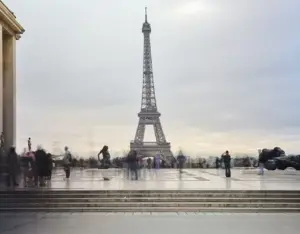
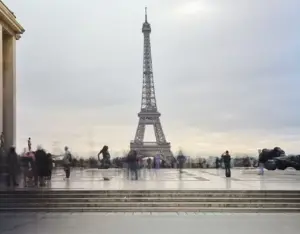
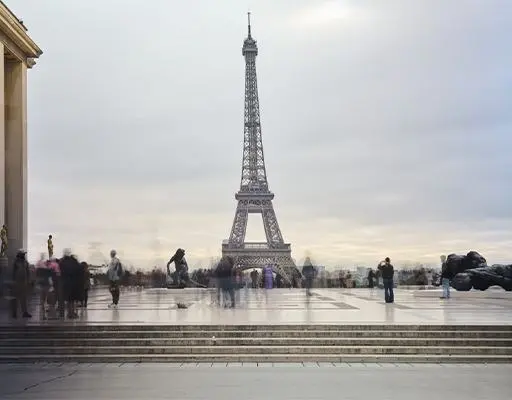
The prestigious Avant-Première preview of Art Basel Paris has managed to draw a significant contingent of high-net-worth collectors and industry leaders, despite the increasingly turbulent environment outside the fair’s walls. The event, which has become a cornerstone of the European autumn art calendar, faced an unusual backdrop this year as anti-government protests, riots, and instances of looting swept through various French cities.
The juxtaposition of the opulent, high-stakes atmosphere inside the fair and the social volatility in the surrounding urban centers has underscored the complex relationship between the elite art market and the public sphere. While the fair proceeded with its planned programming, the security concerns and the overall climate of unrest served as a poignant reminder that the art market does not operate in a vacuum. Despite these challenges, initial reports suggest that the appetite for significant acquisitions remains robust, with collectors demonstrating a continued commitment to the fair’s high-caliber offerings even as the city navigates a period of profound civil instability.
Shifting Legacies: The Pinault Collection in Venice
In Italy, a major shift in the management of contemporary art history is underway. Billionaire collector François Pinault has announced a strategic pivot for his exhibition programming at the Palazzo Grassi in Venice. After years of hosting a revolving series of prestigious, high-concept temporary exhibitions that have defined the palazzo’s identity, Pinault has decided to transition the space toward a permanent display of his personal collection.
This decision marks the end of an era for the Venetian art scene, which had come to rely on the palazzo for its dynamic, rotating shows. By opting for a permanent installation, Pinault is effectively anchoring his influence in Venice, ensuring that his curated selection of works remains a fixed point for international visitors. This move not only signals a change in operational philosophy for one of the world’s most prominent collectors but also highlights the increasing trend of private foundations seeking to establish long-term, static legacies within historic European cultural hubs.
Cultural Contention in Colombia
While European institutions grapple with commercial and legacy decisions, the National Museum of Colombia has become the center of a different kind of intensity. Over the weekend, demonstrators gathered in Bogotá to protest the museum’s decision to remove more than 30 objects from its collections. These items, described by observers as being deeply connected to the histories and struggles of the LGBTQ+ movement, feminism, and the political left, were pulled from public view, sparking immediate backlash.
The protests reflect a growing global discourse regarding the role of national museums as arbiters of history and identity. For the demonstrators, the removal of these objects is not merely a curatorial or storage-related decision but an act of erasure that silences marginalized voices within the national narrative. The situation in Bogotá underscores the mounting pressure on public institutions to remain inclusive and transparent, particularly when their actions intersect with the sensitive and often contested histories of social movements.
Museums and Galleries: Acquisitions and New Beginnings
The institutional landscape is also seeing significant movement in the United Kingdom and the United States. At Frieze London and Frieze Masters, the Tate has reaffirmed its commitment to diversifying the national collection. Through the Frieze Tate Fund 2026, the institution has successfully acquired works by Michaela Yearwood-Dan and Luis Fernando Zapata. This acquisition marks a significant milestone, as it brings both artists into the national collection for the first time, providing a broader representation of contemporary artistic practices to the public.
Meanwhile, across the Atlantic, New York is preparing for a new cultural milestone: the inaugural Art Week NYC. Scheduled to kick off next month, the initiative represents a massive collaborative effort involving over 80 museums and galleries. The four-day event is designed to foster a city-wide dialogue on the future of art, moving beyond the confines of individual gallery spaces to encourage a broader, more public engagement with the visual arts. It serves as an ambitious attempt to consolidate the city’s vast cultural infrastructure into a singular, high-impact moment.
In the United Kingdom, Liverpool’s Bluecoat has reached a landmark moment in its own long history. As the institution approaches its centenary in 2027, it has appointed Emer Grant as its first-ever creative director. The appointment is a strategic move to define the institution’s vision for the next century, signaling a desire for refreshed leadership and a more focused creative identity as it prepares for its milestone anniversary.
Auctions and Market Trends
The secondary market continues to generate interest, particularly with the upcoming sale of a significant piece by the Swedish abstract pioneer Hilma af Klint. A painting titled Ser III No.5, created in 1920, is slated for auction at Bukowskis in Stockholm next month. Given the extreme rarity of af Klint’s abstract works appearing at auction, the sale is being closely watched by experts. With an estimate ranging between $600,000 and $800,000, the work has the potential to break the artist’s current market record, further cementing her status as one of the most influential and commercially sought-after figures in early 20th-century modernism.
Fairs, Biennales, and Curatorial Leadership
The organizational side of the art world is also undergoing a period of transition. The Biennale de Lyon has announced that Hélia Paukner will step into the role of artistic director, effective February 1, 2027. Paukner’s appointment comes as major international biennials are re-evaluating their thematic relevance in a post-pandemic, socially conscious art world. Her leadership will be critical in shaping the future trajectory of one of France’s most important contemporary art events.
Simultaneously, in Paris, the contemporary art fair Asia NOW is pushing for greater inclusivity through its "New Voices" initiative. By spotlighting emerging curators and focusing on South Asian artistic practices, the fair is positioning itself as a conduit between the Asian market and its diverse global diasporas. This boutique-style approach aims to bypass traditional, often Western-centric, curatorial models, offering a platform for perspectives that have historically been sidelined in major European art fair circuits.
Recognition and Awards
Finally, the season of honors has begun with the announcement of the winners of the inaugural Francis Bacon Awards for Irish Visual Arts. The awards, presented during Dublin Gallery Weekend, were granted to Irish artist Patrick Graham and Northern Irish artist Cathy Wilkes. These inaugural prizes acknowledge the profound contributions both artists have made to the visual arts landscape, both domestically and internationally. By honoring two artists whose work often deals with themes of human vulnerability and existential inquiry, the awards committee has set a high bar for the prestige of this new accolade.
As these various threads of news—from the halls of prestigious fairs to the picket lines of Bogotá—converge, they paint a picture of an art world that is as restless as the society it seeks to interpret. Whether through the acquisition of new works for national collections or the contentious curation of historical objects, the sector remains a vital, if occasionally volatile, space for the expression of contemporary life.