NEW YORK — Spending a decent amount of time navigating the changing streets of Gowanus offers a stark lesson in urban transformation, but weaving through the neighborhood during the recent Open Studios event demonstrated just how rapidly the area has shed its sardonic historical designation of "Lavender Lake." What was once a notoriously polluted industrial waterway has turned into a bizarro landscape of glimmering apartment buildings, where high-rises boast "iconic" views of a waterfront defined by its funky fluorescence.
While the canalside Whole Foods was an early indicator of shifting tides, the proliferation of luxury high-rises offering studio apartments starting at $3,200 a month remains a head-scratcher for observers tracking the neighborhood’s evolution. Navigating this landscape requires confronting a paradox of urban planning. It seems reasonable to suggest that everyone involved might have benefited from waiting for comprehensive water remediation and sewage overflow prevention efforts to be fully completed before developers speedran the area’s sublimation from a Superfund site with a petering industrial profile into a playground for high-end residential real estate.
Unless there is a large, unaccounted-for band of civilians actively seeking front-row seats to Gowanus’s next localized "poonami"—a colloquial term for severe sewage overflow events—the decision to install permanent picnic tables and reclining deck chairs directly along the banks of the canal feels aggressively optimistic, if not entirely surreal.
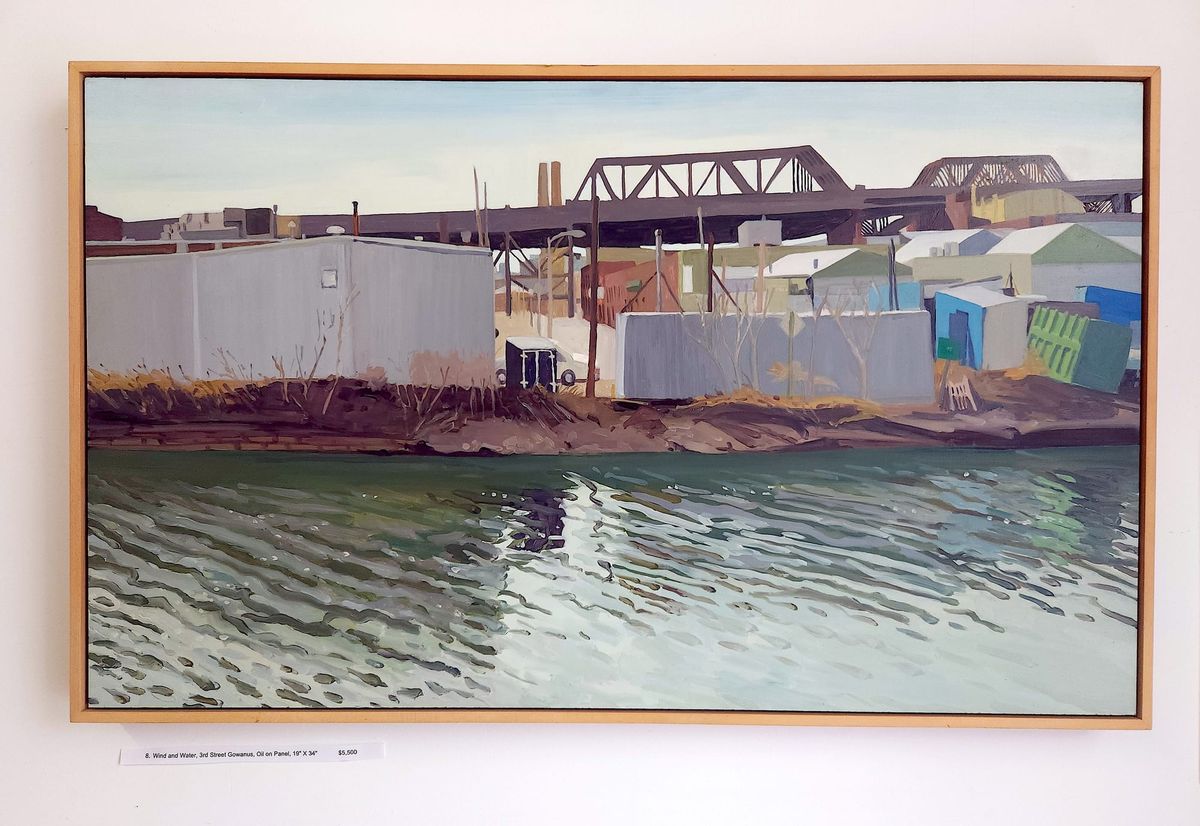
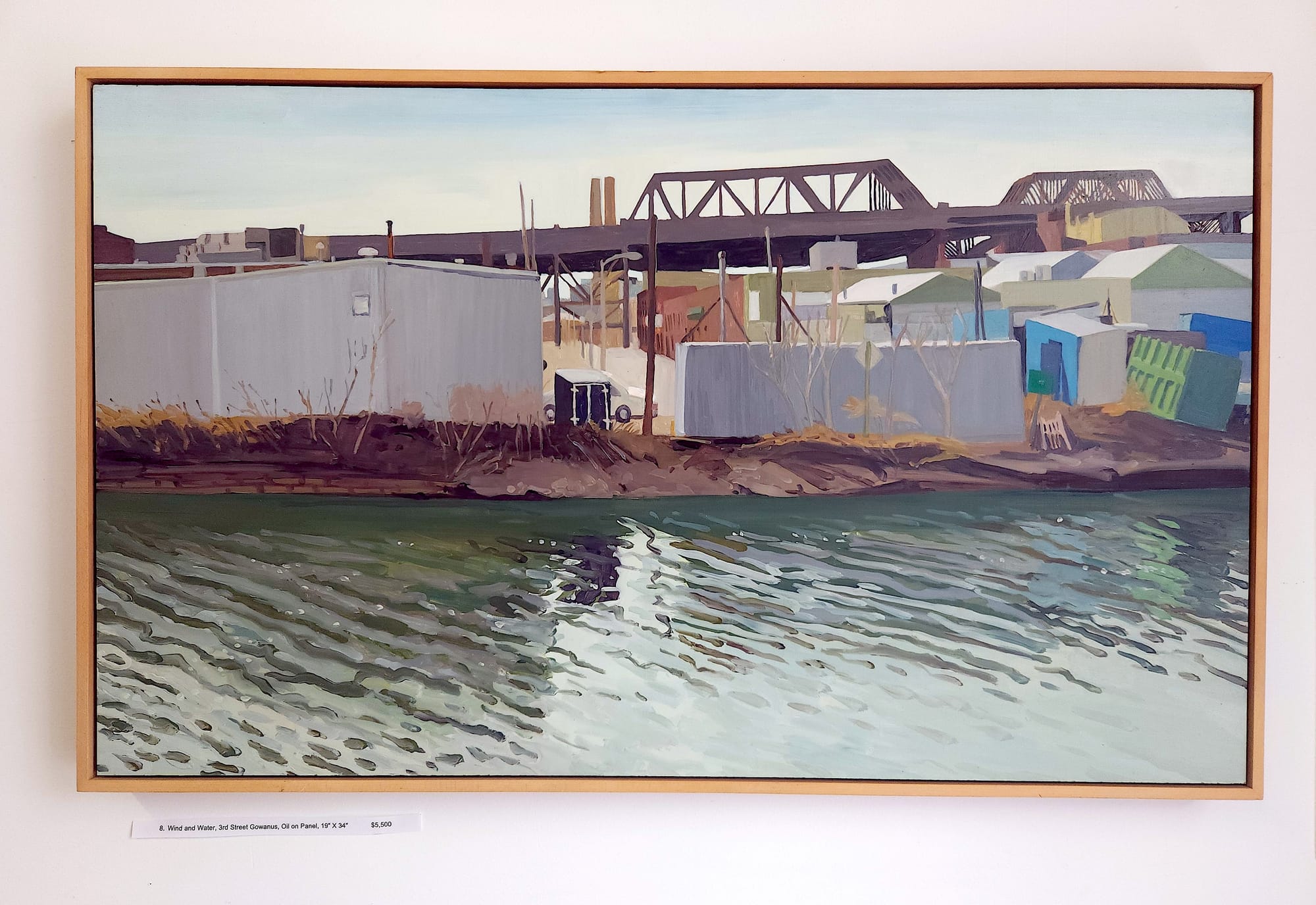
Yet, resilience and artistic adaptation remain central to the neighborhood’s identity. At landscape painter Elizabeth O’Reilly’s studio on Union Street, visitors had the opportunity to discuss how local creators draw inspiration from the neighborhood precisely as it exists today. There is a quiet grace in the ability of these artists to extrapolate beauty at both ends of a devastating spectrum of human impact: finding poignancy in a life-threateningly toxic pollution hub that is simultaneously being transformed into a shiny new playground primed for eventual commercialization. By documenting these shifts, artists help preserve the history of a neighborhood in transition.

Open Studios Across the Boroughs
The weekend’s creative programming extended far beyond Gowanus, offering a comprehensive snapshot of Brooklyn’s broader artistic ecosystem. Contributor Aaron Short reported on open studios programming in Red Hook and Sunset Park, capturing the distinct economic and social realities facing makers in different parts of the borough.
In Red Hook, the local creative community continues to barrel forward unabated, demonstrating remarkable resilience 13 months after a devastating five-alarm fire tore through a historic warehouse filled with converted artist studios. Meanwhile, creators in Sunset Park find themselves operating in a rarer space, noting that studio and workspace availability in the area remains stubbornly, thankfully affordable compared to the hyper-inflated rents found in North Brooklyn.
On the other side of the borough, local artist Jazmine Hayes has been detailing the historical, spiritual, and environmental symbolism embedded throughout her Percent for Art commission. Her new project anchors the newly redeveloped Brownsville Multi-Service Center, bridging community heritage with public art infrastructure.
Exhibitions, Animal Pageantry, and Fall Culture
Environmental themes and local color intersected in other corners of the city as well. For those who missed the annual Tompkins Square Dog Halloween Parade, staff writer Anna Lee captured the quintessential New York spectacle at ankle level, documenting canines dressed as Pup Leo, Santa Paws, and a variety of other elaborate, costumed characters.
In the gallery world, institutions across the city are showcasing major contemporary and historical works. Cannupa Hanska Luger’s exhibition American Traditional at Garth Greenan Gallery’s new Greene Street location provides a striking example of Indigenous survivance. Highlighted in recent round-ups of New York exhibitions embodying Indigenous resilience, Editor-at-Large and Co-Founder Hrag Vartanian has attested that the show marks a distinct departure from the participatory, ceramics-heavy projects Luger is widely known for, resulting in a more declarative synthesis of wood, ink, and archive that stands as some of his strongest work to date.
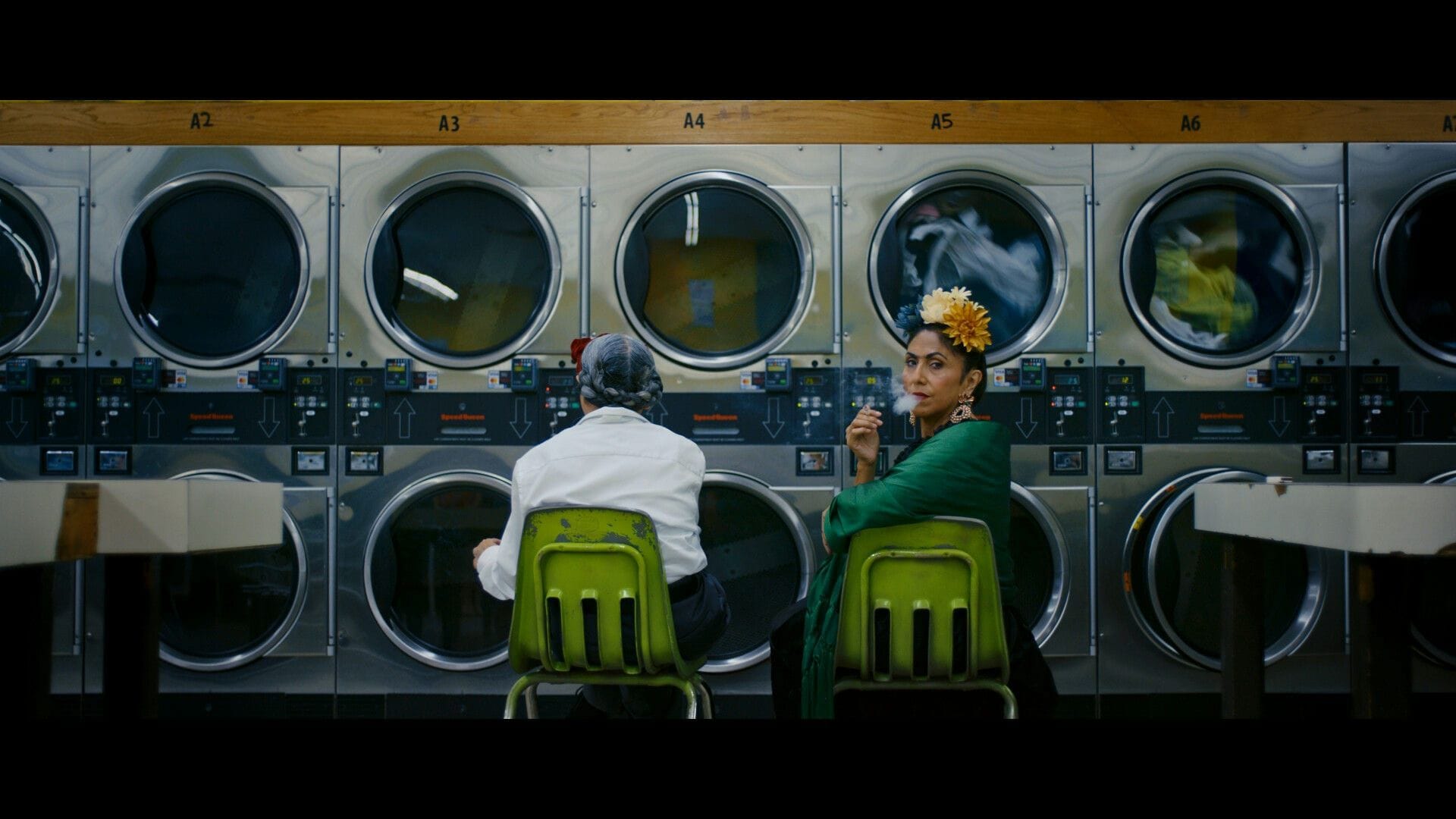
The cultural calendar also brings forth major cinematic events, including the upcoming lineup for DOC NYC. Returning to venues across the city from November 11 through November 29, the festival features 13 distinct art films that probe complex questions of legacy, memory, and posthumous representation. Writers exploring the festival’s selections have drawn parallels between how historical figures like Frida Kahlo are consumed through modern merchandise—frequently detached from the rigorous politics and lived realities of their art—and contemporary artists who find artistic meaning in unusual repositories of memory, such as Molly Tenzer stamping roadkill found on New York City streets onto delicate rice paper.
From Our Critics and What Else Is Happening
As the fall art season reaches its peak, Hyperallergic critics have offered deep dives into several notable New York exhibitions. Hrag Vartanian’s appraisal of Cannupa Hanska Luger’s work at Garth Greenan Gallery emphasizes the artist’s shift toward a powerful, declarative archive. At Gagosian, Channelle Chevelle Russell reviews Deana Lawson: Edge Control, examining the fraught ethical questions provoked by Lawson’s newest series concerning who truly holds the power to authorize or deny access to intimate spaces.
Meanwhile, Gregory Volk turns his attention to Tanya Merrill’s Land animal, house animal at 303 Gallery, noting how the artist decisively challenges pervasive anthropocentric worldviews that position humans as superior and animals as lesser, instead foregrounding local animals as sentient beings with their own distinct motivations and desires. In the realm of painting, John Yau reflects upon David Reed: Terrible Idea at Rodder, tracing more than five decades of the artist’s exploration of the brushstroke, color interactions, and ongoing dialogues with creators from different epochs.
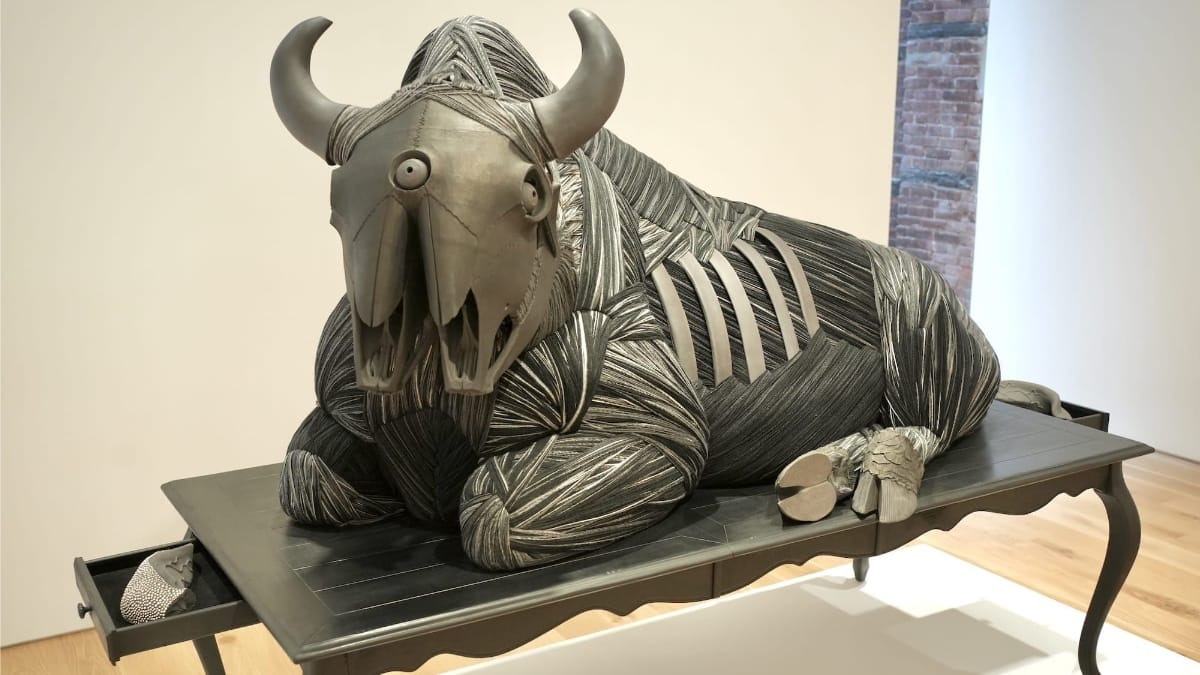
Public programming continues to expand with institutional offerings such as Designed to Be Red: Native American & Indigenous Poster Works, which remains on view at Poster House through February 21, 2027, highlighting the essential historical impact of Indigenous designers.
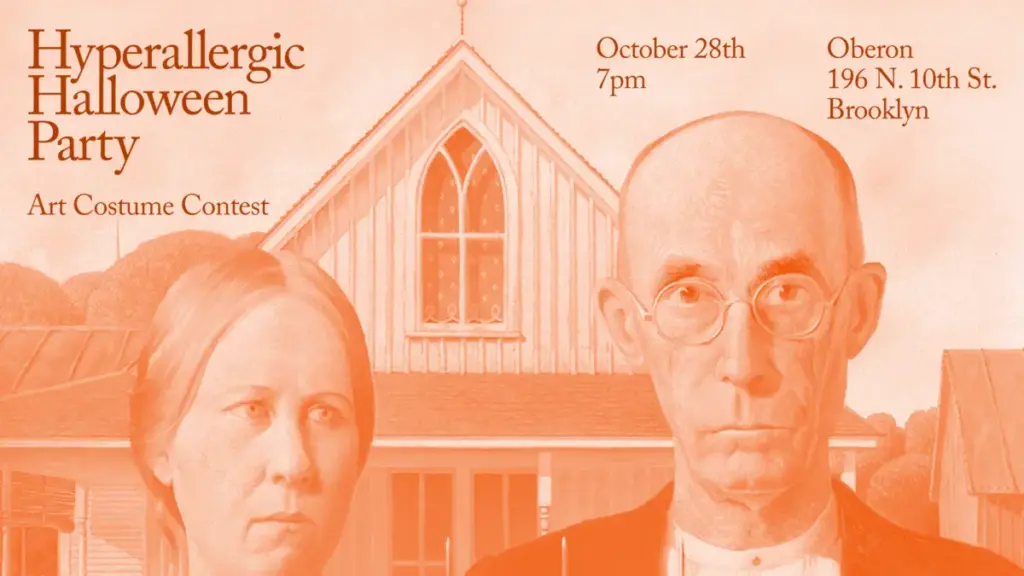
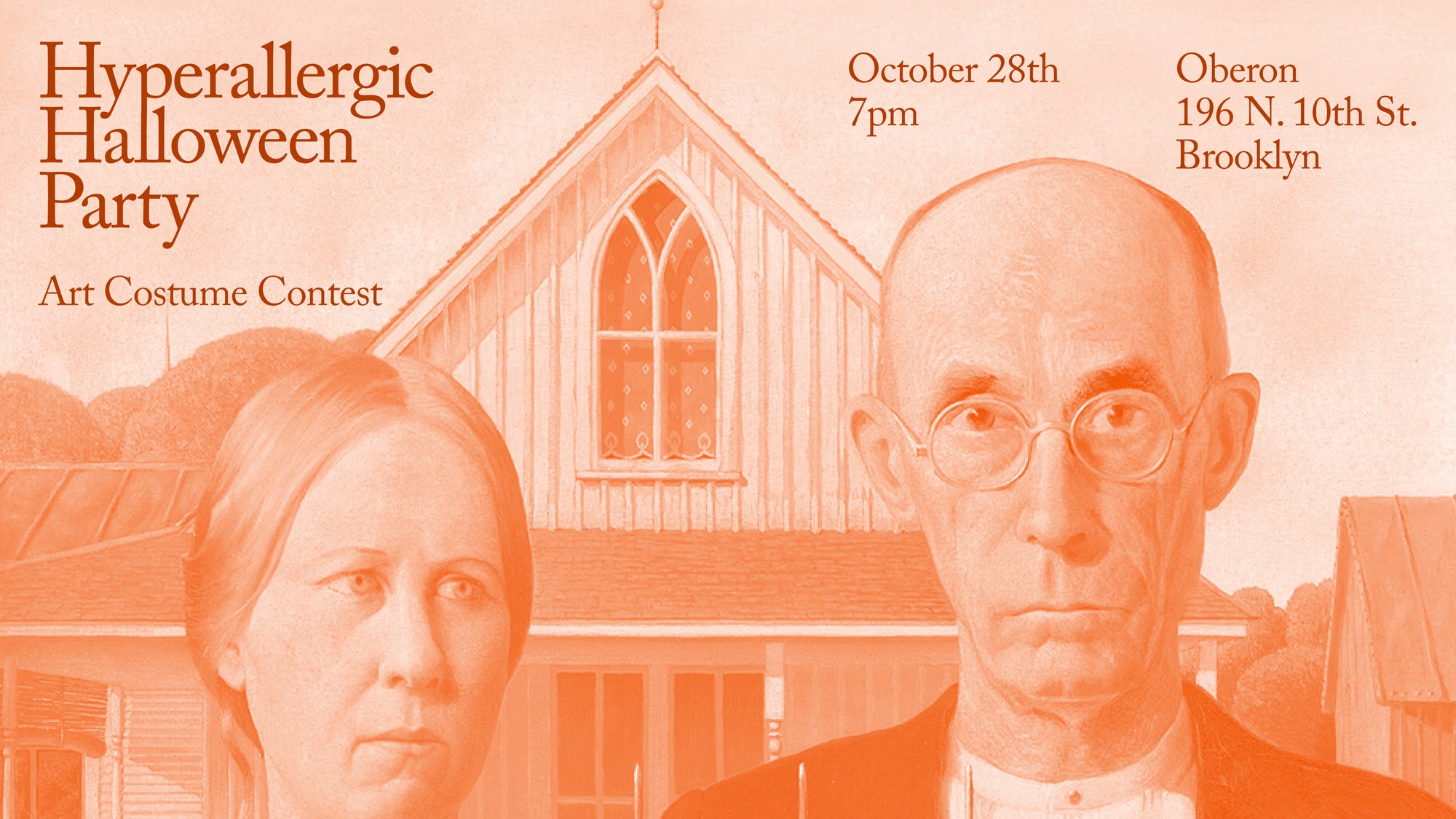
As October draws to a close, the cultural community is also preparing for seasonal gatherings. Hyperallergic is set to host its annual Halloween Party in Brooklyn, offering an evening of art-themed costumes, open bars, and festive celebration where interpretations of everything from Yayoi Kusama’s signature pumpkins to René Magritte’s apple-faced subjects can find a welcoming audience.






