Revamping the interior of a home often brings property owners to a familiar crossroads: whether to embark on the arduous task of stripping old wallpaper or to take the seemingly quicker route of painting directly over it. While slapping a coat of fresh paint over existing wall coverings can save considerable time and effort compared to the traditional removal process, experts and interior renovators note that the shortcut comes with its own unique set of considerations and potential pitfalls that must be carefully navigated.
Choosing to paint over wallpaper is frequently championed as a fast track to modernising a tired room, bypassing the messy and time-consuming stages of soaking, scraping, and preparing bare plaster. However, before committing to the paintbrush, property owners must thoroughly assess the current state of their walls. The foundational rule for this home improvement shortcut is that the underlying paper must be in sound condition, entirely free from rips, tears, or significant damage. If the wallpaper is compromised, heavily damaged, or showing its age, the consensus among professionals is that it is almost always better to strip the material completely and paint the bare wall underneath.
A critical warning sign for anyone considering this method is widespread peeling. Even if the paper is not physically ripped, wallpaper that is lifting away from the wall in multiple areas indicates that the original adhesive is failing. This loss of adhesion can stem from a variety of factors, ranging from the use of low-quality paste during the initial installation to underlying dampness or moisture issues within the room. Attempting to paint over peeling paper is strongly discouraged, as the moisture and weight from the new coats of primer and paint will likely cause the old adhesive to fail entirely, resulting in bubbling, sagging, and a ruined finish.
For minor issues, however, corrective measures are sometimes possible. If peeling is strictly localized to a single, small area, homeowners can attempt to re-anchor the paper using traditional wallpaper paste before proceeding with any painting plans. This must be executed with care to prevent trapped air bubbles beneath the surface, and the repaired section must be allowed to dry completely before any further work begins.
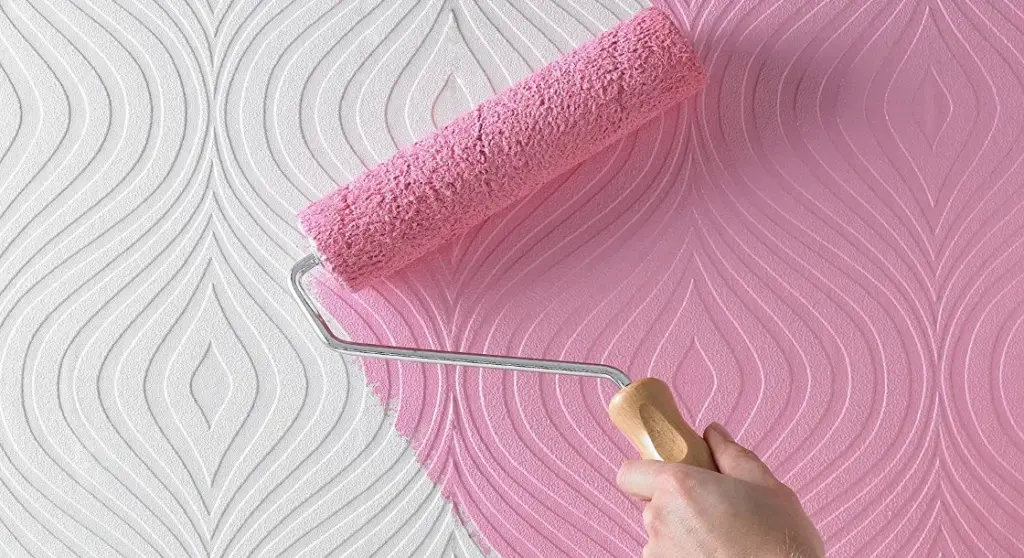
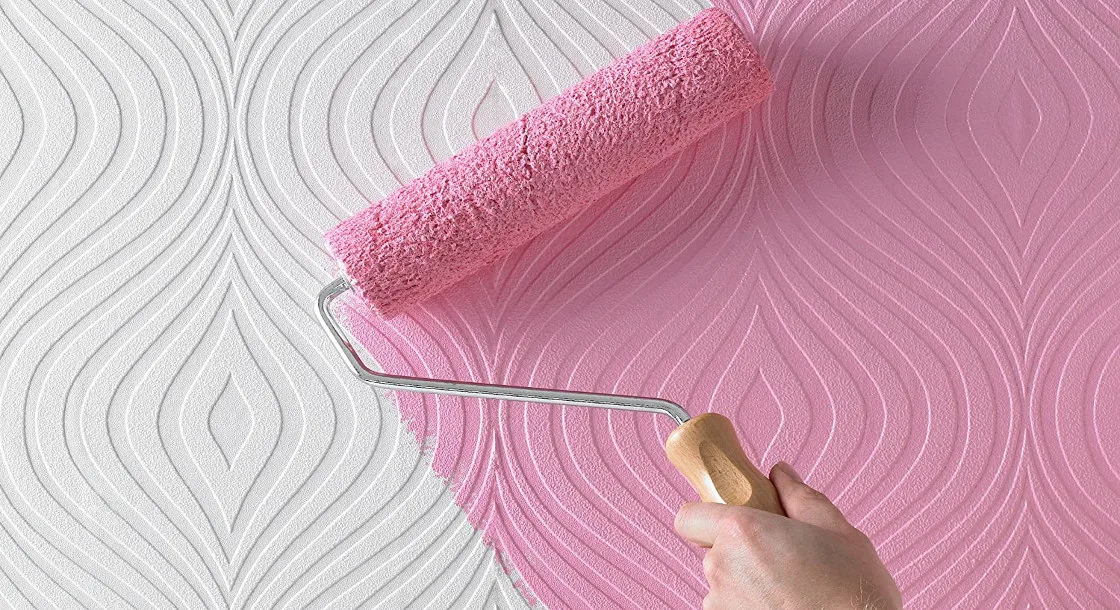
The physical characteristics of the wallpaper also dictate the final visual outcome. Plain, flat wallpaper provides the most hospitable surface for a smooth, modern paint job. Textured or heavily patterned papers can technically be painted over, but decorators must accept that the underlying texture, relief patterns, or embossed designs will remain visible beneath the new colour, giving the walls a distinct tactile dimension that may or may not fit the desired aesthetic.
Preparing Wallpaper for Painting
Assuming a thorough inspection confirms that the wallpaper is structurally sound, clean, and securely adhered, the preparation phase for painting over it is relatively straightforward compared to full wall restoration. Once the room has been cleared and protected with traditional decorating safeguards like masking tape along the trim and baseboards, attention shifts directly to the surface treatment of the walls themselves.
Despite the relative simplicity of the prep work, skipping crucial preparatory layers can lead to disastrous long-term results. The condition of the wallpaper dictates how well it will receive new liquid coatings, making the transition from paper to paint a delicate chemical balancing act.
Priming Wallpaper for Painting
Even when dealing with light-coloured or unpatterned wallpaper, applying at least one dedicated coat of primer is widely recommended by painting and decorating professionals. A proper primer serves a dual purpose: it helps achieve a clean, uniform finish when the final topcoat is applied, and it seals the surface so the wallpaper is easier to cover evenly.
The choice of primer, however, is of paramount importance. Water-based primers can introduce too much moisture into the equation, causing the liquid to soak excessively into the wallpaper and reactivate or compromise the underlying paste. To avoid lifting the paper from the wall, professionals consistently recommend using an oil-based primer or a specialized sealing formula when painting over wallpaper. Products designed explicitly for this purpose, such as all-in-one primer and sealer compounds, offer the necessary barrier protection to prepare wallpapered surfaces safely for a heavy coat of paint.
Homeowners are generally advised to apply at least one, and ideally two, thorough coats of primer, ensuring each layer is granted adequate time to dry completely before moving forward with the project.
How to Paint Over Wallpaper
With the preparatory sealing and priming stages successfully completed, the walls are ready for the application of the chosen topcoat paint colour. Standard rolling and cutting-in techniques are employed just as they would be on a conventional plastered wall, ensuring an even distribution of colour across the primed wallpaper surface.
Yet, even with meticulous planning and execution, unexpected complications can occasionally arise during the painting process. Understanding these potential issues and knowing how to address them can mean the difference between a professional-looking finish and a DIY disaster.

Problems With Painting on Top of Wallpaper
While a properly planned and executed project should yield smooth results, certain natural characteristics of wallpaper can reveal themselves only after the painting process has begun.
One of the most common issues encountered by DIY decorators is the appearance of gaps between individual strips of wallpaper. When wallpaper is originally installed and pasted, the moisture causes the paper to expand slightly. As the adhesive dries, the paper contracts. This natural shrinkage can occasionally open up thin, visible gaps between adjacent sheets.
While a slight gap is not an immediate dealbreaker for a room transformation plan, it cannot simply be ignored under a coat of paint. Assuming the surrounding wallpaper remains firmly affixed and structurally sound, these gaps can be successfully concealed using a standard wall filler.
Timing and precision are critical when utilizing filler in this context. Experts emphasize that filling the gaps is best undertaken after the primer coats have already been applied. Once the primer has fully set, the dried filler must be carefully sanded down until it is perfectly flush with the level of the surrounding paper. Any raised edges or excess filler will stand out starkly and look exceptionally conspicuous once the final topcoat of paint is rolled over the area, making patience and thorough sanding essential steps in achieving a seamless finish.