As winter approaches and household budgets face mounting pressure, property owners across the country are increasingly turning to a traditional yet highly effective home improvement measure to combat the cold: loft insulation. With soaring heating costs prompting a renewed focus on domestic energy efficiency, experts and industry bodies are highlighting the critical role that proper attic insulation plays in reducing heat loss, maintaining indoor thermal comfort, and significantly lowering annual utility expenses.
The physical mechanics of domestic heat loss are well established. Warm air naturally rises within a building structure, and in uninsulated or poorly insulated properties, a substantial portion of this heat escapes directly through the roof and into the atmosphere. This continuous thermal drain forces heating systems to work harder and longer, resulting in uncomfortable drafts, uneven indoor temperatures, and inflated energy bills. Older homes and properties built with minimal historical thermal considerations are particularly vulnerable to this phenomenon. By upgrading loft insulation to modern standards, households can effectively trap warmth inside living spaces, creating a stable and cozy environment throughout the colder months while simultaneously curbing their carbon footprint.
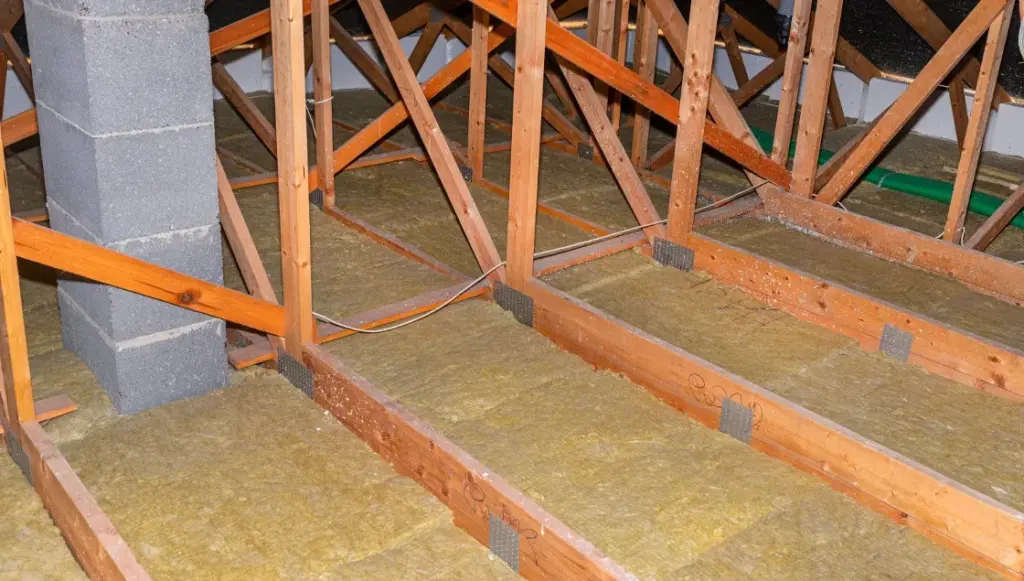
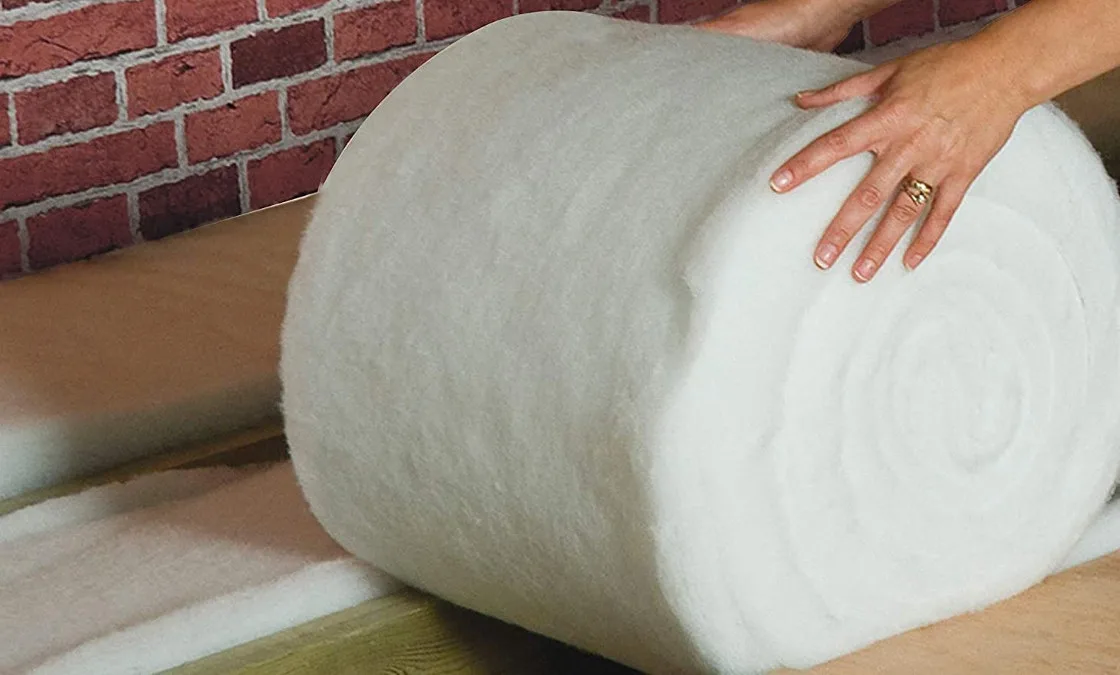
Selecting the appropriate material for a loft upgrade requires an understanding of the various options currently available on the market, each presenting distinct advantages and installation requirements. Traditional blanket insulation remains the most widely utilized solution due to its accessibility and cost-effectiveness. Supplied in flexible rolls designed to fit standard joist spacing, blanket insulation is straightforward to handle and accommodates a variety of structural widths and depths. For homeowners prioritizing environmental sustainability or seeking enhanced comfort during installation, recycled and natural blanket alternatives offer a compelling choice. While generally carrying a higher upfront price tag, these materials often deliver superior thermal performance within a thinner profile and eliminate the common skin and respiratory irritations associated with conventional mineral wool products.
Alternative configurations cater to more challenging architectural layouts. Loose-fill insulation, which can be manufactured from recycled paper products or traditional minerals, provides a practical solution for loft spaces characterized by awkward dimensions or restricted access. Because it is packaged in manageable bags rather than bulky rolls, loose-fill material can be easily maneuvered into tight corners and around structural obstructions. Meanwhile, rigid board or slab insulation offers a denser alternative, often utilized to provide enhanced acoustic dampening alongside thermal protection. These rigid panels are cut to fit snugly between joists, providing a firm foundation when higher density or specific structural requirements demand it.

Before purchasing materials or commencing any installation work, industry professionals emphasize the fundamental importance of accurately assessing the loft space. Determining the total square footage by measuring the length and width of the area ensures that homeowners acquire the correct volume of material, minimizing waste and avoiding unexpected shortages. Equally critical is evaluating the depth of any existing insulation layer. Current energy standards and building recommendations typically advise a total insulation depth of between 250mm and 270mm. Properties where existing material falls significantly short of this benchmark require supplementary layers to achieve optimal thermal efficiency.
The installation process, whether undertaken as a do-it-yourself project or entrusted to professional contractors, demands careful preparation and adherence to safety protocols. Standard preparations typically involve clearing accumulated dust and debris from the gaps between ceiling joists. Depending on the condition of the underlying ceiling surface, particularly if the plasterboard lacks a reflective foil backing, the installation of a dedicated vapour barrier is frequently recommended. These specialized membranes are rolled out across the joists and securely stapled along their inner edges to prevent moisture migration from living areas below into the cold roof space, thereby mitigating the risk of condensation and subsequent dampness.
When handling blanket or slab materials, personal protective equipment including gloves, eye protection, and masks is essential to prevent irritation from loose fibers. Installers are advised to unroll blanket insulation directly within the loft space to avoid spreading debris throughout the rest of the property. The material should be laid snugly between the joists without excessive compression, as trapped air pockets within the fibers are critical to the material’s insulating properties. Care must also be taken around electrical infrastructure. Recessed light fittings and electrical cables running through the joist spaces require careful management to prevent overheating; insulation must be cut away around light fittings or managed with protective enclosures, while electrical wiring should be safely routed above the insulation blanket.
Loose-fill installations involve a slightly different methodology. After clearing the area and securing any necessary vapour barriers, installers typically create a small perimeter barrier using blanket insulation around the eaves to prevent the loose material from spilling into ventilation gaps, while maintaining necessary airflow beneath the roof felt. The loose-fill material is then poured evenly between the joists and leveled using a rigid straightedge to achieve a uniform depth across the entire ceiling plane. To manage electrical fittings within a loose-fill environment, wooden frames or cardboard sleeves are frequently constructed to create a safe containment perimeter around the fixtures.
Despite the clear benefits of a well-insulated roof space, property owners must remain vigilant regarding potential maintenance issues, chief among them being condensation and moisture accumulation. Restricting airflow entirely through over-insulation without adequate roof ventilation can trap household humidity, leading to mold growth and structural timber degradation. Ensuring continuous ventilation through proper eaves clearance or installed roof vents is vital for preserving the long-term integrity of the building. Regular inspections to check for displaced materials, settling of loose-fill, or accidental damage ensure that the thermal envelope remains intact year after year.
The financial and environmental implications of completing these upgrades are substantial. According to data from the Energy Saving Trust, upgrading a completely uninsulated roof space to the recommended 270mm depth of insulation can yield savings of up to £590 per year on household energy bills. While the initial investment varies based on the chosen material and whether the labor is performed independently or outsourced to professionals, the cumulative reduction in ongoing energy consumption ensures that loft insulation remains one of the most cost-effective and environmentally sound investments a homeowner can make in their property.