For homeowners navigating the ongoing challenges of rising energy bills and seeking practical ways to enhance household comfort, cavity wall insulation is increasingly being recognized as a high-value home improvement investment. As utility costs continue to weigh heavily on household budgets, industry experts and environmental analysts point to wall insulation as one of the most effective structural upgrades a property owner can make to improve thermal performance and reduce long-term expenditure.
Unlike traditional insulation methods that focus solely on roof spaces or flooring, cavity wall insulation targets the structural core of a building. It involves filling the empty gap—known as the cavity—located between a home’s interior and exterior walls. Typically measuring between 50mm and 100mm wide, this gap can act as a thermal bridge, allowing valuable heat to escape from the living spaces into the outside air. By filling this void with specialized insulating material, homeowners can establish a robust thermal barrier that traps warmth inside during the bitter winter months while preventing excessive heat from penetrating the building during the summer.
Recent studies and consumer reports indicate that implementing this measure can yield substantial financial returns. According to data from the Energy Saving Trust, effective cavity wall insulation can save typical households anywhere from £180 to £690 per year on heating bills, depending on property size and current energy usage. Over the expected lifespan of the installation—which generally spans around 25 years—these cumulative savings can amount to thousands of pounds, positioning the upgrade as a sound financial strategy rather than a mere expense. Furthermore, by curbing the overall demand for domestic heating, the intervention directly lowers household carbon emissions, contributing to broader environmental sustainability goals.
What is Cavity Wall Insulation?
To understand the mechanics of the upgrade, it helps to examine standard wall construction. Many residential properties built from the mid-20th century onward feature external walls constructed with two separate skins of brick or masonry separated by a hollow space. This structural gap was originally designed to prevent moisture from traveling from the outer wall directly to the inner living areas. However, left uninsulated, the cavity permits significant heat loss through convection and radiation.
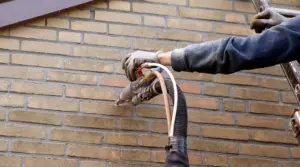
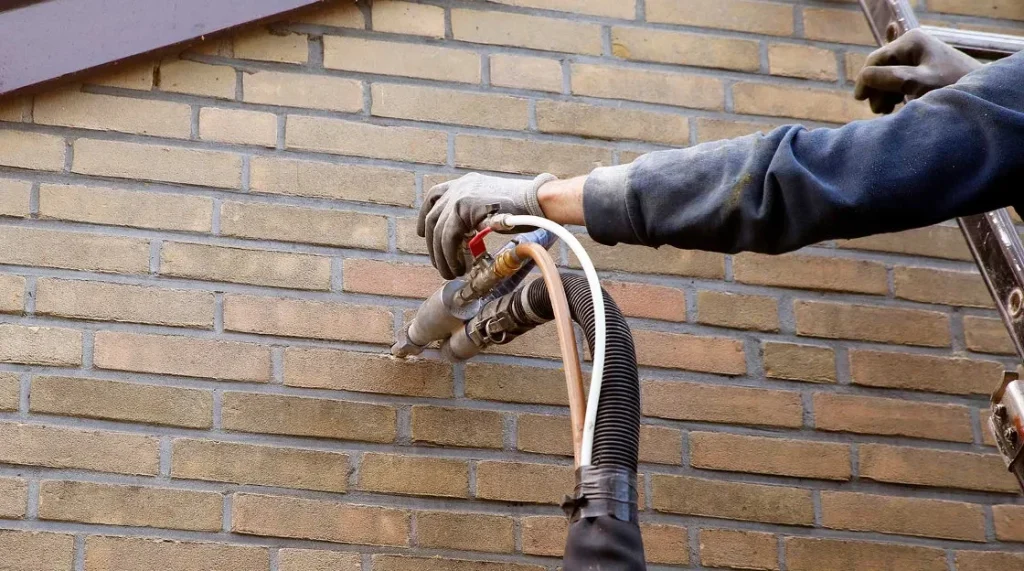
Cavity wall insulation addresses this vulnerability by filling the empty space with certified thermal materials. Industry professionals typically employ one of two primary installation techniques: the blown method or the injected method. Blown insulation utilizes specialized pneumatic equipment to propel lightweight materials, such as mineral wool fiber or expanded polystyrene beads, into the cavity through strategic entry points. Alternatively, the injected method involves drilling precise holes into the exterior mortar joints and pumping specialized foam or bonding agents into the wall cavity until the entire void is uniformly filled. Both methodologies have proven highly effective and can be adapted to suit a wide variety of residential architecture, from detached properties to terraced housing.
Benefits of Cavity Wall Insulation
The advantages of retrofitting a property with cavity wall insulation extend far beyond immediate financial relief on utility statements. Property analysts and building engineers generally categorize the primary benefits into four distinct areas: reduced energy bills, enhanced indoor comfort, a smaller carbon footprint, and increased property market value.
Reduced Energy Bills
The most immediate and quantifiable advantage for most homeowners is the drastic reduction in wasted thermal energy. Because the insulation barrier drastically slows down the rate at which heat escapes through the external boundaries of the building, the property retains warmth much more efficiently. Consequently, central heating systems do not need to work as hard or run as frequently to maintain a comfortable indoor temperature. With domestic energy tariffs remaining volatile, trimming up to 25% off annual heating expenditures provides a crucial financial buffer for households. Over a quarter-century lifespan, these savings transform an initial capital outlay into a highly profitable investment.
Increased Comfort
Beyond financial metrics, insulated cavity walls profoundly alter the internal climate of a home. Uninsulated exterior walls frequently develop cold spots and create convective drafts as indoor air cools against the unshielded masonry. By stabilizing surface temperatures across exterior walls, insulation eliminates these cold zones and drafts. The resulting living environment remains noticeably warmer and more stable throughout the winter season, while retaining a cooler, more balanced temperature during peak summer heatwaves.
Reduced Carbon Footprint
As governments and communities worldwide strive to meet net-zero emissions targets, residential energy efficiency plays a pivotal role. Domestic heating accounts for a substantial share of national carbon emissions. By sealing thermal leaks and lowering the amount of fossil fuels or electricity required to heat residential spaces, homeowners directly diminish their household carbon footprint. This reduction offers an accessible and impactful way for individuals to participate in environmental conservation without sacrificing daily living standards.
Increased Property Value
Energy efficiency has rapidly evolved into a major consideration for prospective homebuyers. In an active real estate market, properties boasting high energy performance ratings command greater attention and often achieve higher valuations. Installing cavity wall insulation provides verifiable documentation of improved thermal efficiency, serving as a compelling selling point that can accelerate property transactions and enhance long-term asset value.
The Cost of Cavity Wall Insulation
While the long-term financial and environmental dividends are well-documented, homeowners must initially consider the upfront costs associated with the installation process. Pricing varies depending on several variables, including the total surface area of the exterior walls, the architectural layout of the building, the chosen insulating material, and the specific installation contractor engaged for the project.

On average, retrofitting a standard semi-detached house with cavity wall insulation ranges from £900 to £1,200. While this initial expenditure may appear significant, financial advisors consistently emphasize the importance of viewing the figure through the lens of long-term return on investment. Given that annual heating savings can quickly offset the initial outlay, the project typically pays for itself within a few years of completion, leaving the homeowner to enjoy decades of net financial savings and improved living conditions.
How to Know if Your Home Needs Cavity Wall Insulation
Property owners interested in pursuing the upgrade must first determine whether their building is structurally suitable. Not all properties feature cavities; older historic buildings constructed before the widespread adoption of cavity walls generally feature solid brick construction, which requires an entirely different insulation approach involving internal or external boarding. Furthermore, some modern properties may already feature insulation installed during the original construction phase, particularly homes built after the 1990s, when building regulations began mandating energy-saving measures.
To establish the exact construction status of a property, homeowners are advised to consult qualified insulation professionals rather than attempting visual assessments alone. Accredited surveyors can conduct non-invasive or minimally invasive inspections—often utilizing specialized endoscope cameras inserted into small drill holes—to examine the interior of the walls, measure the exact width of the cavity, and check for existing rubble, moisture buildup, or structural blockages that could impede the installation process.
The Installation Process and Choosing Professionals
Because retrofitting cavity wall insulation requires specialized industrial equipment, technical training, and precise safety compliance, it is rarely suited for amateur do-it-yourself projects. Improper installation can lead to severe structural issues, including damp bridging, where moisture bypasses the insulation and infiltrates the interior plasterwork, resulting in mold growth and property damage.
Engaging a reputable, certified insulation specialist is essential to guarantee that the work is executed to professional standards. Established firms—such as Dyson Energy Services, which has operated within the UK sector since 1982—employ trained technicians who understand the nuanced requirements of different building types. Professional installation ensures that the insulation material is distributed evenly throughout the entire cavity without leaving uninsulated gaps or compromising the property’s moisture-repellent properties.
Choosing the Right Insulation Material
Selecting the appropriate insulating medium is another critical decision in the retrofit process. Contractors typically offer a selection of materials, including mineral wool, expanded polystyrene beads, and specialized cavity foams, each presenting distinct performance characteristics.
Mineral wool is prized for its excellent fire-retardant properties and sound-absorption capabilities, making it a popular choice for urban environments. Polystyrene beads offer exceptional thermal resistance and flow freely into narrow or irregular cavities during the blown installation process. Foam insulation, meanwhile, provides superior rigidity and is frequently recommended for properties situated in exposed geographic regions subject to high levels of wind-driven rain, as it forms a cohesive, water-resistant barrier within the wall structure. Professional surveyors evaluate local environmental conditions, wall dimensions, and budget parameters to recommend the most suitable material for each unique property.
Maintenance and Upkeep
Once properly installed by accredited professionals, cavity wall insulation is a remarkably low-maintenance home improvement. Because the insulating materials reside safely sealed within the enclosed wall cavity, they require no active upkeep or periodic servicing under normal conditions.
However, building experts recommend that homeowners remain vigilant for indirect warning signs that could indicate a structural or insulation failure. The sudden appearance of persistent damp patches, peeling wallpaper, or localized mold growth on interior walls should prompt immediate investigation. These symptoms can occasionally indicate that moisture is bridging the cavity due to blocked vents, damaged exterior brickwork, or faulty installation. In such instances, contacting a certified insulation specialist to inspect the property ensures that any underlying issues are promptly identified and resolved before structural damage occurs.
Ultimately, cavity wall insulation stands out as a proven, highly effective intervention for property owners seeking to reconcile rising energy costs with the desire for a warm, comfortable, and environmentally sustainable home. By partnering with qualified professionals and selecting materials tailored to their specific architectural needs, homeowners can secure significant financial savings and protect their property value for decades to come.