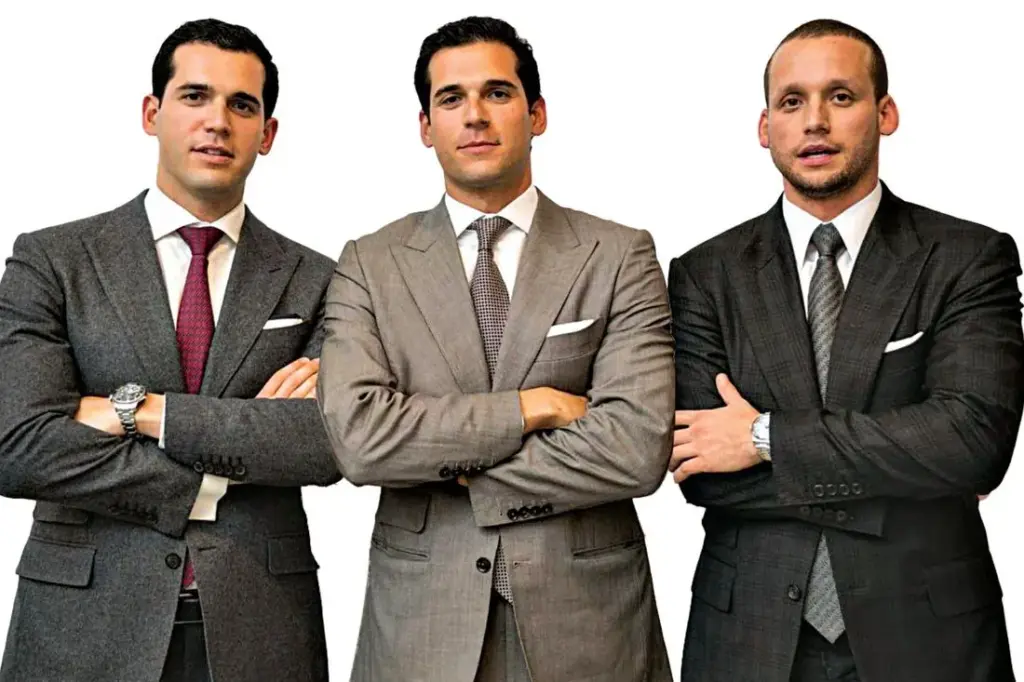
To the elite circles of Manhattan and Miami, Oren, Alon, and Tal Alexander were the epitome of high-stakes, jet-setting success. Known collectively in real estate lore as the "Alexander Team" or the "A-Team," the brothers projected an image of untouchable glamour, appearing polished, perpetually suited up, and at the center of the world’s most lucrative property deals. They hosted extravagant parties, rubbed shoulders with billionaires and celebrities, and generated billions in sales across New York and South Florida.

Yet, beneath the glossy veneer of designer suits, private jets, and record-breaking penthouse transactions, a dark reality persisted for years. Following a federal jury trial in March 2026, the three brothers were found guilty on all ten counts of sex trafficking and sexual assault. With their sentencing scheduled for October 2027 and prosecutors pressing for life sentences, the luxury real estate industry has been left to grapple with a chilling question: How did the Alexander brothers achieve elite status while systematically evading accountability for decades?

The Rise of the A-Team and the Culture of Impunity
The foundations of the brothers’ aggressive business style were laid long before they entered the Manhattan real estate market. Raised in Bal Harbour, an affluent enclave north of Miami Beach, Oren, Alon, and Tal grew up immersed in a fiercely competitive environment. Their parents, Shlomy and Orly Alexander, founded Kent Security in the early 1980s, which grew into one of South Florida’s largest security contractors. Former employees described the family business as cutthroat, operating under the philosophy that success required stepping on anyone necessary to get ahead.

As teenagers at Michael M. Krop Senior High School in North Miami, the brothers cultivated reputations as alpha-male bullies who enjoyed making peers feel inadequate. More ominously, rumors regarding predatory behavior followed them from their high school days. Multiple women have since come forward with accusations detailing assaults dating back to the early 2000s, including allegations of gang-assaults and drugged encounters. Despite guidance counselors, local residents, and even police officers reportedly warning young women to be cautious around the Alexanders at parties, the brothers appeared shielded from legal consequences. Observers in South Florida’s tight-knit communities often noted a prevailing sense that the family was untouchable.

Transitioning to New York Luxury Real Estate
Following their high school years and college stints, the brothers converged on New York City, where Tal had already established a modest rental brokerage. Oren leveraged a connection forged by his father—who had built a spec home on Indian Creek Island—with Howard Lorber, the powerful chairman of Prudential Douglas Elliman. That introduction secured Oren a spot at Elliman, where he began his career renting apartments before landing a series of massive luxury deals.

By 2012, Oren and Tal had formally launched the Alexander Group under the Elliman umbrella, styling themselves as the "A-Team." Alon soon joined them in New York after graduating from law school and running a branch of the family’s security firm. The brothers mastered the art of self-promotion, marketing themselves relentlessly as a hybrid of tech startup founders and lifestyle influencers. They positioned themselves at the epicenter of international wealth, traveling constantly between St. Tropez, Aspen, Monaco, and Cannes to court ultra-wealthy clients, bachelors, and newly divorced moguls.

Their aggressive tactics—poaching clients, inflating figures, and pushing boundaries—mirrored the aggressive playbook of their upbringing. While peers and colleagues frequently whispered about their unethical business practices and rumored histories of sexual misconduct, the brothers’ soaring commission totals seemed to grant them immunity. Even as various women experienced blackouts, hospitalizations, and assaults following encounters with the brothers, warnings within the industry were frequently brushed aside or ignored by top executives.

The Reckoning and Legal Fallout
The illusion of invulnerability began to fracture as victims gradually stepped forward to break decades of silence. Throughout the brothers’ decade of peak dominance—spanning high-profile sales like Ken Griffin’s record-shattering $240 million condo at 220 Central Park South and the founding of their ultra-luxury firm, Official, in 2022—allegations continued to accumulate. Former colleagues and acquaintances noted that a culture of complicity and fear allowed the brothers to retain their status, as those who knew the rumors feared endangering their own careers or relationships within the insular luxury market.

The turning point arrived when civil lawsuits filed by survivors surfaced in real estate trade publications, prompting a cascade of public disclosures and social media revelations. Dozens of additional women came forward, recounting experiences of being drugged, cornered, and assaulted by one or more of the brothers across various properties in New York and Florida.

As the allegations multiplied and federal investigations intensified, the brothers stepped down from their respective firms. Despite mounting legal pressure and public outcry, the siblings initially attempted to dismiss the claims as fabricated shakedowns, maintaining their innocence through legal representatives. However, the weight of the evidence culminated in the federal trial, where a jury ultimately convicted Oren, Alon, and Tal on all counts of sex trafficking and sexual assault.

As the legal proceedings draw to a close with life sentences looming, the fallout has exposed deep structural failures within the luxury real estate sector, forcing an uncomfortable reckoning over how unchecked power and staggering profit margins allowed systemic abuse to hide in plain sight for decades.