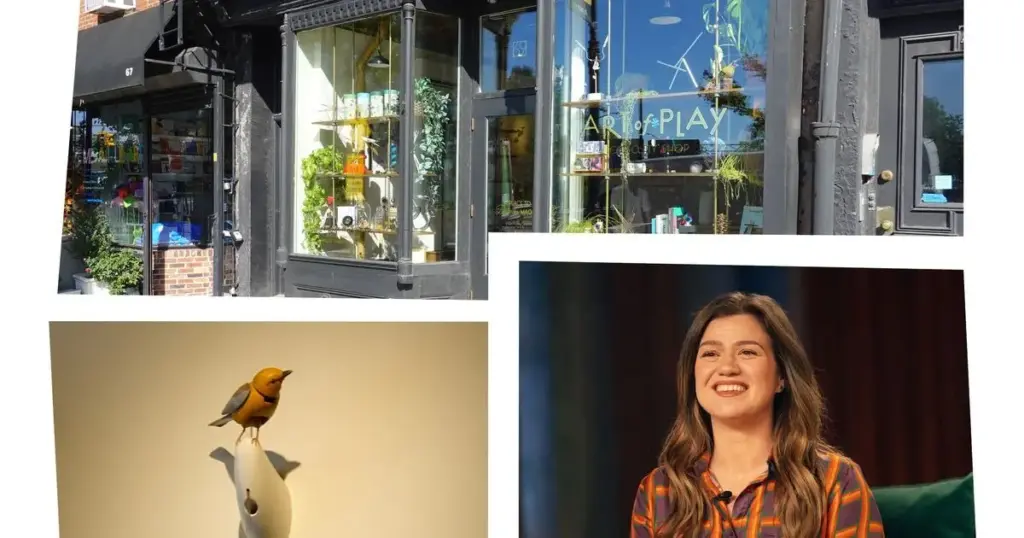
In the span of just a few days, a small, unassuming specialty store nestled on Atlantic Avenue in Brooklyn transformed from a quiet neighborhood curiosity into the epicenter of national internet attention. The catalyst for this sudden whirlwind was pop superstar Kelly Clarkson, who walked into the shop hoping to make a purchase, only to be told that the item she had her eye on was not for sale. What followed was a public airing of grievances on social media, a flurry of digital crossfire, and, according to the store’s owners, a terrifying descent into harassment and real-world danger.
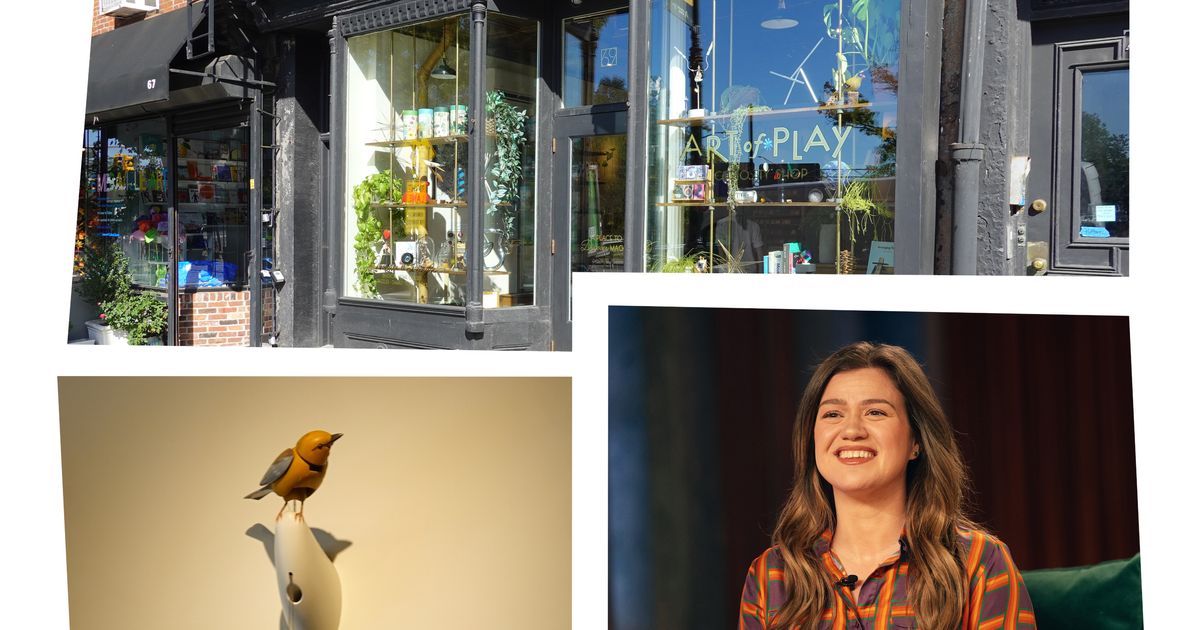
The store at the center of the storm is Art of Play, a niche boutique that specializes in a curated selection of toys, books, magic-adjacent objects, and intricate novelties. The controversy ignited when Clarkson, who boasts a following of eight million users on X, formerly known as Twitter, shared a harsh online review detailing her shopping trip. In her post, she compared the way she was treated to the iconic, humiliating boutique scene from the film Pretty Woman, in which Julia Roberts’s character is haughtily dismissed by high-end salespeople.
The backlash from Clarkson’s massive online following was swift. However, the proprietors of Art of Play quickly took to social media to offer their side of the story, clarifying that the pop star had not simply inquired about purchasing a standard item, such as a deck of cards. Instead, she had set her sights on "Molly"—a rare, one-of-a-kind singing and dancing mechanical bird that is permanently attached to the shop’s wall and serves as an active fixture in the magic performances hosted on-site. The store’s initial statement maintained that the bird, crafted by reclusive artisan Bliss Kolb, simply wasn’t for sale.
Yet, the internet being the internet, amateur sleuths quickly tracked down photographs of the exact same wall displaying a visible price tag. This discovery prompted Art of Play to issue further clarifications on Instagram, though the additional details only managed to stir up more confusion. The shop suggested that staff had either directed Clarkson to contact the elusive artist directly or offered a similar, significantly less expensive model instead. Clarkson, unconvinced and unimpressed, fired back with her own follow-up responses online.
By Tuesday morning, the digital dispute spilled loudly into the physical world. Adam Rubin, one of the shop’s three co-owners, arrived to unlock the front doors only to be greeted by a gaggle of reporters and cameras staking out the storefront. Standing inside the quiet shop, Rubin addressed the surreal sequence of events that had upended their business operations in an interview.
Reflecting on the initial interaction, Rubin described the situation as an insane misunderstanding that had been blown drastically out of proportion. He noted that while nothing happened inside the shop that justified Clarkson publicly scolding their employee on her way out, he was initially willing to chalk it up to someone simply having a bad day. Everything changed, however, when the singer chose to deploy her massive digital platform against them, turning a minor retail interaction into what Rubin characterized as asymmetrical social warfare.
When asked to walk through the actual dynamics of the visit, Rubin emphasized that the boutique was packed with customers at the time, rendering it far from a quiet, one-on-one exchange. He explained the standard rhythms of working in a busy specialty retail environment, where shopkeepers frequently pivot when a customer expresses interest in a unique display piece, suggesting alternatives of a similar nature. He pushed back against the notion that offering a less expensive alternative was somehow an insult, noting that retail hospitality involves engaging customers with other creative items in stock, regardless of price point.
According to Rubin, Clarkson was inside the establishment for less than five minutes. He noted that had the subsequent tweetstorm never materialized, the staff wouldn’t even have registered the interaction as negative because it was so utterly undramatic. From their perspective, they treated her like a completely normal person, an approach that evidently failed to align with her expectations.
Addressing the central point of contention—whether the mechanical bird was actually for sale—Rubin offered insight into their nontraditional business model. Art of Play works directly with independent artisans who produce limited runs of specialized goods. The creator of the automaton, Bliss Kolb, lives remotely in the woods in a home he built entirely with his own hands. He maintains no social media presence, operates no large-scale warehouse, and spends years handcrafting each intricate machine. Rubin explained that out of these rare creations, only two exist in the entire world, with the shop’s wall-mounted fixture housing one of them. While the piece functions primarily as a fine-art sculpture rather than off-the-shelf merchandise, Rubin noted that if a visitor showed genuine, serious interest, the shop would gladly reach out to the artist to facilitate an inquiry.
The presence of a price tag, which served as a primary piece of evidence for internet sleuths, was explained simply as a response to frequent customer inquiries over time. However, Rubin added with a touch of dry humor that in light of the sudden popular demand sparked by the controversy, the store had adjusted the price tag significantly, joking that the display piece now costs $15 million.
Beyond the logistical headache of pricing art, the aftermath of the viral post has taken a severe and alarming toll on the business and its staff. Rubin asserted that Kelly Clarkson’s public commentary had actively placed them in physical jeopardy. While local supporters and well-wishers had dropped by the shop on Monday—when the business was closed—to leave pastries and cupcakes for the staff, the digital fallout was far more sinister.
According to the co-owner, anyone expressing even a modicum of admiration, positivity, or sympathy toward Art of Play online immediately became a target for coordinated harassment by internet trolls. The onslaught quickly expanded beyond social media mentions, manifesting as relentless phone calls, flooding emails, and aggressive review-bombing campaigns across multiple digital platforms. Rubin described agitators showing up directly outside the storefront to shout and scream accusations, including claims that the shop had racially profiled Kelly Clarkson. When concerned neighbors stepped in to witness and film the sidewalk disturbances, the online mob retaliated by doxxing the local residents.
The harassment even infiltrated the store’s daily operations. With the business phone lines shut off to stem the tide of abuse, hateful comments and explicit threats of violence continuously popped up on the point-of-sale iPad screen right in the middle of ringing up legitimate customers. Rubin expressed deep frustration that genuine patrons attempting to contact the shop were effectively blocked by the overwhelming wave of hostility.
Despite the digital firestorm raging across the internet, the atmosphere inside the brick-and-mortar boutique on Tuesday morning remained remarkably calm. In fact, Rubin emphasized a stark dichotomy between the online narrative and the reality on the ground, noting that not a single person who has ever actually visited the store in person has taken Kelly Clarkson’s side.
As the interview wound down, reporters pressed for further clarification regarding the availability of the alternative, lower-priced singing bird models mentioned by staff, as well as whether the viral attention had translated into a massive spike in actual sales orders. Visibly finished with the line of questioning, Rubin offered a concise and final boundary, signaling that enough had been said about the $2,000 birds and the sudden rush of interest before asking the gathered press to leave the premises.