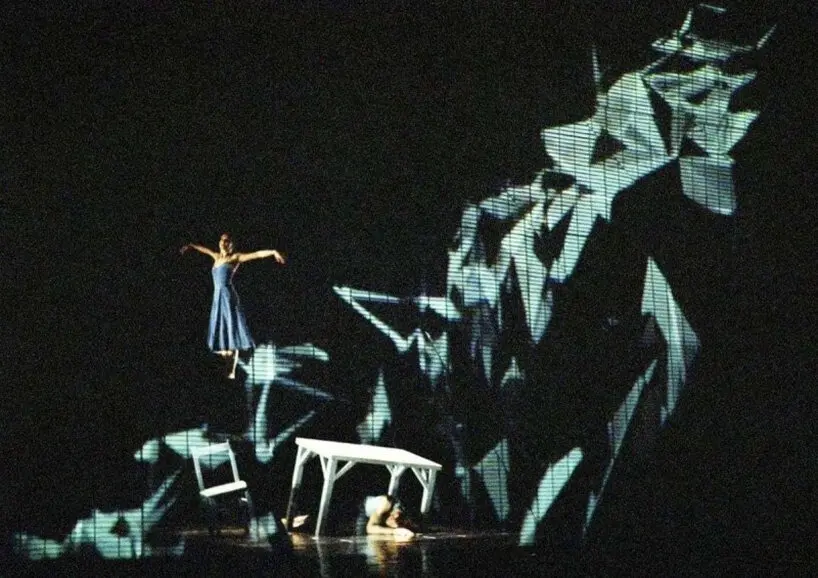
Long before immersive digital art installations and virtual production stages became the standard vocabulary of modern entertainment, visionary stage director Alfréd Radok and pioneering scenographer Josef Svoboda shattered the boundaries between physical theater and cinematic projection. Together, they introduced Laterna Magika at the Czechoslovakia pavilion during Expo 58 in Brussels, forging an entirely new theatrical language where live bodies, moving images, music, and architecture occupied the exact same visual field.
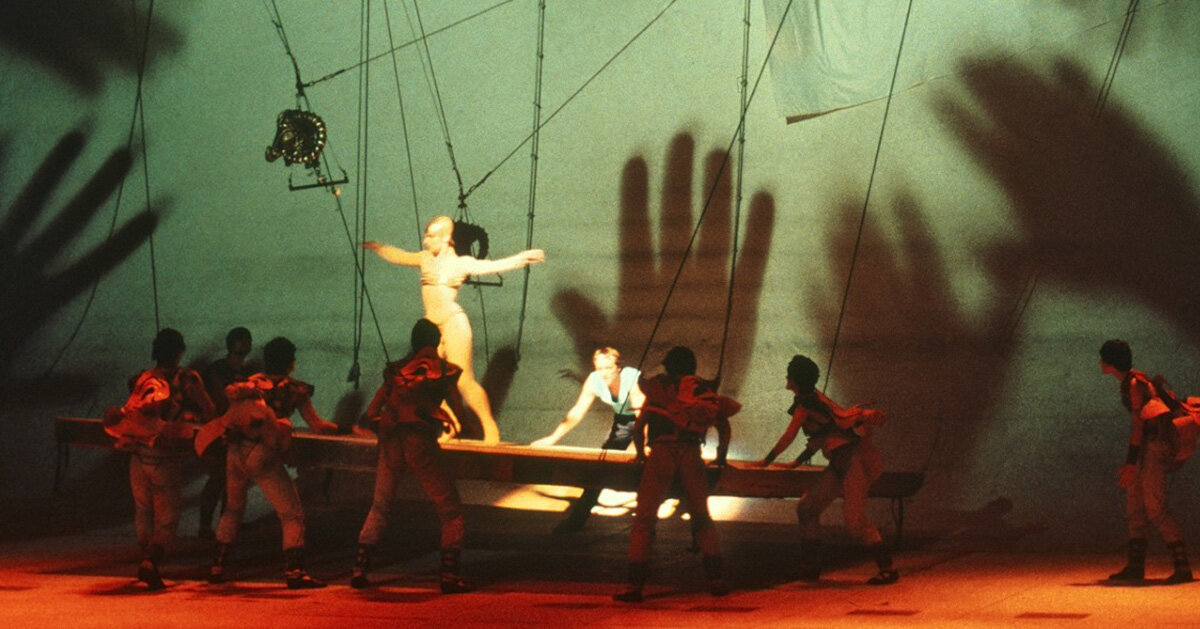
Developed as a groundbreaking centerpiece for an international exhibition, the project did much more than showcase technological novelty. It transformed the relationship between the physical stage and the projected image into the very subject of performance. By treating film not merely as a backdrop, but as an active, responsive entity interacting with live actors, Svoboda and Radok created a multidisciplinary medium that continues to offer profound insights into modern spectatorship, scenography, and the way screens alter our perception of physical space.
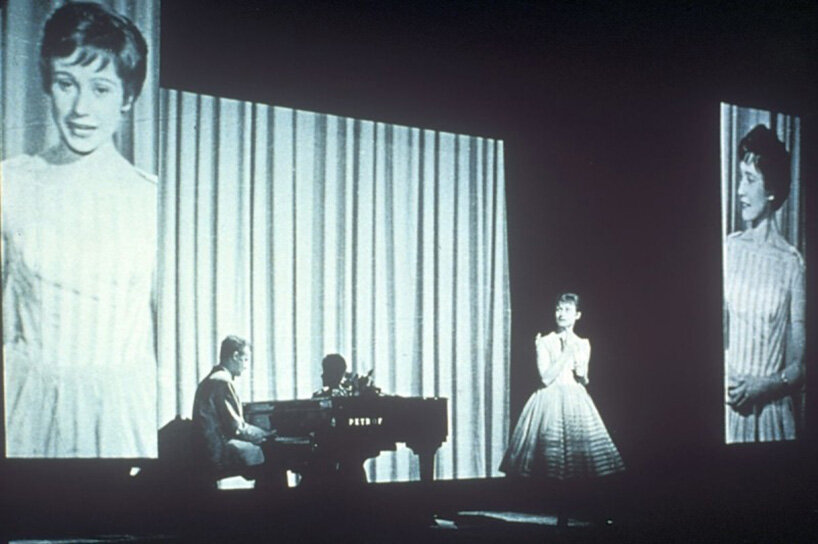
Laterna Magika Made the Screen Part of the Stage
The foundational premise behind Laterna Magika was remarkably sophisticated for its time: the idea that a filmed image could interact with a live performer on stage as if both existed within the exact same continuous world. In the original Expo 58 program, this concept was executed with breathtaking precision. Filmed figures appeared to converse directly with actresses performing live on the boards, while projected sequences were meticulously synchronized with live acting, musical scores, and choreographed dance.
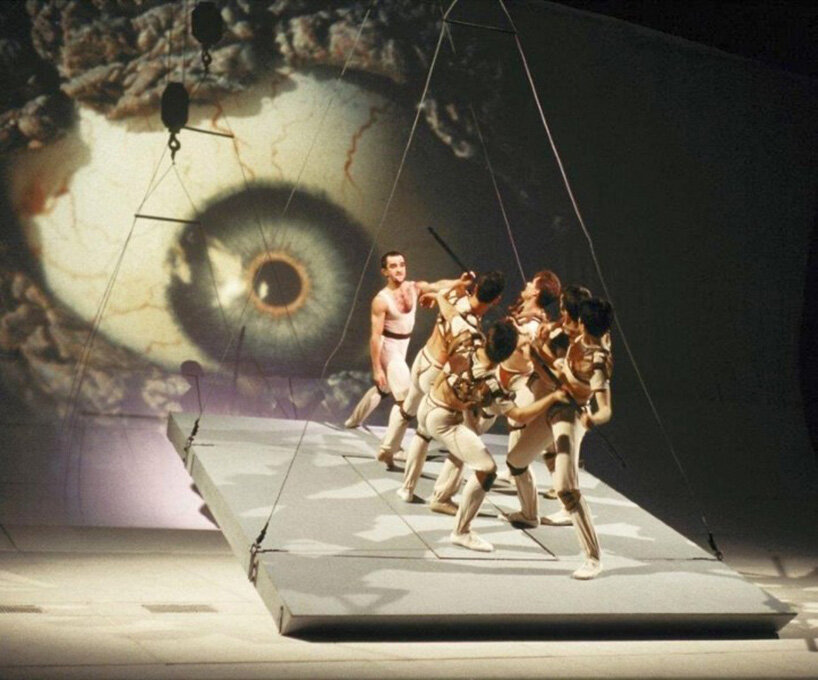
Rather than serving as passive decoration, the screen became an active participant in the unfolding drama, offering the audience an alternative narrative layer to follow alongside the physical action. A projected image could react dynamically to a performer’s gesture, elongate a movement across the floor, or introduce an entirely alternate version of the same physical space while the wooden boards of the stage remained fully visible.
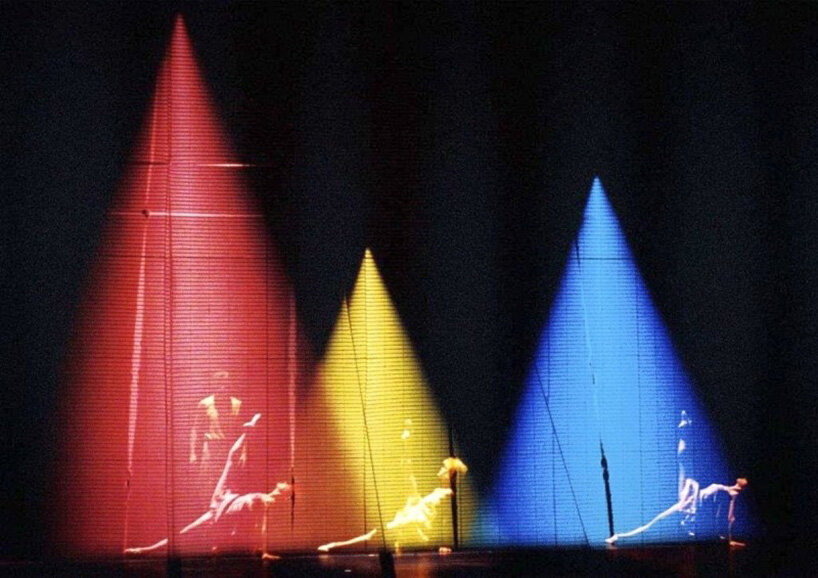
For the contemporary audience member, watching a Laterna Magika production required a unique form of visual navigation. Spectators had to move fluidly between different planes of attention, balancing what unfolded immediately in front of them with what flickered across the screen. When viewed against the backdrop of today’s built environments—where digital screens, LED panels, and interactive projections saturate theaters, museums, public plazas, and architectural facades—the prescience of Svoboda and Radok becomes strikingly apparent. They were already interrogating the complex psychological and spatial consequences of embedding images into physical environments, forcing audiences to view the performer and their digital double as two inseparable halves of a singular scene.
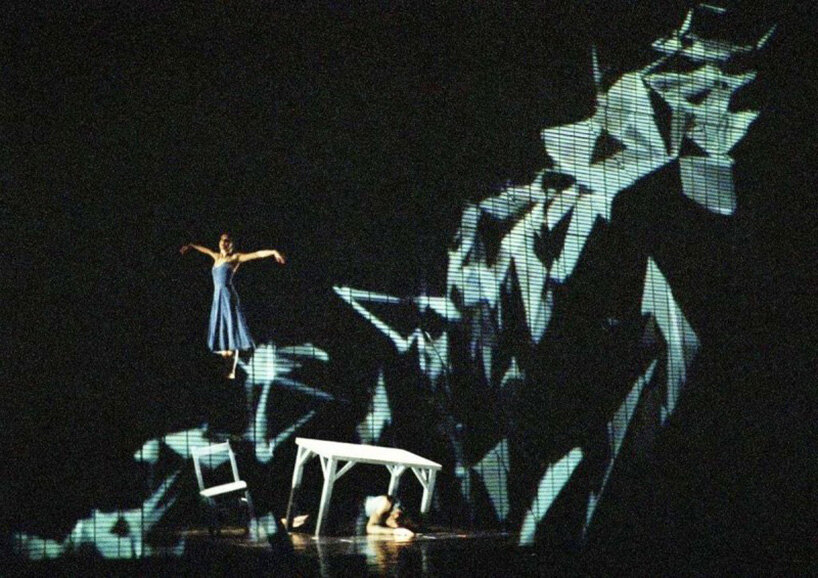
Josef Svoboda and the Architecture of the Image
As the head of artistic-technical operations at Prague’s National Theatre from the late 1940s onward, Josef Svoboda fundamentally revolutionized the institution’s approach to stagecraft. He pushed theater workshops toward an ambitious, technologically advanced model capable of supporting increasingly complex architectural and spatial designs. Rather than treating light, projection, and physical infrastructure as mere support systems for drama, Svoboda’s design philosophy treated them as active, living components of the theatrical environment.
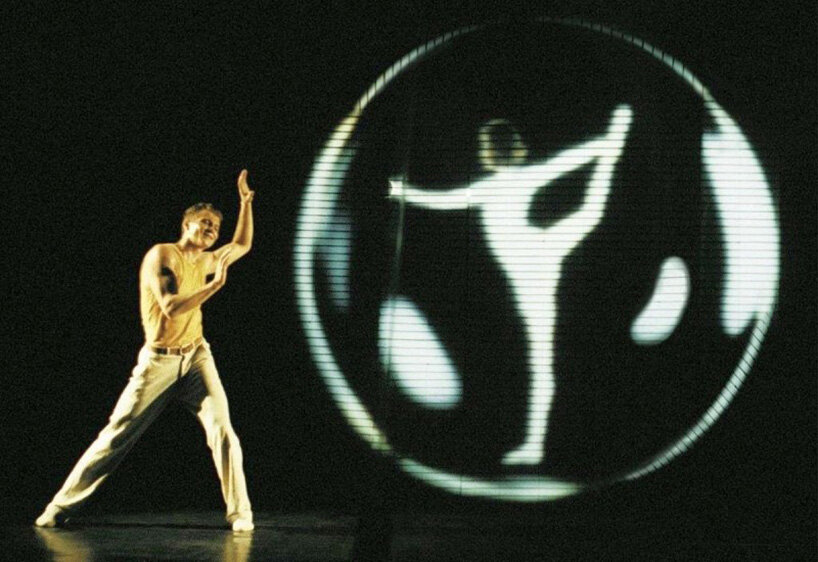
His historic collaboration with Alfréd Radok at Expo 58 grew organically out of this broader ambition to redefine the limits of scenography. Together, they cultivated a complex interplay between live action and cinematic sequences. The projected image could either heighten the emotional reality of the scene or deliberately contradict it, yielding a visual language anchored in exact timing and cross-media coordination. The National Theatre later noted that Laterna Magika evolved directly from these foundational principles, with each successive production exploring novel ways to bridge the gap between physical stagecraft and projected illusion.
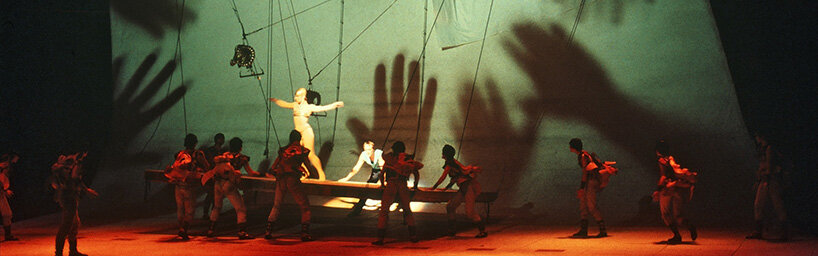
Svoboda’s restless intellect also extended into the underlying technical systems required to sustain these illusions. His development of Polyekran—a pioneering system that combined multiple projection surfaces into a unified, larger-scale image composition—took shape around this exact period. Although the National Theatre maintains a precise technical distinction between Polyekran as a multi-screen projection system and Laterna Magika as a distinct theatrical art form, both initiatives sprang from Svoboda’s relentless investigation into how projected light could completely subvert and reshape human perception of space.
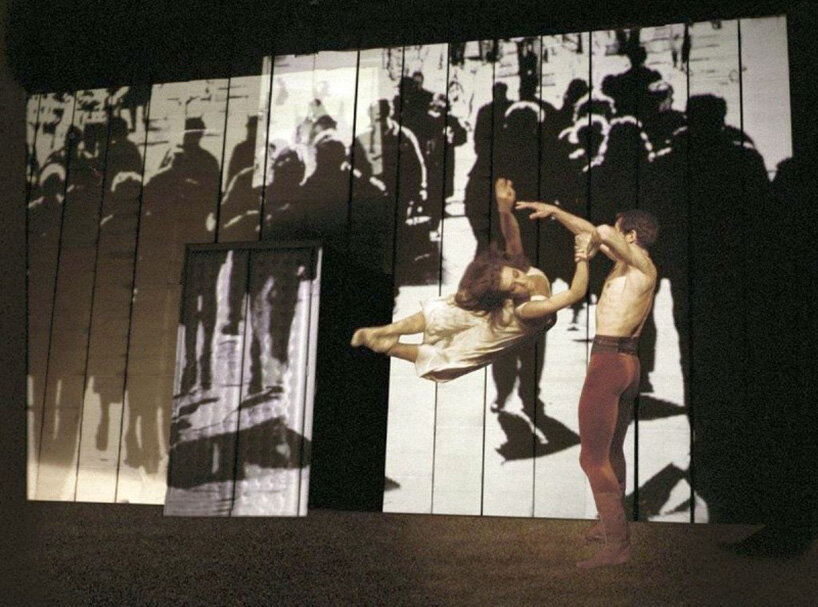
A Theater Built Around Spectatorship
When examined through the lens of contemporary scenography, Laterna Magika occupies a crucial place in the lineage of performance art that actively directs and commands audience attention. The viewer is perpetually suspended between material reality and digital illusion, tracking performers, lighting cues, kinetic structures, and cinematic projections as they collectively alter the room.
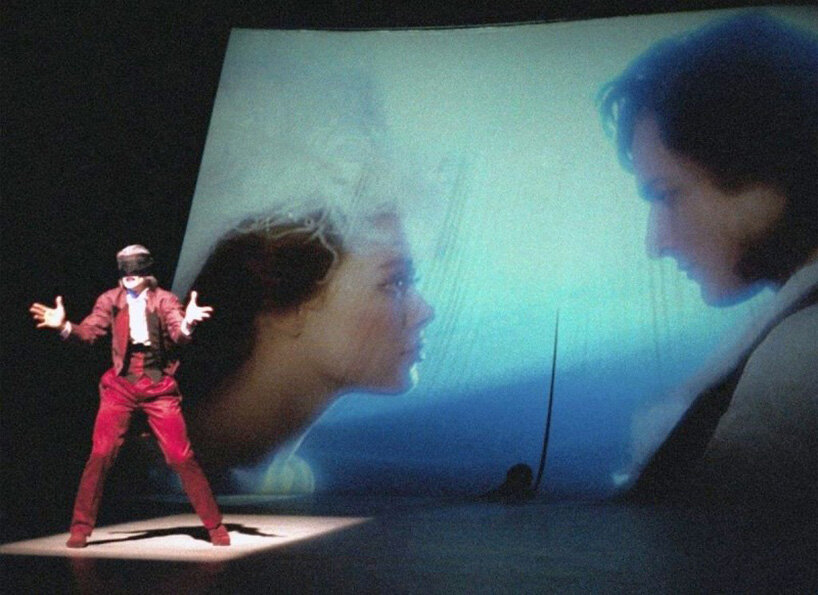
In this framework, the role of the spectator undergoes a fundamental shift. The audience can no longer remain passive observers; they must actively read the stage, deciphering how physical space, movement, light, and projection intersect to construct meaning. The stage transforms into a text that must be actively interpreted, proving that the architecture of attention was just as important to Svoboda and Radok as the physical machinery of the theater itself.
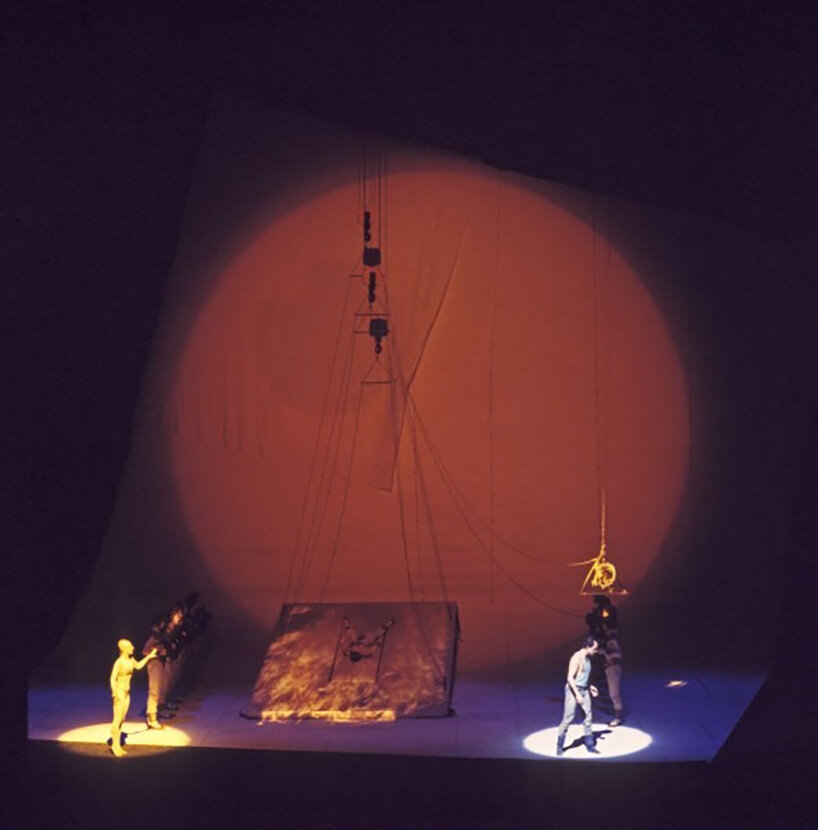
From Expo Spectacle to an Evolving Theater
Although the inaugural program was initially conceived for a high-profile international exhibition—carrying all the representational weight and political ambitions inherent to such a platform—its innovative theatrical language far outlived the six-month duration of Expo 58. In May 1959, Laterna Magika was officially established as an independent resident company within Prague’s National Theatre.
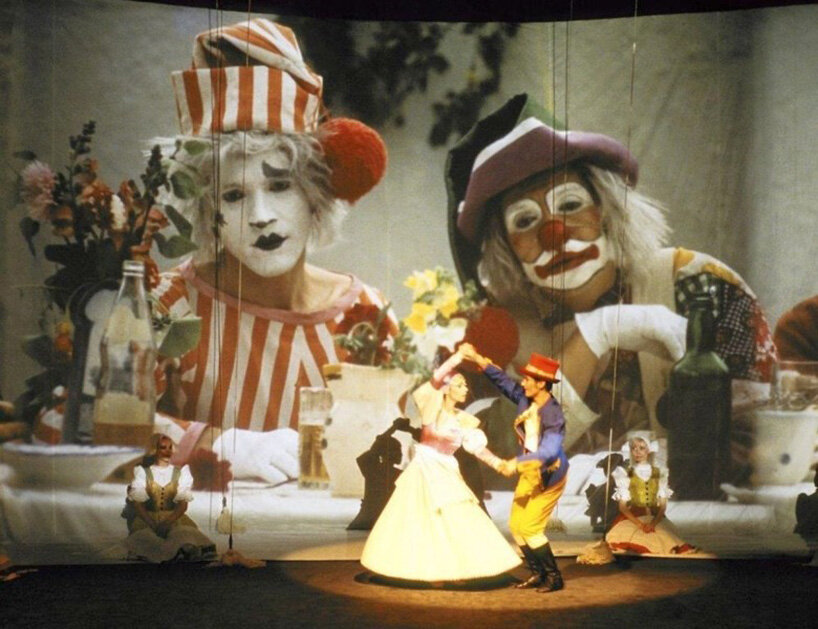
Initially, the ensemble focused on revue-style programs before gradually expanding into longer, narrative-driven theatrical repertoires. Among its most enduring achievements is Wonderful Circus, which premiered in 1977 and remains an active part of the company’s repertoire today. This landmark production marked a definitive shift toward multi-thematic storytelling, all while continuing to refine the intricate dialogue between live performers and projected imagery as the core pillar of its artistic identity.
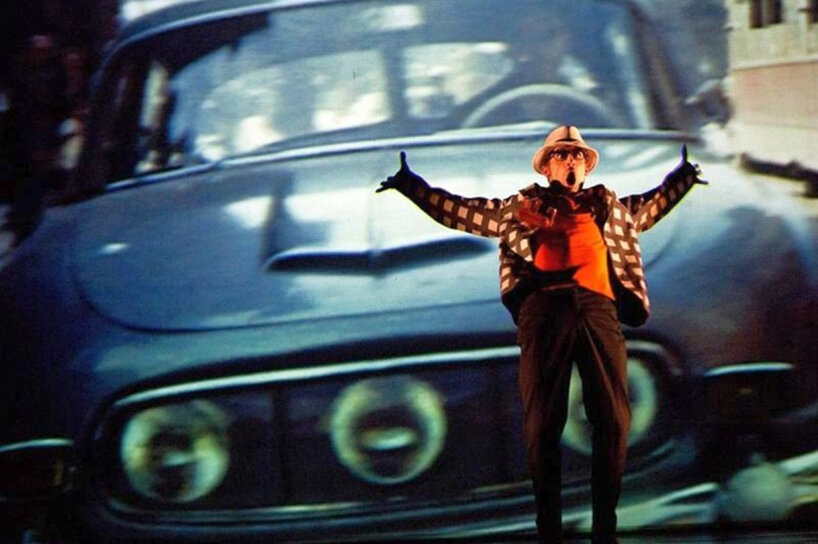
Svoboda assumed the role of artistic director for Laterna Magika in 1973, guiding the company through a critical juncture and remaining closely tied to its evolution for the remainder of his professional career. His profound influence even dictated the physical architecture where the company resided. During the planning and construction of Prague’s New Stage in the early 1980s, Svoboda successfully advocated for the building to be specifically tailored to house Laterna Magika, providing the experimental company with a permanent home. When the New Stage opened its doors in 1983, it offered a bespoke architectural vessel for a theatrical medium originally born inside a temporary exhibition pavilion, proving that radical scenography could actively generate the physical infrastructure required for its own survival.
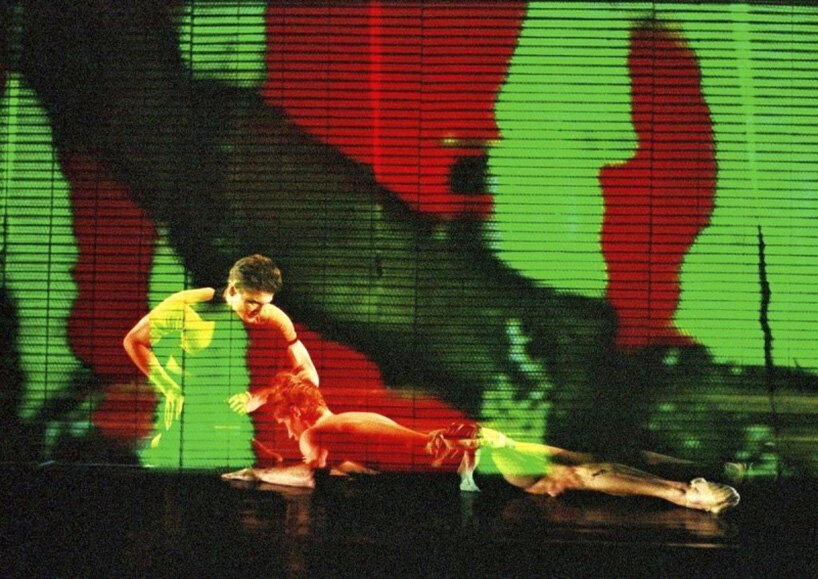
The Stage After the Stage
Revisiting the history of Laterna Magika today reveals how deeply contemporary performance remains indebted to these mid-century experiments. As modern theater, museum installations, and architectural design increasingly rely on projection mapping, LED screens, virtual production environments, and responsive lighting, the work of Svoboda and Radok stops feeling like a distant historical footnote. Instead, it emerges as a vital early chapter in an ongoing technological and artistic conversation.
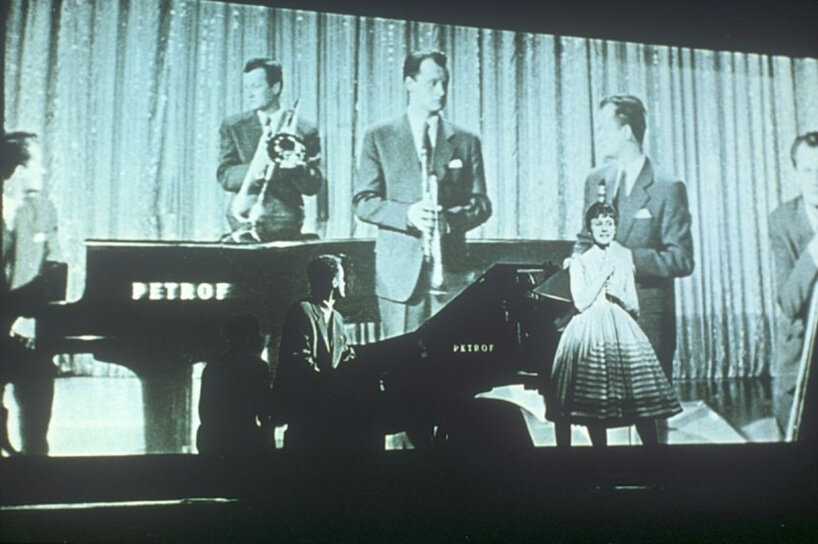
What remains remarkable is how many modern multimedia conventions were already fully articulated within Laterna Magika. While the underlying hardware has evolved dramatically from analog film loops to digital renders, the fundamental spatial dynamic remains strikingly intact: a live human body shares space with a luminous image, the image radically alters our spatial awareness, and the audience negotiates the tension between them in real time.
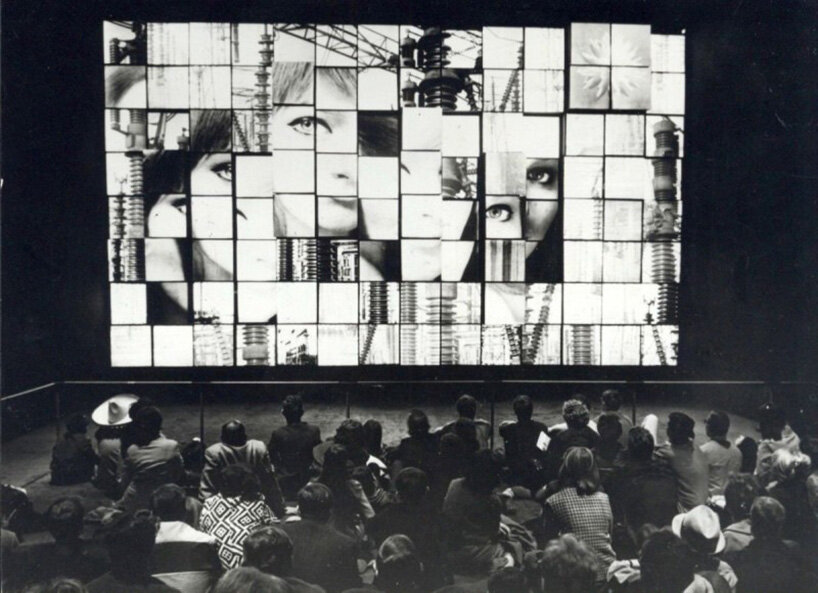
Looking back at these foundational works allows contemporary designers and artists to trace the origins of the immersive environments we now navigate daily. By treating the stage as a malleable canvas capable of shifting through light, movement, and projected technology, Josef Svoboda and Alfréd Radok established a timeless reference point for understanding how the complex relationship between image, space, and spectator first took shape.