When it comes to backyard structures, longevity and structural integrity start from the ground up. Outdoor Living Today, a prominent provider of outdoor wooden structures, has released comprehensive guidelines aimed at helping property owners eliminate the guesswork traditionally associated with establishing a sturdy, level base. Designed to accommodate both seasoned do-it-yourself enthusiasts and first-time builders alike, the newly detailed framework provides essential insights into site preparation, accurate layout techniques, and the selection of three primary foundation types: patio stones, pressure-treated wood beams, and concrete slabs.
Industry experts have long maintained that a solid, level foundation is the single most critical factor in ensuring a shed stands the test of time. Without a proper base, wooden components can warp over the years, doors and windows may eventually fail to latch correctly, and structural shifting can compromise the integrity of the entire building. To address these common challenges, the company’s latest advisory emphasizes a methodical approach to ground preparation before any shed kit arrives on-site.
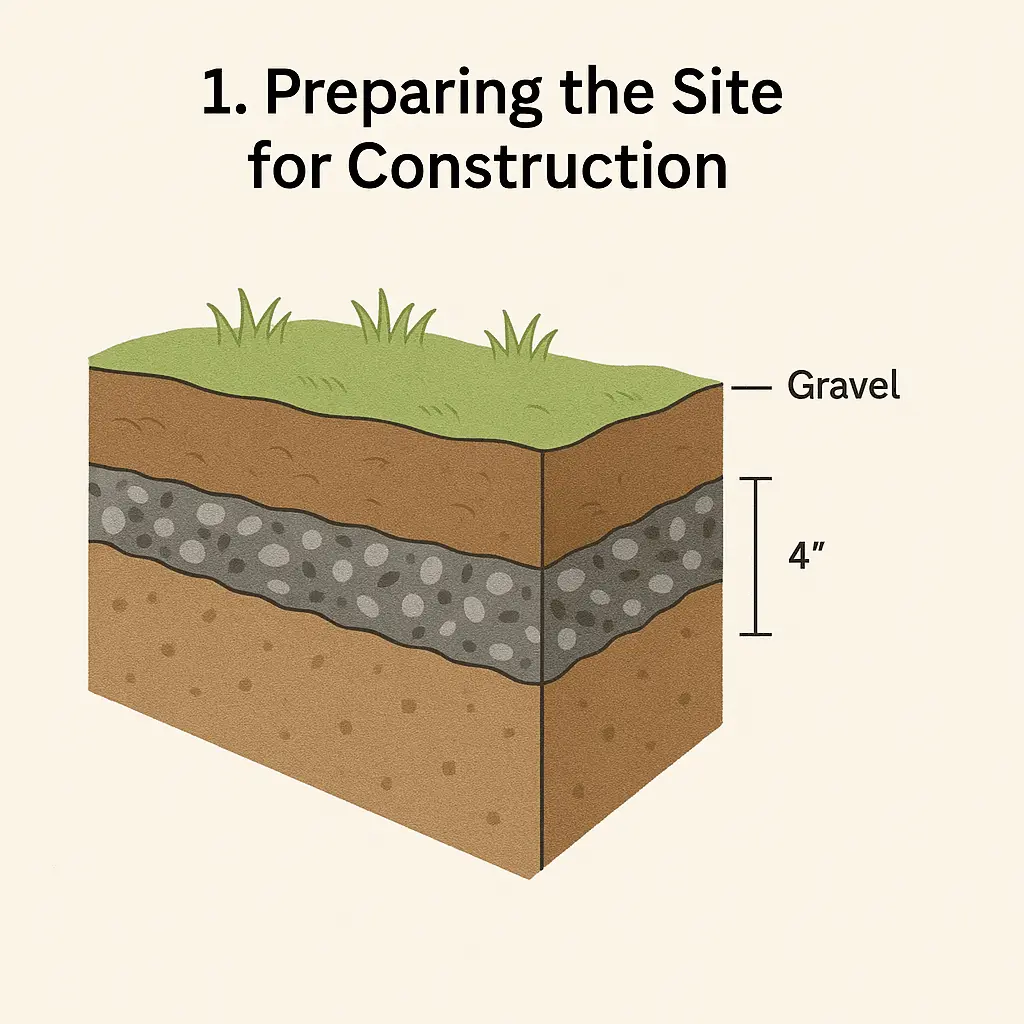
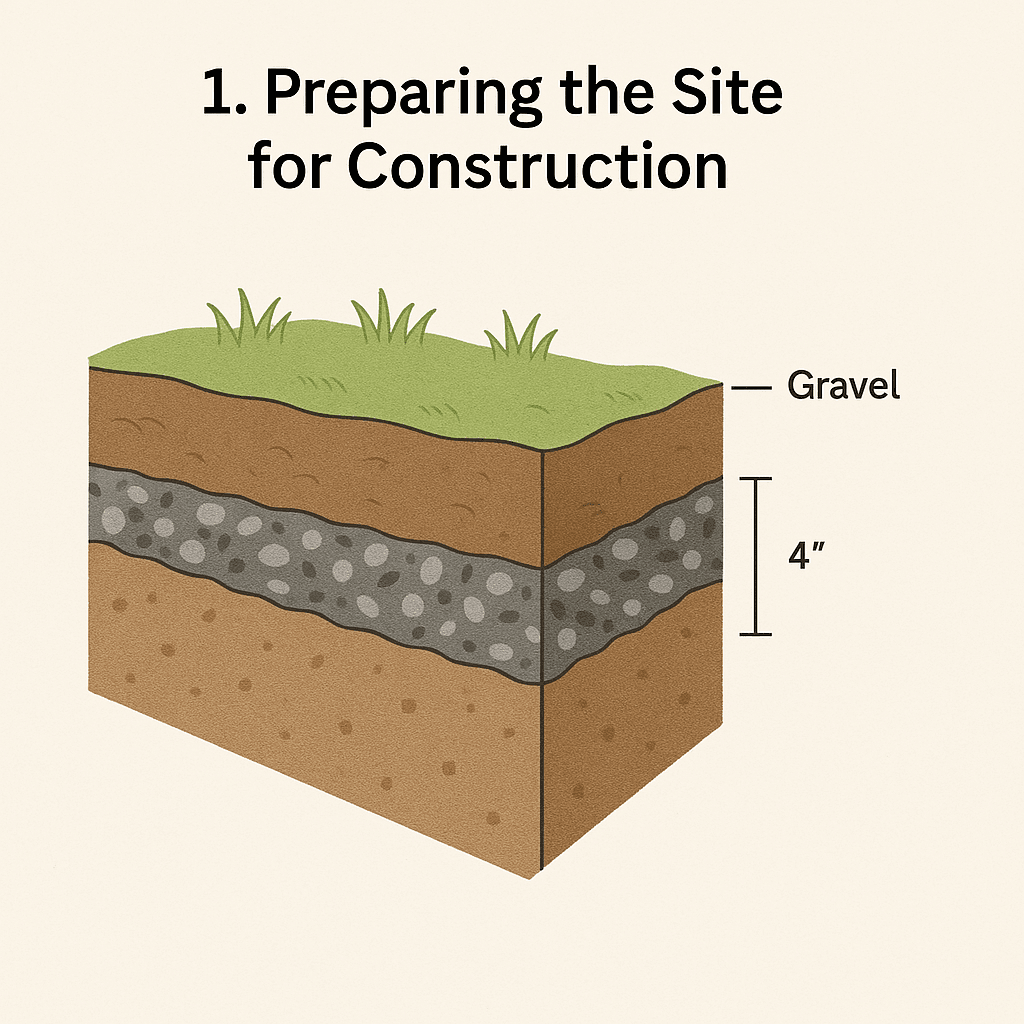
The foundational process begins well before construction commences, specifically focusing on clearing and preparing the installation site. Builders are advised to start by removing all organic material, including grass, sod, topsoil, roots, and debris, from the designated footprint. Because a flat surface is paramount, addressing any slopes or depressions early in the process prevents future complications.
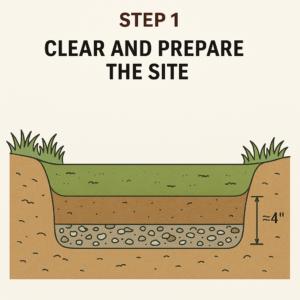
Once the area is cleared, experts recommend grading and leveling the soil as accurately as possible. To enhance the longevity of the base, a professional tip highlights the benefits of laying down a layer of landscape fabric prior to adding crushed gravel. This simple addition serves a dual purpose: it acts as a reliable barrier to suppress weed growth from beneath the structure and helps prevent soil shifting and erosion over time, ensuring the gravel pack remains stable and evenly distributed.
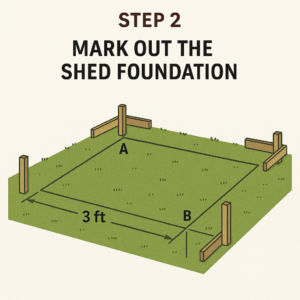
Following site preparation, the next critical phase involves accurately marking out the perimeter of the shed foundation. Ensuring the layout is perfectly square is vital for the seamless assembly of the walls and roof components later on. While traditional construction methods rely on diagonal measurements to verify right angles, modern builders have access to various digital tools, including smartphone applications and online geometric calculators, which can streamline the squaring process based on specific shed dimensions.
With the site cleared and the perimeter accurately mapped, property owners must choose the specific type of foundation that best suits their budget, timeline, soil conditions, and intended use of the structure. Outdoor Living Today highlights three distinct options, each offering unique advantages.
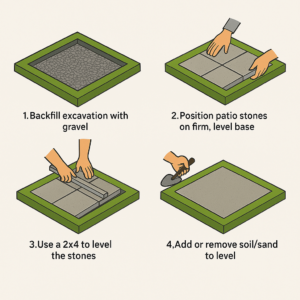
The first option is the patio stone foundation. Favored for its accessibility and flexibility, a patio stone base is exceptionally quick to install and remains highly cost-effective. Furthermore, it offers the practical benefit of being easy to modify, move, or adjust should ground conditions shift slightly over the changing seasons. It provides a clean, stable surface that keeps the structure elevated slightly above direct contact with damp soil.
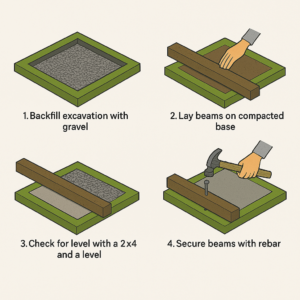
The second recommended approach utilizes a four-by-four pressure-treated beam foundation. This method is particularly popular among builders looking to maximize structural longevity through elevation. By resting the shed framing on pressure-treated timber beams, the design naturally leaves valuable space underneath the structure for continuous air circulation and ventilation. This enhanced airflow plays a crucial role in preventing moisture accumulation and subsequent wood rot, protecting the lower components of the shed for decades to come.
For those seeking the ultimate in permanence and heavy-duty performance, the third option is a poured concrete slab foundation. A concrete slab offers unbeatable durability, exceptional stability, and superior resistance to pests and moisture. While it requires more labor and a longer curing time compared to gravel or timber alternatives, a concrete pad provides a permanent, perfectly level platform that can support heavy storage loads and withstand harsh environmental conditions with minimal maintenance.
As property owners prepare to embark on their backyard building projects, industry professionals emphasize that while general best practices apply universally, individual product designs may feature unique engineering requirements. Consequently, builders are strongly encouraged to consult the specific product assembly manuals included with their kits or provided through official documentation. Tailored instructions ensure that the chosen foundation aligns perfectly with the weight distribution, anchoring points, and structural specifications of the particular model being constructed.