Every successful backyard transformation begins from the ground up, and for property owners investing in a new outdoor structure, the secret to longevity lies entirely beneath the surface. Outdoor Living Today has rolled out a comprehensive advisory outlining the essential steps required to build a sturdy, level base for backyard sheds, aiming to eliminate the confusion and guesswork often associated with preparatory groundwork.
Whether property owners are seasoned do-it-yourself enthusiasts taking on a weekend project or picking up tools for the very first time, establishing a reliable foundation is the single most critical factor in ensuring a shed stands the test of time. Without a solid, level base, even the highest-quality timber structures can suffer from shifting, door misalignment, and premature wear over the years. To address this, the company has compiled a detailed framework highlighting preparation techniques and three primary foundation styles suited for various landscapes and budgets.
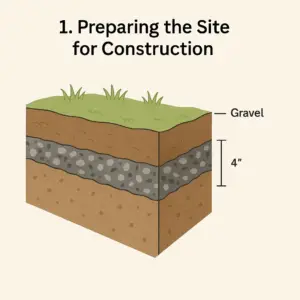
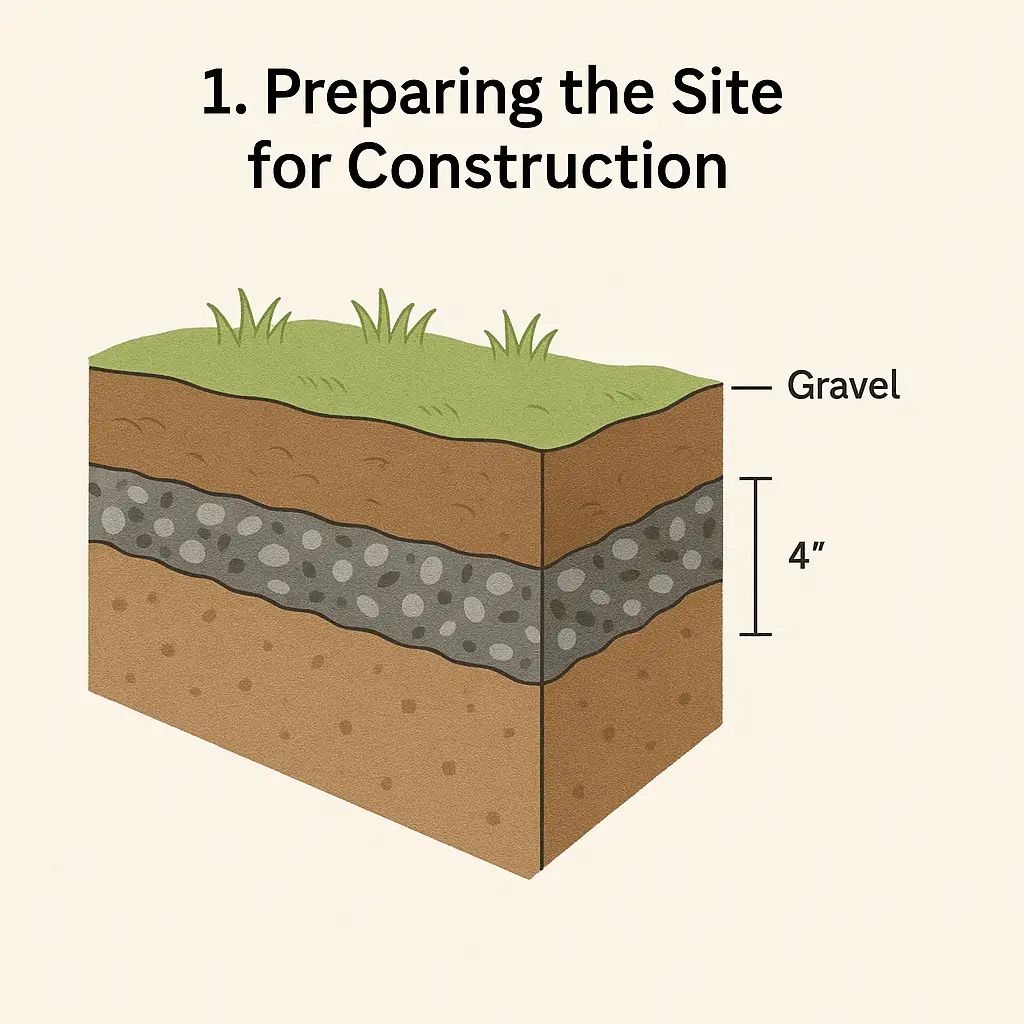
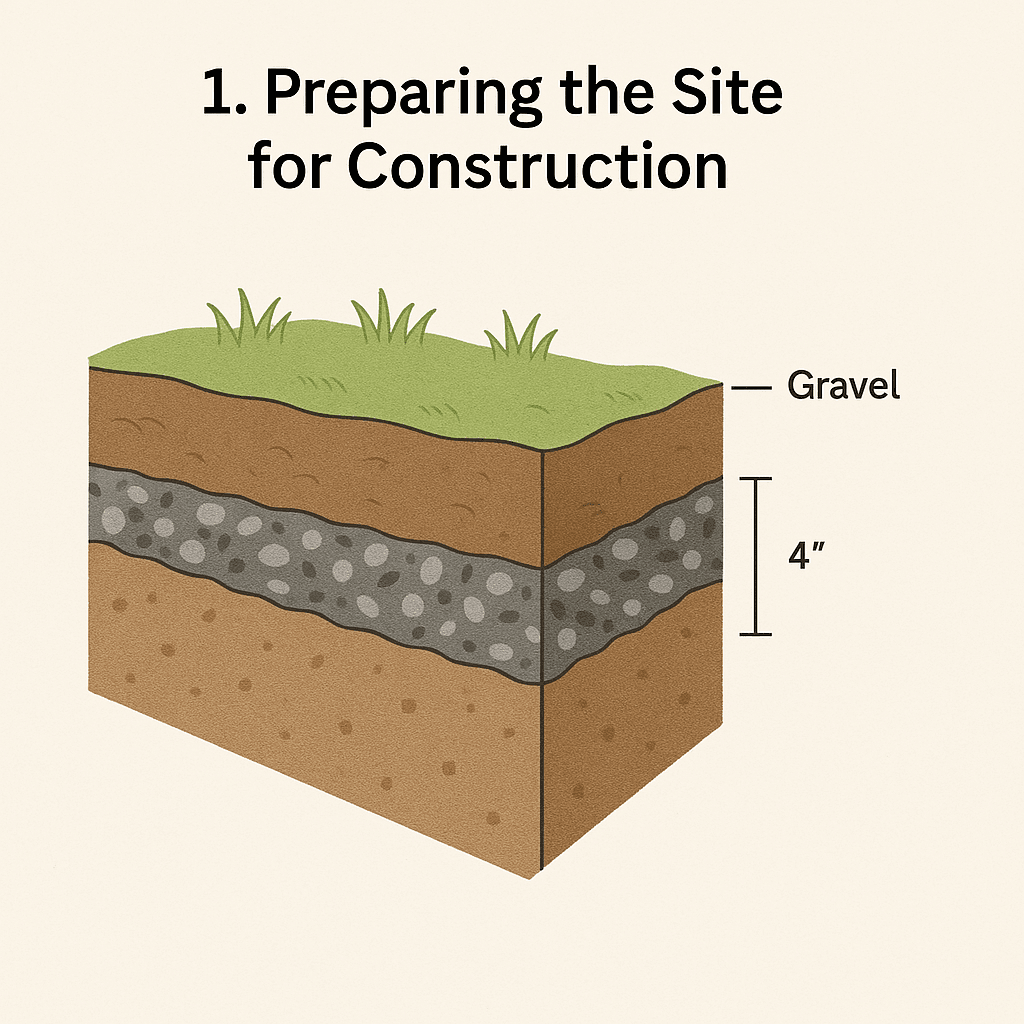
The process begins long before any shed kit arrives at a property, emphasizing the importance of site selection and preparation. Proper planning at this initial stage prevents structural issues down the line and ensures that the finished building remains stable regardless of seasonal weather changes. Experts recommend beginning with thorough site clearing, removing all vegetation, debris, and topsoil from the designated footprint to expose stable sub-terrain.
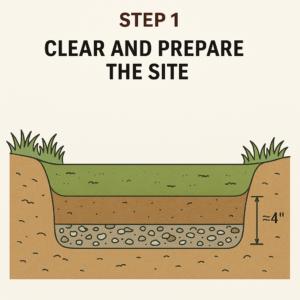
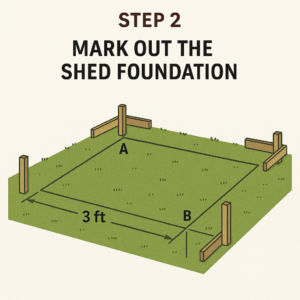
To maximize the lifespan of the base, builders are advised to incorporate landscape fabric beneath any gravel layers. This simple yet effective measure suppresses weed growth and minimizes soil shifting over time, protecting the integrity of the base materials. Once the area is cleared and leveled, the next major hurdle for builders is accurately marking out the shed perimeter to guarantee square corners.
Achieving precise right angles can often challenge builders working independently, but modern technology offers practical solutions. Property owners can utilize various mobile applications and online calculators designed specifically to verify square dimensions using exact shed measurements, removing the margin of error before any permanent materials are laid down.
When it comes to selecting the actual base style, Outdoor Living Today highlights three distinct options, each offering unique advantages depending on the builder’s preferences, budget, and permanence requirements.
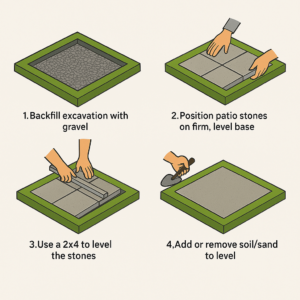
The first option, a patio stone foundation, is widely favored for its accessibility and flexibility. Quick to install and remarkably affordable, patio stone bases offer the added benefit of being easily adjusted or relocated if necessary, making them an attractive choice for homeowners who want a reliable base without a permanent concrete commitment.
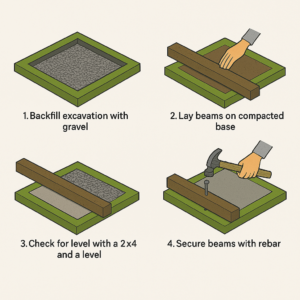
For those seeking an elevated timber approach, the four-by-four pressure-treated beam foundation provides a sturdy alternative. This method relies on robust, treated timbers arranged to support the shed floor framing while lifting the structure slightly off the ground. This elevation leaves vital room underneath for natural air circulation, which significantly helps prevent moisture accumulation and wood rot over time.
For maximum durability and a permanent fixture, the concrete slab foundation remains the gold standard. Offering unbeatable structural strength and exceptional pest resistance, a properly poured concrete pad provides a permanent anchor for heavy-duty structures. While it requires more labor and curing time upfront, it delivers unmatched long-term stability in demanding weather environments.
Regardless of the foundation type chosen, builders are reminded that while general best practices apply universally, individual product designs may feature unique engineering requirements. Outdoor Living Today stresses that for tailored instructions specific to a purchased model, consumers should always consult the product assembly manual included with their kit or available through official manufacturer resources before breaking ground.