In the ever-shifting landscape of the global contemporary art world, monumental announcements, institutional leadership changes, and pressing cultural debates continuously redefine how society interacts with history, creativity, and public space. Published weekly to capture the pulse of this dynamic ecosystem, the latest roundup of industry developments highlights major curatorial milestones at premier American institutions, vital structural appointments in cultural heritage spaces, and the expanding intersection of technology, politics, and artistic expression.
The Met’s 2027 Genesis Facade and Great Hall Commissions
The Metropolitan Museum of Art has officially unveiled its prestigious artist selections for its upcoming 2027 installations, naming renowned conceptual artist Danh Vo for the Genesis Facade commission and visionary artist Sandra Mujinga for the iconic Great Hall project. These annual commissions have become defining highlights of the museum’s contemporary programming, inviting leading international creators to engage directly with the monumental neoclassical architecture and vast civic footprint of New York City’s largest art museum.
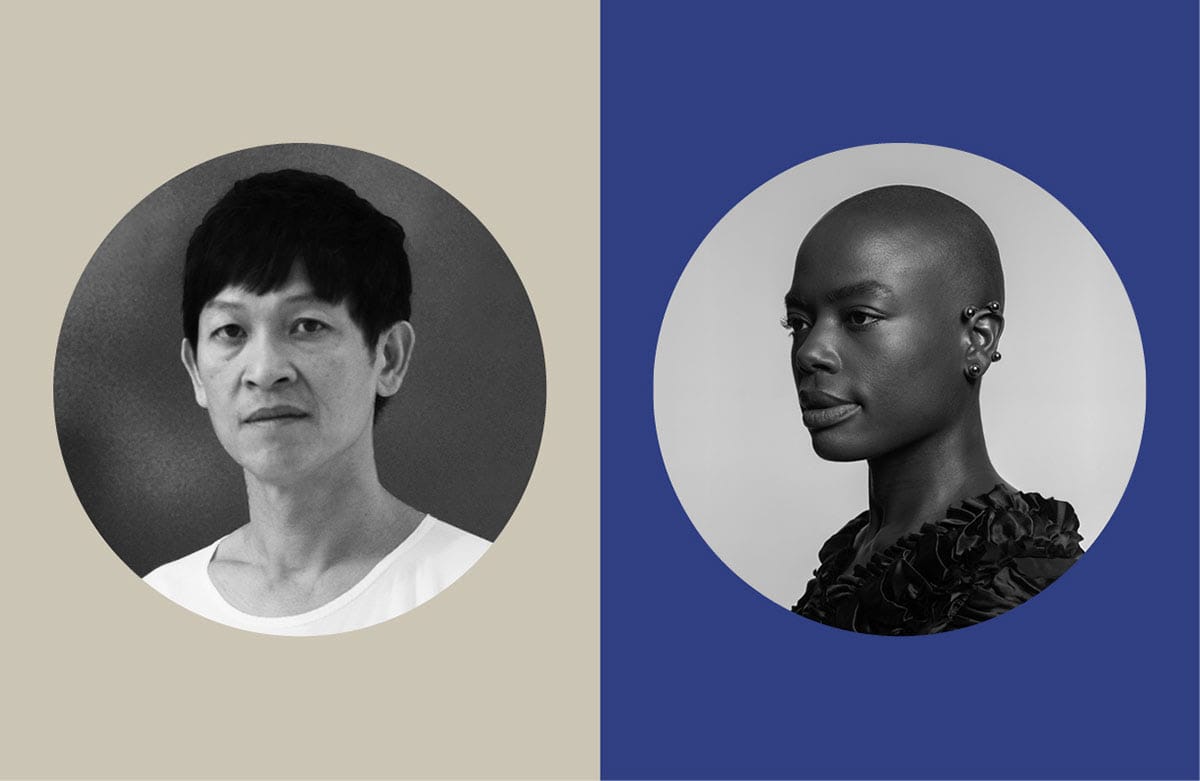
Danh Vo, whose deeply poignant artistic practice frequently draws from his personal history as a Vietnamese boat refugee while probing the broader complexities of modern history, geopolitics, and identity, has been selected to create a suite of new works specifically for the four monumental niches spanning the museum’s sweeping Beaux-Arts exterior. These site-specific outdoor sculptures are scheduled to be unveiled to the public in September, transforming the museum’s threshold and offering passersby a contemplative encounter with Vo’s rigorous historical inquiries.
Meanwhile, Sandra Mujinga will take over the museum’s cavernous interior spaces, presenting a major site-specific installation in the institution’s grand entry hall next November. Mujinga’s multidisciplinary practice is deeply informed by the legacies of Afrofuturism, speculative science fiction, and post-colonial critique, often exploring themes of visibility, surveillance, and survival through monumental sculptural forms and immersive environments.

Reflecting on the profound conceptual alignment between the chosen artists and the institution’s mission, Metropolitan Museum of Art Director and CEO Max Hollein emphasized the shared thematic weight of their practices. In a public statement regarding the appointments, Hollein noted that both Danh Vo and Sandra Mujinga approach history not as a static archive, but as something alive, unsettled, and continuously negotiable, demonstrating a profound attunement to the ways that physical objects and human bodies carry meaning across time and space.
Sarah Hayes Named Deputy Director of Armenian Museum
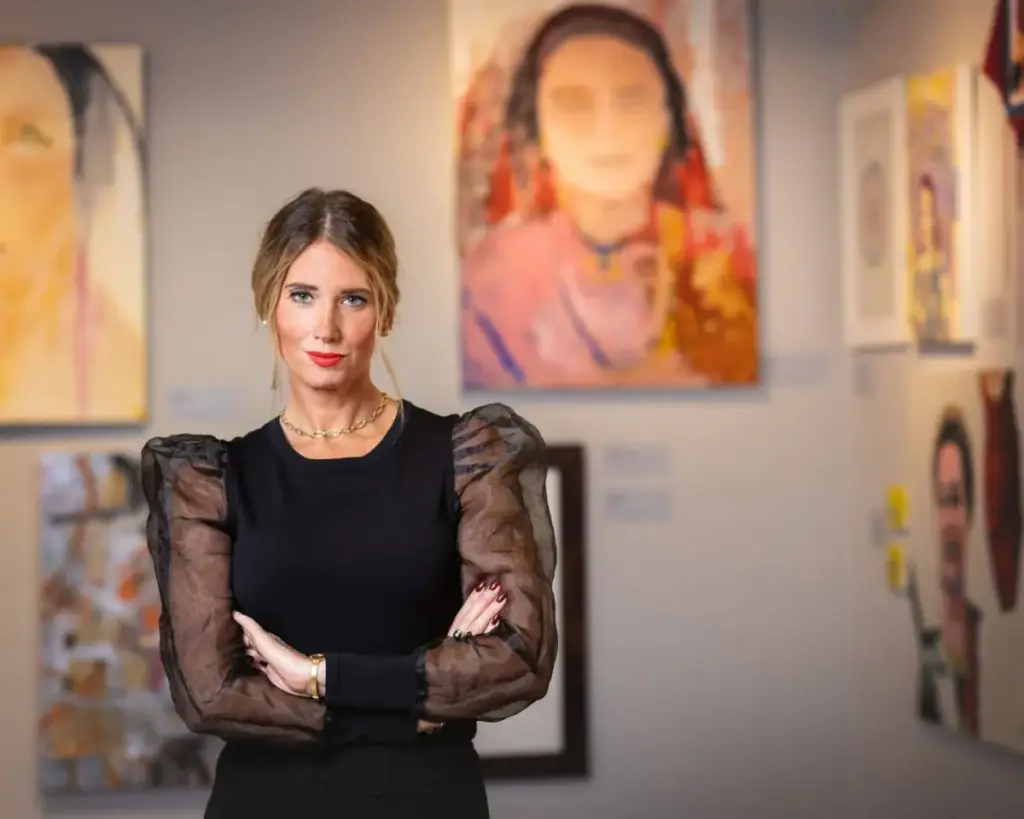
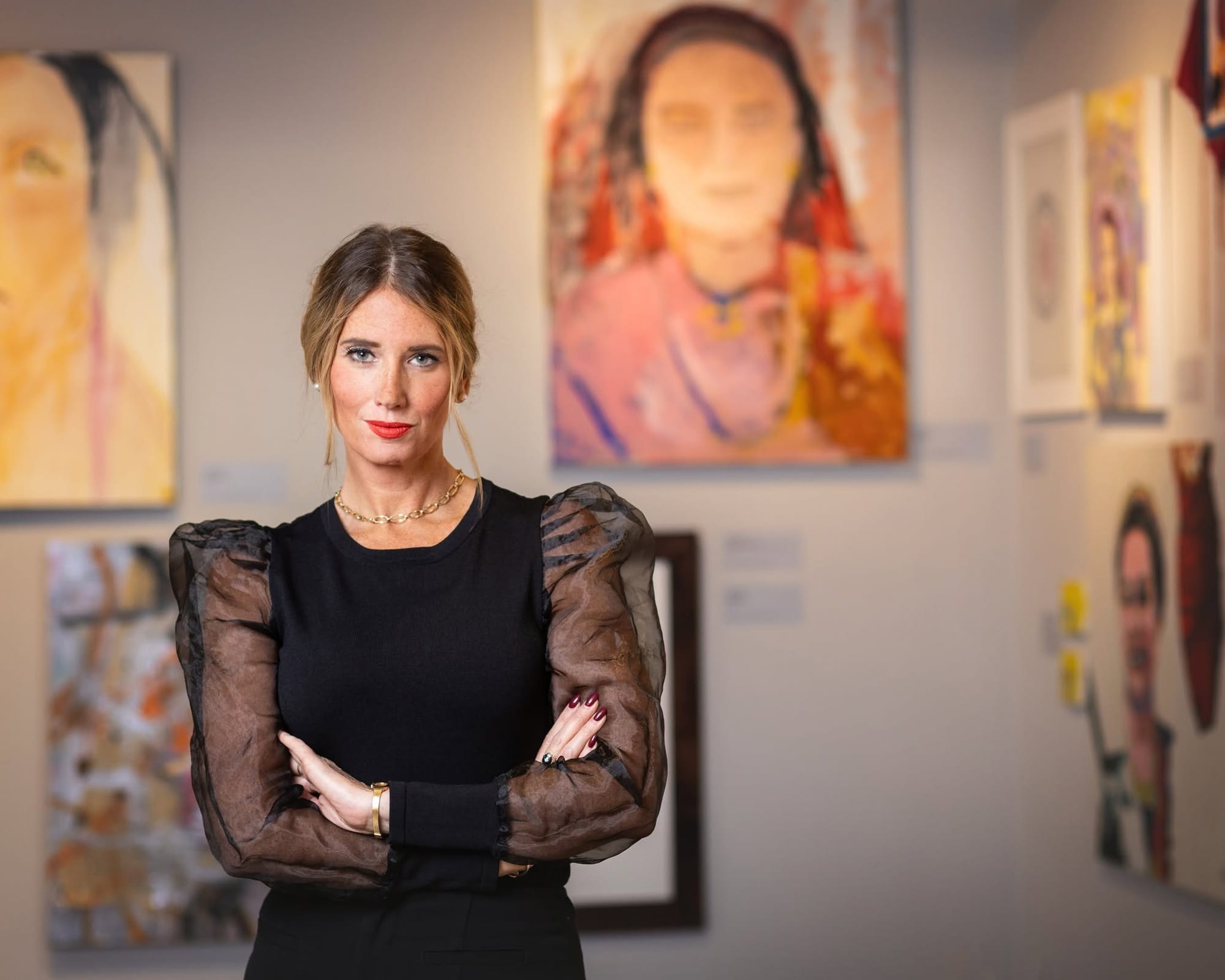
Beyond the major metropolitan institutions of New York, critical leadership developments are taking shape across the broader American museum sector. Sarah Hayes, who has successfully steered the development department of the Armenian Museum of America (AMoA) since 2023, has been officially elevated to the role of deputy director at the prominent Massachusetts-based cultural institution.
Hayes’s deep immersion in Armenian culture, history, and international human rights advocacy spans more than two decades, beginning when she served as a United States Peace Corps Volunteer in Armenia from 2005 to 2007. Following her foundational grassroots work in the region, Hayes expanded her administrative and operational expertise by serving as the West Coast operations manager for the Armenia Tree Project based in Los Angeles, an organization dedicated to environmental sustainability and community building in the historic homeland.
Since joining the Armenian Museum of America, Hayes has played an instrumental role in guiding the institution through a period of structural growth and heightened public visibility. During her tenure overseeing institutional advancement, she was pivotal in securing vital loans and key masterworks for a landmark museum exhibition celebrating the legacy of visionary Armenian-American modernist painter Arshile Gorky. Beyond her curatorial and developmental achievements, Hayes has been widely credited by museum leadership for strengthening the institution’s long-term financial sustainability, securing its capacity to preserve and share the rich tapestry of Armenian heritage with new generations of visitors.
Expanding Dialogues Across the Cultural Sector
As museums like the Metropolitan Museum of Art and the Armenian Museum of America chart new directions through visionary commissions and strategic leadership appointments, the wider cultural sphere continues to grapple with urgent contemporary questions. From ongoing philanthropic investments in regional institutions—such as the recent distribution of grants by organizations like the Rubin Museum—to pressing socio-political debates regarding the ethical boundaries of artificial intelligence in creative fields, the art world remains a primary battleground for defining the future of human expression. With figures ranging from contemporary creators to political leaders weighing in on the technological shifts transforming artistic production, cultural institutions are increasingly called upon to serve as essential spaces for critical dialogue, historical reflection, and public engagement.