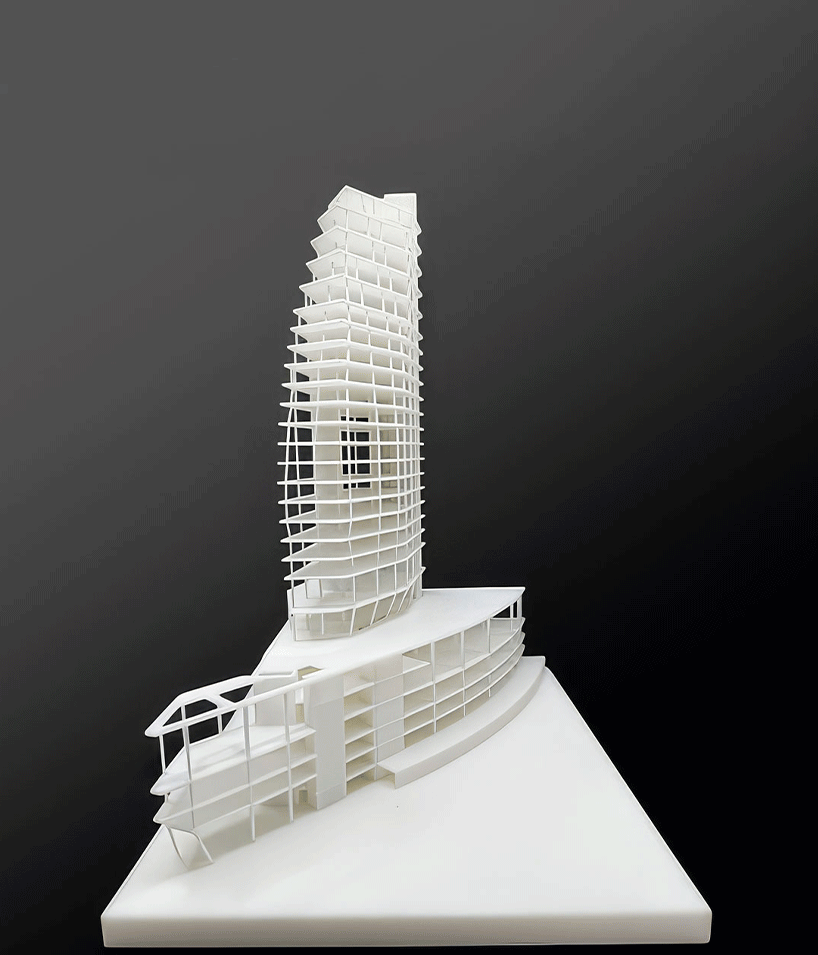
Expanding its footprint to Brooklyn’s MADE: Bush Terminal, on-demand 3D printing studio Makelab has secured a new 3,840-square-foot industrial facility to significantly scale its production capabilities. The move places the company inside a reimagined 140,000-square-foot industrial campus situated on Brooklyn’s active waterfront. Key tenants like Makelab are actively bolstering Sunset Park’s working waterfront as the New York City Economic Development Corporation (NYCEDC) continues to transform the district into a thriving, modern epicenter for industrial design and advanced urban manufacturing. In an exclusive interview with designboom, the leadership team at Makelab explains how this state-of-the-art location has completely transformed their operational capacity, allowing them to take on major tier-one clients and manage large-scale logistics with unprecedented ease.
The expansion marks a major operational leap for a company that has spent the last decade refining its approach to digital fabrication. For industrial manufacturers and design studios alike, scaling up physical output often introduces complex logistical hurdles that go far beyond simply acquiring more hardware. According to Makelab’s co-founders, moving into a dedicated industrial campus like MADE: Bush Terminal provides the vital physical infrastructure needed to bridge the gap between creative computer-aided design and heavy industrial execution.
"Every time you hit a new milestone or a new stage on the growth trajectory, there’s more to figure out. That’s just the nature of manufacturing," starts Makelab Co-Founder and CEO Christina Perla.
The practical advantages of the new Sunset Park facility became immediately apparent during a recent routine shipping operation. The ability to accommodate heavy commercial freight vehicles directly changes the scope of projects the studio can accept, opening doors to collaborations that were previously impossible due to spatial and infrastructural limitations.
"The other day a 53-foot truck came to pick up an order — that could never have happened at our previous location," Perla recalls. "Limited access restricts the types of companies you can work with, but that truck was sent by our client, a tier-one auto supplier, and it was their only transport option."
Combining Industrial Design Expertise with 3D Printing
When Makelab first launched a decade ago, the mainstream design and manufacturing industries viewed 3D printing through a lens of extreme simplification. Many treated the technology as an effortless, push-button alternative to traditional production methods—a persistent misconception that frequently resulted in unprintable screen models, flawed geometries, and structural failures in the physical world.
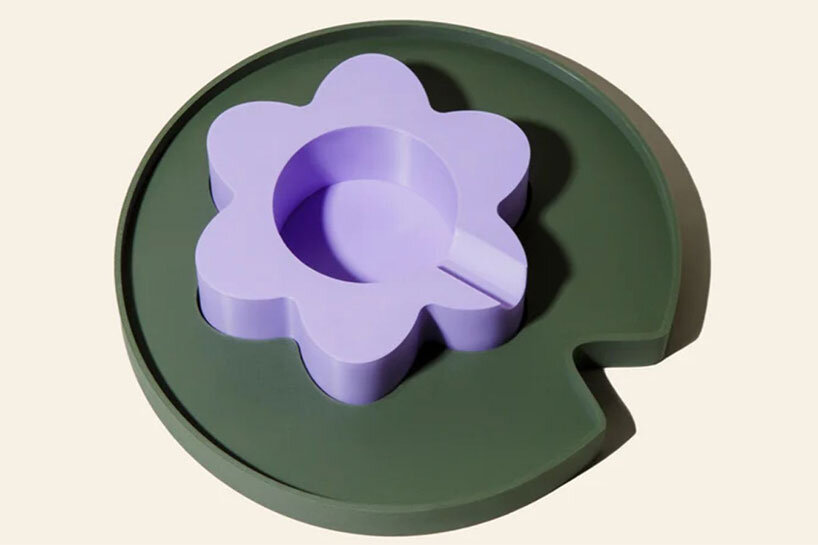
Because co-founders Christina Perla and Manny Mota are industrial designers by trade, they chose to position the company differently from day one. Rather than functioning as a standard push-button vendor that simply translates digital files into plastic output without question, Makelab established itself as an expert technical partner. The studio focuses on grounding ambitious CAD concepts in the realities of real-world physics, material constraints, and genuine physical usability.
"Manny and I are industrial designers by trade, so we’re programmed to think about the next step of a part’s lifecycle," Perla explains. "When we started almost 10 years ago, 3D printing was painted as this magical thing where if you didn’t know how to make something before, 3D printing could just do it — we were explaining gravity! Walking back from that narrative was a lot of work."
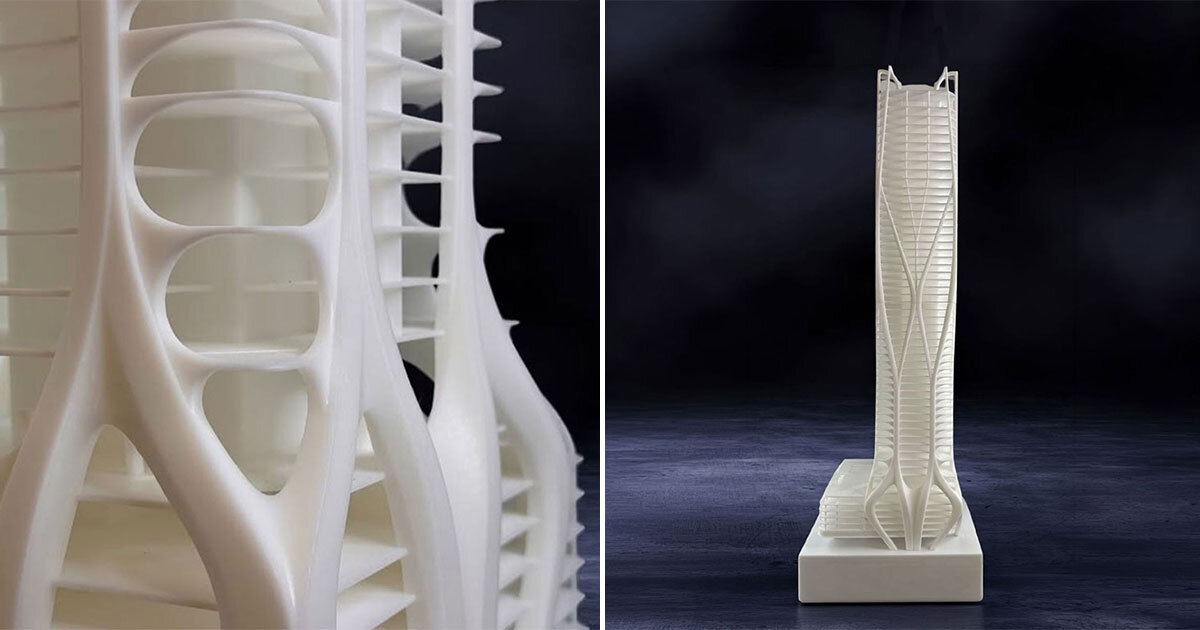
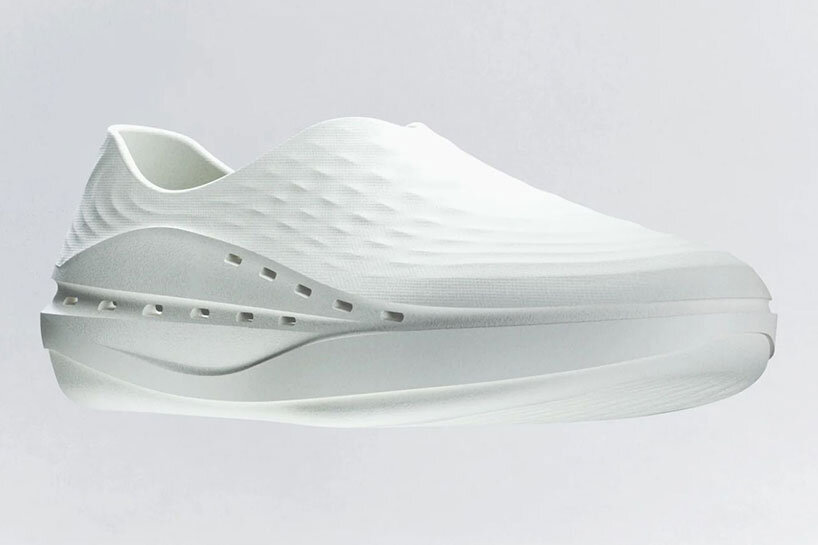
Over the years, this rigorous design-first philosophy has allowed Makelab to build a reputation for quality control and technical transparency. The team manages every stage of the fabrication pipeline internally, handling everything from meticulous digital file preparation and slicing to complex multi-step post-processing. This hands-on oversight ensures that functional prototypes, architectural models, and end-use production parts meet the exact specifications required by demanding corporate partners across various industries, including architecture, consumer electronics, footwear, and automotive supply chains.
Makelab Brings Tangibility to Digital Design Processes
Beyond providing the robust physical infrastructure and logistical clearance required to handle complex, high-volume production schedules, Makelab’s strategic relocation to MADE: Bush Terminal reinforces a broader, long-term mission. The studio is deeply invested in bridging digital workflows with physical manufacturing literacy, aiming to influence how modern product designers approach fabrication from the very earliest stages of the creative process.
Operating within a collaborative and historically rich waterfront ecosystem allows Makelab to serve as both a production hub and an educational touchpoint for the design community. As advanced fabrication tools become increasingly accessible to creators, the studio advocates for a deeper understanding of how digital models translate into physical objects.
"I’ve noticed a shift toward people thinking more about the manufacturing side of product design, which is very smart and much needed," notes Perla. "I hope that with the availability of all these tools, designers can better visualize how things actually get made and bring more tangibility to the design process."
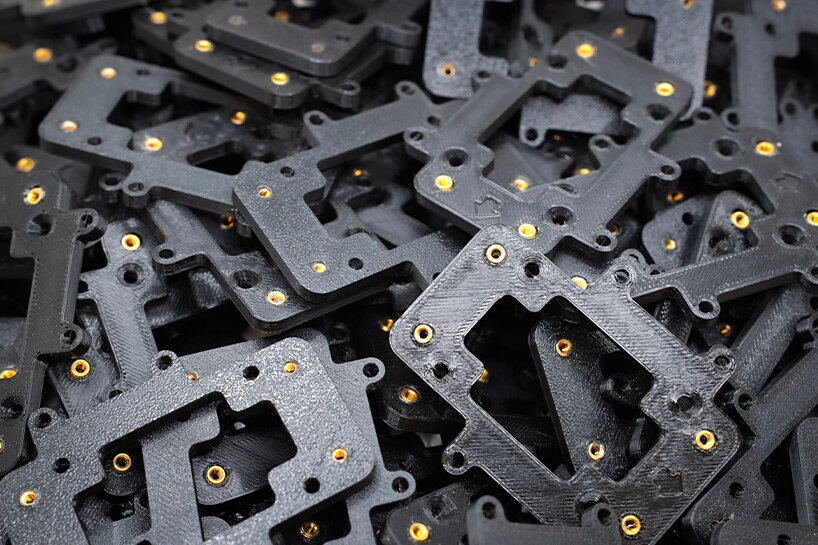
By combining an expanded physical footprint in Brooklyn with nearly ten years of specialized industrial design experience, Makelab continues to redefine how modern product designers integrate advanced fabrication into their workflows. The studio’s growth at MADE: Bush Terminal not only secures its own operational future within New York City’s evolving industrial landscape but also sets a new standard for urban manufacturing, demonstrating how digital design and physical production can seamlessly converge on the waterfront.