Garden designers Ellen Goldfarb and Tracy Buttrick are returning to the spotlight with a fresh look at fall container design, shifting the focus away from traditional potted arrangements toward unexpected seasonal materials. Following an initial showcase highlighting how colorful living plants can maximize limited urban spaces, the designers are now presenting three distinct arrangements that incorporate dried flowers, seed pods, and structural botanical elements to bring lasting autumn interest to front entrances, columns, and other prominent outdoor spaces.
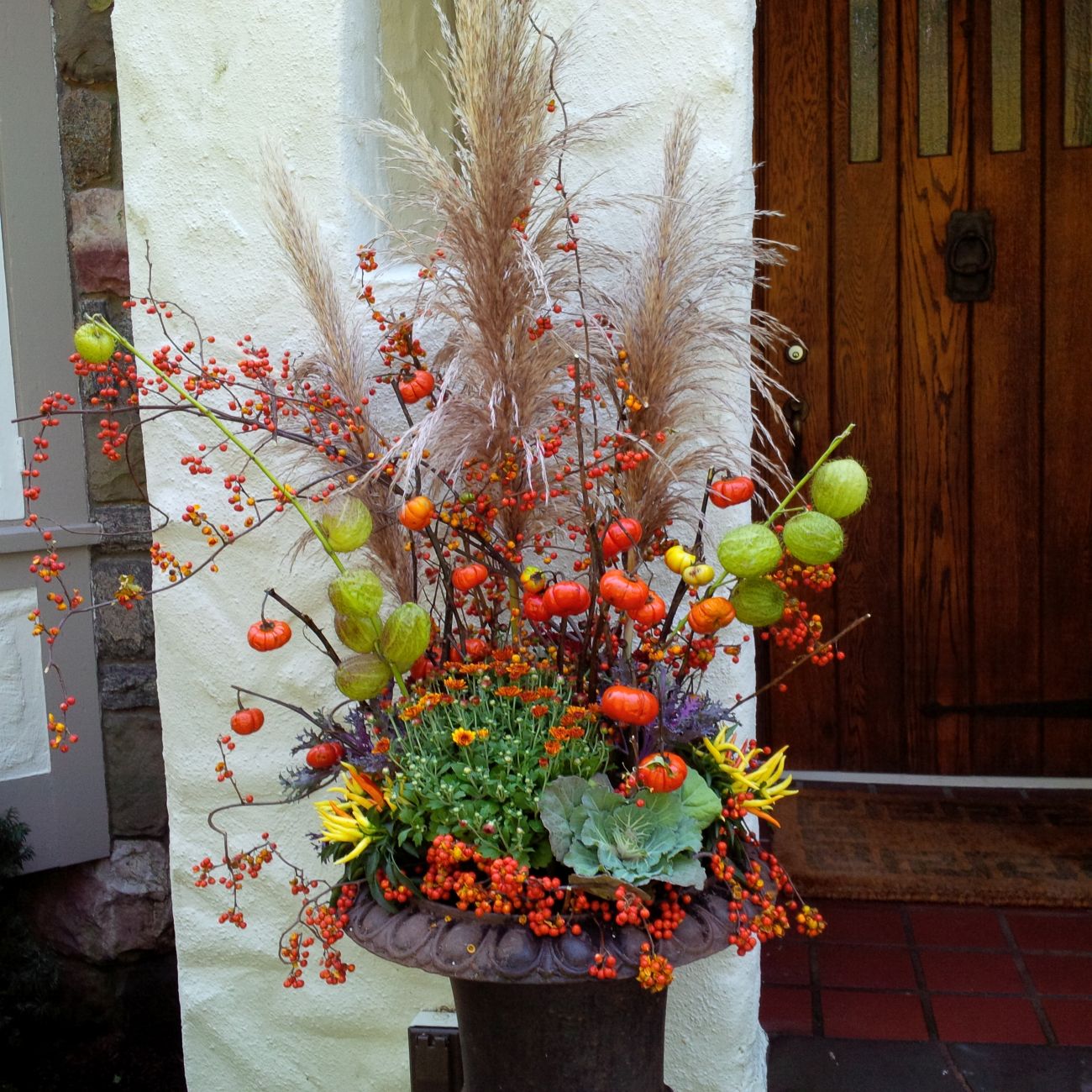
The first of these striking arrangements was originally crafted for a fall engagement party in Ridgewood, New Jersey. Positioned in a tall autumn urn alongside a matching container on the opposite side of a busy front door, the design needed to overcome spatial constraints imposed by heavy foot traffic. To keep the profile slender while still delivering a dramatic seasonal punch, Goldfarb and Buttrick utilized a carefully curated mix of living plants and textural elements.
The slender arrangement features airy pampas grass plumes (Cortaderia selloana, Zones 7–11) paired with bittersweet vines, pumpkins-on-a-stick (Solanum aethiopicum, annual), and balloon plant seedpods (Gomphocarpus physocarpus, Zones 8–10). To ground the composition, they incorporated a small garden mum (Chrysanthemum × morifolium, Zones 5–9), ornamental cabbage and kale (Brassica oleracea cvs., annual), and ornamental peppers (Capsicum annuum cvs., annual). Because of its delicate and airy appearance, this specific urn design has remained a firm favorite among the designers for years.
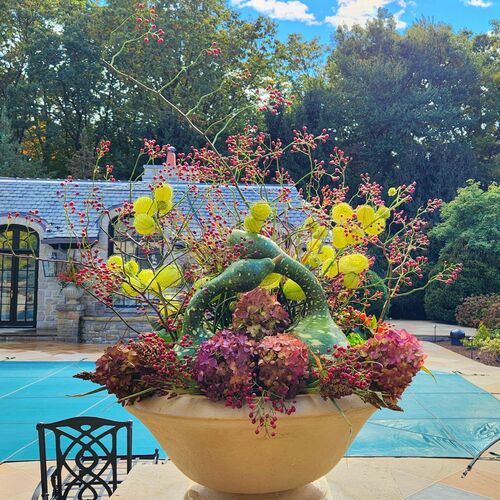
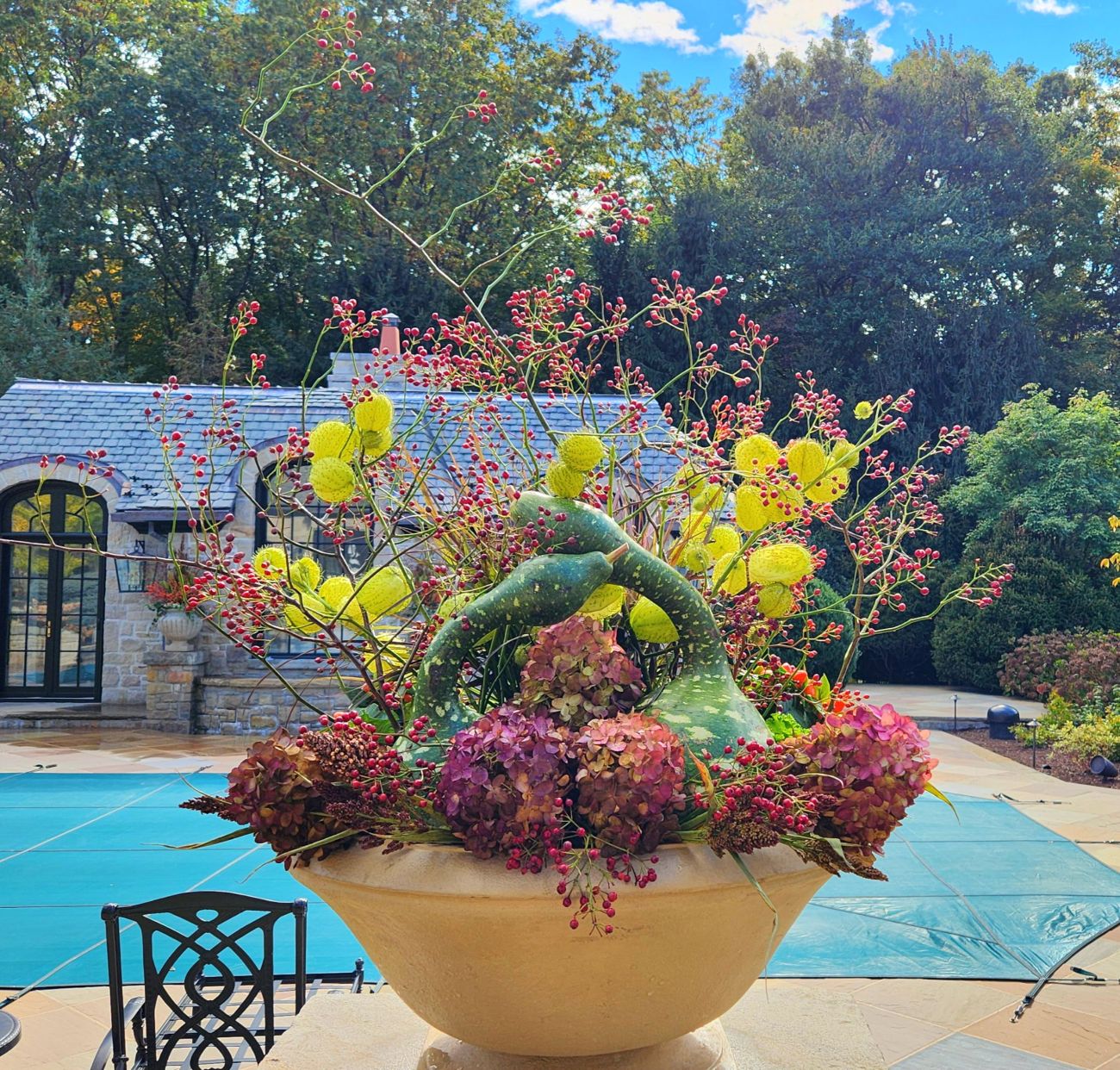
Taking a different approach for spaces requiring elevation and distant visibility, the second arrangement was designed as one of a pair of autumn bowls intended to sit atop stone columns. Positioned to be viewed directly from a large interior sitting room window, the container relies heavily on the sculptural forms of dried and foraged materials. This composition brings together curved bottle gourds (Lagenaria siceraria, annual), wild rose hips (Rosa multiflora, Zones 3–9), balloon plant seedpods, panicle hydrangea flowers (Hydrangea paniculata, Zones 3–8), and broom corn (Sorghum bicolor, annual). The integration of the curved bottle gourds demonstrates how distinct shapes and unusual natural elements can instantly elevate the character of an outdoor container.
The third and final design addresses a common challenge faced by homeowners during the autumn transition: maintenance for frequent travelers. Created for a client with a busy travel schedule who was unable to perform regular watering, this tall urn arrangement was installed to flank a grand entrance in Saddle River, New Jersey. To ensure structural stability and longevity without the benefit of consistent irrigation, the designers anchored the composition using a wooden dowel placed vertically in the center of the pot, carefully wiring individual stems to the support structure.
The Saddle River entrance arrangement begins with a sturdy base of broom corn and northern sea oats (Chasmanthium latifolium, Zones 3–8). This is layered with dried eucalyptus (Eucalyptus cvs., Zones 8–11), yellow drumstick flowers (Craspedia globosa, annual), foxtail millet (Setaria italica, annual), red brunia (Brunia albiflora, Zones 9–11), panicle hydrangea flowers, and seeded eucalyptus stems. The resulting display offers a resilient, low-maintenance alternative that maintains its rich architectural presence throughout the autumn season without relying on fresh, moisture-dependent root systems.
Garden enthusiasts looking to document their own seasonal successes, garden visits, or unique plant collections are encouraged to participate in ongoing community photo submissions through Fine Gardening’s established platforms. Submissions can be completed via the official Garden Photo of the Day Submission Form by sharing photographs alongside details regarding plant varieties, garden locations, and personal gardening history.
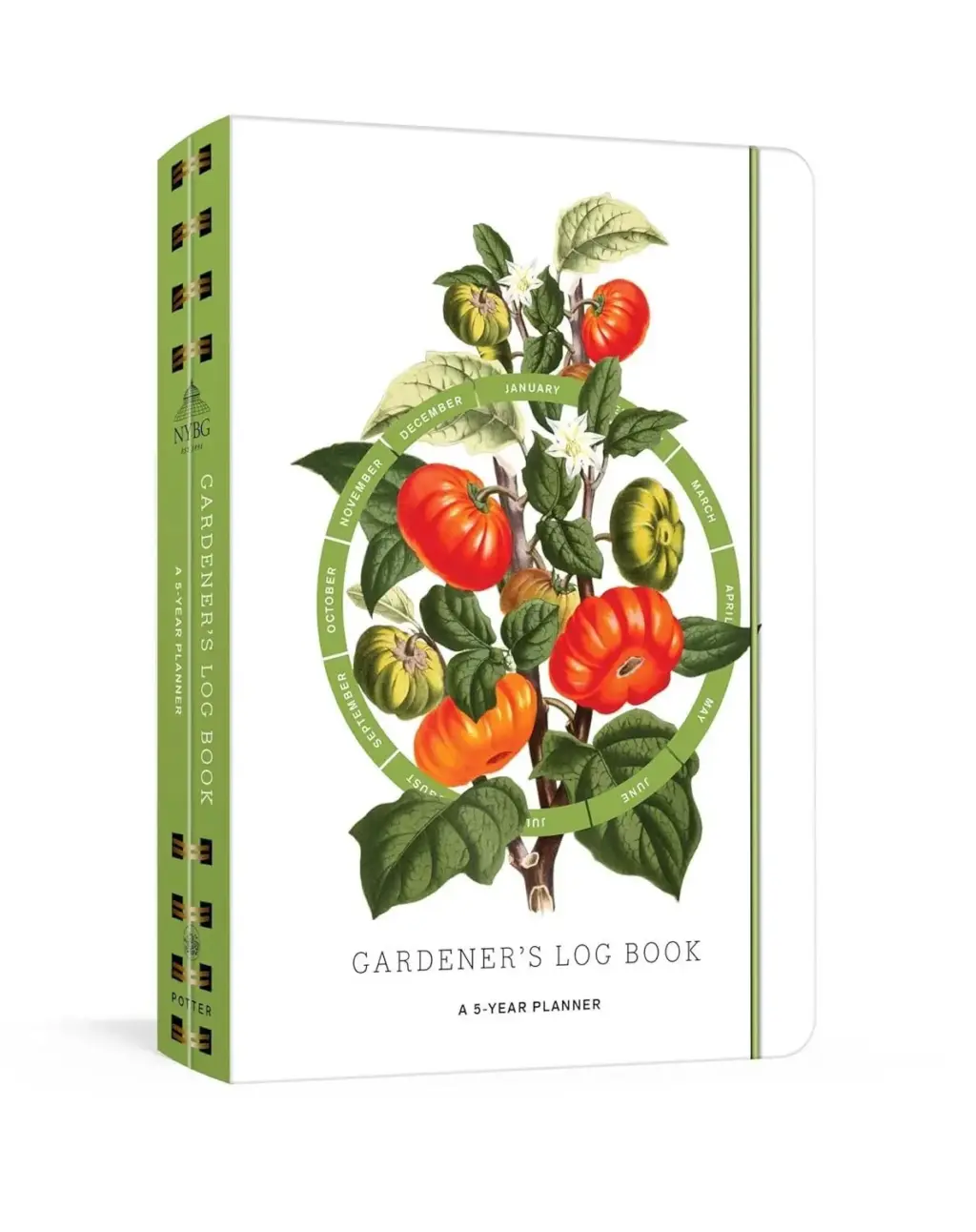
For those looking to expand their horticultural library and practical toolkit, the publication continues to highlight recommended gardening products designed to assist with seasonal maintenance and landscape planning. Among these resources is the authoritative Gardener’s Log Book from the New York Botanical Garden, a weatherproof five-year log book featuring a durable waterproof cover, lined pages, gridded paper for plotting garden beds, and comprehensive 12-month bloom and harvest grids. Additional highlighted tools include the lightweight Scotts Cordless Grass-Shear/Shrub-Trimmer Combo, featuring a built-in 7.2-volt lithium-ion battery for minor pruning tasks, and the landscape design guide Planting in a Post-Wild World: Designing Plant Communities for Resilient Landscapes by Thomas Rainer and Claudia West, which focuses on creating sustainable, hybrid plant communities suited for urban and suburban environments.