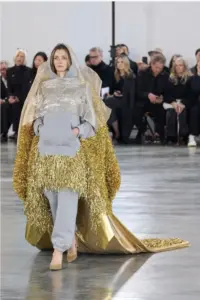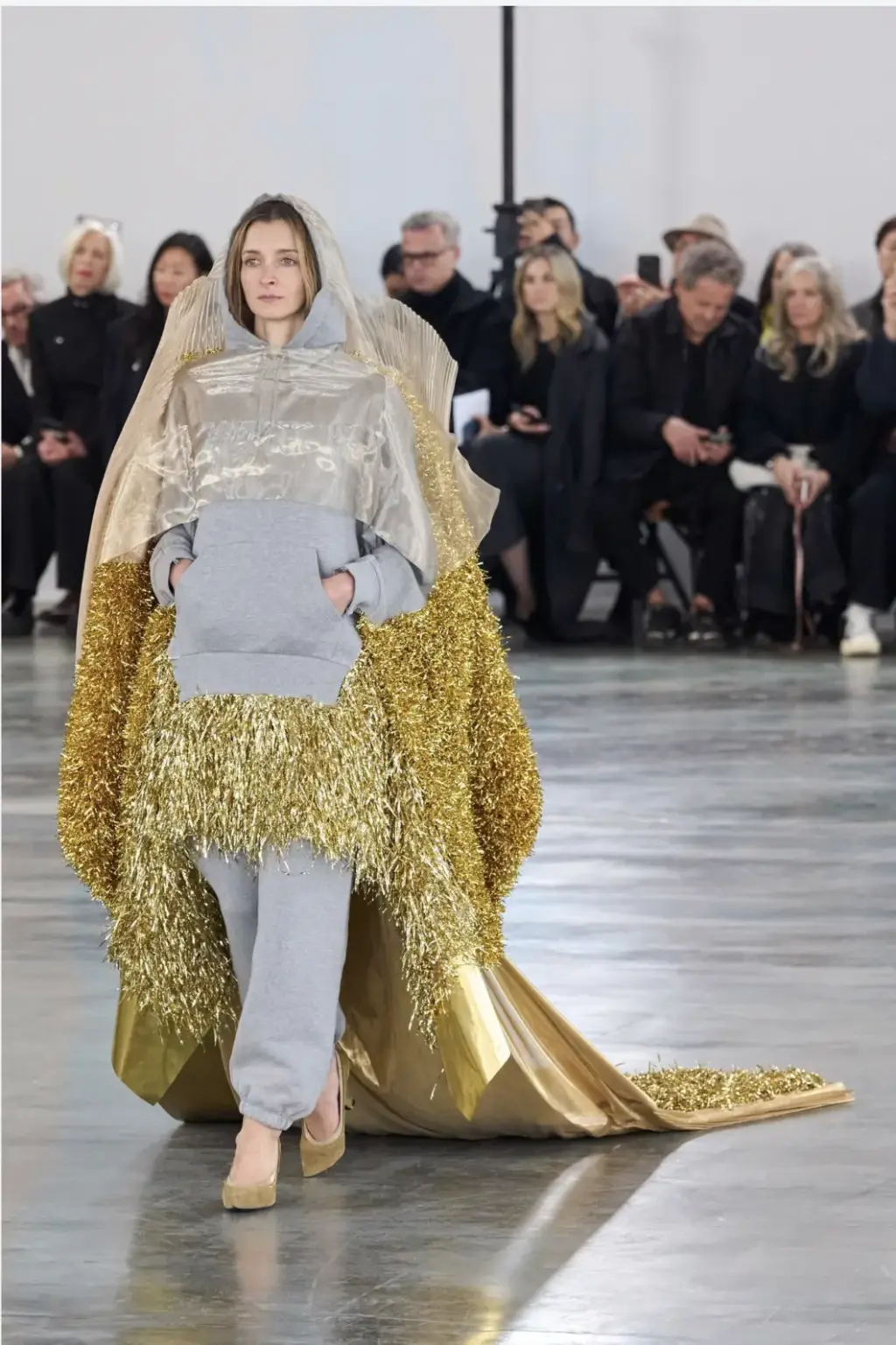
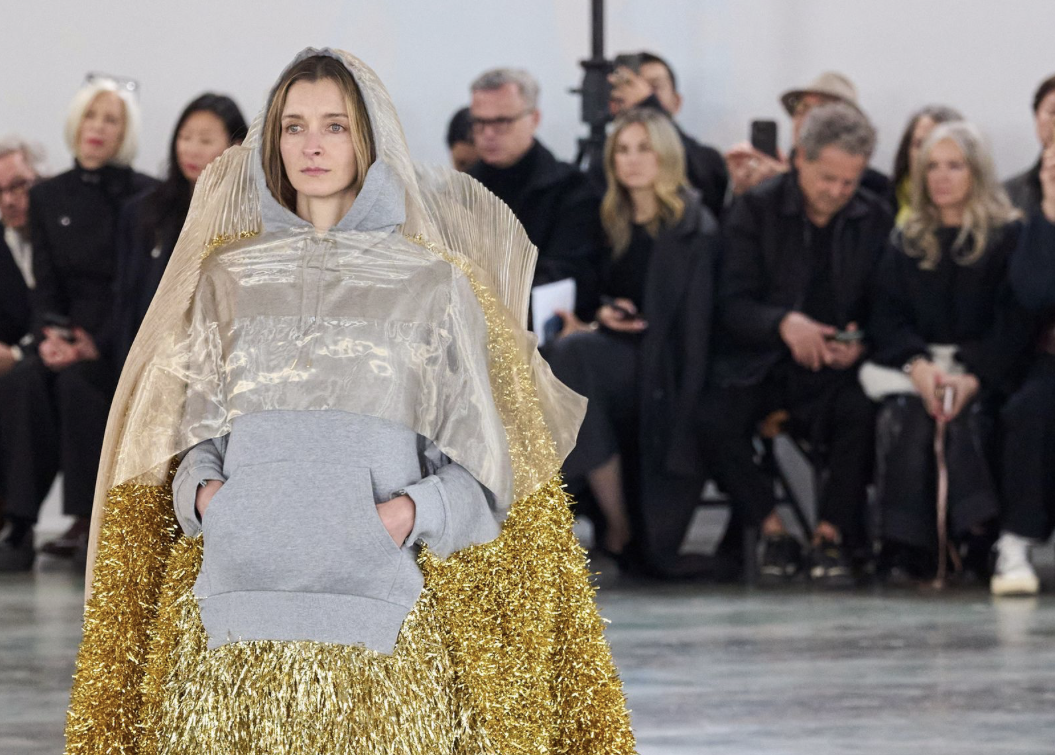
Brace yourself for a seismic shift on fashion’s most exclusive red carpet. Hollywood’s elite and international A-listers may soon be trading their extravagant, avant-garde gowns and crystal-encrusted corsets for everyday garb like jeans, plain T-shirts, and humble, even "disposable" materials.
In what is already being analyzed by fashion commentators as perhaps the biggest cultural recession indicator in recent history, the Metropolitan Museum of Art’s Costume Institute announced its upcoming theme on November 5. Titled extraOrdinary: Fashion and the Poetics of the Everyday, the newly unveiled exhibition and its accompanying benefit gala aim to spotlight the extraordinary aesthetic value found within the mundane, the utilitarian, and the overlooked objects of daily life.
The announcement comes precisely two months after British fashion designer John Galliano bowed out of his planned 2027 Met Gala and Costume Institute exhibition following intense public backlash regarding his long-standing history of racist and antisemitic remarks. The dramatic pivot by museum organizers has been widely interpreted as a deliberate effort to steer the high-profile institution into safer waters, opting for a universally relatable, democratic theme rather than focusing a major retrospective on a singular, controversial couturier.
Back in July, the museum had initially announced plans for John Galliano: Horizons, a retrospective exhibition celebrating the designer’s storied yet deeply troubled career. However, the reveal immediately triggered a wave of intense public scrutiny and renewed anger across the fashion industry and cultural spheres. Critics and activists quickly brought renewed attention to Galliano’s well-documented history of hate speech.
In February 2011, the designer was convicted in France of directing antisemitic and anti-Asian hate speech at a French couple in a Paris café. He was subsequently ordered to pay fines for the torrent of slurs. Around the same time, a separate video surfaced showing Galliano declaring "I love Hitler" to onlookers in another incident. The cumulative public outrage and reputational fallout forced fashion house Dior to swiftly terminate Galliano’s contract as creative director in March 2011, plunging his career into a lengthy hiatus from which he has only intermittently recovered.

Amid the renewed public backlash and mounting pressure from museum patrons, advocacy groups, and cultural critics, Galliano ultimately chose to withdraw his participation and cancel the exhibition on August 31. The sudden cancellation left the Costume Institute scrambling to reorient its major exhibition calendar for the coming cycle, leading directly to today’s revelation of the extraOrdinary theme.
By focusing on the poetics of the everyday, the Costume Institute is pivoting away from the glorification of individual genius with checkered pasts and instead directing the spotlight toward a conceptual exploration of how ordinary materials—denim, cotton jersey, paper, and industrial supplies—are elevated into high fashion. Curators and fashion historians have long explored how everyday workwear and streetwear influence haute couture, but bringing this theme to the Met Gala red carpet introduces a fascinating juxtaposition between extreme wealth, celebrity culture, and the humblest garments worn by working people across the globe.
As preparations get underway for the upcoming exhibition and its star-studded opening night gala, the fashion world remains deeply reflective. The events of recent months have underscored the complex intersection between artistic legacy, institutional responsibility, and public accountability. For the Met, embracing the ordinary may ultimately prove to be an extraordinary strategy to navigate a turbulent cultural landscape while keeping the focus squarely on the evolution of clothing itself.