For homeowners looking to refresh a tired interior space, painting directly over existing wallpaper often presents itself as an appealingly swift alternative. Rather than enduring the labor-intensive, time-consuming process of stripping old paper, preparing bare walls, and starting from scratch, simply rolling a coat of paint over the existing surface can save considerable time and effort. However, painting over wallpaper is not a universal shortcut, and industry experts emphasize that a careful assessment of the room’s current conditions is vital to avoiding costly and unsightly pitfalls.
The decision to paint over wallpaper requires a thorough inspection of the walls long before any paint is purchased or rollers are pulled from storage. The primary factor determining whether a wallpapered room is a candidate for painting is the physical condition of the paper itself. Ideally, the wallpaper must be firmly adhered, entirely intact, and completely free from rips, tears, or significant surface damage. When wallpaper has deteriorated significantly, attempting to paint over it is rarely successful, and professionals typically advise stripping the compromised material to paint the bare plaster or drywall underneath.
A critical warning sign for decorators is widespread peeling. Even if the paper is not physically ripped, areas where the wallpaper is lifting away from the wall indicate a failing adhesive bond. This lack of adhesion can stem from several underlying issues, ranging from the use of inferior quality paste during the original installation to moisture problems and dampness affecting the room over time. Painting over compromised adhesive will only accelerate the failure, as the added weight and moisture from the primer and topcoat can cause the paper to sag, bubble, or detach entirely from the wall surface.
In cases where peeling is minor and isolated to a single, contained area, remediation is sometimes possible before moving forward with the painting process. Homeowners can attempt to carefully re-secure the loose edges using a dedicated wallpaper paste, smoothing the paper down meticulously to eliminate any trapped air bubbles. Crucially, this repaired section must be granted ample time to dry completely before any subsequent priming or painting steps are initiated.
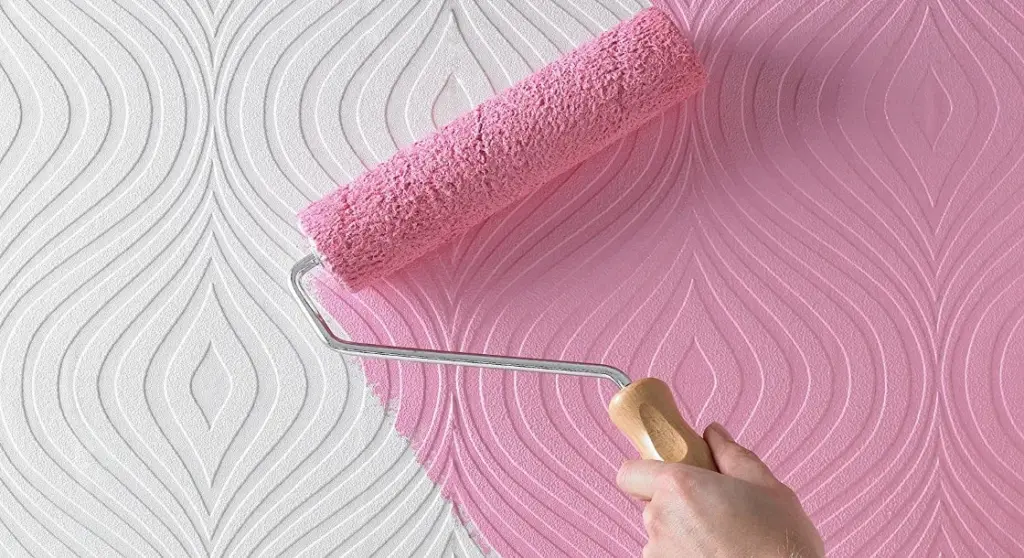
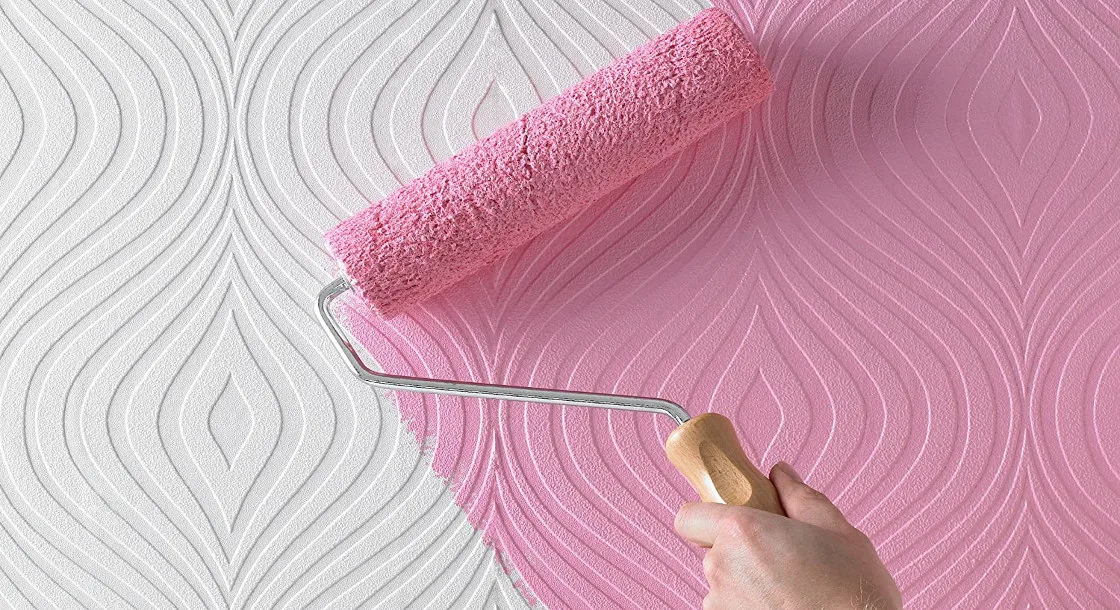
Regarding the aesthetic characteristics of the wallpaper, flat and plain surfaces remain the most suitable candidates for a seamless paint job. Nevertheless, textured or patterned paper can also be painted over, provided the property owner is comfortable with the underlying texture remaining visible through the new color. The final visual result largely depends on personal preference and the desired finish of the room.
Once an inspection confirms that the wallpaper is structurally sound and ready for a transformation, minimal preparation is generally required compared to a full stripping job. However, experts stress that skipping the priming stage is a mistake, regardless of whether the existing wallpaper features a light color or lacks a prominent pattern. Applying at least one coat of primer is essential for achieving a clean, professional finish with the final topcoat, while also ensuring the underlying paper is adequately sealed.
A frequent technical hurdle in this process involves the choice of primer. Water-based primers carry the risk of soaking too deeply into the wallpaper, potentially re-wetting the old paste and undermining its adhesive qualities. To prevent this complication, professionals consistently recommend utilizing an oil-based primer when preparing wallpapered surfaces. Products such as specialized all-in-one primers and sealers provide a reliable barrier, and applying one or ideally two thorough coats—allowing each to dry completely—sets the foundation for a successful paint application.

After the priming phase is finished and fully cured, homeowners can select their desired topcoat color and begin the application process. While proper planning and meticulous preparation usually prevent major issues, certain challenges can still emerge as the project progresses.
One common occurrence during the drying process of wallpaper is the formation of thin gaps between individual strips of paper, which can happen if the material shrinks slightly as it ages. While these minor gaps do not automatically ruin a painting project, they must be addressed before the room is finished. Assuming the surrounding wallpaper remains firmly attached to the wall, standard filler can be utilized to bridge the gaps between sheets.
Timing and precision are critical when utilizing filler on wallpapered surfaces. This corrective step is most effectively executed after the primer coats have been applied and allowed to set. Once the filler has dried, it must be meticulously sanded back until it is perfectly level with the surrounding paper. Any raised filler or uneven spots will become glaringly obvious once the final color is applied, making patience and thorough sanding essential for a polished outcome. By understanding these technical nuances and addressing potential flaws early in the process, homeowners can successfully navigate the complexities of painting over wallpaper and achieve a durable, refreshed interior finish.