Choosing to paint over wallpaper has long been debated among interior designers and property owners as a convenient shortcut to room renovation. When compared to the labor-intensive process of stripping old paper, preparing bare walls, and applying fresh coats of paint, updating a room by painting directly over existing wallpaper can save significant time and physical effort. However, industry experts and painting professionals emphasize that this approach is not a universal fix. Before picking up a roller, homeowners must carefully evaluate the condition of their walls and understand the potential pitfalls that can compromise the final finish.
The success of painting over wallpaper largely depends on the initial state of the material already on the wall. Before any decisions are finalized, a thorough inspection of the wallpaper is essential. The paper must be in good overall condition, completely free from rips, tears, or widespread damage. If the wallpaper is old, heavily worn, or compromised, professionals strongly advise stripping it down entirely and painting the bare plaster instead.
A major red flag during the preliminary check is peeling. Painting over wallpaper that is lifting in multiple places is never advisable, even if the paper itself is not torn. Widespread peeling indicates that the underlying adhesive paste is failing, which can happen over time due to inferior paste quality or persistent dampness within the room. While isolated peeling in a single, small area can sometimes be successfully remedied by re-adfixing the paper with fresh paste—provided it is smoothed out carefully to prevent air bubbles and allowed to dry completely—widespread failure means the entire wall covering must be removed.
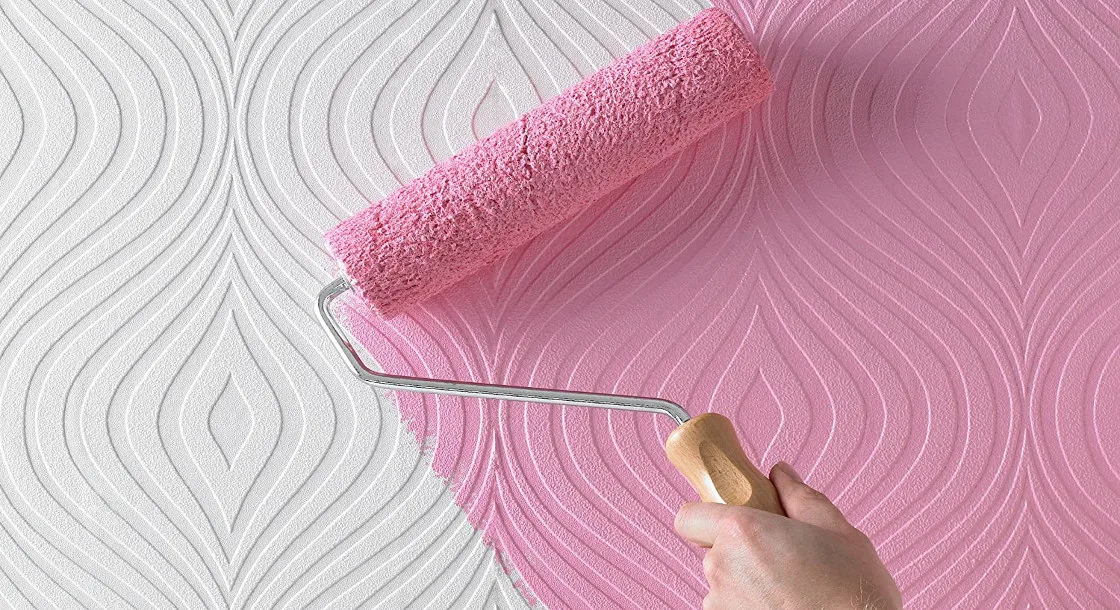
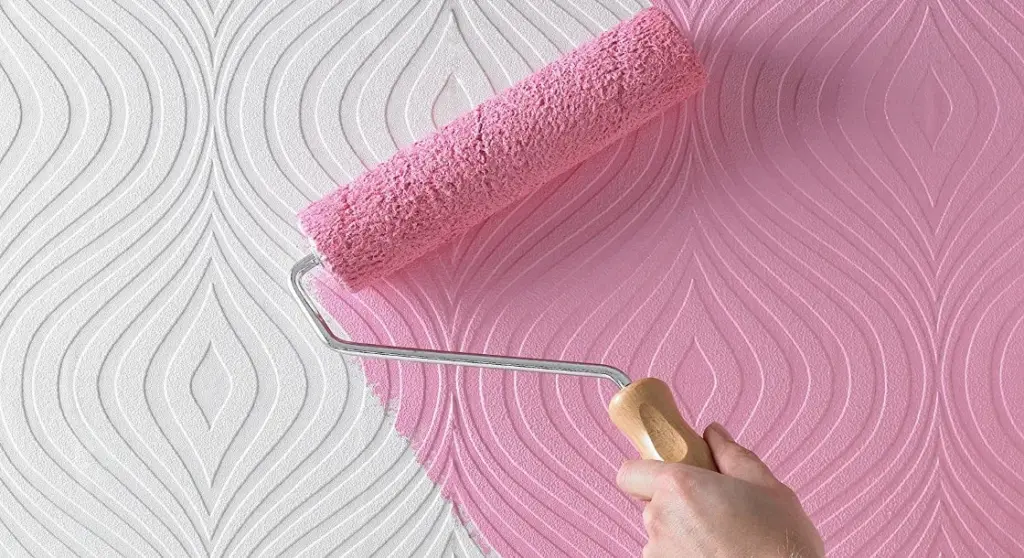
Texture and pattern also dictate whether painting is a viable option. Plain, flat wallpaper provides the smoothest and most predictable surface for a fresh coat of paint. Nevertheless, textured or patterned papers can also be painted over, provided the property owner is comfortable with the underlying pattern or texture remaining visible through the new paint layers.
Once the wallpaper passes the initial inspection, minimal preparation is generally required compared to stripping walls from scratch. However, treating the surface correctly before introducing any color is crucial for achieving a professional and long-lasting result.
Even when working with light-colored or unpatterned wallpaper, applying at least one coat of primer is heavily recommended by decoration experts. Priming helps create a clean, uniform base for the topcoat and ensures the wallpaper is easier to cover completely. A critical technical detail in this process involves the choice of primer. Water-based primers can penetrate the wallpaper too deeply, reactivating the old adhesive and undermining the paste’s grip on the wall. To avoid this risk, professionals recommend utilizing an oil-based primer or specialized multi-surface primer and sealer formulations designed to safely prepare wallpapered surfaces without causing moisture damage. Applying one to two coats of primer and allowing adequate drying time establishes a stable foundation for the upcoming topcoat.
After the priming stage is complete and fully dry, homeowners can select their preferred topcoat paint color and begin the application process across the room. While careful planning and thorough preparation usually result in a smooth finish, certain complications can still arise as the project progresses. Fortunately, most of these issues can be successfully managed or corrected with minor corrective work.

One common issue encountered when painting over wallpaper involves gaps opening up between individual strips. While correctly installed wallpaper should fit tightly together, the paper can sometimes shrink slightly as it dries after being initially pasted, leaving thin vertical gaps between the sheets. While this shrinkage does not completely derail a painting project, it requires targeted intervention to achieve a polished look.
Assuming the rest of the wallpaper remains sound and firmly anchored to the wall, standard wall filler can be utilized to conceal these gaps. Professionals recommend performing this step after the primer has been applied, allowing the primer to set fully before applying filler to the seams. Once the filler is in place, it must be carefully sanded back until it is perfectly flush with the surrounding paper. Because any raised filler will stand out prominently once painted over, taking the extra time to sand the repaired areas smoothly is vital to the overall aesthetic of the finished room.