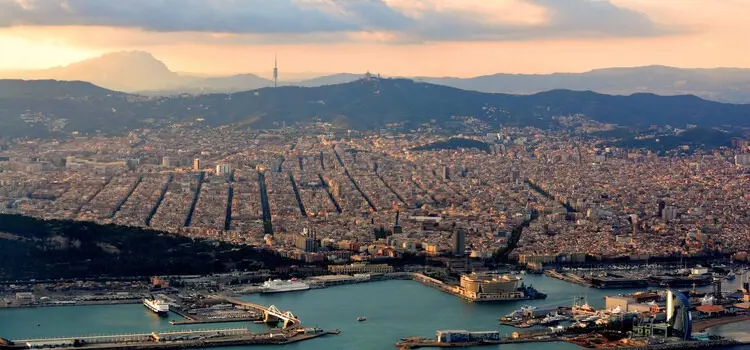
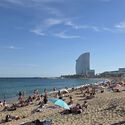
As one walks along the sun-drenched beachfront of Barcelona today, the shoreline feels as though it has always been an organic part of the Mediterranean landscape. The seamless stretch of fine sand, swaying palm trees, expansive pedestrian promenades, bustling restaurants, vibrant shops, and sleek modern hotels creates an idyllic coastal atmosphere that draws millions of visitors and residents alike. Yet, the reality of Barcelona’s geography is quite the opposite. This idyllic setting is not a natural gift, but rather the product of an ambitious, decades-long campaign of physical transformation, infrastructural engineering, and complex social negotiation.
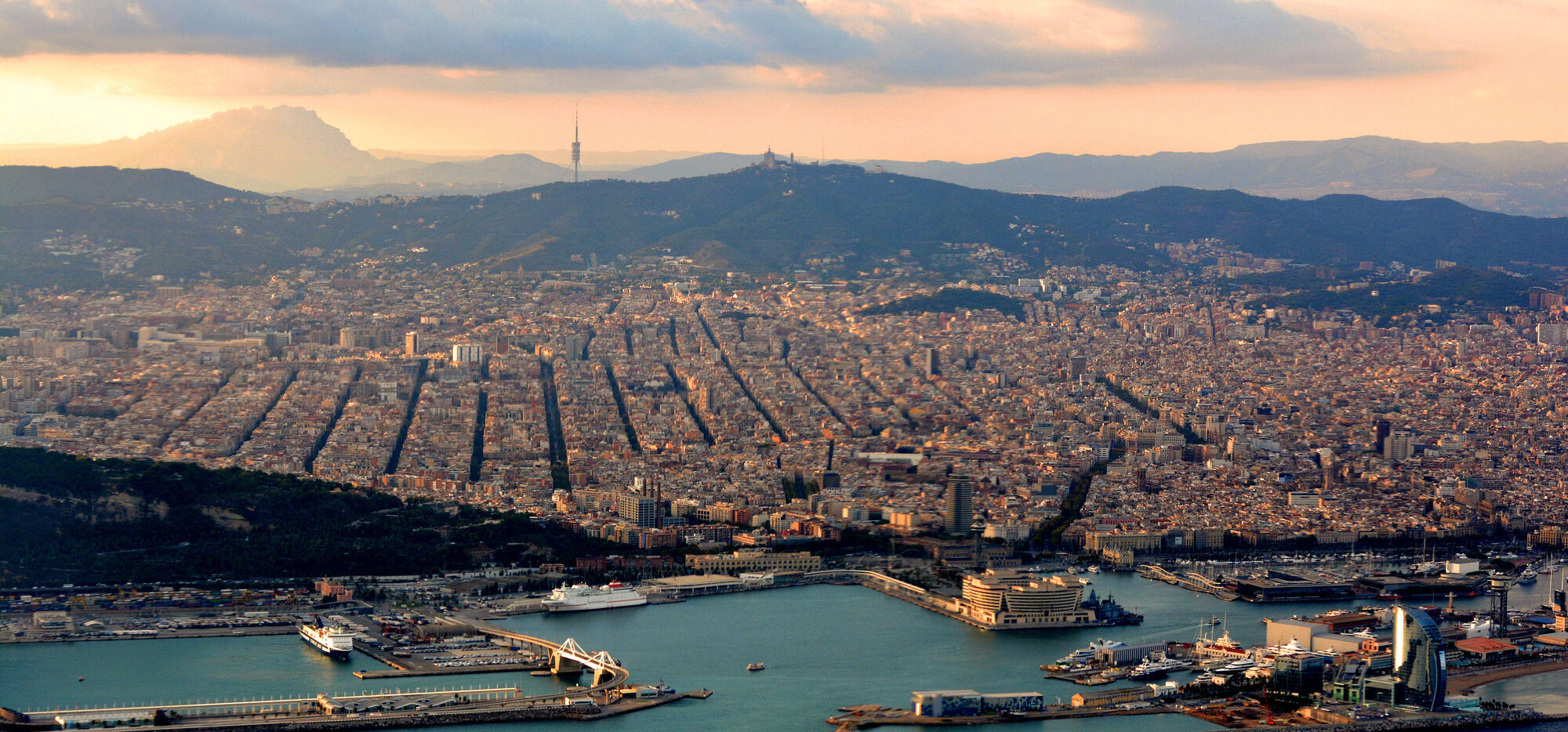
Until the late 1980s, Barcelona’s seafront was entirely severed from the daily life of the city. It operated as a gritty, industrial barrier defined by heavy railway lines, sprawling factories, and informal housing settlements. Untreated wastewater poured directly into the Mediterranean Sea, rendering the coast largely inaccessible and environmentally degraded. However, starting in 1987, the municipal government initiated a sweeping series of interventions designed to reconnect the Catalan capital with its maritime heritage. By carving out broad promenades and multi-layered passages between the dense urban fabric and the water, the city initiated a metamorphosis that today’s public might easily mistake for a pristine natural landscape. Beneath this surface lies a dense history of infrastructure, social upheaval, and evolving municipal policy aimed at redefining the city’s relationship with the water. Following this profound transformation raises three critical questions: who was displaced to open up the waterfront, who governs these spaces today, and what ongoing efforts are required to keep the shoreline standing?
From Industrial Barrier to Olympic Catalyst
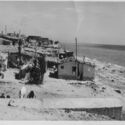
The first decisive steps toward forging a modern relationship with the water date back to the late 1980s, a period marked by intensive preparation for the historic 1992 Olympic Games. According to a comprehensive 2025 review on the subject by researchers N. Benach and N. Font-Casaseca, the city’s coastline had long been alienated by a major railway line that formed an impenetrable wall between Barcelona’s industrial core and the sea. Alongside these rail corridors, marginalized communities lived in precarious shanty towns established directly along the coastal zones, most notably on beaches such as Somorrostro.
Academic literature places the concrete genesis of these urban renewal efforts in 1987, highlighted by the establishment of the Spatial Plan of Port Vell and the development of the Moll de la Fusta. As analyzed by J. Henrich i Monràs, this strategy originated from a broader municipal urban study published by the City of Barcelona titled Àrees de Nova Centralitat. The core objective of these plans was to systematically phase out outdated port logistics and industrial storage facilities, replacing them with dynamic public spaces, leisure areas, hospitality venues, and commercial developments.
The impending 1992 Olympic Games provided the immense financial and political momentum needed to translate this ambitious vision into physical reality. Benach and Font-Casaseca document how the troublesome coastal railway line was successfully buried underground, while the city’s wastewater management underwent a revolutionary upgrade, putting an end to the direct discharge of sewage into the Mediterranean. Simultaneously, urban planners engineered and stabilized entirely new sand beaches, vastly improved coastal accessibility, and delivered the Vila Olímpica alongside a modern marina constructed upon former industrial land in the Poblenou neighborhood.
Yet, this sweeping modernization came with a profound human cost. The waterfront was never an empty, abandoned canvas waiting to be painted; it was a functioning ecosystem of industrial production, working-class homes, and vulnerable communities. Opening the city to the sea required the systematic clearing of a coastal territory that, by the mid-twentieth century, was home to an estimated 15,000 residents living in informal settlements and industrial housing.
The Tensions of Reclamation: Integration or Speculation?
This complex historical backdrop brings forth an unavoidable question regarding urban reclamation: who truly claims the land when a city reclaims its waterfront, and does the final outcome represent a genuine effort at social integration or a vehicle for economic speculation?
Scholars such as Montesinos i Curié et al. outline two divergent trajectories for such massive urban interventions. In the first scenario, the newly liberated space becomes genuinely accessible, democratic, and welcoming to the local citizenry. In the second, the waterfront is transformed into an exclusive attraction tailored primarily to transient visitors and international tourists. Examining Barcelona’s trajectory following the global success of the 1992 Games, researchers argue that the city increasingly leveraged its newly minted iconic spaces to aggressively market its global image and reputation, aligning the waterfront far more closely with the latter outcome.
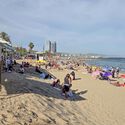
This tourism-driven logic remains starkly visible today, particularly at the port, where the question of ownership and governance has evolved into a matter of institutional strategy. According to reports from the Port of Barcelona, a collaborative protocol signed between the Barcelona City Council and the Port of Barcelona outlines plans to demolish three aging cruise terminals, construct a streamlined modern terminal, and integrate advanced smart technologies into port operations.
While official institutional communications frame this public-private investment as a vital commitment to the sustainable development of the maritime cruise sector, municipal leaders acknowledge that maritime tourism—while economically significant—demands rigorous planning and regulatory control. The goal is to establish a more orderly and efficient management model that respects Barcelona’s delicate urban and environmental equilibrium. Consequently, the contemporary waterfront is continuously contested by institutional stakeholders carrying competing incentives, meaning its future rests less on architectural design alone and more on ongoing political and economic negotiation.
The Maintenance Bill of a Man-Made Shoreline
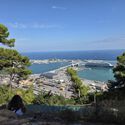
Regardless of who ultimately administers and governs the shore, a physical and ecological challenge persists: maintaining the structural integrity of the coastline itself. A vast majority of the beaches that emerged from the late twentieth-century urban renewal projects were entirely or partially artificial. This reality has introduced an enduring burden of maintenance and environmental sustainability.
According to data from the Barcelona City Council, the city’s beaches naturally lose approximately 30,000 cubic meters of sand every year. Environmental analysts and meteorological reports point to accelerating climate change as a compounding threat, with intensifying coastal storms and rising sea levels aggressively eroding the shoreline. The traditional municipal response has involved regular replenishment campaigns, dumping thousands of tons of sand onto the beaches—sometimes sourced locally from nearby urban construction excavations, and other times imported from distant locations across Spain or even abroad. The very beaches engineered to reconnect the city with the sea now depend upon an uninterrupted, resource-intensive supply chain of imported material.
Barcelona’s remarkable urban transformation did not expand the city’s buildable territory by aggressively filling in the sea. Instead, its reclamation was executed through a subtler, landward strategy: reclaiming obsolete industrial zones and port parcels, and constructing artificial beaches supported by external sand supplies. Even so, this soft approach to shoreline creation established a permanent obligation. A beach engineered over the course of a few brief years demands constant financial and material investment to survive for decades.
Ultimately, Barcelona’s experience illustrates that a modern city’s relationship with its waterfront is a continuous compromise among diverse interests, requiring the same level of rigorous planning, sustained funding, and long-term care traditionally reserved for vital infrastructure like roads and housing. The waterfront stands as a poignant reminder that the bold urban solutions of one era invariably become the ongoing maintenance bills of the next.