When homeowners decide to revamp a tired interior space, they are frequently met with a fundamental dilemma: should they painstakingly strip away old wallpaper, or take what appears to be the faster route by simply painting right over it? While skipping the arduous wallpaper removal process can save considerable time and effort in the initial stages of a renovation, industry professionals emphasize that making this choice requires careful evaluation, foresight, and an awareness of potential pitfalls that could derail a room makeover.
Choosing to paint over wallpaper has long been debated in the home improvement sphere. On one hand, it avoids the messy, time-consuming chore of steaming and scraping away stubborn layers of paper and residual adhesive from bare plaster. On the other hand, success depends entirely on the current condition of the walls, the type of paper installed, and the quality of the preparatory work executed before the first brushstroke of paint is applied. Without proper assessment, a shortcut can quickly transform into an expensive and frustrating mistake.
Before committing to a paint-over strategy, interior decorators and renovation specialists advise conducting a thorough inspection of the existing wallpaper. The primary requirement for success is that the paper must be in sound structural condition, completely free from rips, tears, or major surface disruptions. If the wallpaper is heavily damaged or severely worn, attempting to paint over it is rarely successful. In such cases, stripping the compromised material and treating the bare wall underneath remains the superior path forward.
Furthermore, homeowners must check for signs of lifting or separation at the seams and edges. Painting over wallpaper that is peeling in multiple areas is strongly discouraged, even if the paper itself is not physically ripped. Widespread peeling indicates that the adhesive paste beneath the surface is failing. This failure can stem from the use of inferior paste during the original installation or from underlying moisture and dampness issues within the room, which will inevitably compromise any new layers of paint applied on top.
Localized peeling, however, presents a different scenario. If the lifting is confined to a single, isolated area, it is often possible to remedy the issue by carefully re-securing the loose paper with fresh wallpaper paste before proceeding with any painting plans. When undertaking this minor repair, meticulous care must be taken to smooth out the paper and prevent trapped air bubbles, followed by allowing the adhesive to dry completely to ensure a stable foundation.
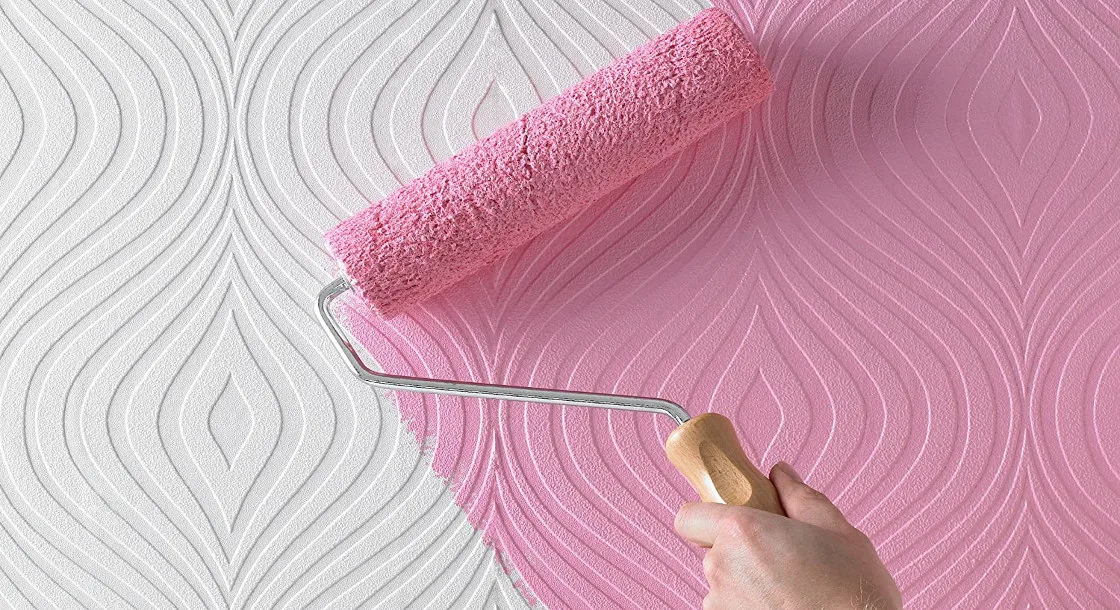
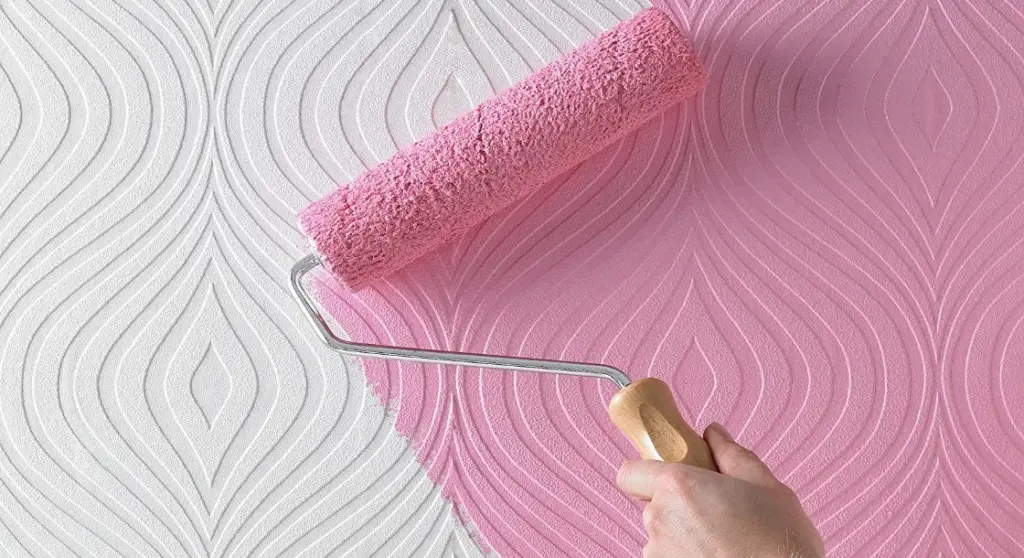
The physical characteristics of the wallpaper also dictate the final visual outcome. Plain, flat wallpaper provides the most predictable and smooth surface for painting, making it the ideal candidate for this technique. Nevertheless, textured and patterned papers can also be painted over, provided the homeowner is comfortable with the underlying texture remaining permanently visible beneath the new color.
Preparing Wallpaper for Painting
Assuming a thorough inspection confirms that the existing wallpaper is clean, dry, and securely adhered to the walls, the required preparation phase is relatively straightforward compared to traditional wall stripping. Even so, skipping the preparatory steps can lead to poor adhesion and an uneven aesthetic finish.
With the room adequately cleared and protected, attention must shift to surface treatment. While some decorators might be tempted to move straight to applying a colorful topcoat, professionals stress the critical importance of a proper priming phase.
Priming Wallpaper for Painting
Even when working with light-colored or unpatterned wallpaper, applying at least one coat of primer is widely recommended by painting experts. A dedicated primer ensures a uniform, clean surface for the topcoat while blocking out old patterns and making the underlying paper significantly easier to cover with fewer layers of paint.
A crucial technical consideration during this phase involves the choice of primer. Standard water-based primers can penetrate too deeply into the wallpaper, introducing excess moisture that reactivates the old wallpaper paste and ruins the adhesion to the wall. To circumvent this risk, professionals consistently recommend using an oil-based primer or a specialized sealing formula designed specifically for difficult surfaces, such as all-in-one primer and sealer products that safely prepare wallpaper for subsequent coats of paint.
Applying at least one—and ideally two—thorough coats of an appropriate primer, followed by adequate drying time, establishes a stable and non-porous base for the final aesthetic transformation.

How to Paint Over Wallpaper
Once the primer has fully cured and set, the homeowner can select their preferred topcoat paint color and begin the process of updating the room’s palette. By working systematically with standard application tools like rollers and brushes, the new paint adheres smoothly to the primed wallpaper surface, delivering a refreshed look without the disruption of a complete wall demolition.
Problems With Painting on Top of Wallpaper
Even with meticulous planning and careful preparation, unexpected challenges can occasionally arise when painting over existing wallpaper. Fortunately, the vast majority of these issues are manageable and can be successfully resolved with minor remedial work.
Gaps Between Wallpaper Strips
Under ideal conditions, wallpaper is installed with tightly abutted seams. However, as wallpaper dries following its initial installation, it can occasionally experience slight shrinkage, leaving thin gaps between adjacent strips of paper. While this minor separation does not automatically ruin a painting project, it must be addressed before the room is considered finished.
Assuming the surrounding wallpaper remains firmly affixed and structurally sound, standard wall filler can be utilized to conceal the gaps between the sheets. Experts advise performing this corrective step after the application of the primer coats. Once the primer has fully set, any applied filler should be carefully and meticulously sanded back until it is completely flush with the level of the surrounding paper. Because any raised filler will stand out visibly once painted over, taking the extra time to achieve a smooth, level finish is essential for a professional-looking result.