In an architectural landscape often dominated by grand public spectacles, towering commercial monuments, and complex multi-use urban developments, occasionally a project emerges that strips design down to its most fundamental, human-centric purpose: rest. Designed by the architectural studio WHALE! and curated by Paula Pintos, the recently showcased "Pavilion for Good Sleep" (originally titled in Spanish as Pabellón para el buen dormir) offers a profound meditation on wellness, circadian rhythms, and the intimate relationship between the built environment and the human body. Published to global architectural audiences in October 2026, the project redirects attention away from relentless productivity and toward the restorative power of architecture.

At the core of the design philosophy articulated by the architects is a deceptively simple premise, one that grounds the entire spatial layout of the pavilion: a structure dedicated to good sleep requires a precise eastern orientation, strategically positioned to wake its inhabitants with the gentle, natural ascension of the morning sun. This foundational concept influences every layer of the pavilion’s execution, merging site placement, environmental responsiveness, and atmospheric interior design into a cohesive spatial experience.

The Architectural Logic of Rest
The "Pavilion for Good Sleep" is not merely a shelter featuring a bed; it is an integrated architectural ecosystem designed to regulate the senses and promote deep, undisturbed relaxation. WHALE! approached the project by analyzing how external stimuli—light, sound, air circulation, and material touch—impact human sleep architecture. By carefully calibrating the orientation of the pavilion, the design team harnessed natural daylight as a biological clock, using the early morning sun to gently ease the occupant out of deep sleep cycles without the jarring intrusion of artificial alarms.

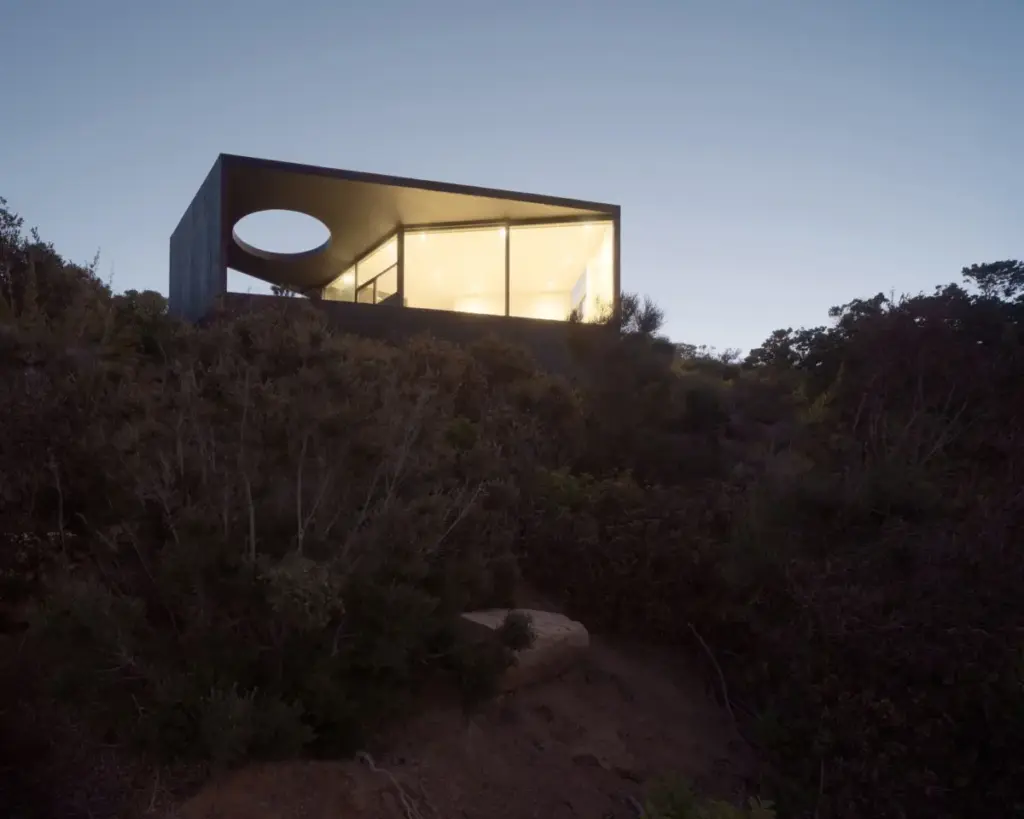
The exterior photography by Felipe Fontecilla reveals a structure that harmonizes quietly with its surroundings. Rather than imposing a heavy geometric footprint onto the landscape, the pavilion utilizes clean lines, transparent and semi-transparent planes, and a thoughtful material palette that blurs the boundary between indoor sanctuary and the natural world outside. Large expanses of glass frame views of the surrounding environment, allowing the shifting tones of daylight and dusk to wash over the interior surfaces, creating a living mural that mirrors the passage of time.

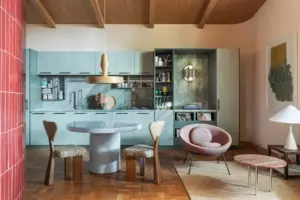
Inside, the spatial choreography is intentionally restrained. The kitchen and countertop areas, captured with minimalist precision in the project’s documentation, maintain the same tranquil ethos as the sleeping quarters. There are no superfluous decorations or distracting flourishes; every element serves a distinct function, contributing to an overarching atmosphere of mental clarity and calm. The kitchen sink and surrounding workspace feature clean integration with the building’s envelope, allowing occupants to perform daily rituals with a sense of mindfulness and ease.

Crafting the Interior Sanctuary
Transitioning from the daytime living spaces to the bedroom, the pavilion reaches the ultimate expression of its core thesis. The bedroom area is meticulously proportioned to foster a sense of enclosure and security, acting as a modern-day architectural cocoon. Windows are strategically placed not only to capture the vital eastern light for the morning awakening but also to manage views, ensuring privacy while maintaining a continuous connection to the rhythms of the outdoors.

The materiality chosen by WHALE! plays a crucial role in acoustic and tactile comfort. Surfaces are selected to absorb harsh sounds, dampening the ambient noise of the outside world and replacing it with an interior quietude essential for restorative sleep. The interplay of light filtering through glass panes casts soft, diffused shadows across the walls and floors throughout the day, reinforcing the pavilion’s role as a therapeutic retreat from the hyper-accelerated pace of contemporary life.

As architectural practices increasingly explore the intersections of wellness, biophilic design, and mental health, projects like the "Pavilion for Good Sleep" point toward a meaningful evolution in how living spaces are conceptualized. By focusing on something as universal yet frequently overlooked as the quality of rest, WHALE! has demonstrated that thoughtful spatial design can actively contribute to human well-being. Through careful orientation, material sensitivity, and an unwavering commitment to simplicity, the pavilion stands as a quiet reminder that architecture, at its best, is a framework for living—and sleeping—well.