For homeowners seeking a fresh aesthetic without the labor-intensive ordeal of stripping old wallcoverings, painting directly over wallpaper has long stood out as a tempting shortcut. Bypassing the grueling process of scraping paper, soaking adhesive, and priming bare plaster can drastically cut down on project timelines. However, interior design and home improvement professionals emphasize that this approach is far from a universal fix. Achieving a seamless finish requires careful evaluation of the existing walls, strategic preparation, and an understanding of potential complications that can derail a room revamp.
The primary consideration before picking up a paint roller is the structural integrity and overall condition of the current wallpaper. Experts advise that the paper must be firmly adhered, entirely smooth, and completely free from rips, tears, or extensive damage. If the wallcovering is already compromised, attempting to paint over it is rarely worthwhile. In scenarios where wallpaper is actively peeling in multiple areas, it serves as a glaring red flag indicating that the underlying paste is failing. This failure can stem from a variety of factors, ranging from low-quality adhesive used during the initial installation to lingering dampness or moisture issues within the room that continue to undermine the bond between the paper and the wall.
While widespread peeling warrants total removal, localized damage presents a different scenario. If the lifting is confined to a single, minor area, it is often possible to carefully re-secure the loose section using dedicated wallpaper paste. Homeowners must execute this step with precision, smoothing out the paper to prevent air bubbles from forming beneath the surface, and ensuring the adhesive dries completely before any paint touches the wall.
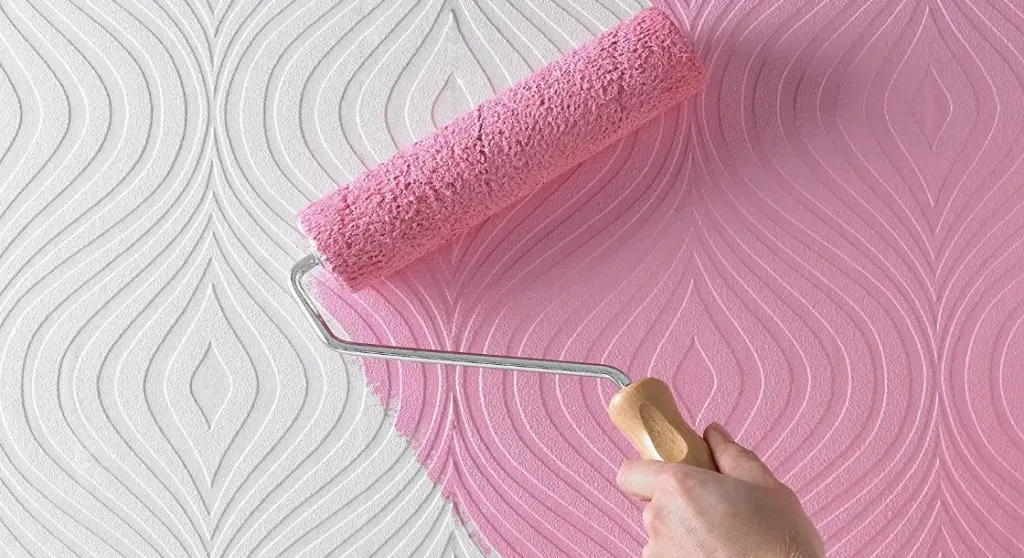
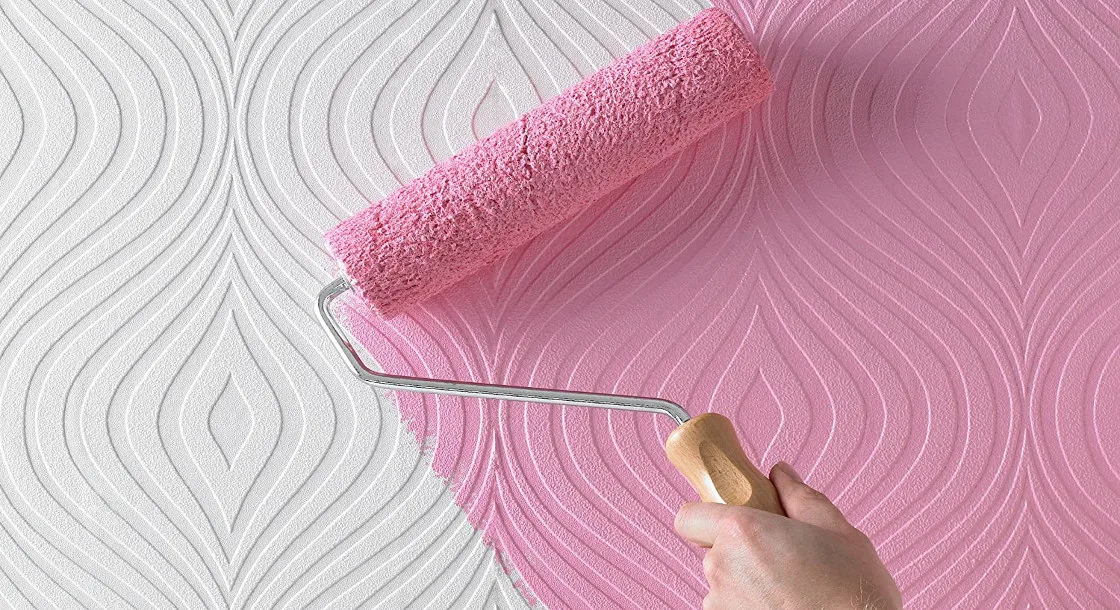
When it comes to the style of the wallpaper, flat and plain designs offer the highest likelihood of a clean, modern look. Nevertheless, textured or patterned papers can still be painted over successfully, provided the homeowner is comfortable with the underlying relief or pattern remaining visible beneath the new coats of color.
Preparing Wallpaper for Painting
Once a thorough inspection confirms that the wallpaper is structurally sound and securely attached, the preliminary preparation phase for painting can begin. While skipping the stripping process eliminates a massive hurdle, the remaining surface still demands attention to ensure proper paint adhesion and a professional-grade aesthetic.
The preparation stage typically involves cleaning the walls to remove accumulated dust, grease, or grime, as well as protecting adjacent surfaces with decorator’s masking tape. Taking the time to properly tape off baseboards, door frames, and crown molding prevents messy bleed-through and establishes sharp, clean lines where the walls meet the trim. With the room thoroughly prepped and protected, the project can transition smoothly into the crucial priming stage.
Priming Wallpaper for Painting
Even when dealing with light-coloured or unpatterned wallpaper, applying at least one coat of primer is widely recommended by painting professionals. A quality primer acts as a foundational barrier, ensuring that the final topcoat achieves an even, opaque finish while making the underlying paper significantly easier to cover.
However, the choice of primer is critical. Water-based primers carry a distinct risk when applied to wallpapered surfaces; the moisture can soak too deeply into the paper, reactivate the old paste, and compromise the adhesion of the wallpaper beneath. To avoid this costly mistake, experts routinely recommend utilizing an oil-based primer. Specialized products, such as all-in-one primer and sealer formulations, are particularly effective at locking down the surface and preparing wallpaper for subsequent layers of paint. Applying one or two thorough coats of primer—and allowing each to dry completely—establishes a stable canvas for the chosen topcoat.

How to Paint Over Wallpaper
With the primer fully cured, the walls are ready for the selected topcoat paint colour. Applying the final layers requires the same steady hand and consistent technique used in traditional painting projects, ensuring an even distribution of color across the entire surface without excessive buildup in the corners or seams.
Problems With Painting on Top of Wallpaper
Even with meticulous planning and diligent preparation, painting over wallpaper can occasionally introduce unique challenges. Fortunately, most of these issues are manageable and can be successfully resolved with a modest amount of corrective work.
One of the more common complications involves the appearance of gaps between individual wallpaper strips. As wallpaper dries following its initial installation, it can occasionally experience slight shrinkage, leaving thin, unsightly gaps where the edges pull apart. While this is far from ideal, it does not instantly ruin the project.
Assuming the rest of the wallpaper remains firmly affixed and structurally sound, these gaps can be concealed using standard wall filler. Crucially, this corrective step should be performed after the primer coats have been applied. Once the filler has been added and allowed to set, it must be carefully sanded down until it is perfectly flush with the surrounding paper. Because any raised filler will stand out prominently once painted over, taking the extra time to achieve a smooth, level finish is essential for a polished final result.