As the city plunges deeper into the vibrant rhythm of the autumn arts calendar, New York’s cultural landscape is shifting into high gear. Following a brisk three-day holiday weekend packed with everything from domestic overhauls to milestone celebrations, the city’s creative community is trading private chores for public cultural immersion. Across the five boroughs, doors are once again opening wide, inviting residents and visitors alike to engage deeply with the rich tapestry of contemporary art, performance, and community-driven initiatives that define New York City this season.
Chief among the weekend’s massive urban programming are the annual open studios in Sunset Park and Gowanus. These beloved neighborhood art-walk traditions are running concurrently with the broader citywide Open House New York (OHNY) weekend programming. For a city constantly caught in the friction of architectural reinvention and historical preservation, these open studio events offer a rare, unfiltered look into the working spaces of local makers. It is a weekend designed to let the public step behind the scenes, bridging the gap between finished gallery exhibitions and the raw, unpolished environments where creative labor actually takes place.

This surge in public engagement follows a major recent announcement from the New York City Department of Cultural Affairs, which revealed that city-funded artists’ grants have doubled from $5,000 to $10,000. Building on that financial momentum, municipal officials have now unveiled an additional, highly practical perk for grant recipients. Starting October 19, artists awarded these grants will gain exclusive access to the city’s invaluable Materials for the Arts warehouse on the second Monday of each month. This added resource promises to provide a vital material lifeline for local creators, ensuring that increased funding goes hand-in-hand with accessible physical supplies.
Spotlighting Indigenous Survivance and Sound
The recent focus on public programming has also been heavily shaped by observations of Indigenous Peoples’ Day, prompting cultural institutions across New York City and the wider state to showcase a wealth of Native American art and history. A notable recent roundup highlights seven distinct exhibitions spanning Manhattan, the Hessel Museum of Art at Bard College, and the Long Island Museum in Stony Brook. Across these solo and group presentations, artists representing a diverse tapestry of Indigenous populations across Turtle Island powerfully embody the concept of "survivance." Through their work, they actively trace and reject narratives of historical dispossession and irrelevance, upend and satirize pervasive stereotypes, preserve and reinvent traditional art forms, and drag underrepresented histories out from the institutional margins into the harsh light of contemporary discourse.
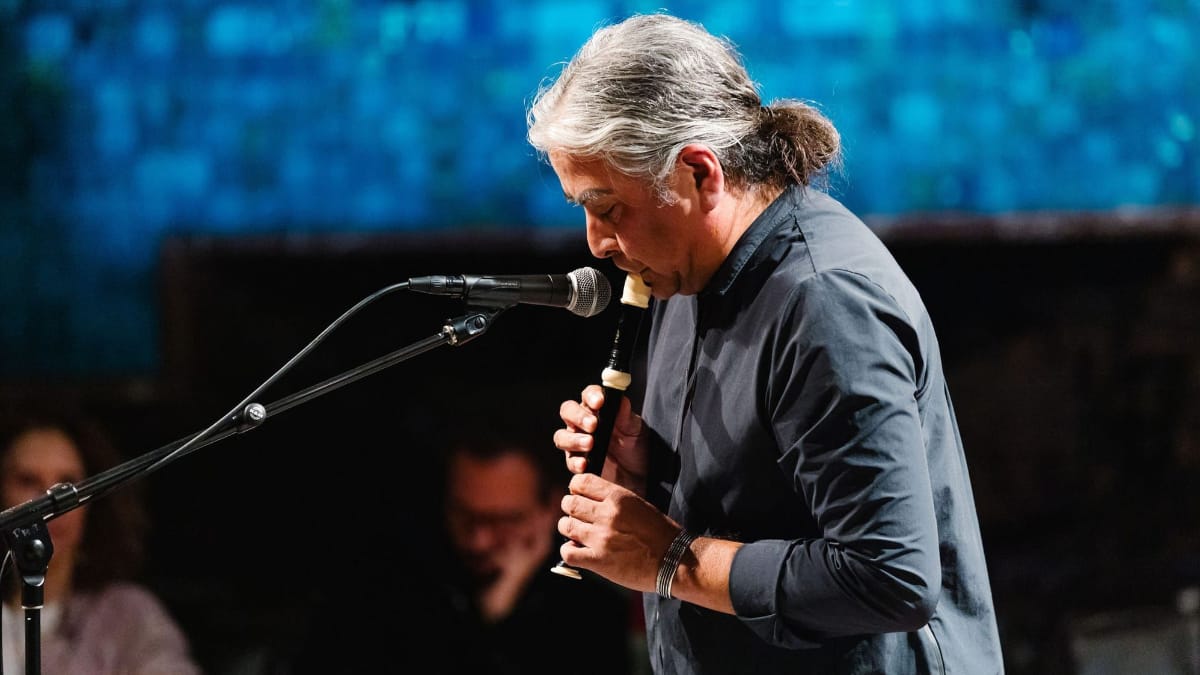
This thematic exploration of land, history, and survival recently found sonic expression at the Park Avenue Armory. There, acclaimed Diné artist and composer Raven Chacon led a gripping, hour-long improvisational sound performance. In a rich interview with Associate Editor Phillip Pyle, Chacon discussed how his work actively sounds the complex, often painful history of the land, using acoustic composition to interrogate modern landscapes.
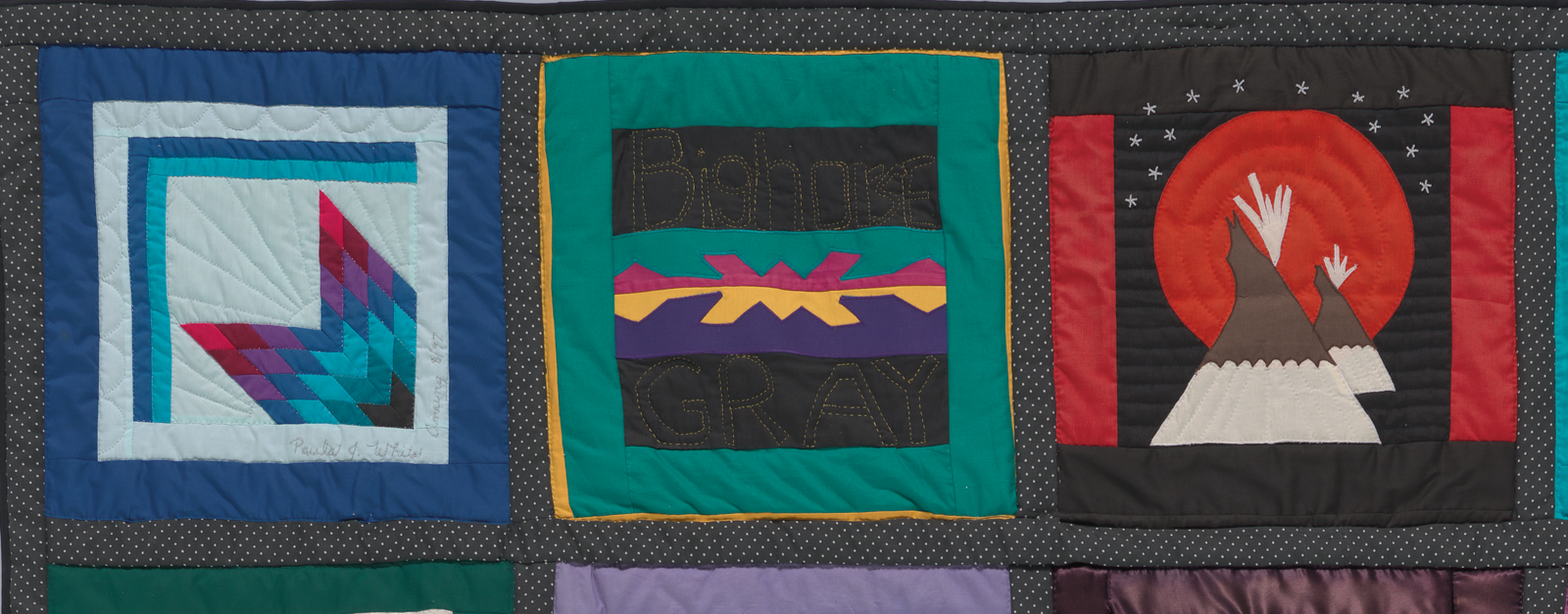
The institutional focus on contemporary Indigenous art is set to expand even further next month. Staff Writer Anna Lee has reported that the Gochman Family Collection is preparing to open its Katonah site specifically for exhibiting contemporary Indigenous art. Meanwhile, educational and participatory programs are bridging the gap between heritage and craft. The National Museum of the American Indian is hosting a special "Quilt Along: Sit and Sew" program featuring Margaret Wood, a Diné and Seminole artist who stands as one of five contemporary Indigenous creators featured in the museum’s inaugural Quilt Along initiative. Wood and her peers have designed patterns inspired by different eras of United States history viewed explicitly through a Native lens, with a public sewing session scheduled for Saturday, October 17.
From Our Critics: Performance, Politics, and Provocation
New York’s gallery and performance spaces are currently playing host to a diverse array of critical touchstones, ranging from therapeutic communal gatherings to fierce political critique.
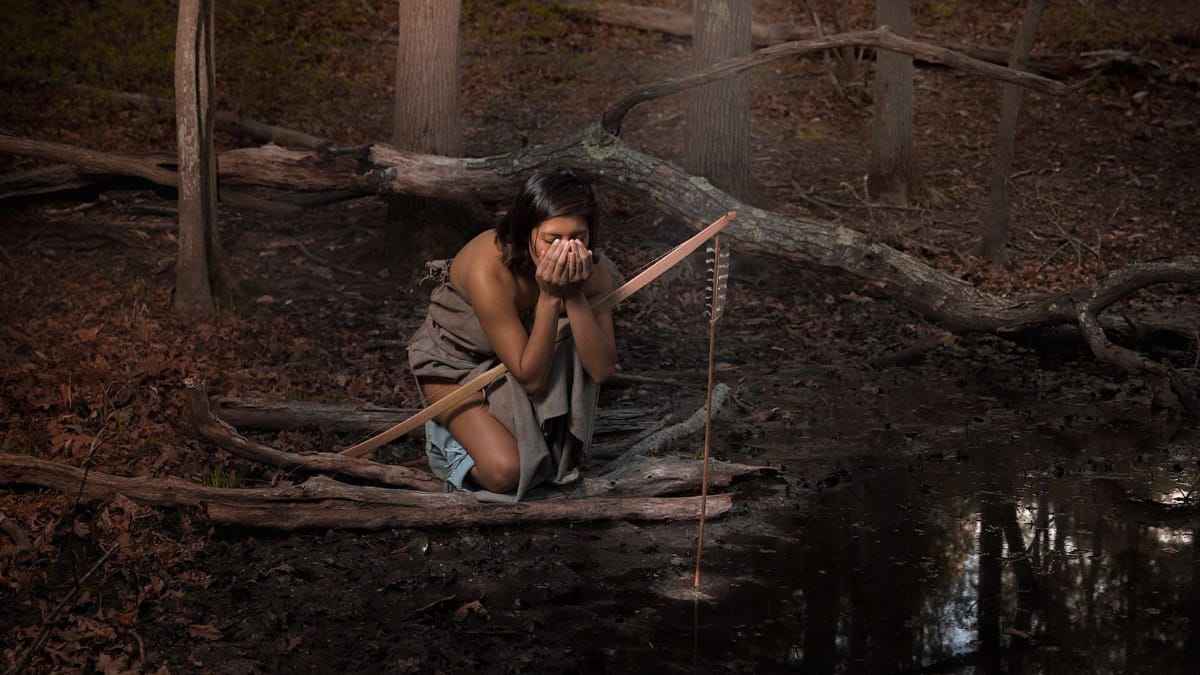
Writing about Pleasure Dome: Continuum at SoMad, critic Hrag Vartanian captured the electric atmosphere of the space, describing how the gathering evolved into a multifaceted cultural artifact. Vartanian noted that the event functioned simultaneously as "a fête of therapeutic sound, queer political rally, vaudeville tribute, and a vibe manifesto for a city that is constantly shattering the old to make way for the new." It stands as a testament to the persistent, ritual joy of queer performance culture refusing to be sidelined by municipal gentrification or commercial homogenization.
Political urgency also permeates Daniel Larkin’s review of KLAB at the Salma Sarriedine gallery. Examining the output of the artist Riddikuluz, Larkin points to the striking recurrence of the irascible dog as a recurring motif, observing that in the artist’s hands, the figure "emerges as a symbol for the ongoing genocide and its unrestrained perpetrators."
At Luhring Augustine, Julia Curl encountered a different kind of psychological and physical transformation in the exhibition settle for a good fantasy. Reviewing a set of eight prints by the artist, Curl observed a poignant, self-directed gesture: the artist rubs dark makeup from her eyes, an action visually reminiscent of weeping. As the eyeshadow smears, it leaves marks that closely resemble bruises, generating what Curl describes as a "dissonant, double feeling of pain and pleasure — and the acknowledgment that it’s all just an act."
Meanwhile, historical reappraisal is taking center stage upstate. At the Hessel Museum of Art at Bard College, Seph Rodney offered a sharp critical perspective on Betty Parsons: An Expanded World. In his review, Rodney championed the autonomy of the pioneering art dealer and artist, arguing that "regardless of the aesthetic merit or caliber of the work, this artist, like any other, deserves to have her own space free of another artist’s intervention because she is well able to stand on her own two feet."
As the month rolls forward, the city’s calendar shows no signs of slowing down. From open studio doors swinging wide across Brooklyn’s industrial corridors to specialized museum workshops and provocative gallery critiques, New York’s cultural ecosystem remains a relentless engine of expression, community, and critique.






