In regions where electrical grids are unstable and specialized medical infrastructure is scarce, safeguarding the lives of premature and low-birthweight newborns presents a profound daily challenge for healthcare providers. Addressing this critical vulnerability, the collaborative team behind the Otter portable newborn warmer has reimagined neonatal care for the realities of resource-constrained environments. Developed jointly by the United States-based nonprofit Design that Matters and Vietnamese medical device manufacturer MTTS, Otter has been awarded the prestigious Grand Prize at the 2026 Seoul Design Award.
The innovative medical device successfully rethinks how neonatal hypothermia is prevented and treated in facilities facing frequent power disruptions, limited technical maintenance capacity, and the perpetual risk of user error. By combining an integrated, heat-conducting polycarbonate bassinet, a reliable built-in battery system, and an intuitive touchscreen interface, Otter directly confronts the practical obstacles that often render conventional hospital equipment unreliable in rural or underserved clinics across developing nations.
Overcoming the Structural Barriers of Neonatal Care in Low-Resource Settings
Conventional newborn incubators and radiant warmers rely heavily on uninterrupted electricity, routine preventive maintenance, and a steady supply of specialized replacement parts. In many rural hospitals across Africa and Southeast Asia, however, these foundational requirements cannot be guaranteed. Chronic power outages, fluctuating voltage, and a lack of local biomedical engineering support frequently compromise the delivery of essential healthcare, putting vulnerable infants at severe risk.
This vulnerability is acutely felt by premature and low-birthweight newborns, whose underdeveloped physiological systems make them uniquely susceptible to rapid heat loss. While Kangaroo Mother Care (KMC)—a practice centered on continuous skin-to-skin contact between a newborn and a caregiver—remains an established and highly effective approach to maintaining body temperature, it is not always possible to sustain without interruption. Clinical necessities often require a baby to be temporarily separated from their mother for diagnostic examinations, routine monitoring, or urgent physical transfers between different departments within a hospital.
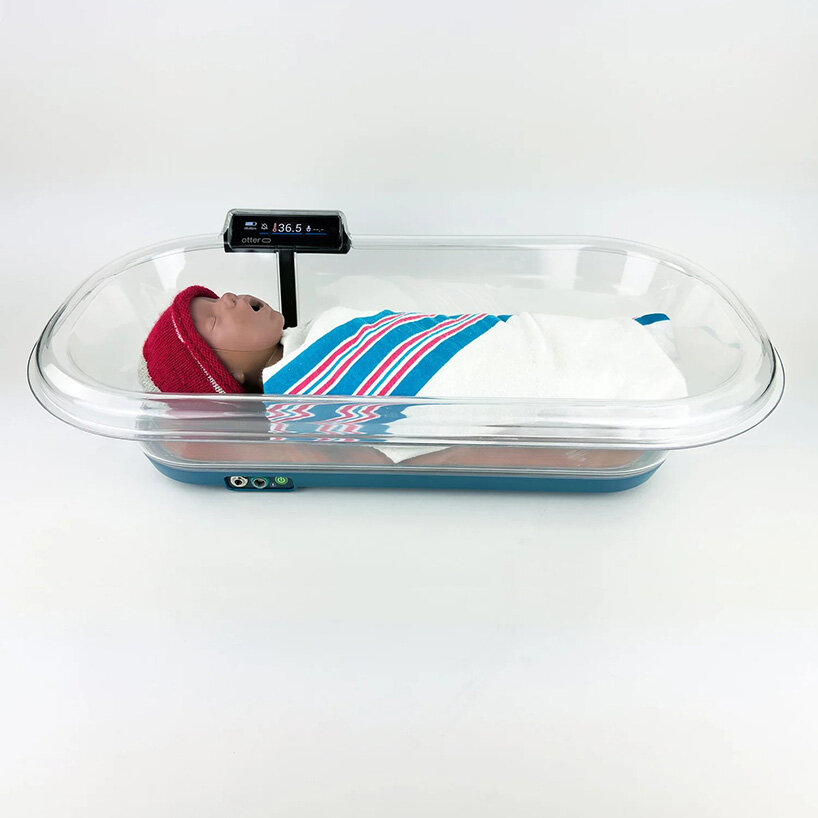
During these vulnerable transition windows, supplemental thermal support is vital. Otter was engineered specifically to fill this gap, providing reliable, continuous warming during intra-hospital transport and periods when traditional skin-to-skin care must be paused. The device represents the culmination of more than eight years of extensive field research, direct expert interviews, and iterative product evaluations conducted across healthcare facilities in Africa and Southeast Asia.
A Seamless Bassinet Design Replacing Conventional Warming Mattresses
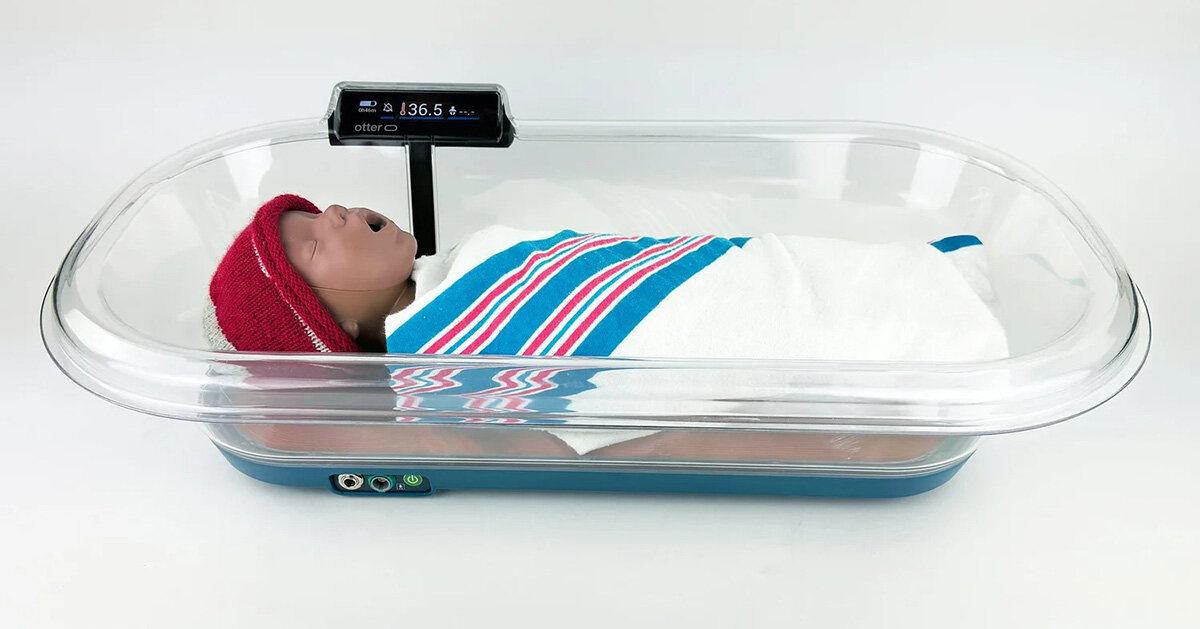
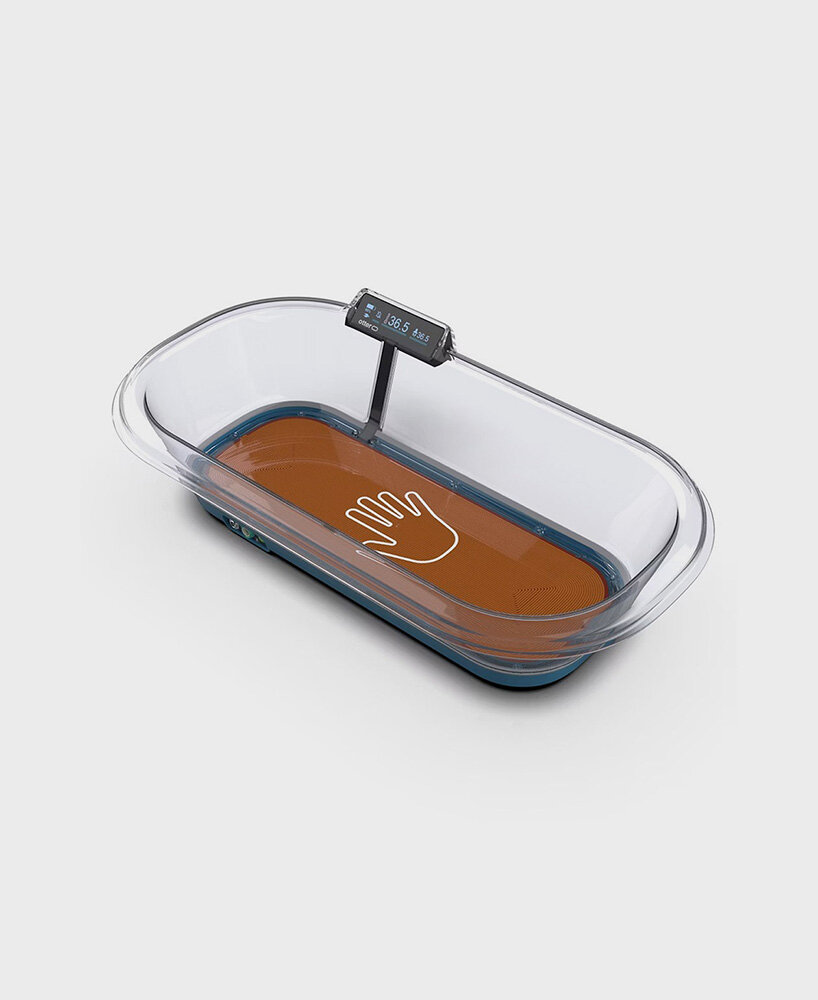
A defining engineering decision by Design that Matters and MTTS was to eliminate the removable water or gel mattresses typically found in conventional conductive warmers. Instead, the team integrated a seamless, heat-conducting polycarbonate bassinet directly into the core architecture of the device. This continuous, smooth surface contains no fabric components, hidden seams, or awkward gaps, making the cleaning and disinfection process significantly faster and more thorough for busy clinical staff between patient uses.
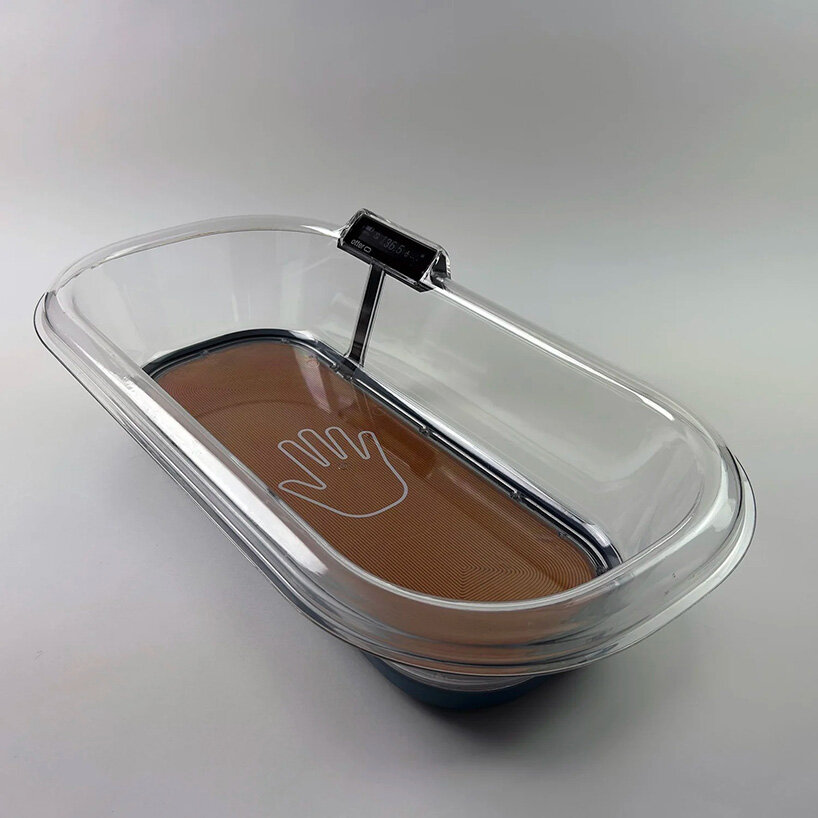
Furthermore, this integrated construction completely prevents direct physical contact between the newborn and the underlying heating elements. In traditional systems, the accidental removal, puncturing, or incorrect positioning of a warming mattress can expose infants to severe burn risks. By housing the heating element and sensitive temperature sensors securely within a water-resistant compartment directly beneath the bassinet, the design shields critical components from the wear and tear of rough handling and busy clinical routines.
This simplified physical structure also reduces a hospital’s ongoing reliance on fragile consumables and proprietary replacement parts. Conventional warming mattresses are inherently vulnerable to punctures, seam failures, and gradual material degradation over time, while liquid-filled thermal systems frequently require specialized chemical additives that can be exceptionally difficult or expensive to source locally. By streamlining the product architecture, Otter minimizes the overall maintenance burden throughout its operational lifespan.
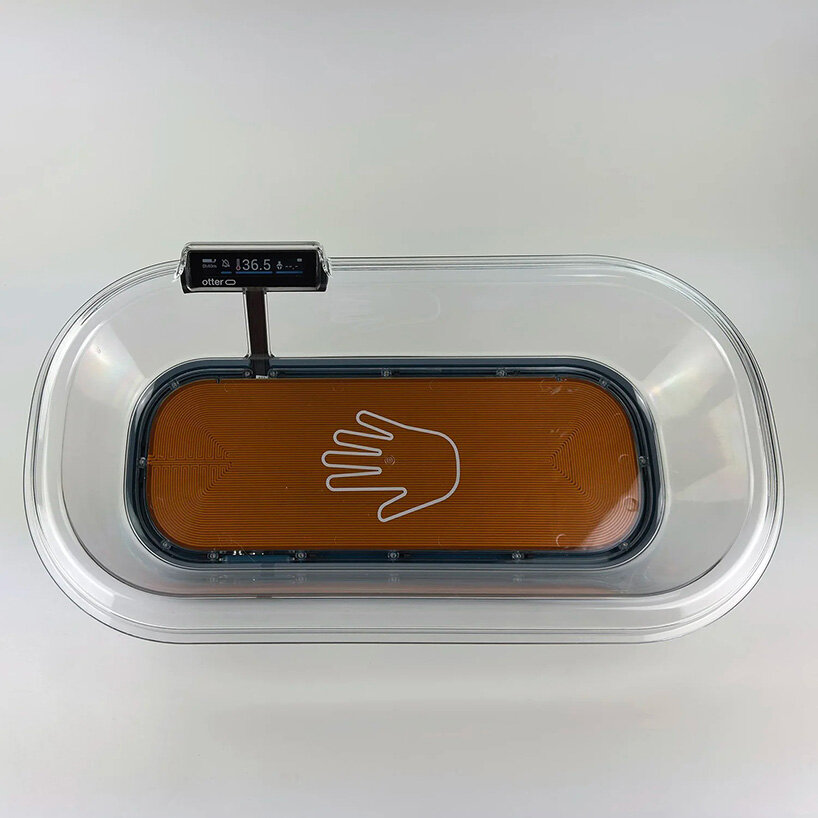
Weighing just 3.6 kilograms, the device is engineered for true portability, allowing clinicians to carry it seamlessly between clinical wards without ever interrupting the thermal support being provided to the infant. Its integrated battery system is designed to take over automatically the moment mains electricity is disconnected, ensuring uninterrupted operation during sudden grid failures and patient transfers. Under standard conditions, the built-in battery provides more than two hours of reliable thermal backup at an ambient room temperature of 15 degrees Celsius.
The unit’s user interface prioritizes clarity and ease of use under high-pressure clinical conditions. An integrated touchscreen displays real-time temperature metrics, active heating status, and estimated remaining battery life, accompanied by distinct audible and visual alarms that alert staff promptly to any anomalies involving temperature sensors, heating elements, or power supplies. The interface is purposefully designed to communicate device status at a glance, removing the need for extensive, specialized technical training for hospital personnel.
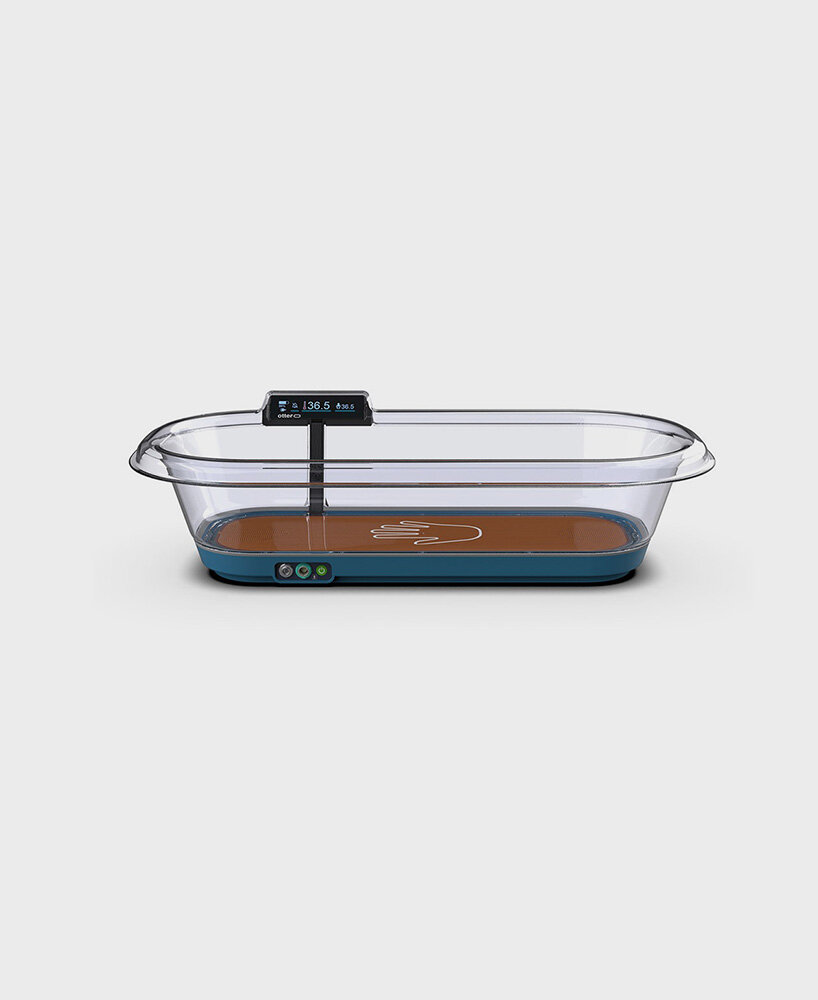
Beyond its clinical functionality, the physical form of the warmer follows a human-centered design philosophy. Resembling a familiar, traditional newborn bassinet, the open structure grants doctors and nurses unobstructed physical access to the infant at all times while presenting a less clinical, non-intimidating appearance to anxious parents. This approachable aesthetic fosters emotional connection and encourages interaction between mothers and their newborns during critical recovery phases when supplemental warming is required.
Rigorous Clinical Testing in Real-World Environments
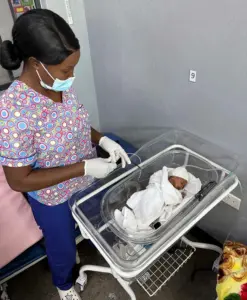
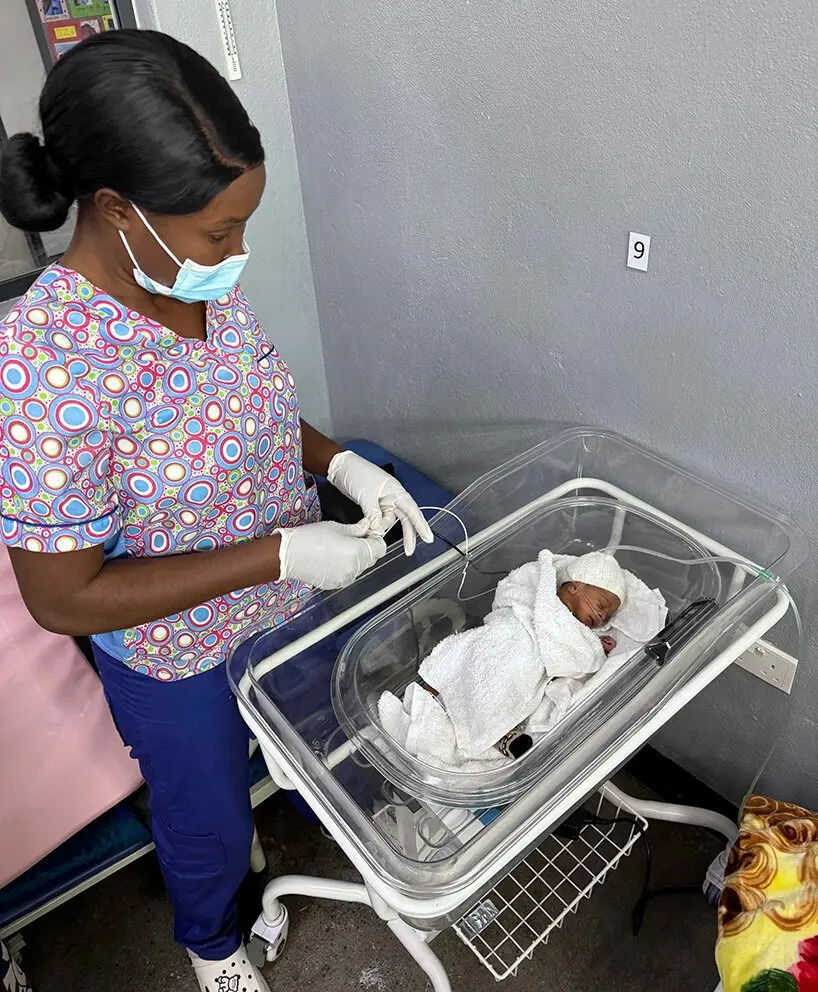
To validate its performance under actual operating conditions, a pilot cohort of five Otter warming devices was deployed to Kapiri District Hospital in Zambia beginning in May 2025. An ongoing implementation study is actively evaluating the devices across multiple performance metrics, including thermal reliability, clinical staff acceptance, and how smoothly the equipment integrates into established hospital care protocols.
The deployment site exposes the devices to the very infrastructural challenges the designers sought to mitigate. The hospital routinely experiences severe electrical power interruptions lasting anywhere from seven to eleven hours, alongside limited access to specialized biomedical technical support. Within these demanding conditions, the warmers have been utilized successfully to care for highly vulnerable, low-birthweight newborns—including infants weighing as little as 840 grams—and to maintain crucial body temperature during transfers across different hospital buildings. While project summaries highlight these successful initial transfers, the clinical implementation study remains active, with broader findings continuing to inform the ongoing development of the technology.
The Otter Newborn Warmer stands as a testament to the power of human-centered medical design, bridging the gap between advanced thermal technology and the stark infrastructural realities faced by healthcare providers in low-resource regions worldwide.