For many homeowners looking to refresh a tired interior, painting directly over existing wallpaper can seem like an attractive shortcut. Bypassing the arduous and often frustrating process of stripping old paper, scraping away residual adhesive, and repairing the bare plaster beneath can save considerable time and physical effort. However, while transforming a room with a fresh coat of paint without removing the underlying wall coverings is entirely possible, interior professionals note that it requires careful evaluation, precise preparation, and an understanding of potential pitfalls to ensure a lasting finish.
Before committing to a paint-over project, a thorough inspection of the current walls is essential. The fundamental rule of this decorative approach is that the underlying wallpaper must be in sound, stable condition. If the paper is severely damaged, ripped, or torn in multiple locations, attempting to paint over it is rarely successful. In such cases, the conventional route of stripping the old material and painting the exposed wall remains the most prudent course of action.
Furthermore, painting over wallpaper that is actively peeling in several places is strongly discouraged. Widespread peeling typically indicates that the adhesive paste behind the paper is failing. This failure may stem from the use of poor-quality paste during the original installation or, more concerningly, from underlying dampness or moisture problems within the room. Trapping damp wallpaper beneath a coat of paint will often exacerbate moisture issues and accelerate the degradation of the wall surface.
That being said, minor or localized damage can sometimes be managed before the painting begins. If peeling is restricted to a single, isolated area, it is often possible to carefully re-adhere the loose paper using fresh wallpaper paste. When performing this repair, care must be taken to smooth out any trapped air bubbles, and the patched area must be allowed to dry completely before any primers or paints are applied.
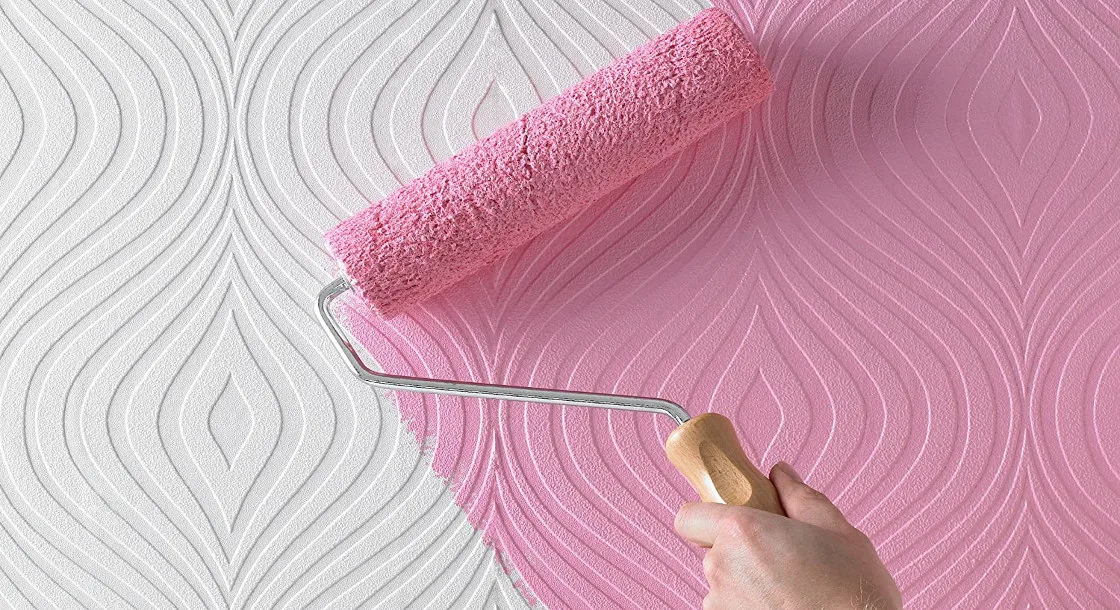
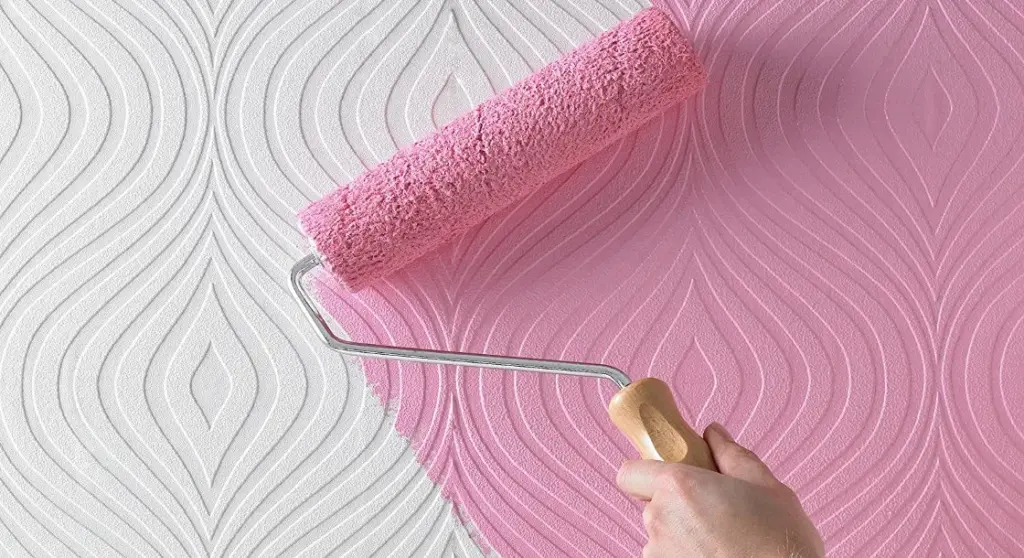
When considering the type of wallpaper suitable for this treatment, plain and flat designs present the most straightforward canvas. Nevertheless, patterned or textured papers can also be painted over, provided the homeowner is comfortable with the underlying texture remaining visible through the new color. The final visual result will retain the physical characteristics of the original wall covering, meaning heavily embossed patterns will continue to stand out beneath the fresh topcoat.
Assuming the wallpaper passes initial inspections and is found to be firmly attached and in good condition, the necessary preparatory work is relatively minimal compared to a full stripping job. Ensuring the surface is clean, dry, and properly anchored sets the stage for the next critical phase: priming.
Even when dealing with light-colored or unpatterned wallpaper, applying a dedicated primer is strongly recommended by painting professionals. A quality primer helps create a uniform, clean surface for the topcoat to adhere to while making the underlying pattern easier to completely mask and cover.
A crucial technical consideration during this stage involves the choice of primer. Water-based primers can sometimes penetrate too deeply into the wallpaper, introducing excess moisture that reactivates or compromises the old adhesive paste beneath. For this reason, industry experts frequently recommend utilizing an oil-based primer or a specialized sealing formula when painting over wallpaper. Products such as all-in-one primer-sealers are frequently selected by decorators to stabilize the surface and prevent bubbling or lifting before the main color application. Homeowners are advised to apply at least one, and ideally two, coats of primer, ensuring adequate drying time between applications before moving on to the final paint coats.

Once the primer has cured completely, homeowners can select their preferred topcoat color and begin the application process. While the painting phase itself proceeds much like standard wall painting, the presence of wallpaper introduces a few unique variables that require vigilance as the project progresses.
Even with meticulous planning and preparation, certain issues can occasionally arise when painting over wallpaper. One of the more common challenges involves gaps opening up between individual strips of paper. While wallpaper applied with professional precision should fit seamlessly, natural shrinkage can sometimes occur as the adhesive dries completely over time, leaving thin, hairline gaps between the sheets.
While a slight gap is not an insurmountable obstacle for a paint-over project, it does require attention to achieve a professional aesthetic. Assuming the surrounding wallpaper remains firmly affixed to the wall, a standard interior filler can be employed to bridge and conceal the gap between sheets. However, timing and technique are critical here. It is generally recommended to tackle this repair after the primer coats have been applied. Once the primer has fully set, any filler applied to the gaps must be carefully sanded down until it is perfectly flush with the level of the surrounding paper. Because any raised filler will stand out prominently once the topcoat is rolled over it, taking the time to achieve a smooth, even surface is essential for a polished final result.
By carefully assessing the condition of the existing walls, selecting the appropriate sealing products, and addressing minor imperfections such as shrinking seams with patience and precision, homeowners can successfully bypass the labor-intensive stripping process and achieve a refreshed, modern interior aesthetic.