Deciding where to install a new radiator in a room is a choice that ultimately rests with the homeowner, but interior design preferences do not always align with the laws of thermodynamics. While there may be compelling aesthetic reasons to place a heating unit opposite a window or against the wall designated for a new sofa, experts suggest that following a few fundamental rules for positioning radiators can yield significant benefits. By adhering to these positioning principles, households can allow their heating systems to provide optimal warmth while potentially shaving crucial amounts off their winter heating bills.
Does it Matter Where You Place a Radiator?
It is remarkably easy to assume that a radiator will heat a living space effectively no matter where it is bolted to the wall. However, placing the primary source of ambient room heat in the wrong location can have a drastic effect on overall heating efficiency. While property owners do not need to be masters of thermodynamics, gaining a basic understanding of how hot air behaves and how it interacts with cold air can transform household comfort.
Warm air naturally rises, while cold air sinks due to density differences. When a radiator is poorly positioned, this natural convection cycle can be severely disrupted, leading to cold spots, uneven temperatures, and overworked heating systems. Of course, if a radiator is failing to produce adequate heat, the issue might not be architectural placement at all, but rather trapped air within the system that requires maintenance. Routine tasks like bleeding a radiator can quickly and easily restore its thermal output. Yet, when undertaking fresh installations or home renovations, the initial placement remains paramount.
Why Install a Radiator Under a Window?
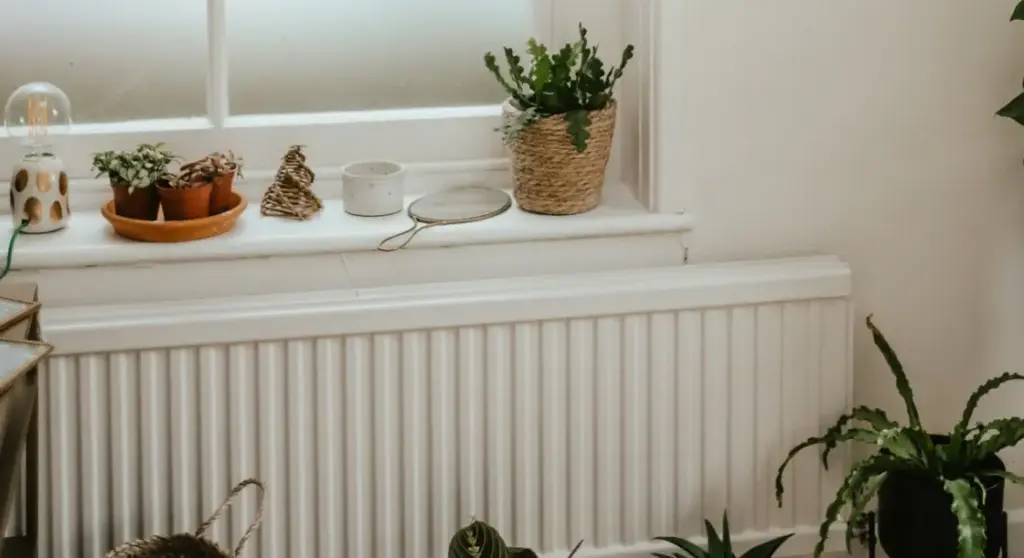
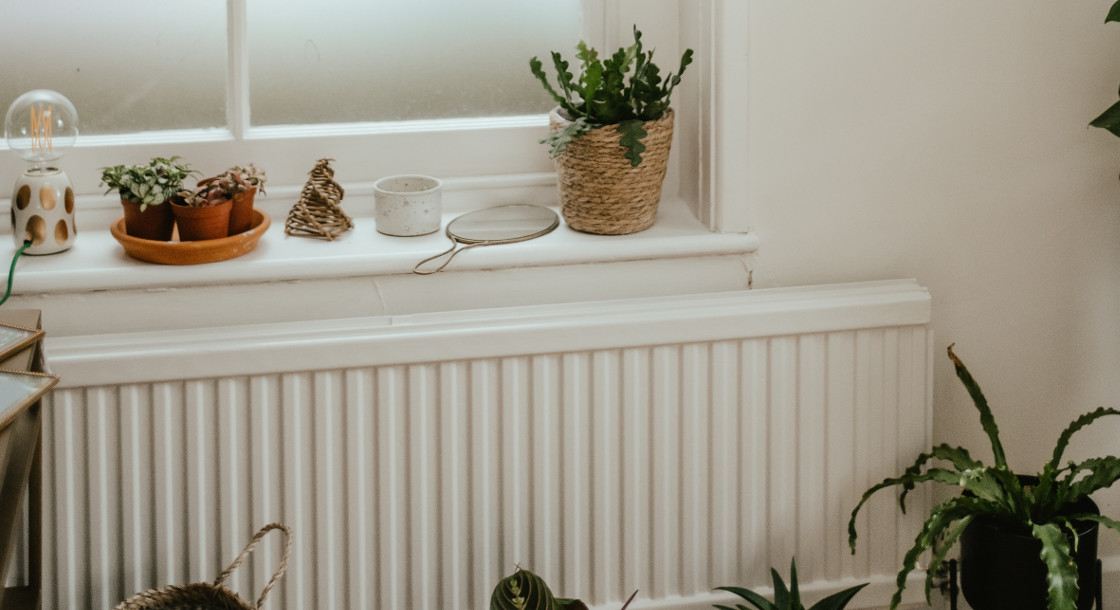
Although positioning a radiator directly beneath a window is a ubiquitous feature in British homes, a common misconception persists that the practice simply wastes energy as heat rises directly against cold glass. In reality, modern heating engineers maintain that placing the radiator under a window produces the best results in the vast majority of cases, even within contemporary houses equipped with advanced double or triple-glazed window units.
The underlying mechanism relies on the interaction between rising and falling air masses. The warm air generated by the radiator rises upward, directly counteracting the cascade of cold air falling from the cold glass surface of the window. This thermal interception significantly reduces the chance for cold drafts to spread across the floor and infiltrate the wider living space. While this effect is less noticeable with modern, highly insulated windows, it remains critical in older period properties featuring drafty, single-glazed windows, where the temperature differential can be stark.

Another practical advantage of utilizing the wall underneath a window is spatial efficiency. In most interior layouts, window walls are left free of large furniture items, allowing homeowners to make better use of available floor space. Even if a wall appears empty and tempting for a future furniture arrangement, placing a radiator there ensures that valuable wall space elsewhere in the room remains available for sofas, shelving units, or entertainment centers. Placing a large piece of furniture directly in front of a radiator acts as a formidable physical barrier, preventing thermal energy from circulating freely throughout the room.
When to Install a Radiator Opposite a Window
The precise positioning of a new radiator becomes less critical in properties fitted with high-performance double-glazed windows, simply because there is far less cold air seeping into the interior and significantly less heat escaping to the outdoors. Under these modernized conditions, homeowners enjoy greater flexibility in their interior design choices.
However, the calculation changes in properties lacking double-glazed windows. In such environments, experts generally advise against positioning a radiator directly opposite a large window. When a heat source sits opposite a cold surface, the dynamic interaction can create an exaggerated airflow loop. The warm air rising on one side of the room and the cold air falling on the other can amplify convective currents, resulting in a continuous, noticeable draft that compromises indoor comfort.
When room layouts leave no alternative but to position a radiator directly opposite a window, homeowners can mitigate these convective draughts by installing a shelf slightly above the top of the radiator. This architectural intervention acts as a deflector, forcing rising hot air outward into the center of the room rather than letting it feed directly into the circulating loop of cold air.
Which Style of Radiator is Better?
The domestic heating market has undergone a dramatic transformation over recent decades. Not too long ago, residential radiators were uniformly standardized—consisting of flat, rectangular metal panels that demanded substantial wall space and offered little aesthetic versatility. Today, manufacturers produce an extensive variety of sizes, profiles, and artistic configurations.
Despite this wide selection, there is no single "best" size or style that suits every property. The ideal choice depends heavily on room dimensions, architectural style, spatial configuration, overall interior decor goals, and the structural insulation quality of the house. For instance, in a modern, highly insulated home where wall space is at a premium, an upright vertical radiator is often the preferred choice because it occupies minimal horizontal wall space while serving as a striking design feature. Conversely, a traditional Victorian terraced house might benefit aesthetically and functionally from an imitation cast-iron radiator that complements the historical character of the building.
Where You Should Avoid Placing a Radiator
Regardless of their aesthetic style or modern engineering, all radiators operate on the same fundamental principles of thermal radiation and convection. Consequently, certain environmental placements and architectural surroundings will consistently prevent a heating system from operating efficiently.
Placing a radiator behind a sofa or any other large piece of furniture is a frequent interior design pitfall. While it may be tempting to conceal an unattractive heating unit, doing so severely compromises its thermal efficiency. Although heat will continue to rise from the top of the unit, the bulk of the radiant heat emitted from the front will be absorbed by the upholstery, leaving the rest of the living space under-heated.
Similarly, full-length curtains that sweep down to the floor in front of a radiator produce an adverse effect comparable to a large sofa. These heavy fabrics obstruct thermal waves from pushing out into the room, instead trapping the warm air and funneling it directly upward toward the window recess. The thicker the fabric of the curtains, the more pronounced this heat-blocking phenomenon becomes, leading to wasted energy and colder living quarters.
Finally, spatial constraints in smaller rooms sometimes force homeowners to install a radiator behind an open door. While this arrangement is not catastrophic, placing a radiator on a partition wall that faces an unheated hallway means a significant portion of the generated heat is lost directly through the wall. Furthermore, if the door remains frequently open against the radiator, it can physically block the steady flow of warm air into the room, reducing the overall efficacy of the central heating system.