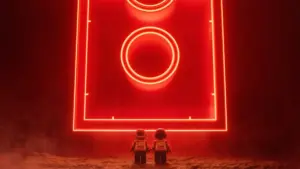
Founded on the foundational principle that collective imagination is the primary driver in shaping new physical forms, Paris-based Paf atelier continues to carve out a distinct niche across architecture, scenography, and immersive narrative. Established in 2017, the multidisciplinary studio crafts human-centric environments that challenge conventional boundaries, translating abstract concepts into tangible landscapes designed to provoke curiosity and joy.
Led by founder Christopher Dessus, the practice rejects decorative excess in favor of a rigorous methodology that links conceptual reflection directly with material experimentation. By drawing inspiration from travel, cross-disciplinary collaboration, and active dialogue that extends far beyond the traditional architectural desk, Paf atelier ensures that every spatial intervention carries a distinct purpose and identity. Whether designing ephemeral retail pop-ups, dynamic exhibition spaces, or complex cultural installations, the studio strives to align architectural form with deep emotional resonance, unlocking fresh possibilities for human interaction within the built environment.
"It is my job to dream with new aspects, materials, and collaborations. We all need dreams to continue to draw and produce new things," notes Christopher Dessus, framing the core ethos that guides the atelier’s daily operations and creative output.
Converting Conceptual Research Into Physical Realization
Operating from its base in the French capital, Paf atelier works fluidly across spatial design, scenography, and cultural research. The studio’s approach is deeply rooted in the belief that spatial design must transcend mere functionality to engage visitors on a psychological and emotional level. This philosophy is further enriched by Dessus’s creative agency, Pli office, which collaborates with various institutions and creators to unlock new energies across architecture, design, and art.
Although a significant portion of the studio’s installations are temporary or time-bound, Paf atelier maintains a strong focus on long-term cultural relevance. By pairing local production methods with emerging talents, the practice shapes evolving physical environments that reflect contemporary concerns while pushing aesthetic boundaries. The studio’s work demonstrates that temporary structures do not have to be superficial; instead, they can serve as potent experimental laboratories for testing new materials, spatial configurations, and modes of public engagement.
"Emotions and form can be matched inside the spaces we design. Our work is not decoration nor the need to create just to create. We collaborate with others—creatives, institutes, and more—to realize new energies," Dessus declares, emphasizing the collaborative foundation that underpins the practice’s project portfolio.
Aligning the Built Environment With Human Emotion
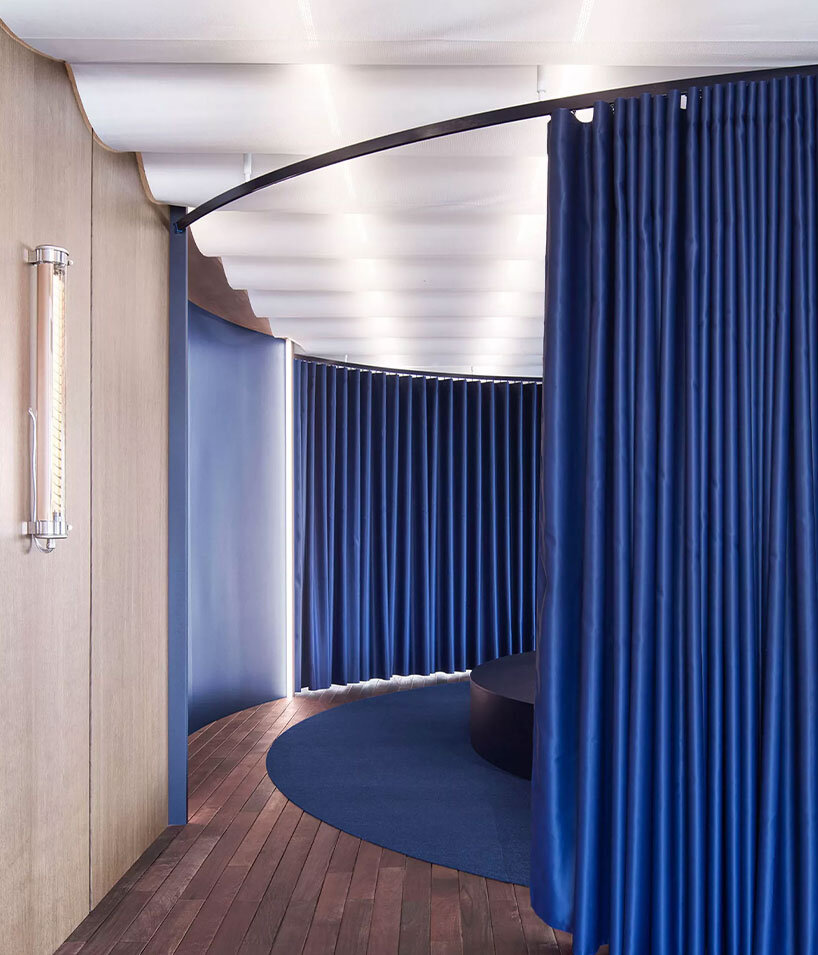
Underpinning all of Paf atelier’s projects is an intentional effort to turn physical structures into immersive spatial experiences that evoke immaterial feelings. The studio argues that architecture should not merely be looked at from a distance; rather, users should feel as though they are active participants within a larger, living narrative.
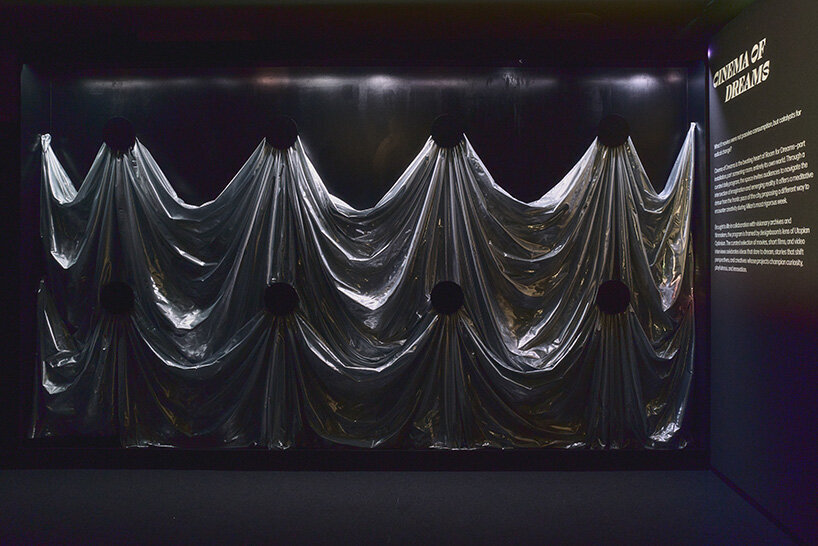
"It is paradoxical to design physical structures to evoke immaterial feelings. To dream is not to simply watch though; when we dream, it means to be inside and as part of the dream. We wanted to create an atmosphere to immerse visitors to dream," says Dessus.
This vision has materialized across a diverse range of high-profile typologies and cultural interventions. Among them is "Cinema for Dreams," created in collaboration with designboom for Milan Design Week 2026. In this installation, the Parisian studio dissolved conventional spatial limits, merging screens and seating into continuous architectural forms that completely enveloped viewers, offering a quiet, contemplative pause amidst the frantic pace of the design festival.
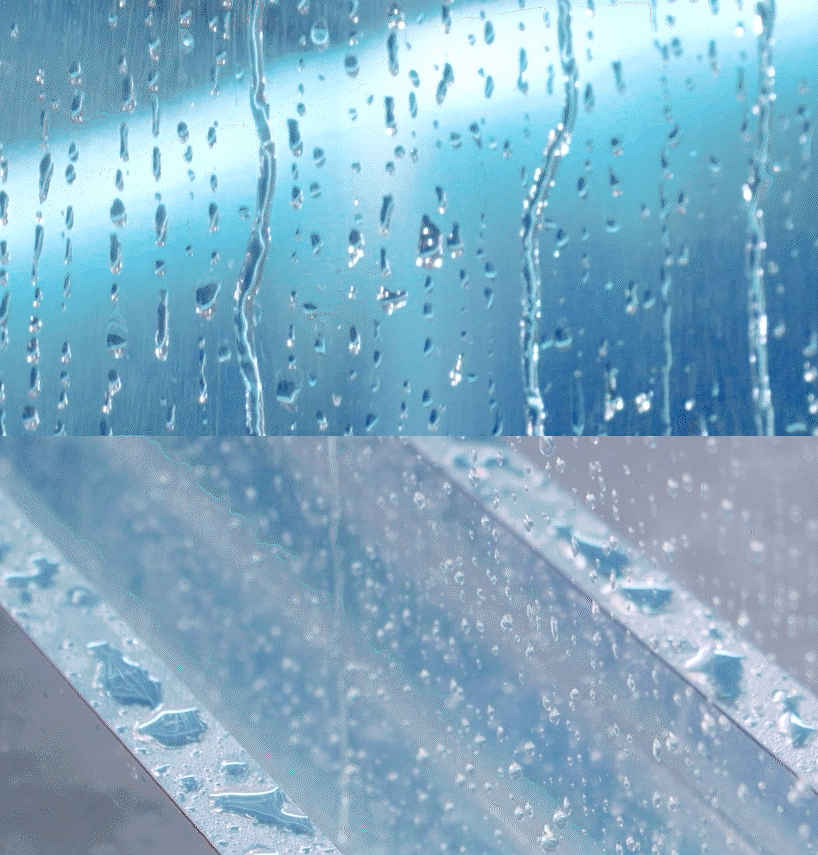
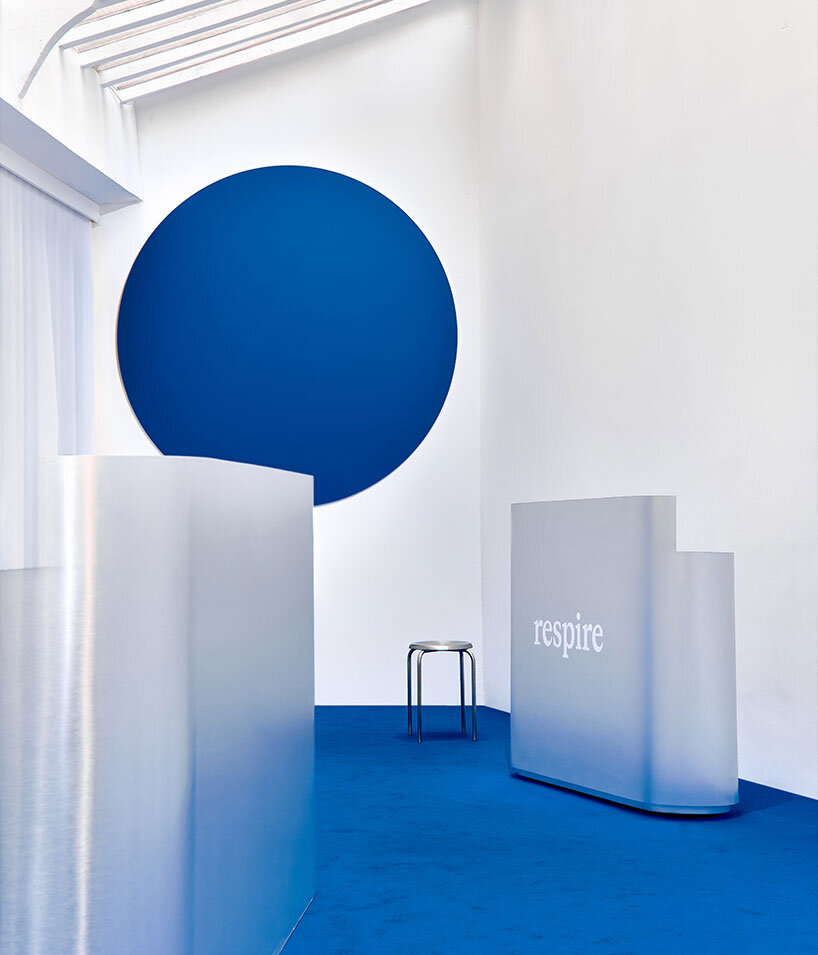
Similarly, for the "Respire" pop-up journey, the studio utilized water, mist, and inflatable volumes to mirror biological mechanisms, creating a sensory environment that translated organic processes into spatial reality. For the Orient Express presence at the America’s Cup in Barcelona, Paf atelier employed sail-like forms to capture and translate the movement of wind directly into physical space.
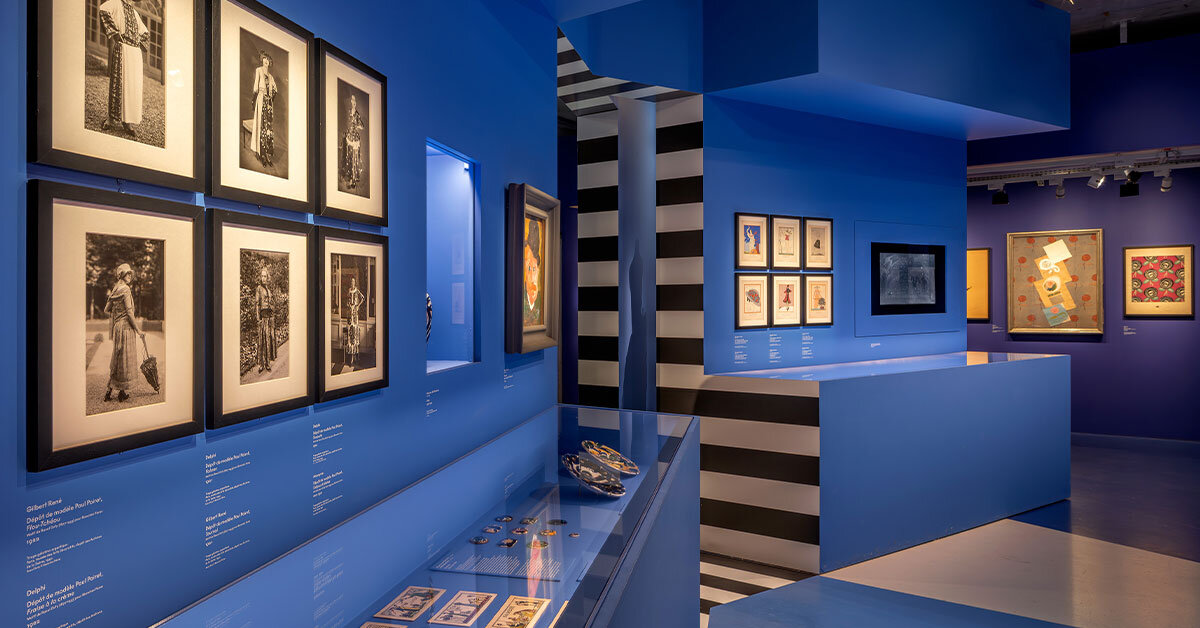
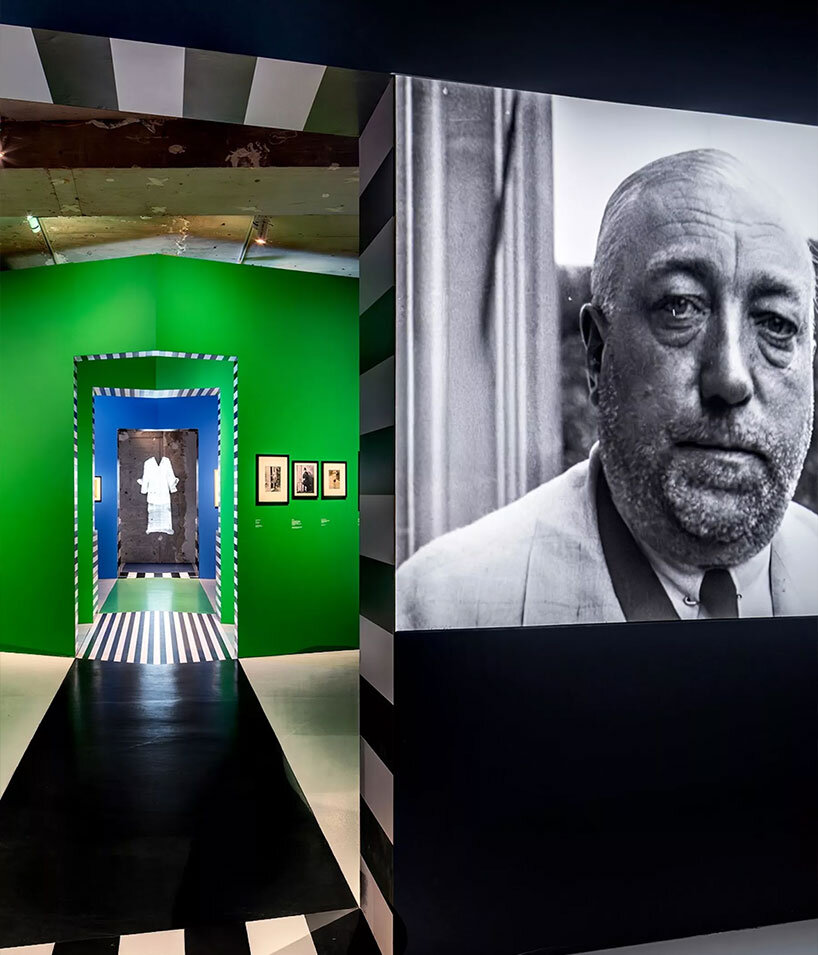
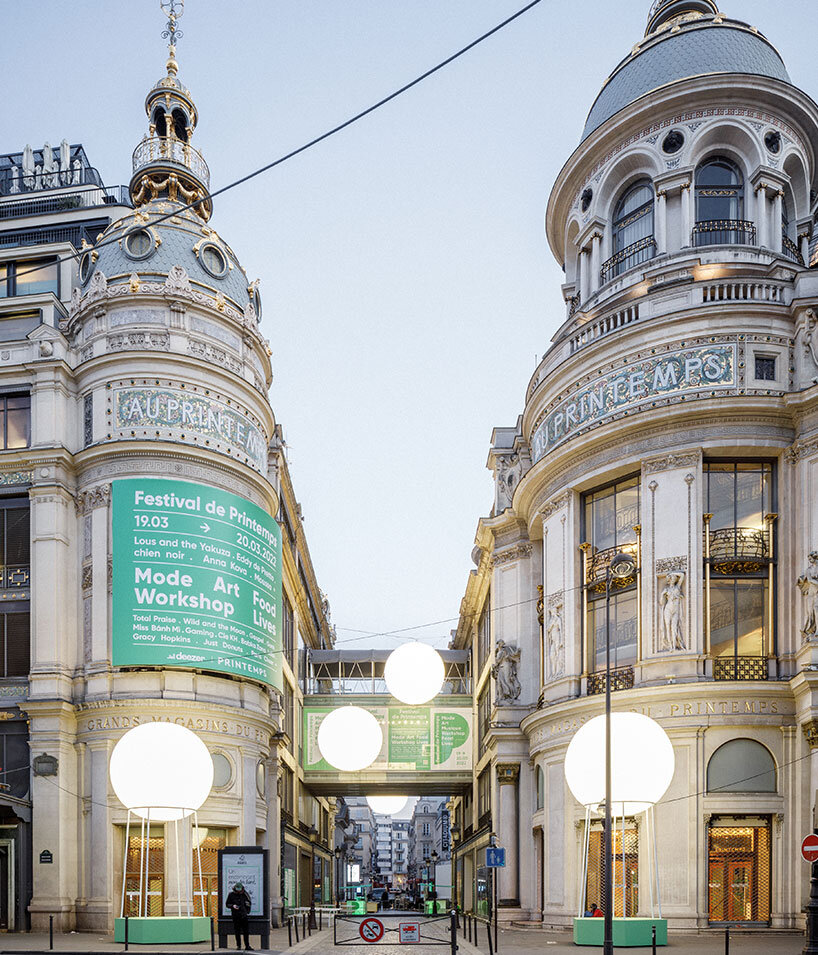
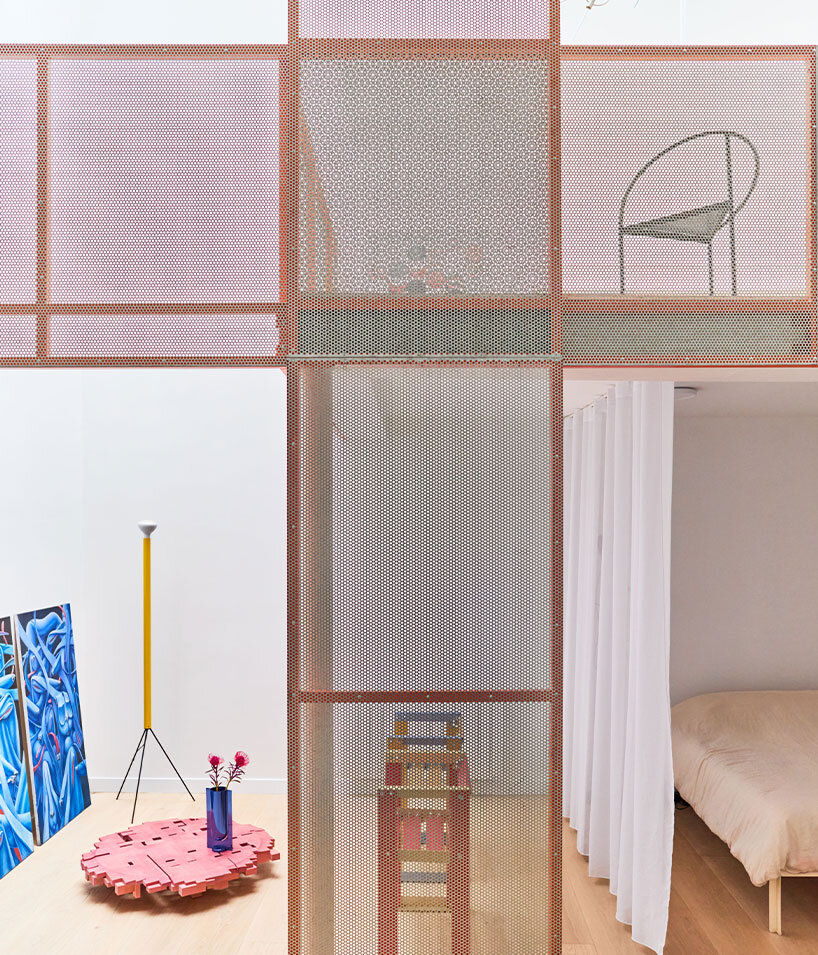
The studio’s portfolio also extends to retail and fashion contexts, such as the scenography for "La mode est une fête" celebrating Paul Poiret at the Musée des Arts Décoratifs (MAD) in Paris, developed in collaboration with art director Anette Lenz. At Printemps Haussmann, Paf atelier partnered with Yard Agency to construct inflatable lighthouse beacons for the Festival de Printemps, while their work for Diptyque paid homage to the legendary 1950s Parisian jazz bar, the Orphéon, using sculptural brass instruments across installations in Paris and London. In the 11th arrondissement of Paris, an interior residential project completed alongside BB Architectes utilized an orange lacquered steel and perforated metal structure to filter light and space. On the theatrical front, the studio teamed up with Sourdoreille for France Télévisions, utilizing inflatable volumes, scaffolding, and light to construct a striking stage set for Variations VIII, a concert program hosted at the Théâtre du Châtelet.
Through these varied interventions, Paf atelier continues to demonstrate how spatial design can foster optimism, encourage quiet reflection, and inspire new possibilities within contemporary urban settings.